Best Way Animal Removal

Tag: garden pests

  • Is It a Mole or a Vole?

    Is It a Mole or a Vole?

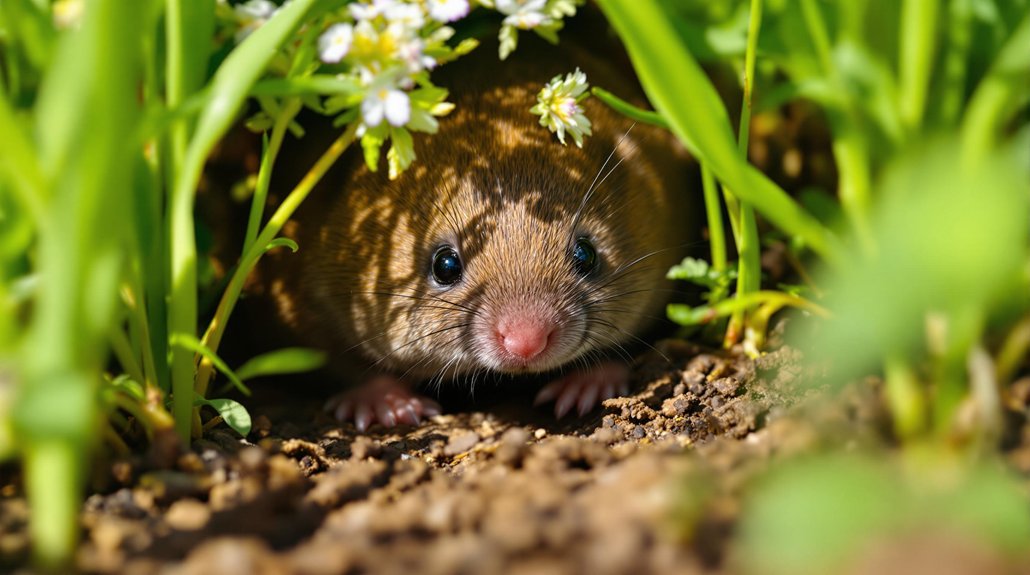
    Moles and voles are different mammals with unique features. Moles have cylindrical bodies, pointed snouts, and large claws for digging. They create extensive underground tunnels and primarily eat insects and worms. In contrast, voles are stockier with rounded faces and short tails, often found in grassy areas. They eat plants and roots and build shallow nests above ground. Moles are mostly solitary and active at night, while voles are more social and can be active during the day. Understanding these differences can help you identify which animal you may be dealing with in your garden or yard. Look further for more details.

    Key Article Highlights

    • Moles have cylindrical bodies, pointed snouts, and large claws for digging, while voles are stocky with rounded faces and shorter tails.
    • Moles prefer moist, rich soil and create extensive underground tunnels; voles thrive in grassy areas and build shallow burrows.
    • Moles primarily feed on insects and worms, whereas voles are herbivores consuming grasses, seeds, and roots.
    • Moles are solitary and nocturnal, while voles are social, active both day and night, often sharing burrows.
    • Moles disrupt soil structure and can damage roots; voles feed on roots and stems, causing visible plant destruction.

    Physical Characteristics

    When distinguishing between a mole and a vole, understanding their physical characteristics is essential. Moles are small, burrowing mammals known for their unique mole anatomy. They typically have a cylindrical body, short legs, and a pointed snout. Their front limbs are adapted for digging, equipped with large, spade-like claws that allow them to tunnel efficiently underground. Moles have velvety fur that is often dark in color, which helps them move easily through soil.

    In contrast, voles are more similar to small rodents. Vole features include a stocky build, rounded faces, and short tails. They have small ears and large, dark eyes. Voles are typically covered in coarse fur that can vary in color, often brown or gray. Unlike moles, voles have relatively longer legs, allowing them to run quickly on the surface.

    Habitat and Distribution

    Moles and voles inhabit different environments that reflect their unique needs. Moles prefer moist, rich soil for burrowing, while voles thrive in grassy areas and meadows. Understanding their geographic range and shelter characteristics helps clarify their distinct habitats.

    Preferred Environments

    While both moles and voles can be found in a variety of environments, their preferred habitats differ markedly. Moles thrive in moist soil, often found in woodland edges and wet meadows. They create extensive tunnel systems that help aerate the soil and control insect populations. Voles, on the other hand, prefer grassy fields and agricultural land, making their homes in dense vegetation where they can hide from predators. Urban gardens also provide a suitable habitat for voles, as they can easily find food and shelter.

    The table below highlights the distinct environments favored by moles and voles:

    Habitat Type Moles Voles
    Moist Soil Preferred Less Common
    Grassy Fields Rare Preferred
    Woodland Edges Preferred Occasionally Found
    Urban Gardens Less Common Preferred
    Agricultural Land Rare Preferred

    The differences in habitat preference reflect their unique lifestyles. Understanding these environments can help in managing their populations and protecting both species.

    Geographic Range

    Occupying diverse regions across the globe, moles and voles exhibit distinct geographic ranges that reflect their habitat preferences. Moles are primarily found in North America, Europe, and parts of Asia. They thrive in moist, well-drained soils, often in grasslands or woodlands. Their geographic variations depend on the availability of suitable habitats that provide ample food sources like earthworms and insects.

    Conversely, voles have a broader distribution, inhabiting various environments from grasslands to forests and even tundra regions. Commonly found in North America, Europe, and Asia, voles adapt easily to different habitat ranges. They prefer areas with dense ground cover, which provides safety from predators and access to food, including roots and grasses.

    Both moles and voles play significant roles in their ecosystems. They aerate the soil and help in nutrient cycling, which benefits plant growth. Understanding their geographic ranges is vital for conservation efforts and maintaining biodiversity. Recognizing the distinct habitats that support these small mammals can help us protect their environments and guarantee their survival for future generations.

    Shelter Characteristics

    Understanding the habitat preferences of moles and voles is key to recognizing their shelter characteristics. Moles typically favor moist, well-drained soil found in gardens, forests, and grasslands. Their shelters are often constructed from loose soil, which they push to the surface, creating noticeable mounds. These mounds are made of fine, loose materials that allow for easy digging. Moles create tunnels that may extend several feet underground, providing protection from predators and harsh weather conditions.

    In contrast, voles prefer habitats with dense vegetation, such as fields, meadows, and gardens. They build nests using various shelter materials, including grasses, leaves, and twigs. The dimensions of a vole's nest are generally small, often measuring only a few inches in diameter. These nests are usually located above ground, hidden under dense foliage, or burrowed into the ground for added safety.

    Both moles and voles require specific shelter materials and dimensions to thrive. Understanding these differences can help in identifying and appreciating their roles in the ecosystem, as well as in addressing any concerns related to their presence in residential areas.

    Diet and Feeding Habits

    Examining the diet and feeding habits of moles and voles reveals significant differences that are essential for distinguishing between these two species. Moles primarily feed on insects and worms. Their diet consists largely of soil-dwelling invertebrates, which provide the necessary nutrients for their energy needs. Moles have a unique feeding behavior; they hunt while tunneling underground, allowing them to capture their prey efficiently.

    In contrast, voles are herbivores. Their food sources include grasses, seeds, and roots. Voles often feed above ground, nibbling on vegetation in gardens and fields. This feeding behavior allows them to take advantage of various plant materials, especially during the warmer months when food is abundant.

    The differences in diet reflect the distinct ecological niches that moles and voles occupy. Moles are specialized hunters, relying on a protein-rich diet from their subterranean prey. Voles, on the other hand, are more adaptable foragers, able to thrive in a variety of habitats with diverse plant life. Understanding these feeding habits not only helps in identifying these creatures but also in appreciating their roles in the ecosystem.

    Behavior and Activity Patterns

    Moles and voles exhibit distinct behavior and activity patterns that reflect their adaptations to different environments. While moles are known for their extensive burrowing habits, voles tend to create simple tunnels closer to the surface. Additionally, these two animals have different active hours, with moles primarily active during the night and voles showing more flexibility in their activity throughout the day.

    Burrowing Habits Comparison

    How do the burrowing habits of moles and voles differ in relation to behavior and activity patterns? Moles and voles exhibit distinct burrowing techniques that reflect their different lifestyles. Moles are known for their extensive tunneling systems, which they create primarily for hunting insects and worms underground. Their burrowing often leads to noticeable soil disturbance, with raised mounds appearing on the surface as they push dirt aside. These tunnels can be quite deep and complex.

    In contrast, voles tend to create simpler, shallower burrows. They dig small networks close to the surface, which provide shelter and access to vegetation. Vole burrowing is less disruptive to the soil, resulting in minimal visible disturbance. Their tunnels are often concealed within grass or other ground cover, making them harder to detect.

    Behaviorally, moles are solitary creatures, focusing on their underground foraging, while voles are more social and may share burrows with others. Understanding these differences in burrowing habits can help us appreciate how each species interacts with its environment and contributes to the ecosystem.

    Active Hours Differentiation

    The differences in burrowing habits between moles and voles extend to their active hours and behavior patterns. Understanding these distinctions can help in identifying them in their natural habitats.

    1. Moles: Primarily nocturnal, moles are most active during the night. Their underground lifestyle requires them to hunt for food and dig tunnels when the surface is quieter, minimizing the risk of predators.
    2. Voles: In contrast, voles have a more varied activity pattern. They tend to be active both day and night. This behavior allows them to forage for food in a wider range of conditions, increasing their chances of finding resources.
    3. Active Hours Comparison: The key difference lies in their timing. Moles thrive in the darkness, while voles adapt to both light and dark environments.

    Burrowing vs. Tunneling

    Burrowing and tunneling represent two distinct behaviors in the underground world of small mammals. Burrowing techniques involve digging deep and wide holes in the ground, creating a network of chambers. Moles are known for their effective burrowing, which helps them find food and avoid predators. Their burrows can serve as nests and storage for food.

    On the other hand, tunneling purposes are often related to creating pathways that are more linear. Voles typically tunnel, creating long, narrow routes just below the surface. These tunnels help them safely travel between food sources and avoid dangers above ground.

    While both behaviors serve important survival functions, they differ in structure and intent. Burrows provide shelter and nesting areas, while tunnels facilitate movement and foraging. Understanding these differences can aid in the identification of these mammals in their natural habitats. Knowledge of their behaviors can also benefit those interested in conservation or wildlife management. By recognizing how moles and voles interact with their environment, we can better appreciate the roles they play in our ecosystems.

    Reproduction and Lifespan

    Reproducing and raising young are critical aspects of the life cycles of both moles and voles. Their breeding habits vary considerably, impacting their populations and ecological roles. Moles typically breed once a year, producing a small litter of three to six young. In contrast, voles often breed multiple times throughout the year, resulting in larger litters, sometimes exceeding ten offspring.

    The lifespan differences also distinguish these two animals. Moles generally live for about 3 years in the wild, while voles can live up to 2 years, though some may survive longer in protected environments. Understanding these factors can help us appreciate their roles in nature.

    Key differences in reproduction and lifespan include:

    1. Breeding Frequency: Moles breed once a year, while voles can breed throughout the year.
    2. Litter Size: Moles have smaller litters, whereas voles can produce larger numbers of young.
    3. Lifespan: Moles tend to live longer than voles, affecting their population dynamics.

    Common Misconceptions

    Many people confuse moles and voles due to their similar names and some overlapping traits. However, they differ markedly in physical appearance, habitat, behavior, and dietary preferences. Understanding these distinctions can help clear up common misconceptions about these two animals.

    Physical Appearance Differences

    When trying to distinguish between a mole and a vole, it's easy to be misled by their physical appearances. Despite their similar names, these two creatures have distinct features. Understanding these differences can help prevent confusion and promote a better appreciation for wildlife.

    Here are three key differences:

    1. Body Shape: Moles have a stout, cylindrical body with short limbs, adapted for digging. In contrast, voles have a more compact, rounded body with longer legs, which allows for better movement on the surface.
    2. Facial Features: Moles possess a pointed snout, which aids in their search for food underground. Voles have a shorter, blunter face that is more suited for their herbivorous diet.
    3. Eyes and Vision: Moles have small eyes, reflecting their reliance on mole vision for traversing dark tunnels. Voles, however, have larger eyes, which support their need for vole communication in social interactions.

    Habitat and Behavior

    Understanding the differences in habitat and behavior between moles and voles is important, as misconceptions often arise due to their similar names. Moles primarily inhabit moist, loose soils in gardens, forests, and meadows. They create extensive underground tunnel systems for hunting insects and worms. Their solitary nature means they spend most of their time alone, except during mating seasons.

    In contrast, voles are more social and often live in groups. They prefer grassy areas, fields, and woodlands, where they can find ample cover. Voles build nests above ground in dense vegetation, making them more visible than moles. Their social behavior allows them to communicate and cooperate in foraging for food.

    These habitat preferences highlight the distinct lifestyles of moles and voles. Moles are adapted for a life spent underground, while voles thrive in environments that support their social structures. By appreciating these differences, we can better understand how each species interacts with its environment. This knowledge can also aid in wildlife management and conservation efforts, ensuring that both moles and voles can coexist in their respective habitats.

    Dietary Preferences Explained

    Diet is a crucial aspect of the lives of both moles and voles, yet common misconceptions often lead to confusion about their eating habits. Understanding their dietary habits is essential for those who want to help these animals thrive in their environments.

    1. Moles primarily consume insects and earthworms. Their diet consists mainly of small invertebrates, which they hunt underground.
    2. Voles, on the other hand, have a more varied diet. They prefer grasses, roots, and seeds. Voles are known for their plant-based food preferences, which they often find in fields and gardens.
    3. A common misconception is that both animals dig up the same types of food. In reality, while moles focus on protein sources, voles mainly rely on vegetation.

    Impact on Gardens

    The presence of moles and voles in gardens can noticeably affect plant health and garden aesthetics. Both pests can cause significant garden damage, leading to the decline of plants and flowers. Moles primarily create tunnels underground, which can disrupt the root systems of plants. Voles, on the other hand, tend to feed on plant roots and stems, leading to further destruction.

    Understanding the differences in their impact can aid in effective pest control strategies. Below is a summary of how moles and voles affect gardens:

    Pest Type Impact on Gardens
    Moles Disrupts soil structure; damages roots through tunneling.
    Voles Feeds on roots and stems; causes visible plant destruction.

    To mitigate these issues, gardeners should consider preventive measures. Using physical barriers, such as fencing or traps, can help keep these pests away. Regular monitoring of the garden will also help identify signs of damage early on. By addressing the presence of moles and voles promptly, gardeners can maintain the health and beauty of their landscapes.

    How to Identify Them

    Identifying moles and voles is key to effectively managing their presence in gardens. While both creatures can cause damage, their physical characteristics and behaviors differ, making it essential to recognize them accurately. Here are some simple ways to distinguish between the two:

    1. Mole Features: Moles are typically larger, with pointed snouts and broad, paddle-like front feet adapted for digging. Their fur is dark and velvety, aiding in a subterranean lifestyle.
    2. Vole Traits: Voles, on the other hand, are smaller and have rounder bodies with short tails. Their fur is usually brown or gray, and they have small eyes and ears, making them less adapted for a burrowing lifestyle compared to moles.
    3. Habitat Indicators: Moles create raised tunnels just below the soil surface, while voles build shallow burrows and create visible runways in grass.

    Conservation Status

    How do the conservation statuses of moles and voles differ? Moles and voles face varying levels of concern regarding their populations. Currently, most mole species are not considered threatened. However, their habitats can be impacted by urban development and agricultural practices. Conservation efforts have focused on preserving these environments to guarantee that moles can thrive.

    In contrast, some vole species experience more significant challenges. For example, the Northern bog lemming is classified as endangered. Its population trends indicate a decline due to habitat loss and climate change. Conservation efforts for voles often involve restoring wetland areas and protecting their natural habitats.

    Both moles and voles play essential roles in the ecosystem. They aerate the soil and serve as prey for various predators. Understanding their conservation statuses helps us appreciate the importance of protecting these creatures. By supporting local conservation initiatives, we can contribute to the well-being of moles and voles.

    Frequently Asked Questions

    What Are the Main Differences in Vocalizations Between Moles and Voles?

    Moles exhibit low-frequency vocalization patterns, often inaudible to humans, while voles produce higher-frequency sounds. These differences in sound frequency serve distinct purposes, such as communication and mating, reflecting their unique behaviors and habitats.

    Can Moles and Voles Be Kept as Pets?

    Moles and voles are not ideal pets due to specific habitat requirements and dietary needs. Proper pet care is essential for any animal, and these creatures may struggle to thrive in a domestic environment.

    How Do Moles and Voles Interact With Other Wildlife?

    Moles and voles interact with other wildlife primarily through predator interactions and habitat competition. Moles may be preyed upon by larger animals, while voles often compete with other small mammals for food and shelter resources.

    Are Moles or Voles More Likely to Carry Diseases?

    Moles, often concealed underground, pose minimal disease transmission risk, while voles, more exposed, can harbor pathogens. Effective rodent control strategies are essential to mitigate potential health hazards, particularly with voles' increased visibility and contact with humans.

    What Is the Average Lifespan of Moles and Voles in Captivity?

    In captivity care, moles typically have a lifespan of 2 to 3 years, while voles can live 3 to 5 years. This lifespan comparison highlights the importance of proper habitat and diet for both species.

  • Southwestern Michigan’s Most Common Nuisance Animals

    Southwestern Michigan’s Most Common Nuisance Animals

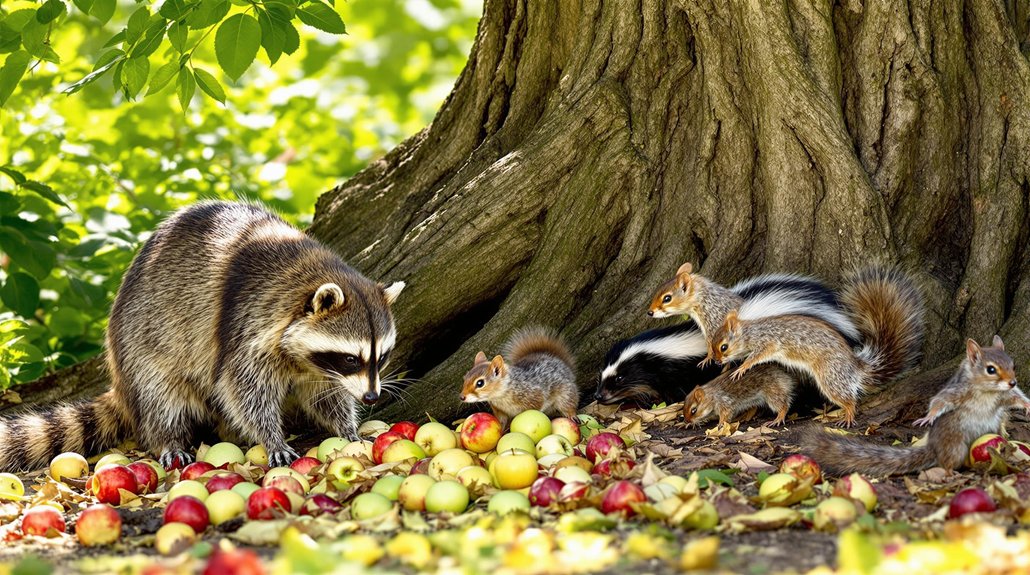
    Southwestern Michigan is home to several common nuisance animals. Raccoons often raid garbage and pet food, especially at night. Squirrels frequently invade gardens, causing damage to plants and crops. Opossums serve as nature's clean-up crew by eating insects and small rodents but can be seen rummaging through trash. Skunks are notorious for their strong odor and can become a problem if food is left outside. Finally, urban coyotes are adapting to city life and may pose a threat to small pets. Understanding these animals can help manage their presence effectively. There is more to uncover about their habits and solutions.

    Key Article Highlights

    • Raccoons are nocturnal, intelligent scavengers that often raid trash for food scraps and can be deterred by securing garbage bins.
    • Squirrels frequently invade gardens, raiding fruits and vegetables; physical barriers and certain herbs can help keep them away.
    • Opossums are beneficial nocturnal scavengers that help control pests and carry few parasites, enhancing ecological balance in the area.
    • Skunks, known for their strong odor, forage at night for insects and fruits; securing trash can minimize their presence.
    • Coyotes are adapting to urban areas, scavenging for food and posing a risk to small pets, especially during nighttime hours.

    Raccoons and Their Habits

    Raccoons, often recognized for their masked faces and nimble paws, are common nuisance animals in Southwestern Michigan. Their behavior varies with the seasons, as they are most active during the night. Raccoons are curious and intelligent creatures, often exploring their surroundings in search of food. This adaptability makes them frequent visitors to urban areas, where they rummage through trash and gardens for sustenance.

    The raccoon diet is diverse, consisting mainly of fruits, nuts, insects, and small animals. They are opportunistic feeders, which means they will eat whatever is available. This includes pet food left outside, birdseed, and even human food scraps. Their ability to manipulate objects with their paws allows them to access food sources that may be closed off to other animals.

    Understanding raccoon behavior and diet can help homeowners take preventive measures. Securing trash cans and not leaving pet food outside can reduce encounters with these animals. By recognizing their habits, individuals can create an environment that discourages raccoons from becoming a nuisance. Addressing these factors is essential for maintaining a peaceful coexistence with these clever creatures.

    Squirrels: The Garden Bandits

    Squirrels are another common nuisance in Southwestern Michigan, particularly in residential gardens. Their playful nature and agile movements make them skilled at raiding gardens. Squirrel behavior often includes digging in the soil and climbing plants to reach fruits, vegetables, and flowers. This can lead to significant damage and frustration for gardeners.

    To guarantee garden protection, it is essential to understand how to deter these garden bandits effectively. One strategy is to use physical barriers, such as fences or netting. These can prevent squirrels from accessing vulnerable plants. Additionally, planting certain herbs, like mint or rosemary, can help repel squirrels.

    Another effective measure is securing trash bins and compost piles. Squirrels are attracted to food sources, and keeping these areas clean will reduce their visits. Using motion-activated sprinklers can also startle them away.

    Opossums: Nature's Clean-Up Crew

    Opossums are often overlooked in discussions about nuisance animals, but they play an essential role in maintaining ecological balance. Their behavior is unique among North American marsupials. Opossums are nocturnal creatures, meaning they are active at night and often seen scavenging for food. They eat a variety of things, including insects, small rodents, and even carrion. This diet makes them valuable as nature's clean-up crew.

    The benefits of opossums extend beyond just their eating habits. They help control the population of ticks and other pests that can spread diseases. By consuming ticks, they reduce the risk of Lyme disease in humans and pets. Opossums are also known for their remarkable ability to carry few parasites, making them less harmful to the environment.

    Moreover, opossums are generally non-aggressive. When threatened, they often play dead, a behavior that can deter predators. This unique approach to survival helps maintain their population while protecting local ecosystems. To sum up, rather than viewing opossums as nuisance animals, we should appreciate their significant contributions to our environment. Their behavior and benefits highlight their important role in ecological health.

    Skunks: Odorous Intruders

    Skunks are often considered odorous intruders in Southwestern Michigan. Their strong scent can be quite unpleasant and is a primary reason for their nuisance status. Understanding skunk behavior is vital for managing their presence. Skunks are nocturnal creatures, often active at night, foraging for food. They eat insects, fruits, and small animals, which can lead them to human habitats.

    Effective odor control is essential when dealing with skunks. Avoid leaving pet food outside and secure garbage cans. Homeowners should also seal entry points to prevent skunks from nesting under decks or porches.

    Here is a brief overview of common skunk behaviors and management tips:

    Skunk Behavior Management Tips
    Nocturnal foraging Keep food sources indoors
    Territorial marking Use repellents and barriers
    Digging for insects Maintain a clean yard
    Seeking shelter Seal access points

    Taking these steps can help reduce skunk encounters. Understanding their behavior and implementing odor control measures will create a less inviting environment for these odorous intruders.

    Coyotes: Urban Adaptations

    Coyotes are increasingly becoming a common sight in urban areas of Southwestern Michigan. This adaptation to city life showcases their remarkable ability to thrive in various environments. Urban hunting has become a key aspect of coyote behavior, allowing them to find food in places where they can avoid human interaction.

    Coyotes often exhibit the following behaviors in urban settings:

    • Scavenging: They search through trash cans and dumpsters for food.
    • Hunting small pets: Coyotes may target small dogs and cats, especially during nighttime.
    • Using green spaces: Parks and vacant lots serve as hunting grounds and resting spots.

    These adaptations help coyotes survive in cities while maintaining their natural instincts. They are skilled at maneuvering through urban landscapes, which enhances their chances of finding food. As they become more familiar with human activity, their presence may create concerns for residents. Awareness of coyote behavior is essential for minimizing conflicts. Understanding the dynamics of urban hunting can help communities develop strategies to coexist with these adaptable animals, ensuring both safety and respect for wildlife.

    Frequently Asked Questions

    What Are the Signs of an Animal Infestation in My Home?

    Imagine a silent storm brewing indoors. Signs of an animal infestation include strange noises at night, droppings, gnaw marks, and unusual behavior from pets. Recognizing these signs is essential for addressing potential animal behavior issues effectively.

    How Can I Safely Deter These Nuisance Animals?

    To safely deter nuisance animals, utilize humane traps to capture them without harm. Additionally, apply natural repellents such as essential oils or vinegar around entry points to discourage their presence while ensuring a safe environment.

    Are There Any Legal Restrictions on Trapping Nuisance Animals?

    Trapping regulations vary by jurisdiction and aim to balance animal welfare with human interests. It is crucial to familiarize yourself with local laws, as illegal trapping can result in significant penalties and harm to wildlife populations.

    What Should I Do if I Encounter a Wild Animal?

    In wildlife encounters, observe the animal's behavior from a safe distance. Remain calm and avoid sudden movements. If necessary, slowly back away to prevent startling the animal, ensuring both your safety and the animal's well-being.

    How Do These Animals Impact Local Ecosystems?

    These animals impact local ecosystems by influencing ecosystem balance through their interactions. They can affect food webs, competition for resources, and habitat structure, which ultimately shapes the dynamics of the ecosystem and its overall health.

  • How Many Moles Typically Live in a Yard?

    How Many Moles Typically Live in a Yard?

    Typically, a yard can support between 1 to 6 moles per acre. This number can vary based on several factors like soil quality, moisture levels, and food availability. Moles prefer rich, moist soil, which provides better burrowing conditions and a higher supply of earthworms and insects for food. Larger yards tend to have more moles due to abundant resources, while smaller spaces may host fewer. Environmental conditions also play a significant role in mole populations. Understanding these aspects can provide insight into managing mole activities in your yard effectively. Further information on these factors can enhance your knowledge.

    Key Article Highlights

    • Mole population density typically ranges from 1 to 10 moles per acre, depending on soil conditions and food availability.
    • Larger yards with rich, moist soil can support higher mole densities due to increased food sources.
    • Seasonal activity peaks in spring and fall, influencing the number of moles present in a yard at different times.
    • Soil quality, including moisture and organic matter, plays a crucial role in attracting and sustaining mole populations.
    • Environmental factors, such as urban development and landscape design, can significantly impact mole presence in residential areas.

    Understanding Mole Habitats

    Moles are commonly found in a variety of habitats that provide the conditions they need to thrive. Their habitat preferences include moist, rich soil that allows for easy mole burrowing. They often inhabit areas such as gardens, lawns, fields, and forests where food is abundant. Moles primarily feed on insects, worms, and other small invertebrates found underground.

    The presence of soft, well-aerated soil is critical for moles as it facilitates their burrowing activities. This type of soil allows them to create extensive tunnel systems that can stretch for miles. These tunnels serve as homes and pathways to hunt for food. Moles prefer habitats that are not too dry, as they need moisture to survive and to maintain their food sources.

    Factors Affecting Mole Population

    Several key factors influence the population of moles in a particular area. One important factor is mole reproduction. Moles typically breed in early spring, which can lead to a rapid increase in their numbers. A healthy population will have many young moles, which contribute to the overall density in the area.

    Seasonal activity also plays a significant role in mole populations. Moles are more active during certain times of the year, particularly in spring and fall. During these seasons, they search for food and create more tunnels. This increased activity can help establish new territories, allowing moles to spread out and find suitable habitats.

    Soil quality is another factor that affects mole populations. Moles prefer loose, moist soil, as it is easier for them to dig and find food. Areas with abundant earthworms and insects will attract more moles, as these are their primary food sources.

    Lastly, environmental conditions, such as climate and human activity, can impact mole populations. Urban development and landscaping can alter their habitats, reducing their numbers. Understanding these factors can help in managing and supporting healthy mole populations in our yards.

    Yard Size and Mole Density

    Yard size plays a vital role in determining mole density. Larger yards may support more moles due to greater food availability and space for tunneling. Additionally, the quality of the soil influences mole activity, as rich soil can attract more earthworms and other food sources.

    Yard Size Impact

    The size of a yard can greatly influence the density of moles inhabiting it. Larger yard dimensions often provide more space for moles to live and forage for food. In contrast, smaller yards may have fewer moles due to limited resources. The relationship between yard size and mole population is important for homeowners who wish to maintain a healthy landscape.

    Landscape features also play a role in mole density. Yards with a variety of plants, trees, and shrubs can attract more moles. These features provide essential food sources, such as insects and roots, which moles need for survival. A well-maintained yard with diverse vegetation can support a higher mole population, while barren or poorly cared-for yards may not.

    Additionally, the layout of the yard can affect how moles move and establish their tunnels. Moles prefer areas where they can easily dig and find food. Consequently, yards with loose soil and rich vegetation can lead to increased mole activity. Understanding the impact of yard size and its features allows homeowners to make informed decisions about their landscape management and how to support or deter mole populations.

    Soil Quality Considerations

    Soil quality plays an essential role in determining mole density within a yard. Healthy soil provides a suitable habitat for moles, which rely on the availability of food sources such as insects and earthworms. One key factor affecting soil quality is soil pH. Moles prefer slightly acidic to neutral soil, typically around a pH of 6 to 7. This range supports a diverse ecosystem, making the environment more attractive to moles.

    Another important aspect is organic matter. High levels of organic matter in the soil enhance its fertility and structure. This rich soil supports a variety of organisms, which in turn provides ample food for moles. When organic matter is low, the soil may not support enough wildlife, leading to a decrease in mole populations.

    Soil Type’s Influence on Moles

    While various factors affect mole activity, soil type plays a crucial role in determining their presence and behavior. The soil composition and drainage capacity are key elements that influence where moles choose to live. Moles thrive in loose, moist soil that allows them to dig easily. If the soil is compact or has poor drainage, it may not support their lifestyle.

    The following table summarizes the types of soil and their influence on moles:

    Soil Type Composition Characteristics Drainage Capacity
    Sandy Soil Coarse, easy to dig High
    Clay Soil Dense, holds water Low
    Loamy Soil Balanced, nutrient-rich Moderate
    Rocky Soil Hard, difficult to tunnel Very Low
    Peaty Soil Moist, organic matter Moderate to High

    Understanding these factors helps us appreciate the environment moles need to thrive. By improving soil conditions in our yards, we can create a more hospitable habitat for these creatures. Serving nature in this way benefits the ecosystem and promotes healthy wildlife.

    Food Sources for Moles

    In their quest for survival, moles rely heavily on a diet primarily composed of invertebrates. This diet is essential for their health and energy. The mole diet mainly includes earthworms, grubs, and various insects. Earthworms are particularly important because of their abundance in rich, moist soils. These creatures provide fundamental nutrients that help moles grow and thrive.

    The availability of food sources can vary based on soil conditions. In areas with fertile soil, earthworm abundance tends to be higher, making it a prime location for moles. Moles have a unique ability to sense prey through vibrations in the soil, allowing them to locate food efficiently. They hunt primarily underground, where they find their favorite meals.

    Moles consume a significant amount of food daily. In fact, they can eat up to their body weight in a single day. This high food intake is crucial for maintaining their energy levels and supporting their burrowing activities. Understanding the mole diet helps us appreciate their role in the ecosystem. By promoting healthy soil and plant life, we can indirectly support the food sources that sustain these fascinating creatures.

    Typical Mole Behavior and Activity

    Moles exhibit distinct behaviors that are essential for their survival. These small mammals are primarily solitary creatures, displaying specific mole socialization patterns. They tend to live alone, except during breeding season. Moles create extensive tunnel systems underground. These tunnels serve as homes and pathways for hunting food.

    Mole activity is influenced by seasonal activity trends. In spring and fall, moles are most active. During these times, they dig more and search for food. Winter brings a slowdown in activity, as moles stay deeper underground to avoid cold temperatures. They also become less visible in summer, when they seek cooler areas.

    Moles are known for their strong sense of smell and hearing, which help them locate prey. They rely on their sensitive snouts to dig and find insects, worms, and other food sources. Moles may mark their territory with scent marks, which helps them maintain their space from others. Understanding these behaviors can help us appreciate the role moles play in our ecosystem. Their tunnels aerate the soil, promoting healthier plant growth. This knowledge fosters a deeper respect for these fascinating creatures.

    Estimating Mole Numbers in Yards

    Estimating mole numbers in yards requires an understanding of various factors. These factors include soil type, food availability, and environmental conditions. Additionally, average mole density can vary considerably, often measured per acre.

    Factors Influencing Mole Populations

    Understanding the factors influencing mole populations is essential for effective yard management. Several key elements impact the number of moles in a yard. First, the availability of food plays a significant role. Moles primarily feed on earthworms and insects, so their presence in the soil can attract moles. Healthy soil that supports a rich food supply will likely have a higher mole population.

    Second, soil type affects mole behavior. Moles prefer moist, loose soil, which makes it easier for them to dig tunnels. Conversely, hard or dry soil may deter them from settling in an area.

    Third, the landscape design of a yard can influence mole populations. Areas with plenty of vegetation and organic matter provide better habitats for moles.

    Lastly, the population dynamics of moles are also influenced by competition and predation. If a yard has many moles competing for the same resources, this can lead to fluctuations in their numbers.

    Average Density per Acre

    While determining the average density of moles per acre can be challenging, it is essential for yard management. Understanding mole density helps homeowners and landscape managers make informed decisions. Moles can impact soil quality and plant health, so knowing their average numbers is vital.

    On average, mole populations vary based on several factors. Here are three key aspects to evaluate regarding mole density:

    1. Soil Type: Different soil types support varying mole populations. Rich, moist soils tend to have higher mole numbers.
    2. Food Supply: The availability of earthworms and insects directly affects mole density. A rich food source can lead to larger populations.
    3. Habitat Conditions: Factors such as vegetation cover and moisture levels influence mole habitat and, consequently, their population dynamics.

    Frequently Asked Questions

    How Do Moles Affect the Health of My Yard?

    Moles are nature’s little gardeners, enhancing yard health through soil aeration benefits that improve drainage and nutrient absorption. Additionally, their presence contributes to pest control impact, reducing harmful insect populations and fostering a balanced ecosystem.

    Can Moles Damage Underground Utilities or Structures?

    Moles can cause utility damage through their extensive mole tunnels. These tunnels may compromise the integrity of underground utilities, potentially leading to disruptions. It is essential to monitor mole activity to prevent such issues in your yard.

    What Time of Year Are Moles Most Active?

    Moles exhibit increased activity during spring and fall. Their seasonal behavior is driven by temperature changes and food availability. During these times, they dig more extensively, searching for insects and worms in the soil.

    Are Moles Solitary or Do They Live in Groups?

    Moles exhibit solitary behavior, primarily living alone rather than in groups. Their social interactions are minimal, as they prefer to establish individual territories, which helps reduce competition for food and maintain their lifestyle effectively.

    How Can I Tell if Moles Are Present in My Yard?

    Moles can create up to 100 feet of tunnels in a day. To determine if moles are present, conduct a yard inspection for mole signs, such as raised ridges and small mounds of soil.

We've Merged With Plunkett's / Varment Guard! Learn More

X
Call Now Button