Best Way Animal Removal

Category: Bats

  • Bat Species Native to Southwest Michigan

    Bat Species Native to Southwest Michigan

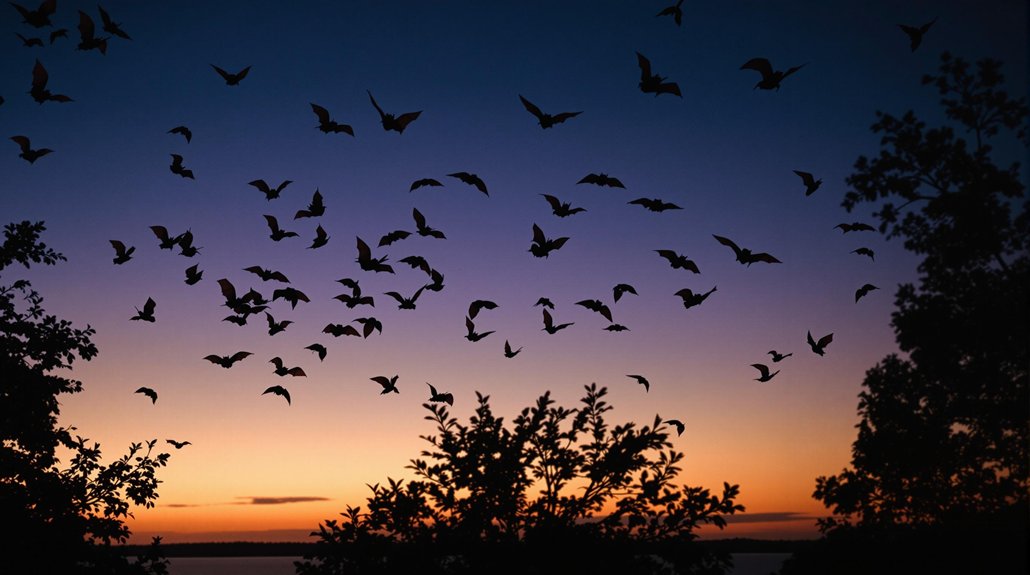
    Southwest Michigan is home to several native bat species that are essential for the ecosystem. Among them, the Little Brown Bat and Big Brown Bat are common, known for their pest control abilities. The Eastern Red Bat prefers wooded areas, while the Hoary Bat is recognized for its large size and migratory habits. The Northern Long-eared Bat, with its distinctive ears, thrives in mature forests. Unfortunately, these species face threats from habitat loss and disease. Efforts are underway to conserve these bats and protect their habitats. For a deeper understanding, you might explore their specific challenges and conservation strategies.

    Key Article Highlights

    • Southwest Michigan is home to diverse bat species, including the Little Brown Bat, Big Brown Bat, Eastern Red Bat, Hoary Bat, and Northern Long-eared Bat.
    • Bats play vital ecological roles, such as pest control, pollination, and seed dispersal, contributing to ecosystem stability.
    • Habitat loss, urban development, and white-nose syndrome threaten these bat populations, leading to declines in their numbers.
    • Conservation efforts in Michigan focus on habitat restoration, public awareness campaigns, and monitoring population trends to protect bat species.
    • Educating the public about bats fosters community engagement in conservation, promoting sustainable land-use practices to mitigate habitat loss.

    Overview of Bat Species

    In Southwest Michigan, a diverse array of bat species can be found, contributing to the region's ecological balance. These bats play essential roles in pest control, pollination, and seed dispersal. Understanding their adaptations and roosting behavior is important for appreciating their significance in local ecosystems.

    Bats in this region exhibit various adaptations that enhance their survival. For instance, their echolocation abilities allow them to navigate and hunt for insects in the dark. This skill is especially useful during summer months when insect populations peak. Additionally, their wings are uniquely structured, enabling agile flight and quick maneuvers to catch prey.

    Roosting behavior varies among species. Some bats prefer to roost in trees, while others seek out caves or man-made structures. This choice is often influenced by environmental factors, such as temperature and humidity. During the day, bats will typically hang upside down, which aids in conserving energy and provides protection from predators.

    Little Brown Bat

    The Little Brown Bat (Myotis lucifugus) is a small, agile species commonly found throughout Southwest Michigan. This bat typically weighs between 5 to 14 grams and has a wingspan of about 23 to 27 centimeters. Its fur is soft and brown, often with lighter underparts, providing effective camouflage against tree bark and other natural surfaces. The little brown bat has large ears and a distinctive face, which helps it navigate and hunt insects in the dark.

    In terms of behavior, the little brown bat is known for its impressive flying skills. It can easily catch insects mid-flight, feeding primarily on moths, beetles, and other small flying creatures. These bats are social animals, often roosting in large colonies in buildings, tree cavities, or under loose bark during the summer months. During winter, they hibernate in caves or mines, where they can remain inactive for several months.

    The little brown bat plays a vital role in the ecosystem by controlling insect populations. However, it faces threats from habitat loss and diseases such as white-nose syndrome. Conservation efforts are essential to protect this valuable species and its habitat in Southwest Michigan.

    Big Brown Bat

    The Big Brown Bat is a common species found in Southwest Michigan. It prefers roosting in buildings and trees and forages for food in various habitats. Understanding its diet, feeding habits, and conservation status is essential for protecting this important bat species.

    Habitat Preferences

    Where do Big Brown Bats prefer to roost? These bats are versatile in their choice of roosting sites. They often inhabit buildings, particularly attics, barns, and other structures that provide warmth and shelter. They also roost in tree cavities, under loose bark, and within rock crevices. The choice of roosting sites is influenced by several environmental factors, including temperature, humidity, and protection from predators.

    Big Brown Bats favor locations that allow for easy access to prey and quick flight paths. They typically select sites that maintain stable temperatures, which is essential for their survival. For instance, roosting in buildings offers a warmer environment during cold seasons. Additionally, they prefer roosting areas that are close to water sources, as these are important for their overall health and reproductive success.

    In urban areas, Big Brown Bats adapt well to human structures, benefiting from the heat generated by buildings. In rural settings, they utilize natural features like trees and rocks. Understanding these habitat preferences is significant for conservation efforts aimed at protecting this species in Southwest Michigan.

    Diet and Feeding

    Feeding primarily on insects, Big Brown Bats play an essential role in controlling pest populations in their habitats. Their diet mainly consists of beetles, moths, flies, and other nocturnal insects. This diverse range of food sources allows them to adapt to varying environmental conditions.

    Big Brown Bats exhibit distinct foraging behavior that enhances their efficiency in capturing prey. They typically forage in open areas, such as fields and along water bodies, where insects are abundant. Their echolocation abilities enable them to navigate and hunt in complete darkness, detecting the movements of insects with remarkable precision.

    These bats are known to consume large quantities of insects each night, which can help reduce the need for chemical pesticides in agricultural areas. Their foraging behavior not only benefits their survival but also contributes considerably to the health of ecosystems. By keeping insect populations in check, Big Brown Bats maintain a balanced environment, promoting biodiversity.

    Understanding the diet and feeding habits of Big Brown Bats is vital for appreciating their ecological importance and ensuring their continued presence in Southwest Michigan.

    Conservation Status

    Big Brown Bats face significant challenges that impact their conservation status. Recent population trends indicate a decline in their numbers, primarily due to habitat loss. Urban development, agriculture, and deforestation have reduced suitable roosting and foraging areas for these bats. As their natural habitats disappear, Big Brown Bats are forced to adapt to new environments, which may not provide adequate resources for survival.

    Additionally, these bats are susceptible to various threats, including diseases like White-nose Syndrome, which has devastated bat populations across North America. Although Big Brown Bats have shown some resilience to this disease, the overall impact on their population remains concerning.

    Conservation efforts are vital to support the recovery of Big Brown Bat populations. Protecting their habitats through sustainable land-use practices can help mitigate habitat loss. Public awareness and education about the importance of bats in ecosystems are also essential in fostering community support for conservation initiatives.

    Eastern Red Bat

    The Eastern Red Bat is commonly found in the forests and woodlands of Southwest Michigan. This species has a varied diet, primarily feeding on insects such as moths and beetles. Understanding its habitat and feeding habits is essential for conservation efforts in the region.

    Habitat and Distribution

    A significant number of Eastern Red Bats can be found in the diverse habitats of Southwest Michigan. These bats thrive in a variety of environments, including deciduous and mixed forests, open woodlands, and suburban areas. Their preference for habitats with ample tree cover is crucial for roosting. Eastern Red Bats often choose to hang among the leaves of trees, camouflaging themselves effectively against predators.

    The geographic distribution of Eastern Red Bats extends across much of North America, but they are particularly abundant in the Midwest. In Southwest Michigan, they take advantage of the region's rich biodiversity, which supports their life cycle. These bats typically migrate to warmer areas during the winter months, seeking locations that provide suitable shelter.

    As a result, Eastern Red Bats can be found in both rural and urban settings. Their adaptability to changing environments is a key factor in their survival. Understanding the specific bat habitats they occupy in Southwest Michigan allows for better conservation efforts and management strategies. By protecting these crucial habitats, we can guarantee the continued presence of Eastern Red Bats in this region.

    Feeding and Diet

    Eastern Red Bats primarily feed on a variety of insects, making them valuable contributors to the ecosystem. Their diet mainly consists of moths, beetles, and other flying insects. This diverse range of food sources allows them to thrive in various habitats, including forests and urban areas.

    The foraging behavior of Eastern Red Bats is notable for its efficiency. These bats typically hunt during twilight and nighttime when their prey is most active. They utilize echolocation to detect and capture insects while in flight. This ability enables them to pinpoint their food sources with remarkable accuracy.

    Eastern Red Bats often forage alone or in small groups, which increases the chances of finding abundant food sources. They are also known to catch insects mid-air, showcasing their agility and speed. Additionally, their foraging habits can help control insect populations, benefiting agricultural practices and human health.

    Hoary Bat

    Hoary bats are among the most recognizable bat species in Southwest Michigan, distinguished by their thick fur and large size. These mammals are known for their strikingly beautiful appearance, with a fur coat that appears frosted due to light-tipped hairs.

    Hoary bat behavior includes roosting in trees and hunting insects at night. They are solitary creatures and prefer to forage in open areas where they can easily catch flying insects. Their hunting technique involves a slow and graceful flight, allowing them to navigate through their environment effectively.

    In terms of hoary bat migration, they are one of the few bat species that undertake long-distance travel. In the fall, they migrate south to warmer climates and return north in the spring. This seasonal movement is essential for their survival, as it allows them to find suitable foraging grounds.

    Behavior Migration
    Solitary roosting Long-distance travel
    Insect hunting Seasonal movement
    Active at night South in fall
    Forages in open areas North in spring

    Understanding the hoary bat's behavior and migration patterns is critical for their conservation and habitat protection.

    Northern Long-eared Bat

    Northern long-eared bats are a small species known for their distinctive long ears and slender bodies. They typically weigh between 6 to 12 grams and have a wingspan of about 22 to 26 centimeters. Their habitat consists primarily of mature forests and woodland areas. They are often found near water sources, which provide ample insect prey. The northern long-eared bat prefers roosting in tree cavities, under loose bark, or in buildings, which offer protection and suitable temperature conditions.

    In terms of behavior, these bats are nocturnal, emerging at dusk to hunt for insects. They primarily feed on moths, beetles, and other flying insects. Northern long-eared bats exhibit a unique foraging technique known as "aerial hawking," where they catch insects in mid-air. During the breeding season, males are known to establish territories and engage in vocalizations to attract females.

    These bats are also known for their social behavior, often roosting in groups during the day. Understanding their habitat and behavior is essential for their study and protection in the ecosystems of Southwest Michigan.

    Conservation Efforts in Michigan

    Conservation efforts in Michigan are essential for protecting the state's diverse bat populations, particularly in light of threats such as habitat loss and white-nose syndrome. These efforts focus on several key strategies. Habitat restoration is imperative. This includes replanting native trees and preserving wetlands that serve as fundamental roosting and foraging sites for bats.

    Another important aspect is raising public awareness about the significance of bats. Many people are unaware of the critical roles bats play in ecosystems, such as controlling insect populations. Educational programs aim to inform the public about the threats bats face and how individuals can contribute to their conservation.

    Collaborative efforts between local governments, conservation organizations, and community members are crucial in these initiatives. By working together, stakeholders can create effective conservation plans and promote responsible land-use practices. Additionally, monitoring bat populations helps to assess the success of these efforts and adapt strategies as needed.

    Frequently Asked Questions

    What Are the Common Habitats for Bats in Southwest Michigan?

    Bats commonly inhabit areas providing suitable roosting sites, such as trees, caves, and buildings. They also favor locations near abundant food sources, including wetlands and forests, which support their insect diets, essential for their survival.

    How Do Bats Contribute to the Local Ecosystem?

    Bats play an essential role in the local ecosystem through bat pollination and insect control. They help fertilize plants and crops while considerably reducing insect populations, promoting biodiversity and maintaining the balance within their habitats.

    Are There Any Bat-Watching Events in Southwest Michigan?

    Breathtaking bat watching tours beckon enthusiasts in Southwest Michigan. Evening excursions offer unique opportunities to observe these remarkable creatures in their natural habitat, fostering a deeper appreciation for their ecological importance and enchanting behaviors.

    What Diseases Can Bats Carry That Affect Humans?

    Bats can carry several diseases that pose zoonotic risks to humans, including rabies, histoplasmosis, and Nipah virus. Awareness of these bat diseases is essential for reducing potential health threats during human-wildlife interactions.

    How Can Homeowners Safely Coexist With Bats?

    Homeowners can coexist with bats by installing bat houses, providing them a safe habitat. Additionally, using natural repellents can discourage unwanted presence. Emphasizing these methods promotes harmony while mitigating potential health concerns associated with bats.

  • Do Bats Migrate? Understanding Bat Behavior in Michigan

    Do Bats Migrate? Understanding Bat Behavior in Michigan

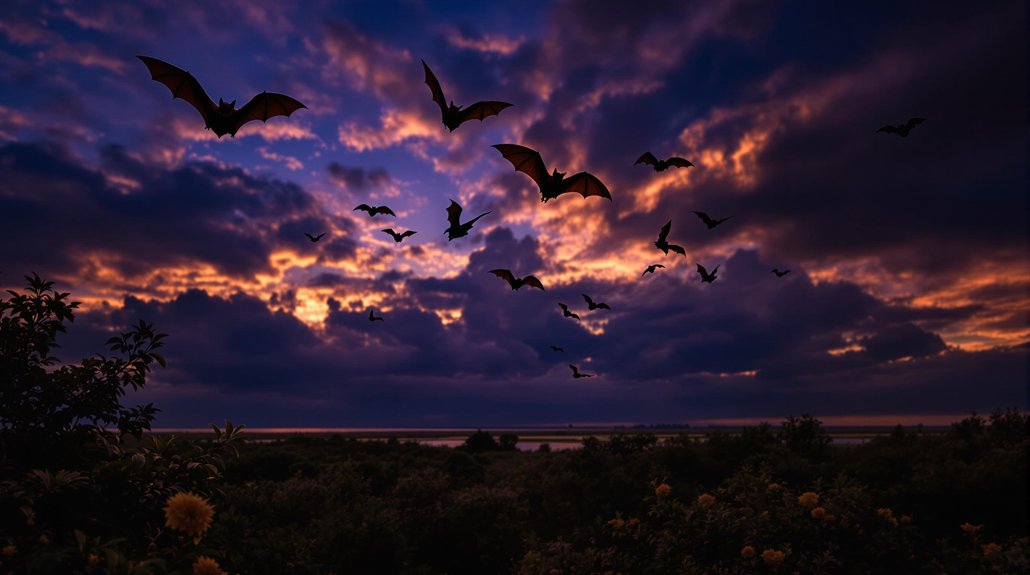
    Yes, bats in Michigan do migrate. Their movements usually happen in spring and fall, driven by seasonal changes and the search for food and suitable roosting sites. Many species, like the Little Brown Bat, migrate southward to find warmer locations to hibernate during winter. This migration is important for their survival, as it helps them cope with food shortages and extreme weather. Understanding their migratory patterns and behaviors is essential for conservation efforts. To explore more about how these fascinating creatures adapt to Michigan's climate, keep going to uncover further insights on bat behavior and conservation.

    Key Article Highlights

    • Yes, bats do migrate, with many species traveling southward to find suitable hibernation sites during winter.
    • Migration timing in Michigan is influenced by seasonal weather patterns and food availability, typically occurring in late fall.
    • Different bat species, like the Little Brown Bat and Hoary Bat, have unique migration routes based on their habitat needs.
    • Climate change disrupts bat migration patterns by altering seasonal cues and affecting food supply, impacting their survival.
    • Understanding bat migration behaviors is crucial for conservation efforts aimed at protecting their habitats and ensuring ecosystem balance.

    Overview of Bat Species

    In Michigan, there are over a dozen bat species, each playing an important role in the ecosystem. These bats contribute to pest control, pollination, and seed dispersal. The diversity of bat species in Michigan reflects the state's varied habitats, ranging from forests to wetlands and urban areas. Each species has adapted to thrive in specific environments, showcasing habitat diversity.

    Among these species, the Little Brown Bat and the Big Brown Bat are among the most common. The Little Brown Bat prefers forested areas, where it can find ample insects to feed on. In contrast, the Big Brown Bat often roosts in buildings and bridges, demonstrating its adaptability to human structures. Other notable species include the Eastern Red Bat and the Hoary Bat, which are typically found in more open habitats.

    Understanding these bat species is essential for conservation efforts. As their habitats face threats from development and climate change, protecting these diverse environments guarantees the survival of bats in Michigan. By appreciating the role each species plays, we can foster a greater understanding of how critical these animals are to our ecosystem.

    Migratory Patterns Explained

    Bats in Michigan show interesting seasonal movement trends as they migrate to find food and suitable habitats. Different species may take unique routes based on their specific needs and environmental factors. Understanding these patterns helps us appreciate the important role bats play in our ecosystem.

    Seasonal Movement Trends

    Why do bats undertake long migrations across Michigan each year? The answer lies in their need for suitable roosting behavior and food sources. As the seasons change, bats adapt by moving to areas that provide better access to insects, their primary food source. During warmer months, bats are highly active at night, engaging in nocturnal activity to hunt for insects. However, as temperatures drop in fall, many species migrate to warmer locations to avoid harsh winter conditions.

    In Michigan, the migration trend is closely tied to the availability of food and suitable roosting sites. Bats prefer roosting in trees or buildings that offer protection and warmth. When these habitats become scarce or unsuitable due to environmental changes, bats will journey to areas that meet their needs.

    The timing of these migrations can vary based on weather patterns and food availability. For example, if an early frost occurs, bats may migrate sooner than normal. Understanding these seasonal movement trends is essential for conservation efforts, as it helps identify significant habitats that need protection to support these fascinating creatures throughout the year.

    Species-Specific Migration Routes

    As the seasons change, different bat species in Michigan exhibit unique migration routes tailored to their specific needs and preferences. These migration strategies are vital for their survival, as they seek out warmer climates and abundant food sources during colder months. For instance, the little brown bat often migrates southward to find suitable hibernation sites, while the hoary bat takes a more direct route to coastal areas, where insects are plentiful.

    Species adaptations play a significant role in determining these routes. For example, some bats have developed the ability to cover vast distances, allowing them to reach warmer regions quickly. Others, like the big brown bat, may prefer shorter migrations, relying on local resources. These adaptations are shaped by environmental conditions and the availability of food, which influence their choices.

    Understanding these species-specific migration routes not only highlights the diversity among bats but also underscores the significance of habitat preservation. As climate patterns shift, these routes may change, making it essential to monitor and protect the habitats that support these incredible creatures throughout their migratory journeys.

    Factors Influencing Migration

    Bats in Michigan migrate mainly due to changes in seasonal temperatures and the availability of food. As the weather cools, insects become scarcer, prompting bats to seek warmer areas with more food. Understanding these factors helps us appreciate their migration patterns and the challenges they face.

    Seasonal Temperature Changes

    Seasonal temperature changes play an essential role in the migration patterns of various species, including bats in Michigan. As temperatures fluctuate throughout the year, bats must adapt their behaviors to survive. When temperatures drop in the fall, many bat species begin to prepare for hibernation. This is a vital time for them to find suitable roosting sites, which provide shelter from the cold.

    The following table highlights the seasonal temperature changes and their effects on bat behavior:

    Season Average Temperature (°F) Bat Behavior Hibernation Strategies Migration Patterns
    Spring 50-60 Active feeding Prepare for migration Begin migration
    Summer 70-80 Roosting and breeding None Establish territories
    Fall 40-50 Foraging intensifies Find hibernacula Migration starts
    Winter 20-30 Hibernation Slow metabolism No migration
    Early Spring 30-40 Awakening from hibernation Rebuild energy reserves Return from hibernation

    Understanding these temperature fluctuations helps us appreciate how bats navigate their seasonal challenges and develop effective hibernation strategies.

    Food Availability Variations

    Temperature changes considerably impact food availability, which in turn influences bat migration patterns in Michigan. Bats primarily rely on insect populations for sustenance, making the availability of these food sources critical for their survival. As the seasons shift, temperature fluctuations can drastically affect the abundance and diversity of insects, altering the foraging habits of bats.

    In spring and summer, warmer temperatures typically lead to an increase in insect activity. Bats capitalize on this abundance, establishing their foraging routines around areas rich in insects, such as wetlands and forests. However, as autumn approaches and temperatures start to drop, insect populations decline, prompting bats to seek out warmer climates where food sources remain plentiful.

    Additionally, changes in precipitation can further influence food availability. Drier conditions may reduce insect habitats, while increased rainfall can promote the growth of vegetation that supports insect life. Consequently, bats may adjust their migration patterns based on the availability of reliable food sources. Understanding these variations in food availability helps researchers predict how bats will respond to environmental changes and informs conservation efforts aimed at protecting these essential species.

    Seasonal Behavior in Michigan

    Michigan's diverse ecosystems play a significant role in shaping the seasonal behavior of its wildlife, including various bat species. As winter approaches, many bats in Michigan begin to prepare for bat wintering. This is an essential time when bats must find safe, climate-controlled spaces to hibernate. Hibernation strategies vary among species, with some bats opting for caves, while others may choose abandoned mines or even buildings.

    During hibernation, bats notably lower their metabolic rates to conserve energy. They enter a state of torpor, which allows them to survive long periods without food. This is crucial since the insect population decreases dramatically in the colder months. When spring arrives, bats emerge from their wintering sites, enthusiastic to feed on the abundant insects that return with warmer weather.

    Throughout the year, bats also exhibit seasonal behavior changes, such as mating rituals in late summer and early fall. This seasonal rhythm is important not only for their survival but also for maintaining the ecological balance of their habitats. Understanding these behaviors helps in the conservation efforts necessary for protecting Michigan's bat populations.

    Habitat Preferences

    Habitat preferences among bats in Michigan reveal a fascinating interplay between their survival needs and environmental factors. Bats seek specific roosting sites that provide safety and suitable conditions for reproduction and hibernation. Common roosting sites include tree cavities, buildings, and even under bridges. These locations offer protection from predators and harsh weather, making them ideal for bats.

    However, habitat fragmentation poses a significant challenge to these preferences. As urban development expands and forests are cleared, the continuity of natural habitats is disrupted. This fragmentation can limit the availability of roosting sites, forcing bats to adapt to less favorable environments. When their preferred habitats are altered, bats may struggle to find the resources they need for foraging and breeding.

    Additionally, some bat species are more sensitive to habitat changes than others, making them vulnerable to population declines. Understanding these habitat preferences is essential for conservation efforts aimed at protecting bat populations in Michigan. By preserving and restoring natural habitats, we can help guarantee that bats continue to thrive in their native environments, maintaining the ecological balance they play an important role in.

    Impact of Climate Change

    The complexities of climate change present significant challenges for bat populations in Michigan. As temperatures rise, the warming effects can disrupt the natural rhythms of these creatures. Bats rely on seasonal cues for migration, reproduction, and hibernation. When the climate changes, these cues can become unreliable, leading to potential mismatches in food availability and breeding times.

    Climate impacts also affect the insects that bats feed on. Warmer temperatures can alter insect populations and their life cycles, which may reduce the food supply for bats during essential times. Additionally, changes in precipitation patterns can affect the availability of roosting sites, as certain habitats may become less suitable or even disappear.

    Moreover, the increasing frequency of extreme weather events can pose direct threats to bats. Storms, flooding, and droughts can destroy roosting habitats and disrupt their migration routes. These factors highlight the need for ongoing research to understand how climate change affects bat behavior and survival in Michigan. Addressing these issues will be vital for the future of bat populations in the face of a changing climate.

    Conservation Efforts

    Conservation efforts play an essential role in protecting bat populations as they face numerous challenges, including those brought on by climate change. Effective bat conservation strategies focus on securing their survival and maintaining healthy ecosystems. Here are some key initiatives:

    1. Habitat Protection: Safeguarding natural habitats is critical. This includes preserving forests and wetlands where bats roost and forage.
    2. Research and Monitoring: Conducting studies on bat populations helps identify their needs and track the effects of environmental changes.
    3. Public Education: Raising awareness about the importance of bats can foster community support for conservation efforts. Informing people about the benefits of bats helps reduce fear and misunderstanding.
    4. Policy Advocacy: Supporting legislation that protects bat habitats and regulates harmful practices is essential. Advocates work to guarantee that bat conservation is a priority in environmental policies.

    Importance of Bats in Ecosystems

    Bats play an essential role in maintaining healthy ecosystems, serving as key agents in pest control and pollination. Their bat roles are important in keeping insect populations in check, which helps reduce the reliance on chemical pesticides. A single bat can consume thousands of insects in one night, making them natural pest controllers. This not only supports agricultural health but also protects the delicate balance of various ecosystems.

    Additionally, many bat species contribute to pollination and seed dispersal. They assist in the reproduction of numerous plants, including fruits like bananas and avocados, which are critical for both wildlife and human consumption. By helping plants thrive, bats promote biodiversity, which is indispensable for ecosystem balance.

    When bat populations decline, the effects can ripple throughout the ecosystem. Increased insect populations can lead to crop damage and a decline in plant health. Therefore, preserving bat habitats is important for sustaining their roles and ensuring the overall health of our environments. Understanding the importance of bats in ecosystems underscores the need for conservation efforts and habitat protection to maintain biodiversity and ecosystem integrity.

    Frequently Asked Questions

    Do Bats Hibernate or Migrate During Winter in Michigan?

    Bats in Michigan primarily hibernate during winter months rather than migrating. Their hibernation allows them to conserve energy. Understanding their hibernation and migratory patterns is essential for effective conservation efforts and protecting these crucial species.

    What Are the Primary Food Sources for Bats in Michigan?

    Bats in Michigan primarily feed on a diverse array of insects. Their foraging habits adapt to seasonal changes, allowing them to exploit various food sources, which is essential for maintaining ecological balance and their own survival.

    How Can I Tell if Bats Are in My Area?

    Wondering if bats are secretly hosting parties in your backyard? To confirm their presence, employ bat detection methods like echolocation sound analysis, and familiarize yourself with local bat species—those flying wonders might just be nearby!

    Are Bats Dangerous to Humans or Pets?

    Bats are generally not dangerous to humans or pets; however, they can carry bat diseases such as rabies. It's important to avoid direct contact and guarantee pets are vaccinated to minimize rabies risk.

    What Should I Do if I Find a Bat Indoors?

    If you find a bat indoors, maintain indoor safety by keeping distance. Contact a professional for bat removal to guarantee both your safety and the bat's well-being. Avoid direct handling to prevent potential health risks.

  • Why Bats Are Important for Mosquito Control in Southwest Michigan

    Why Bats Are Important for Mosquito Control in Southwest Michigan

    Bats are essential in controlling mosquito populations in Southwest Michigan. These nocturnal predators can consume hundreds of mosquitoes each night. Their natural hunting helps regulate mosquito numbers, which in turn reduces the risk of mosquito-borne diseases that can affect human health. Several bat species, such as the Little Brown Bat and Big Brown Bat, play significant roles in this ecosystem. Protecting bats is important for maintaining ecological balance. Understanding their contributions and the challenges they face can help support bat populations effectively. Continue to explore how bats influence our environment and what we can do to help them thrive.

    Key Article Highlights

    • Bats consume hundreds of mosquitoes each night, effectively regulating their populations in Southwest Michigan.
    • By controlling mosquito populations, bats help reduce the risk of mosquito-borne diseases affecting human health.
    • Local bat species, such as the Little Brown Bat and Big Brown Bat, are particularly effective insect hunters.
    • Maintaining bat populations supports ecological balance and biodiversity in areas with high mosquito activity.
    • Encouraging bats through habitat preservation and reduced pesticide use benefits both bats and the local ecosystem.

    Bats and Mosquito Population Dynamics

    The relationship between bats and mosquito population dynamics is noteworthy in ecological studies. Bats play an essential role in controlling mosquito populations through their foraging behavior. As nocturnal predators, bats actively seek out mosquitoes during their nightly hunts. This foraging activity helps regulate mosquito numbers, which can benefit both human health and ecosystem balance.

    Bats primarily consume insects, including a variety of mosquito species. Their ability to prey on mosquitoes allows them to reduce the potential for mosquito-borne diseases. This natural control mechanism is critical, especially in areas where mosquitoes thrive. Bats can consume hundreds of mosquitoes in a single night, showcasing their effectiveness as a predator.

    The impact of bat foraging on mosquito predation is a key aspect of understanding ecological interactions. By studying the relationship between bats and mosquito populations, researchers can gain insights into how these dynamics influence local ecosystems. This information can guide conservation efforts and highlight the importance of maintaining healthy bat populations. Overall, bats serve as a natural form of pest control, markedly affecting mosquito populations and contributing to ecological balance.

    Ecological Benefits of Bats

    Ecological balance relies greatly on the presence of bats within various ecosystems. These remarkable creatures contribute to the health of our environment in several important ways. Their nocturnal behavior allows them to control insect populations effectively, including mosquitoes. This natural pest control is essential for maintaining the stability of ecosystems.

    Bats also provide additional ecological benefits, including:

    • Pollination: Many bat species help pollinate plants, aiding in the growth of fruits and flowers.
    • Seed dispersal: Bats assist in spreading seeds, promoting forest regeneration and biodiversity.
    • Nutrient cycling: Bat guano enriches soil, contributing to healthy plant growth.
    • Food source: Bats serve as prey for various predators, supporting the food web.
    • Habitat creation: Abandoned bat habitats can become homes for other wildlife.

    The presence of bats in bat habitats is critical for maintaining ecological integrity. Their role in controlling pests and supporting plant life demonstrates their significance. By understanding the ecological benefits of bats, we can work towards their conservation and guarantee a balanced environment for future generations.

    Common Bat Species in Southwest Michigan

    Bats play a significant role in local ecosystems, including those in Southwest Michigan. Several common bat species inhabit this region, each contributing to the balance of nature. The Little Brown Bat is one of the most abundant species and is known for its small size and high reproductive rate. This bat is a key player in controlling insect populations, including mosquitoes.

    The Big Brown Bat is another important species found in Southwest Michigan. It is larger than the Little Brown and is known for its adaptability to various habitats. This bat also feeds on insects, helping to maintain ecological order.

    The Eastern Red Bat is easily recognized by its striking red fur. It prefers to roost in trees and is an efficient hunter of moths and other insects. The Hoary Bat, recognized for its large size and distinctive fur, is also present in the area. It often hunts in open spaces, contributing to the local food web.

    Lastly, the Silver-Haired Bat is a unique species with dark fur and silvery tips. It plays a essential role in controlling insect populations and is a valuable member of the bat community in Southwest Michigan.

    Threats to Bat Populations

    Numerous threats face bat populations, impacting their survival and the ecosystems they support. These threats are complex and often interrelated, making it essential to understand them for effective conservation.

    • Habitat loss: Urban development and agricultural expansion reduce natural roosting and foraging sites.
    • Disease threats: White-nose syndrome, a fungal disease, has devastated many bat species, leading to drastic population declines.
    • Pesticide exposure: Chemicals used in agriculture can harm bats directly or reduce their insect prey, disrupting their food sources.
    • Climate change: Altered weather patterns affect bats' hibernation cycles and habitat suitability, further threatening their survival.
    • Human disturbance: Recreational activities in caves and roosting areas can stress bat populations, leading to abandonment of important sites.

    These threats not only endanger bats but also disrupt the balance of ecosystems. Bats play a significant role in controlling insect populations, including mosquitoes. Protecting bat populations is essential for maintaining healthy ecosystems and ensuring the well-being of both wildlife and humans. Awareness and action are necessary to mitigate these threats and support bat conservation efforts.

    How to Support Bats in Your Area

    Often overlooked, supporting bats in your area can greatly benefit local ecosystems. Bats play an essential role in controlling mosquito populations, and individuals can take steps to help these important creatures thrive.

    One effective way to support bats is by installing bat houses. These structures provide safe roosting sites for bats and encourage them to stay in your area. Make certain the bat houses are placed high and in a sunny location to attract bats.

    Additionally, planting native plants can create a healthier environment. Native plants provide food and shelter for insects, which in turn attract bats. These plants are suited to the local climate and require less maintenance, making them a smart choice for any garden.

    Here is a table summarizing ways to support bats:

    Action Description
    Bat Houses Install bat houses in sunny locations
    Native Plants Plant local flora to attract insects
    Avoid Pesticides Reduce chemical use to protect bats
    Educate Others Share information about bats' benefits

    Frequently Asked Questions

    How Many Mosquitoes Can a Bat Eat in One Night?

    Like nature's vacuum cleaners, bats exhibit remarkable feeding habits, consuming up to 1,000 mosquitoes in a single night. Their voracious appetite plays an essential role in regulating mosquito population dynamics, promoting ecological balance and public health.

    Do Bats Prefer Specific Types of Mosquitoes?

    Bats exhibit preferences for specific mosquito species, often targeting those that are abundant in their habitats. These preferences can influence their feeding patterns, ultimately affecting mosquito populations and contributing to overall pest control in various ecosystems.

    Can Bats Transmit Diseases to Humans?

    Yes, bats can transmit diseases to humans through zoonotic transmission. Bat-borne diseases, such as rabies, pose a risk, especially if humans come into contact with infected bats or their droppings. Proper precautions are essential for safety.

    Are Bats Active Year-Round in Southwest Michigan?

    Bats are not active year-round in Southwest Michigan, resembling a hidden treasure during winter months. They exhibit hibernation patterns, retreating to specific habitats, such as caves, to conserve energy until warmer spring temperatures return.

    How Can I Attract Bats to My Yard?

    To attract bats to your yard, install bat houses in a quiet area and plant native plants that provide food sources. These measures create a welcoming environment, helping to encourage bats to roost nearby.

We've Merged With Plunkett's / Varment Guard! Learn More

X
Call Now Button