Best Way Animal Removal

Tag: wildlife management

  • How to Recognize a Bat Infestation

    How to Recognize a Bat Infestation

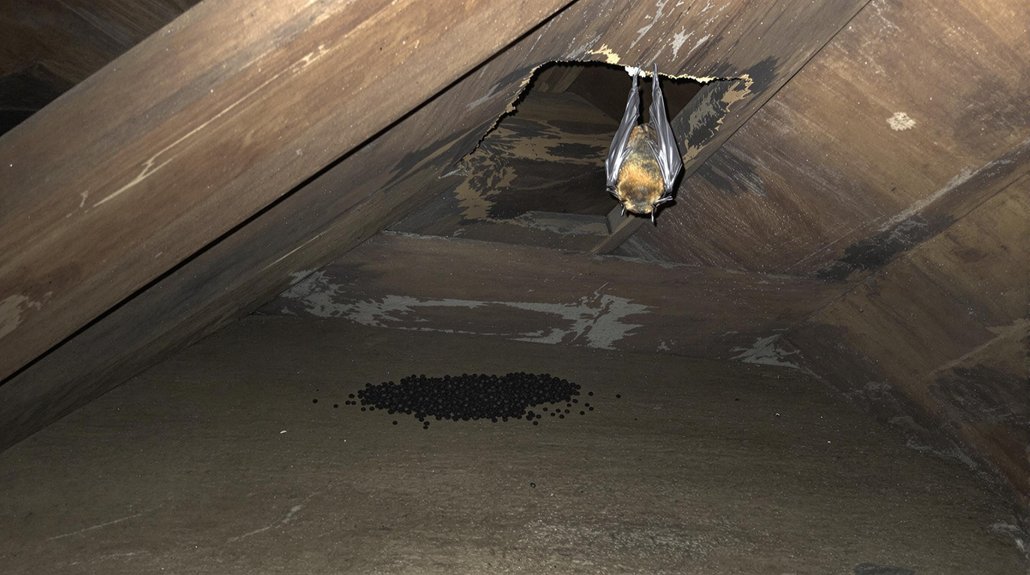
    To recognize a bat infestation, look for specific signs. Bat droppings, or guano, are a clear indicator, often found near entry points or roosting areas. You may notice a strong musty odor from accumulated droppings. Additionally, listen for scratching or chirping noises, especially at night, which suggests bat activity. Inspect for small openings in roofs, walls, or eaves that allow entry. Stains on walls from bat oils can also signal their presence. If these signs persist, exploring further will provide deeper insights and may guide you toward effective solutions.

    Key Article Highlights

    • Look for guano (bat droppings) near entry points, which are small, dark, and pellet-like in shape.
    • Detect a musty odor from accumulated droppings, indicating a potential bat roost nearby.
    • Notice scratching or movement noises in walls or ceilings, especially during the night when bats are active.
    • Check for small entry points around roofs, vents, and eaves that allow bats to enter your property.
    • Observe bats flying in and out of your property during dusk or dawn, peak times for their activity.

    Common Signs of Infestation

    Recognizing a bat infestation can be essential for maintaining a safe and healthy environment. Bats can cause damage to property and pose health risks through their droppings and potential disease transmission. Understanding common signs of bat presence is vital for effective infestation prevention.

    One clear indicator of bat behavior is the presence of guano, or bat droppings. These droppings are often found near entry points or roosting areas. Another sign is the presence of a strong, musty odor that can result from large accumulations of guano. Additionally, you may notice stains or marks on walls or ceilings, which can be caused by oils from the bats' fur.

    Look for small openings around roofs, vents, and eaves. Bats can squeeze through surprisingly small spaces. If you observe bats flying in and out during dusk or dawn, this behavior often indicates a nearby roosting site. Addressing these signs promptly can help prevent a full-blown infestation. By recognizing these common signs early, homeowners can take proactive steps to mitigate the risks associated with bats and maintain a healthy living environment.

    Noises Indicating Bat Activity

    One way to recognize bat activity is by listening for specific noises. Scratching sounds in walls, high-pitched echolocation calls, and frequent fluttering at dusk are all indicators that bats may be present. Paying attention to these sounds can help determine if an infestation is occurring.

    Scratching Sounds in Walls

    The faint scratching sounds echoing from within your walls can be a telltale sign of a bat infestation. These noises often indicate the presence of bats engaging in their typical behaviors, such as nesting or moving around. Over time, these activities can lead to significant wall damage. Understanding the nature of these sounds is vital for addressing the issue promptly.

    Here are four key indicators of bat behavior associated with scratching sounds:

    1. Time of Day: Bats are nocturnal creatures. If you hear scratching noises primarily at night, it is likely they are active.
    2. Location: Pay attention to where the sounds are coming from. Bats often prefer dark, confined spaces like attics, walls, or eaves.
    3. Consistency: Scratching sounds that occur regularly suggest an established presence rather than a one-time visitor.
    4. Accompanying Noises: If you hear chirping or squeaking along with scratching, this may indicate a larger colony is present.

    If you observe these signs, it is essential to consult a professional to assess the situation and prevent further damage.

    High-Pitched Echolocation Noises

    Hearing high-pitched echolocation noises can be a clear indicator of bat activity in your home. Bats use these sounds for navigation and communication. The noises are typically beyond the range of human hearing, often falling in the sound frequency of 20 kHz to 100 kHz. This means that humans may not perceive these sounds, but specialized devices can detect them.

    Echolocation is an integral part of bat communication. Bats emit high-frequency sounds that bounce off objects, helping them locate prey and avoid obstacles. If you hear these high-pitched noises, especially during dusk or nighttime, it may suggest that bats are present in your attic or walls.

    Understanding these sound patterns is vital for identifying a potential infestation. If you suspect bat activity, consider using a bat detector to confirm the presence of these high-frequency sounds. Additionally, it is wise to consult with a professional wildlife removal service. They can provide advice on safely addressing the issue while respecting the ecological importance of bats. Recognizing the significance of high-pitched echolocation noises is an important step in managing a bat infestation effectively.

    Frequent Fluttering at Dusk

    Frequent fluttering noises at dusk can indicate the presence of bats in your vicinity. This dusk activity is an essential part of bat behavior as they emerge from their roosts to forage for food. Bats are nocturnal creatures, and their activity often peaks during twilight hours. Recognizing the sounds they make can help you identify an infestation.

    Here are some key characteristics of fluttering noises associated with bats:

    1. Location: Listen near eaves, attics, or trees where bats may roost.
    2. Timing: Fluttering is most pronounced at dusk, as bats take flight to hunt.
    3. Volume: The sounds can vary from light flutters to more pronounced wing beats, depending on the species.
    4. Pattern: Look for irregular, rapid changes in sound, which reflect the bats' agile flight.

    Understanding these aspects of bat behavior can assist you in determining if you have a bat infestation. If you hear frequent fluttering at dusk, it is advisable to investigate further to assess the situation and consider appropriate measures.

    Visual Evidence of Bats

    Recognizing visual evidence of bats is essential for identifying an infestation early. Observing bats in their natural habitat can provide vital insights. Look for specific bat coloration patterns, which can vary widely among species. Some bats have dark brown or black fur, while others may display lighter shades or even reddish tones.

    Additionally, pay attention to bat wing shapes. Bats typically have elongated wings that enable them to maneuver swiftly through the air. These wings can appear narrow or broad, depending on the species. For instance, the large brown bat has wide wings, while the little brown bat features more slender wings.

    When observing bats, their flight behavior can also be indicative. They often fly in erratic patterns, swooping and diving to catch insects. This behavior, along with their distinctive wing shapes, helps distinguish them from birds.

    If you notice signs of bats entering or exiting a structure, take note of the time and location. Early identification through visual evidence can help in managing a potential infestation effectively. Always consult with a professional if you suspect bats in your vicinity.

    Understanding Bat Droppings

    Bat droppings, commonly known as guano, serve as a key indicator of an infestation. Understanding droppings identification is essential for recognizing the presence of bats in a space. Different bat species produce droppings that vary in size, shape, and appearance. Recognizing these differences can help determine the type of bats present and the extent of the infestation.

    Here are four key characteristics to evaluate when identifying bat droppings:

    1. Size: Bat droppings are typically small, ranging from 1/8 to 1/2 inch in length. Some species produce larger droppings.
    2. Shape: Most bat droppings are elongated and cylindrical, resembling small pellets or rice grains.
    3. Color: Fresh droppings appear dark brown or black and may have a shiny sheen. As they dry, they become lighter and more crumbly.
    4. Texture: Fresh guano is soft and moist, while older droppings become hard and brittle.

    Being aware of these characteristics can aid in the effective identification of bat droppings, helping property owners take appropriate action against infestations.

    Entry Points and Access Areas

    Entry points and access areas are critical factors in identifying a bat infestation within a structure. Bats typically enter buildings through small openings. These can include gaps in roofs, cracks in walls, and spaces around windows and doors. Identifying these entry points is essential to understand the extent of an infestation.

    Common access areas for bats are often found in attics, basements, and eaves. Bats prefer locations that provide shelter and protection, making attics prime targets. Inspecting these areas thoroughly can reveal signs of entry, such as droppings or bat urine stains. Additionally, look for chewed or damaged areas around potential entry points, as bats can create openings larger than initially observed.

    It is important to conduct inspections during dusk or dawn when bats are most active. This can help pinpoint their roosting locations and preferred access areas. By understanding where bats are entering, property owners can take necessary steps to seal these points effectively. Proper identification of these entry points is the first step in controlling and preventing bat infestations, ensuring a safer living environment.

    Health Risks Associated With Bats

    The presence of bats in a building can pose significant health risks to occupants. These risks are primarily linked to disease transmission and allergic reactions. Bats are known carriers of various pathogens that can affect human health. Understanding these risks is essential for maintaining a safe environment.

    1. Rabies: Bats can transmit rabies, a viral disease that affects the nervous system and is often fatal if untreated.
    2. Histoplasmosis: This fungal infection arises from bat droppings, or guano, and can cause respiratory issues when spores become airborne.
    3. Allergic Reactions: Exposure to bat droppings and urine can trigger allergic reactions in sensitive individuals, leading to symptoms like sneezing, coughing, and skin irritation.
    4. Candidiasis: This yeast infection can occur due to an overgrowth of fungi found in bat habitats, affecting the respiratory system.

    Immediate action is necessary to address these health concerns. Regular inspections and prompt removal of bats and their droppings can help reduce the risks associated with bat infestations. Being aware of these health risks guarantees the well-being of all building occupants.

    When to Call Professionals

    In situations where a bat infestation is suspected, it is vital to know when to seek professional assistance. Bats can pose serious health risks, and handling them without proper training can be dangerous. If you notice signs of bats, such as droppings or sounds in your attic, do not attempt to remove them yourself. Professional bat removal services are equipped with the right tools and expertise.

    You should call professionals if you see bats entering or exiting your home, find a dead bat, or hear scratching noises. Additionally, if you have been exposed to bats or suspect rabies, immediate action is necessary. A professional inspection can help determine the extent of the infestation and identify entry points. This inspection is important for effective removal and prevention of future issues.

    Attempting to manage a bat problem without expertise can lead to further complications and health risks. Professionals not only guarantee safe removal but also provide valuable advice on how to secure your property against bats. Remember, when in doubt, it is always best to rely on trained experts to handle bat infestations.

    Frequently Asked Questions

    Can Bats Infest Residential Areas During Winter Months?

    Like a quiet storm, bat activity can shift during winter months. While many bats hibernate, some species may seek shelter in residential areas, displaying unusual winter behavior that could indicate potential infestations.

    How Can Bats Be Removed Humanely From My Property?

    To guarantee humane removal of bats from your property, employ bat exclusion techniques. This involves sealing entry points and using one-way doors, allowing bats to exit while preventing re-entry, thereby promoting safe coexistence with wildlife.

    What Are the Best Prevention Methods for Bat Infestations?

    An ounce of prevention is worth a pound of cure. Effective bat-proofing techniques include sealing entry points and employing exclusion methods, such as installing one-way doors, to guarantee bats cannot re-enter your property after removal.

    Are Certain Bat Species More Prone to Infestations?

    Certain common bat species, such as the little brown bat, are more likely to adapt to urban environments. Their behavior in cities often leads to increased interactions with humans, sometimes resulting in infestations.

    How Do I Distinguish Between Bats and Other Wildlife?

    To distinguish bats from other wildlife, observe bat behavior, such as their unique flying patterns and nocturnal activity. Additionally, consider wildlife similarities like size and habitat, but note bats' distinct echolocation and roosting habits.


  • Will Moles Eventually Leave My Yard?

    Will Moles Eventually Leave My Yard?

    Moles may eventually leave your yard, but this depends on several factors. Their presence is closely tied to the availability of food, such as earthworms and grubs. If your yard becomes less appealing, they could seek better sources elsewhere. Moles are territorial and often inhabit the same area for years, so they might remain until conditions change considerably. Seasonal factors also play a role, as food scarcity can drive them to migrate. Understanding their behavior and signs of activity can help manage their presence better. There are various methods to evaluate for encouraging them to leave your property.

    Key Article Highlights

    • Moles may eventually leave your yard if food sources, like grubs and earthworms, diminish or migrate elsewhere.
    • Seasonal changes can influence mole activity, potentially leading them to seek new areas with better resources.
    • Regular yard maintenance, such as reducing moisture and removing food sources, can make your yard less attractive to moles.
    • Natural deterrents, like certain plants and noises, may encourage moles to relocate over time.
    • If conditions persistently remain unfavorable, moles might abandon the area, but this can take time and may not guarantee their departure.

    Understanding Mole Behavior

    Moles are small mammals that play a significant role in soil health. Understanding their behavior can help us appreciate their presence in our yards. Moles primarily live underground, where they spend most of their time digging tunnels. Their social structure is mostly solitary, with moles preferring to live alone. This behavior helps them establish their own territories, reducing competition for resources.

    Mole communication methods are fascinating. They use a variety of sounds and scents to interact with each other, especially during mating season. These signals help them identify potential mates and maintain their territories. While moles do not form large social groups, they can still recognize neighbors through these communication methods.

    In our yards, moles can be seen as beneficial, as they aerate the soil and control insect populations. Learning about their behavior allows us to coexist peacefully with these creatures. By understanding their social structure and communication methods, we can appreciate their role in the ecosystem. This knowledge encourages a positive attitude towards moles, reminding us that they contribute to the health and balance of our environment.

    Why Moles Dig Tunnels

    The intricate network of tunnels created by moles serves several crucial purposes in their daily lives. First and foremost, tunnel construction allows moles to navigate their underground environment efficiently. These tunnels provide safe pathways that protect them from predators while they search for food. Moles primarily feed on insects, worms, and other small organisms found in the soil, making their tunnels a crucial resource for foraging.

    Additionally, moles contribute to soil aeration through their digging activities. As they create tunnels, they break up compacted soil, allowing air, water, and nutrients to reach plant roots more effectively. This process enhances soil health and promotes healthier gardens and landscapes.

    Moreover, the tunnels serve as a habitat for moles, providing shelter from harsh weather conditions. The temperature in the tunnels remains more stable than the surface, offering a comfortable living space.

    Factors Influencing Mole Presence

    The presence of moles in a yard is influenced by several key factors. Soil quality plays a significant role, as well as the availability of food sources like insects and worms. Additionally, environmental changes can impact mole activity and their habitat preferences.

    Soil Quality Impact

    When considering the presence of moles in your yard, soil quality plays an essential role. Healthy soil is rich in soil nutrients and organic matter, which can attract moles. These small mammals thrive in environments where the soil is well-aerated, allowing for easy movement and access to their preferred habitats.

    The amount of organic matter in the soil is particularly important. It provides a breeding ground for insects and other organisms that moles feed on. High levels of organic material can create a diverse ecosystem, which may lead to an increase in mole activity. Conversely, poor soil quality with low nutrients and limited organic matter can deter moles from making a home in your yard.

    Additionally, soil compaction can impact mole presence. Compacted soil restricts their movement and makes it difficult for them to dig. As a result, maintaining good soil quality through proper gardening practices can help reduce the likelihood of moles settling in your yard. Ensuring your soil remains healthy not only benefits your plants but may also influence the presence of unwanted pests like moles.

    Food Availability Factors

    Moles depend greatly on the availability of food sources in their environment. Their primary food sources include earthworms, grubs, and other insects found in the soil. The composition of the mole diet is essential for their survival and overall health. When food is abundant, moles are likely to thrive in an area. However, if food sources become scarce, they may leave in search of better conditions.

    Food competition plays a significant role in determining whether moles will remain in your yard. If other animals, such as voles or larger mammals, compete for the same food sources, moles may find it challenging to secure enough nutrition. This competition can lead to a decrease in their population in your yard, as they may relocate to areas with fewer rivals.

    Additionally, the presence of certain plants or soil conditions can attract or repel their food sources. Hence, maintaining a balanced ecosystem in your yard can help support moles and their food supply. Understanding these factors can provide valuable insights into managing mole presence and ensuring a thriving environment for all species involved.

    Environmental Changes Influence

    Environmental changes can greatly influence the presence of moles in a given area. Habitat alterations, such as landscaping or construction, can disrupt the natural environment that moles rely on for food and shelter. Similarly, climate effects like changes in temperature and rainfall can impact soil conditions and the availability of earthworms, a primary food source for moles.

    The following table highlights key factors affecting mole presence due to environmental changes:

    Factor Description Impact on Moles
    Habitat Alterations Changes in land use or garden design Reduces food and shelter
    Climate Effects Variations in temperature and rain Alters soil moisture and worms
    Soil Quality Compaction or pollution Influences tunneling ability
    Vegetation Changes Loss of plants or grasses Decreases food sources

    Understanding these influences can help homeowners manage their yards better. By mitigating habitat alterations and considering climate effects, it is possible to create a less inviting environment for moles. This, in turn, may encourage these creatures to relocate naturally, allowing for a harmonious living space.

    Signs of Mole Activity

    Detecting signs of mole activity in your yard is essential for understanding their presence and potential impact on your landscape. Moles are small, burrowing animals that can create noticeable changes in your garden. One of the most common signs of mole activity is the appearance of mole tracks, which are often seen as raised tunnels or ridges in the soil. These tracks indicate that moles are actively moving through your yard in search of food.

    Another indicator of mole presence is surface activity. This occurs when moles push soil to the surface, creating small mounds. These mounds can disrupt the look of your lawn and affect the growth of grass and plants. Additionally, you may notice patches of dead grass or uneven ground due to the tunneling beneath the surface.

    Are Moles Territorial Creatures?

    Territorial behavior is a notable aspect of mole life. Moles are known to establish territories that they defend from other moles. This behavior is vital for their survival, as it helps guarantee access to food and safe nesting areas. The concept of mole hierarchy plays a significant role in this territoriality. Each mole has a specific area that they claim as their own, and they will often engage in territorial disputes with other moles that intrude upon this space.

    These disputes can vary in intensity, sometimes leading to physical confrontations. Moles communicate their boundaries through scent marking, which helps to deter others from entering their territory. This natural instinct to defend their space is critical for maintaining their population and resources.

    While moles may seem solitary, their social structure is complex. Understanding their territorial behavior can help homeowners manage mole activity in their yards. By recognizing the signs of these territorial disputes, individuals can gain insight into the presence of moles and take appropriate measures if necessary. Overall, awareness of mole hierarchy and territorial disputes can aid in the effective management of these creatures in residential areas.

    Natural Predators of Moles

    Moles face a variety of natural predators that help regulate their populations in the wild. These predators play an important role in maintaining ecological balance. By preying on moles, they help guarantee that the mole population does not grow excessively, which can disrupt local ecosystems.

    Natural Predator Description
    Owls Nocturnal hunters with keen eyesight that can locate moles underground.
    Foxes Agile and clever animals that dig and hunt for moles in their burrows.
    Snakes Some snake species can invade mole tunnels and catch them by surprise.

    These natural predators vary in habitat and hunting methods, showcasing the diversity of nature. Their presence is crucial for controlling mole numbers. While moles can cause problems in gardens and lawns, it is important to understand their role in the food chain. By allowing natural predators to thrive, we can support a healthier ecosystem. Encouraging these predators can help manage mole populations naturally, providing a balanced approach to yard care while respecting wildlife.

    Seasonal Movements of Moles

    Understanding the behavior of moles includes examining their seasonal movements. Moles are known for their specific mole migration patterns, which change with the seasons. During the spring, moles become more active as they search for food and prepare for breeding. This is a vital time for their seasonal breeding habits, as males will often expand their territories to find mates.

    As summer arrives, moles continue to dig and create extensive tunnel systems. They focus on establishing their homes and raising their young. The warm weather allows them to thrive, and they can be found actively searching for insects and worms.

    In the fall, moles may begin to migrate slightly as they prepare for the colder months. They seek areas with abundant food sources to sustain themselves through winter. During this time, their activity may decrease as they conserve energy.

    In winter, moles remain underground, and their movements become minimal. They often stay in their established tunnels, relying on stored food. Understanding these seasonal movements can help homeowners anticipate mole activity, allowing for better management strategies in yards.

    Impact of Food Sources

    Moles primarily feed on earthworms, grubs, and other small invertebrates in the soil. The availability of these food sources can vary with the seasons, affecting mole activity and movements. Understanding their food preferences and seasonal changes is important for managing mole populations in yards.

    Preferred Food Sources

    When observing the activity in my yard, it's clear that the food sources available greatly influence mole behavior and population. Moles have specific food preferences that guide their movement and tunneling patterns. They primarily feed on earthworms, grubs, and insects found in the soil. This diet helps them thrive in areas where these food sources are abundant.

    Preferred plants in the garden can also impact mole activity. Certain plants attract insects or provide a rich environment for earthworms, which moles find appealing. For instance, healthy lawns and gardens with moist soil often support larger populations of these food sources. Consequently, when moles find a yard rich in their preferred food, they are more likely to stay and establish their presence.

    Understanding these food preferences allows homeowners to manage their yards effectively. By selecting plants that minimize insect populations or adjusting garden practices, it is possible to reduce the appeal for moles. This can lead to a decrease in their activity, helping to maintain a healthier yard while serving the needs of the ecosystem. Ultimately, being aware of what attracts moles can guide efforts to encourage a more balanced environment.

    Seasonal Food Availability

    How does seasonal food availability affect mole activity in a yard? Moles primarily feed on earthworms and grubs, which can vary in number throughout the year. During spring and summer, when food is abundant, moles are more active, digging tunnels to hunt for their preferred meals. This increased activity is often noticeable in yards, as moles create visible mounds of soil.

    As seasons change, so do food sources. In autumn and winter, food scarcity becomes a concern for moles. Some may engage in seasonal migration, seeking areas with better food availability. This movement can lead moles to leave a yard if they find more suitable conditions elsewhere.

    In addition, colder temperatures can reduce the activity of earthworms, leading to fewer food options for moles. When moles cannot find enough food, they may dig deeper or move to other locations, which can create changes in their presence in your yard. Understanding seasonal food availability can help homeowners prepare for and address mole activity, ensuring a balance in yard ecosystems while promoting a healthy environment for both moles and other wildlife.

    Management and Control Options

    Effective management and control options for moles can help homeowners maintain a healthy yard. Homeowners have several approaches to evaluate when dealing with moles. One of the most common methods is trapping. Trapping methods can effectively capture moles without harming other wildlife. It is crucial to place traps in active tunnels for the best results.

    Another option is using chemical repellents. These products can deter moles from certain areas, but their effectiveness may vary. It is important to follow the instructions carefully to guarantee safety and efficacy.

    Habitat modification is also a useful strategy. By changing the landscape, such as reducing excess moisture or removing food sources, homeowners can make their yards less attractive to moles. This method encourages moles to seek other areas for shelter and food.

    For severe infestations, professional extermination may be necessary. Experts can assess the situation and provide tailored solutions that fit the specific needs of the property. Each of these management and control options offers a way to address the presence of moles while aiming to preserve the overall health of the yard.

    Long-Term Solutions for Homeowners

    Seeking sustainable solutions for mole control can lead to a healthier yard over time. Homeowners can implement various strategies to encourage moles to move on while improving their landscape. Two effective approaches include habitat modification and mole repellent methods.

    Habitat modification involves changing the environment to make it less appealing to moles. This can include reducing food sources, such as grubs and insects, and maintaining healthy soil. On the other hand, mole repellent methods can deter moles without harming them. These may include natural repellents or planting specific flowers that moles dislike.

    To summarize these methods, the following table illustrates the key approaches:

    Method Description Benefits
    Habitat Modification Altering the environment Reduces food sources for moles
    Mole Repellent Using natural deterrents Safe for the ecosystem
    Regular Maintenance Keeping the yard clean and healthy Discourages mole activity

    Frequently Asked Questions

    Do Moles Prefer Certain Types of Soil for Tunneling?

    Moles exhibit specific tunneling preferences influenced by soil composition. They favor loose, well-aerated soils rich in organic matter, which facilitate easy movement and access to their primary food sources, such as insects and earthworms.

    Can Moles Cause Damage to Tree Roots in My Yard?

    Moles exhibit behaviors that can lead to root damage in trees. Their tunneling can disrupt soil structure and negatively impact root systems, potentially harming tree health and stability over time if not managed appropriately.

    How Deep Do Moles Typically Dig Their Tunnels?

    Ironically, while moles are often considered pests, their burrowing habits reveal a fascinating aspect of nature. Typically, their tunnel depth ranges from 6 to 12 inches, showcasing their remarkable underground engineering skills.

    What Time of Day Are Moles Most Active?

    Moles exhibit specific mole behavior, primarily being most active during twilight hours and nighttime. Their limited daytime activity helps them avoid predators, allowing them to forage for food and maintain their extensive tunnel systems efficiently.

    Will Using Repellents Effectively Keep Moles Away?

    In a case study, a homeowner used natural repellents like castor oil alongside ultrasonic devices to deter moles. While results vary, these methods may help reduce mole activity in residential areas effectively.

  • Michigan Laws Regarding Nuisance Squirrels

    Michigan laws regarding nuisance squirrels require property owners to manage them responsibly and humanely. Squirrels are considered a nuisance if they invade homes or cause disruptions. Homeowners must use humane control methods, such as live traps and exclusion techniques, to address these issues. It is also essential to document squirrel activity and report it to local animal control when necessary. The laws emphasize the importance of balancing wildlife protection with property rights. For those looking to understand more about prevention and control measures, additional insights are available for further exploration.

    Key Article Highlights

    • Squirrels are classified as nuisance wildlife in Michigan if they invade homes or cause property damage.
    • Property owners must comply with state regulations for managing nuisance squirrels, emphasizing humane treatment.
    • Permitted control methods include trapping, exclusion, habitat modification, and repellents, in accordance with wildlife protection laws.
    • Homeowners are responsible for documenting squirrel activity and reporting issues to local animal control or wildlife agencies.
    • Non-compliance with state regulations regarding nuisance squirrels can result in legal penalties for property owners.

    Understanding Nuisance Squirrels

    Nuisance squirrels can be a common problem for homeowners in Michigan. These animals are part of urban wildlife and have adapted well to city environments. Understanding squirrel behavior is essential for managing their presence effectively. Squirrels are known for their agile movements and ability to climb structures, which often leads them to invade attics and gardens.

    They are primarily active during the day and can be seen foraging for food. Their diet includes nuts, fruits, and even birdseed, which can attract them to residential areas. Squirrels are territorial and may become aggressive if they feel threatened. Their presence can lead to damage, as they may chew on wires, insulation, and wood.

    Homeowners may notice signs of squirrel activity, such as droppings or gnaw marks. It is important to take preventive measures to deter them, such as securing trash cans and closing entry points to homes. Understanding these behaviors can help homeowners reduce conflicts with squirrels, ensuring a more harmonious living environment. By recognizing their habits, residents can take steps to protect their property while coexisting with these urban wildlife creatures.

    Legal Definitions and Regulations

    In Michigan, the legal definitions surrounding nuisance wildlife, including squirrels, are outlined by state regulations that aim to balance animal welfare with property protection. The term "nuisance" is often applied to wildlife that causes damage to property or poses a threat to public safety. Squirrels may be classified as a nuisance if they invade homes, destroy gardens, or disrupt local ecosystems.

    Wildlife regulations in Michigan specify the responsibilities of property owners in managing nuisance squirrels. These regulations also establish the rights of the animals themselves, ensuring that humane treatment is prioritized. Legal terminology related to these issues includes terms like "take," which refers to capturing or killing animals under specific circumstances.

    It is essential for residents to understand these definitions and regulations to navigate the complexities of dealing with nuisance squirrels. Failure to comply with wildlife regulations can lead to legal penalties. Consequently, being informed about the legal framework and the appropriate actions to take is vital for effective management of nuisance wildlife issues. This knowledge empowers property owners to act responsibly while respecting both their rights and the welfare of the animals involved.

    Permitted Control Methods

    How can property owners effectively manage nuisance squirrels while adhering to Michigan's regulations? Understanding permitted control methods is essential for responsible management. Michigan law emphasizes the use of humane methods in dealing with these animals. Here are some effective strategies:

    1. Trapping Techniques: Use live traps to capture squirrels without harming them. These should be checked frequently to guarantee the animals do not suffer.
    2. Exclusion: Seal entry points to homes and attics. This prevents squirrels from accessing areas where they can cause damage.
    3. Habitat Modification: Remove food sources by securing trash cans and cleaning up fallen fruit or nuts. This discourages squirrels from frequenting your property.
    4. Repellents: Consider using natural repellents like predator urine or commercial products designed to deter squirrels without causing harm.

    Utilizing these methods not only aligns with Michigan's wildlife protection laws but also promotes a humane approach to managing nuisance squirrels. By implementing these strategies, property owners can effectively reduce squirrel problems while respecting the local ecosystem.

    Reporting Nuisance Squirrels

    When dealing with persistent squirrel issues, property owners may need to report the situation to local authorities. Proper reporting is essential for effective wildlife management and helps guarantee that the situation is handled according to state regulations. Property owners should document specific squirrel behavior, such as nesting in attics, excessive noise, or damage to property. This information can assist local wildlife officials in determining the severity of the problem.

    Once the behavior is documented, property owners can contact their local animal control or wildlife management agency. It is advisable to provide clear details about the squirrel activity, including the location and frequency of sightings. This information enables authorities to assess the situation and decide on appropriate measures.

    It is important to understand that squirrels are protected under Michigan law, and any control measures must comply with regulations. Reporting the issue helps maintain a balance between protecting wildlife and addressing nuisance situations. By engaging with local authorities, property owners can guarantee that their concerns are addressed professionally and humanely, promoting a safe living environment while respecting wildlife.

    Best Practices for Prevention

    Implementing preventive measures is essential for minimizing squirrel problems in residential areas. Homeowners can effectively manage nuisance squirrels through specific strategies that incorporate squirrel proofing techniques and habitat modifications. Here are four best practices to evaluate:

    1. Secure Food Sources: Store birdseed, pet food, and garbage in squirrel-proof containers. This reduces the attraction of these animals to your yard.
    2. Modify the Landscape: Trim tree branches that are close to your home. This limits access points and makes it harder for squirrels to reach roofs and attics.
    3. Install Barriers: Use metal mesh or wire to cover vents, chimneys, and other openings. This is an effective way to prevent squirrels from entering buildings.
    4. Remove Nesting Sites: Clear away any debris, such as piles of wood or dense shrubs, that may serve as potential nesting areas for squirrels.

    Frequently Asked Questions

    Can I Relocate Squirrels Myself Without a Permit?

    Relocating squirrels without a permit is like steering through a maze blindfolded; the rules can be complex. Squirrel relocation often requires understanding local permitting requirements, so it's best to consult local wildlife regulations before proceeding.

    What Should I Do if a Squirrel Enters My Home?

    If a squirrel enters your home, prioritize safe squirrel removal. Seal entry points to prevent future incidents and maintain a clean environment to discourage nesting. Regular home prevention measures are essential for keeping wildlife outside.

    Are There Specific Times of Year to Avoid Dealing With Squirrels?

    Squirrels have seasonal nesting habits, with a peak in activity during spring and fall. Engaging with them during these times can be less effective, as their behavior patterns lead to increased home entry attempts.

    Can My Pet Be Harmed by Nuisance Squirrels?

    Nuisance squirrels can pose risks to pets due to their unpredictable behavior. Pet safety should be prioritized, as aggressive encounters or potential transmission of diseases may occur. Monitoring interactions between pets and squirrels is advisable for prevention.

    How Can I Tell if Squirrels Are Causing Property Damage?

    To determine if squirrels are causing property damage, conduct a thorough property inspection. Look for signs of squirrel behavior, such as chewed wires, gnawed wood, or nesting materials, which indicate potential damage to your property.

  • Michigan Laws Regarding Nuisance Wildlife

    Michigan Laws Regarding Nuisance Wildlife

    Michigan laws regarding nuisance wildlife focus on the management of animals that disrupt human activities. Common nuisance species include raccoons, skunks, and squirrels. Property owners have the responsibility to prevent these animals from causing damage by using protective measures like securing garbage and maintaining their property. The Michigan Department of Natural Resources regulates control methods, which include trapping and humane relocation. It is important for residents to understand local regulations and report nuisance wildlife appropriately. Knowing how to handle these situations can help guarantee effective and ethical management of wildlife issues. More information can help clarify these responsibilities.

    Key Article Highlights

    • Michigan laws govern the management of nuisance wildlife to maintain ecological balance and protect certain endangered species.
    • Property owners are responsible for understanding and complying with local regulations regarding nuisance wildlife encounters.
    • Permitted control methods include trapping and relocation, following state regulations and ensuring humane treatment of animals.
    • Education on local wildlife behaviors is essential for reducing conflicts and ensuring legal handling of nuisance species.
    • Reporting nuisance wildlife issues should be directed to local wildlife agencies or animal control for assistance and guidance.

    Definition of Nuisance Wildlife

    Nuisance wildlife refers to animals that cause problems for humans or disrupt human activities. This category can include various species that, while part of the natural ecosystem, can create issues when their populations grow too large or when they encroach on urban areas. Wildlife classification identifies these animals as nuisances based on their behavior and impact on human life.

    Nuisance definitions often highlight the damage these animals can inflict. For instance, they may destroy crops, damage property, or pose health risks. Common examples include raccoons, skunks, and squirrels. These animals may invade homes or gardens, leading to frustration for residents.

    In addition to physical damage, nuisance wildlife can disrupt daily activities. Their presence can deter people from enjoying outdoor spaces or using their properties. Understanding nuisance wildlife is crucial for effective management. It helps communities develop strategies to minimize conflicts and guarantee safety.

    Common Nuisance Species in Michigan

    In Michigan, several species are commonly recognized as nuisances due to their interactions with human activities. Among these, squirrels and raccoons often create problems for residents. Squirrel behavior can lead to damage in attics and gardens. They are notorious for chewing on wires and nesting in inconvenient places. Their persistent foraging can disrupt landscaping efforts, making them a frequent concern for homeowners.

    Raccoon habits also contribute to their nuisance status. These animals are highly adaptable and often rummage through trash bins in search of food. Their dexterous paws allow them to open containers that are not securely closed. This behavior not only creates a mess but can also attract other wildlife. Raccoons are known to invade attics as well, seeking shelter and food, which can lead to structural damage.

    Both species are drawn to urban environments due to the abundance of food and shelter. Understanding their behaviors can help in managing their presence. Homeowners can take proactive steps to deter them, such as securing trash and sealing entry points. By addressing these common nuisances, residents can reduce conflicts with wildlife in Michigan.

    Legal Protections for Wildlife

    Legal protections for wildlife in Michigan reflect a commitment to maintaining ecological balance. These laws are crucial for wildlife conservation and guarantee the protection of various species. The state recognizes that healthy ecosystems rely on diverse animal populations. Consequently, regulations are in place to safeguard animals from harm and exploitation.

    Michigan's laws prohibit the hunting or trapping of certain protected species. This includes endangered and threatened animals. These protections support animal welfare by guaranteeing that vulnerable populations can thrive in their natural habitats. In addition, wildlife rehabilitation centers play an important role in caring for injured or orphaned animals, reinforcing the state's commitment to protecting wildlife.

    Furthermore, the Michigan Department of Natural Resources oversees wildlife management. They monitor wildlife populations and implement strategies that promote conservation. Education and outreach programs raise public awareness about the importance of respecting wildlife.

    Property Owner Responsibilities

    As property owners, individuals have a responsibility to manage interactions with wildlife on their land. This includes understanding the balance between wildlife responsibilities and property rights. Property owners must recognize that wildlife is part of the ecosystem and deserves respect. However, when wildlife becomes a nuisance, owners are tasked with finding effective solutions.

    First, property owners should take preventive measures. This can include securing garbage, fencing gardens, and using repellents. By minimizing attractants, owners can reduce unwanted wildlife visits. Additionally, they should educate themselves about local wildlife species and their behaviors. Understanding the habits of these animals can help in devising better strategies for coexistence.

    If wildlife does become problematic, property owners are responsible for addressing the situation legally and ethically. This means following local laws and guidelines regarding nuisance wildlife. In Michigan, specific regulations dictate how to handle such encounters. Owners must act within the law while protecting their property.

    Reporting Nuisance Wildlife

    Addressing nuisance wildlife often requires reporting the issue to the appropriate authorities. The first step in this process is to understand the reporting procedures in Michigan. Residents should take note of the specific wildlife causing problems. Common nuisances include raccoons, squirrels, and skunks.

    Once you identify the animal, gather as much information as possible. Document the location, time, and nature of the nuisance complaints. This information will help authorities assess the situation effectively.

    Next, contact your local wildlife agency or animal control. Many municipalities have dedicated hotlines for reporting nuisance wildlife. Provide them with the details you have collected. This will guarantee a prompt response.

    It is essential to remember that not all wildlife interactions qualify as nuisances. The authorities will determine if the situation requires intervention based on the information you provide.

    In Michigan, residents can also report nuisance wildlife online through official state websites. This option can be convenient for those who prefer digital communication.

    Permitted Wildlife Control Methods

    In Michigan, there are specific methods allowed for controlling nuisance wildlife. Trapping and relocation are common practices, as well as exclusion techniques to prevent animals from entering properties. These methods help manage wildlife issues while adhering to state laws.

    Trapping and Relocation

    While managing nuisance wildlife can be challenging, trapping and relocation are often considered effective and humane methods. These techniques allow property owners to address wildlife issues without causing harm. Understanding proper trapping techniques is fundamental.

    When employing traps, consider the following:

    • Use approved traps: Verify that the traps you select meet state regulations and are suitable for the target species.
    • Choose the right placement: Position traps in areas frequented by the wildlife. This increases the chances of a successful capture.
    • Check traps regularly: Frequent monitoring is essential. This guarantees the humane treatment of captured animals and compliance with local laws.

    Once wildlife is trapped, relocation methods must be applied carefully. Relocating animals should only occur in designated areas. It is critical to follow local guidelines to prevent negative impacts on native wildlife and ecosystems. Additionally, some species may require specialized handling or permits for relocation.

    Exclusion Techniques

    Exclusion techniques are vital for preventing nuisance wildlife from entering properties. These methods focus on creating exclusion barriers that block access points for various wildlife species. Conducting wildlife assessments is the first step in identifying potential entry areas.

    The following table outlines common exclusion techniques:

    Technique Description Effectiveness
    Sealing Cracks Use caulk or steel wool to seal gaps. High
    Installing Fencing Build a barrier around the perimeter. Moderate to High
    Mesh Screens Place screens over vents and windows. High
    Proper Waste Management Secure trash in containers. High
    Tree Trimming Cut branches away from the roof. Moderate

    Each of these techniques helps in reducing the likelihood of wildlife intrusion. Proper implementation is imperative for success. Homeowners should regularly assess their properties to guarantee that these exclusion barriers remain intact. By taking proactive measures, property owners can considerably reduce the risk of nuisance wildlife problems in Michigan.

    Non-lethal Management Techniques

    Non-lethal management techniques are important for addressing nuisance wildlife in Michigan. Habitat modification strategies can make areas less inviting for these animals. Additionally, repellents and deterrents serve as effective tools to keep wildlife away without causing harm.

    Habitat Modification Strategies

    To effectively manage nuisance wildlife, habitat modification strategies can play a crucial role. These strategies aim to change the environment, making it less appealing to certain species. Implementing habitat restoration and creating wildlife corridors are essential elements of this approach.

    Consider the following strategies:

    • Remove Food Sources: Clear away birdseed, pet food, and other attractants. Secure trash bins to limit easy access.
    • Modify Landscaping: Use native plants that do not attract unwanted wildlife. Maintain a tidy yard to reduce hiding places.
    • Create Barriers: Install fences or netting to deter animals from entering gardens or specific areas.

    Habitat restoration can improve the ecosystem for beneficial species. By enhancing natural habitats, we promote a balanced environment. Additionally, wildlife corridors allow animals to travel safely, reducing conflicts with human activities.

    These habitat modification strategies not only help control nuisance wildlife but also support biodiversity. By understanding and implementing these techniques, we contribute to a healthier ecosystem while minimizing human-wildlife interactions. This all-encompassing approach fosters coexistence, promoting a sustainable future for both wildlife and humans.

    Repellents and Deterrents

    Repellents and deterrents are essential tools for managing nuisance wildlife without causing harm. These methods can effectively keep animals away from areas where they are not wanted. Natural repellents are one option. They can include strong-smelling substances like garlic, vinegar, or citrus. These scents often deter animals, making them less likely to invade gardens or homes.

    Another effective method involves electronic deterrents. These devices emit sounds or lights that are uncomfortable for wildlife. For example, ultrasonic devices can create high-frequency sounds that are inaudible to humans but disturbing to animals. Motion-activated lights can startle wildlife, encouraging them to leave the area.

    When using repellents and deterrents, it is important to apply them regularly. Wildlife may adapt to certain smells or sounds over time. Consequently, varying the types of repellents or changing locations can enhance effectiveness. Always follow local regulations when using these techniques.

    Ultimately, repellents and deterrents provide a humane way to manage nuisance wildlife. They allow property owners to protect their space while respecting the animals' right to exist in their natural habitats.

    State and Local Regulations

    Numerous state and local regulations govern the management of nuisance wildlife in Michigan. These rules are designed to protect both the public and wildlife. Understanding these regulations is vital for effective wildlife management.

    State regulations outline the legal framework for dealing with nuisance wildlife. They specify which species are considered nuisance animals and the methods that can be used to control them. Local ordinances can vary by municipality, adding another layer of regulation. It is important to check both state and local laws before taking action.

    Key points to remember include:

    • Species Identification: Know which animals are classified as nuisances in your area.
    • Control Methods: Familiarize yourself with approved methods for managing these animals.
    • Licensing Requirements: Be aware of any permits or licenses needed for control activities.

    These regulations are in place to guarantee ethical and safe handling of wildlife situations. Violating state regulations or local ordinances can result in fines or other penalties. As a result, always consult the relevant laws before proceeding with any wildlife management efforts.

    Resources for Assistance

    When dealing with nuisance wildlife, seeking assistance from the right resources can make the process easier and more effective. In Michigan, there are various community resources available to help residents manage wildlife issues. Local wildlife rehabilitation centers are valuable options. These centers offer guidance on how to handle injured or orphaned animals. They can provide advice on the best practices for care and relocation.

    Additionally, the Michigan Department of Natural Resources (MDNR) is a key resource. Their website provides information on laws, regulations, and best practices for dealing with nuisance wildlife. They also offer contact information for licensed professionals who can assist with wildlife removal.

    Local animal control agencies may also be helpful. They can respond to specific wildlife concerns and may work alongside wildlife rehabilitators. Engaging with these community resources can guarantee that the situation is handled humanely and effectively.

    Furthermore, education is essential. Understanding local wildlife behavior can prevent future problems. Many online resources and workshops are available for those looking to deepen their knowledge. Utilizing these community resources will lead to better outcomes for both residents and wildlife in Michigan.

    Frequently Asked Questions

    What Should I Do if I Accidentally Harm Nuisance Wildlife?

    If you accidentally harm nuisance wildlife, seek immediate assistance from a licensed wildlife rehabilitation expert. Understand the potential legal consequences of your actions, as they can vary based on local regulations and the species involved.

    Are There Any Specific Seasons for Trapping Nuisance Wildlife in Michigan?

    In the age of yore, trapping regulations were less structured. Today, seasonal guidelines in Michigan dictate specific times for trapping nuisance wildlife, ensuring humane practices and ecological balance. Adhering to these regulations is essential for successful trapping.

    Can I Relocate Nuisance Wildlife Myself?

    Relocating nuisance wildlife yourself can be problematic. Wildlife regulations often prohibit personal relocation methods. It is advisable to contact local authorities or wildlife control professionals to guarantee compliance with laws and safe handling of the animals.

    What Fines Exist for Violating Nuisance Wildlife Laws in Michigan?

    Nuisance wildlife fines in Michigan can vary based on the specific wildlife violations penalties. Fines may include monetary penalties, potential restitution costs, and other legal repercussions depending on the severity and nature of the violation.

    How Can I Identify a Nuisance Wildlife Problem on My Property?

    To identify a nuisance wildlife problem, observe wildlife signs such as tracks, droppings, or nests. Conduct a damage assessment to evaluate any harm to property, plants, or structures that may indicate the presence of unwanted wildlife.

We've Merged With Plunkett's / Varment Guard! Learn More

X
Call Now Button