Best Way Animal Removal

Tag: pest control

  • What Is Bat-Proofing and How Does It Benefit Your Home?

    What Is Bat-Proofing and How Does It Benefit Your Home?

    Bat-proofing is an important process that protects homes from bats entering unwanted areas like attics or walls. Bats may bring health risks due to their droppings and can cause property damage. By sealing entry points and removing potential roosting spots, bat-proofing guarantees a safe and clean living environment. This service helps maintain property value and may appeal to future buyers. Additionally, it supports local bat populations, which are crucial for pest control. Understanding the steps involved can further enhance your home's protection against these creatures and keep your living space healthy and safe.

    Key Article Highlights

    • Bat-proofing prevents unwanted bat infestations, protecting your home from potential damage and health risks associated with bat droppings and urine.
    • It involves sealing entry points to eliminate access for bats, ensuring a safe living environment for homeowners.
    • Bat-proofing supports healthy bat populations, aiding in natural pest control and preserving ecological balance.
    • Professional services provide expert assessments, humane removal, and long-term prevention strategies tailored to your home's needs.
    • Implementing bat-proofing can enhance property value by eliminating pest issues, making homes more appealing to potential buyers.

    Understanding Bat-Proofing

    Understanding bat-proofing involves recognizing the importance of safeguarding your home from unwanted bat infestations. Bats can become a problem if they find suitable places to roost. Knowing bat behaviors is key to preventing this issue. Bats are nocturnal, meaning they sleep during the day and are active at night. They seek dark, quiet areas to rest, which often includes attics, basements, or wall cavities.

    Bats have specific habitat preferences, usually favoring spaces that offer protection from the elements and predators. They often enter through small openings, which may be hard to detect. Understanding these habits helps homeowners identify potential entry points and take action.

    Common Signs of Bat Infestation

    Bats can be a problem for homeowners, and it is important to recognize the signs of an infestation. Common signs include hearing noises at night, finding droppings or stains, and noticing potential entry points like gaps or holes. Identifying these signs early can help prevent more serious issues later on.

    Nocturnal Noises at Night

    When the sun sets and the world grows quiet, the presence of nocturnal noises can signal an unwanted guest in your home. Bats are common nocturnal animals that can create unsettling nighttime disturbances. Their sounds can range from high-pitched squeaks to rustling noises as they move around. Recognizing these signs can help you address a potential infestation early.

    Here are four common nocturnal noises that may indicate bats in your home:

    1. High-pitched squeaking: This sound often comes from bats communicating with each other.
    2. Flapping wings: The sound of wings can be heard when bats are flying inside your attic or walls.
    3. Rustling: Bats may stir as they settle into their roosting spots, creating rustling noises.
    4. Chirping: Bats may produce short chirps, especially during active periods at dusk and dawn.

    If you hear any of these sounds, it is crucial to investigate further. Not only can bats disrupt your peace, but they can also pose health risks. Early detection will help you take the necessary steps to protect your home.

    Droppings and Stains

    Nocturnal noises can often lead to the discovery of more visible signs of a bat infestation, such as droppings and stains. Bat droppings, known as guano, can be found in areas where bats roost. These droppings are small, dark, and often look like mouse droppings. They can accumulate quickly and create health risks due to potential diseases.

    Stains are another common sign of bat activity. These stains can occur from the oils on a bat's fur or from urine. They often appear as dark streaks on walls, ceilings, or floors near bat entry points. Identifying these stains early is important for effective treatment and prevention.

    When dealing with droppings and stains, proper cleaning is vital. Droppings cleaning should be done carefully to avoid inhaling harmful particles. It is best to wear protective gear and use appropriate cleaning products. For stain removal, simple solutions like vinegar or specialized cleaners can help. However, it is critical to ascertain that the area is safe and free of bats before starting any cleaning process. Addressing droppings and stains promptly can protect your home and maintain a healthy living environment.

    Entry Points Observed

    Signs of entry points are significant indicators of a bat infestation in your home. Understanding these signs can help you address bat behavior and implement effective entry strategies. Bats are known to enter through small openings, so being vigilant is essential. Here are some common signs to look for:

    1. Small Holes: Look for gaps or holes in your roof, eaves, or walls. Bats can squeeze through openings as small as 1/2 inch.
    2. Scratches or Noises: Listen for scratching sounds, especially at dusk or dawn. These sounds may indicate bats moving around in your walls or attic.
    3. Greasy Stains: Bats often leave behind greasy marks around their entry points. Check for dark streaks on walls or entry surfaces.
    4. Dead Bats: Finding dead bats near your home can signal a larger infestation. This is a serious issue that needs immediate attention.

    Identifying these entry points is critical for effective bat-proofing. Early detection helps prevent more significant damage and health risks associated with bat infestations. If you suspect bats, consult a professional for assistance.

    Benefits of Bat-Proofing Your Home

    Bat-proofing your home offers several significant benefits that can enhance both your living environment and property value. First, it helps protect your home from potential damage caused by bats. Bats can create unsanitary conditions, leading to costly repairs if droppings or urine seep into structures. By preventing bats from entering, you maintain a clean and safe space.

    Additionally, bat-proofing supports bat health. Healthy bat populations are essential for controlling insect populations and pollinating plants. By ensuring bats have safe, natural habitats away from human dwellings, you contribute to their ecological impact. This balance is vital for maintaining biodiversity in your area.

    Moreover, bat-proofing can increase your property value. Homebuyers often seek properties that are free from pest issues, and taking this proactive step shows you care for your home. It also reduces the risk of future infestations, making your property more appealing.

    How Bat-Proofing Works

    Bat-proofing involves several key steps to protect your home from bats. First, an inspection is done to find where bats may enter. Then, entry points are sealed, and humane methods are used to encourage bats to leave without harm.

    Inspection and Assessment Process

    Before undertaking any bat-proofing measures, a detailed inspection and assessment of your home are essential. This process helps identify potential entry points and areas where bats may roost. Using proper inspection techniques and assessment criteria guarantees an effective bat-proofing strategy.

    Here are four key steps in the inspection and assessment process:

    1. Visual Inspection: Examine the exterior and interior of your home for signs of bat activity, such as droppings or stained areas. Look for cracks, gaps, or holes that could serve as entry points.
    2. Use of Technology: Employ tools like thermal imaging cameras or bat detectors to locate hidden roosting sites and monitor bat activity during different times of the day.
    3. Documentation: Record your findings carefully. Take notes and photographs to create a clear picture of the situation. This documentation aids in developing a targeted action plan.
    4. Consulting Professionals: If you are unsure about your findings, consider hiring wildlife control experts. They have the experience and tools necessary for a thorough assessment.

    Sealing Entry Points

    Once the inspection and assessment process is complete, the next step involves sealing entry points to prevent bats from accessing your home. This process begins with entry point identification, where potential openings are located. Common entry points include gaps around windows, doors, eaves, and vents. Identifying these areas is essential for effective bat-proofing.

    Once the entry points are identified, the next task is to choose appropriate sealing materials. Common materials include caulk, foam insulation, and wire mesh. These materials are used to close off the openings securely. It is important to use high-quality sealing materials that can withstand outdoor elements and provide a long-lasting solution.

    Proper sealing not only prevents bats from entering but also protects your home from other pests and environmental damage. Sealing entry points is a significant step in bat-proofing, ensuring that your living space remains safe and secure. By taking these measures, you can enjoy peace of mind knowing that your home is protected from unwanted wildlife. To sum up, sealing entry points is a practical and effective strategy in the bat-proofing process.

    Humane Exclusion Methods

    There are several humane exclusion methods available to effectively bat-proof your home. These methods focus on safely removing bats without harming them. This approach not only protects your home but also respects the bats and their role in the environment. Here are four common humane exclusion methods:

    1. Humane Traps: These traps capture bats without injury, allowing for safe relocation to a suitable habitat.
    2. Exclusion Devices: These devices let bats exit your home but prevent their return. They are often installed at entry points.
    3. Seal Entry Points: Once bats are excluded, sealing off any holes or cracks is essential to prevent re-entry. This can include using mesh or caulk.
    4. Professional Help: Hiring a wildlife control expert can guarantee proper application of humane methods and adherence to local laws.

    Steps to Bat-Proof Your Home

    Bat-proofing your home is an essential task for maintaining a safe and healthy living environment. Understanding bat behavior is key to developing effective prevention strategies. Here are some steps to help you bat-proof your home.

    1. Inspect Your Home: Check for cracks and openings in walls, roofs, and eaves. Bats can enter through small spaces.
    2. Seal Entry Points: Use caulk or steel mesh to seal any openings you find. This will deter bats from entering.
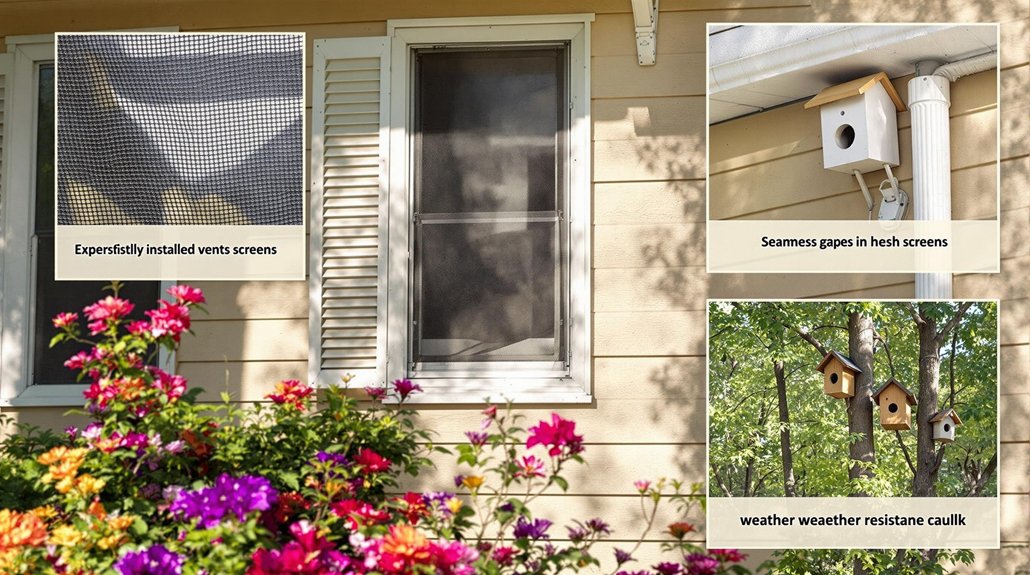
    3. Install Screens: Place screens on windows and vents to block access.
    4. Remove Attractants: Clear away food sources, such as insects, and eliminate standing water near your home.

    Below is a table to illustrate the emotional impact of bat-proofing:

    Benefit Emotion Evoked
    Peace of Mind Relief
    Health Safety Security
    Home Value Pride
    Preservation of Nature Connection to Life

    Professional Bat-Proofing Services

    For homeowners seeking a thorough solution to bat-related issues, professional bat-proofing services offer expertise and efficiency. These services guarantee safe bat removal while focusing on wildlife control to prevent future infestations. Trained professionals assess your property, identify entry points, and implement effective strategies to keep bats out.

    Here are four key benefits of using professional bat-proofing services:

    1. Expert Assessment: Professionals conduct a detailed inspection of your home to find all potential entry points for bats.
    2. Safe Removal: They use humane methods for bat removal, ensuring that the animals are relocated without harm.
    3. Prevention Strategies: Experts seal entry points and recommend changes to reduce attractants, making your home less inviting for bats.
    4. Ongoing Support: Many services provide follow-up inspections and maintenance to guarantee long-term protection against bats.

    DIY Bat-Proofing Methods

    Homeowners can take proactive steps to prevent bats from entering their living spaces by implementing several DIY bat-proofing methods. One effective approach is to install a bat house in your yard. This provides bats a safe space away from your home, encouraging them to roost there instead of in your attic or eaves.

    Another method is sealing entry points. Carefully inspect your home for gaps, cracks, and holes, especially around windows, doors, and vents. Use caulk or mesh to close these openings.

    Natural repellents can also help deter bats. Strong scents like peppermint oil or eucalyptus can be effective. Mix these oils with water in a spray bottle and apply it around potential entry points.

    Additionally, keeping outdoor lights on at night can discourage bats, as they prefer dark spaces for roosting. Installing a bright light near potential entry areas makes your home less inviting for them.

    Maintaining a Bat-Proof Home

    Keeping your home bat-proof requires regular maintenance and vigilance. To guarantee your home remains free of bats, you must commit to specific actions. Bat proof maintenance is not a one-time task but an ongoing effort that includes regular inspections and assessments of your home.

    Here are four key steps to maintain a bat-proof home:

    1. Conduct Regular Inspections: Check your home's exterior at least twice a year. Look for gaps, cracks, or holes where bats might enter.
    2. Seal Entry Points: Use caulk or appropriate materials to seal any identified gaps. Pay special attention to areas around windows, doors, and vents.
    3. Maintain Clean Surroundings: Keep your yard tidy. Bats are attracted to insects, so reducing their food source can help deter bats from your property.
    4. Consult Professionals: If you notice signs of bats or suspect an infestation, contact a pest control expert. They can provide guidance and guarantee safe removal if needed.

    Frequently Asked Questions

    Are Bats Protected by Law in My Area?

    Bats are often protected by law due to their importance in bat conservation. Local regulations vary, so it is essential to check with your area's wildlife agency to understand specific protections and guidelines regarding bats.

    How Much Does Bat-Proofing Typically Cost?

    The cost of bat-proofing typically varies based on factors such as property size, location, and the extent of infestation. DIY options can reduce expenses, but professional services guarantee thorough and effective solutions for long-term protection.

    Can Bat-Proofing Eliminate Existing Bat Populations?

    Can bat-proofing truly eradicate existing bat populations? While

    What Time of Year Is Best for Bat-Proofing?

    The best time for bat-proofing is during spring and fall. These seasons align with bats' natural migration and breeding patterns, making it easier to prevent entry without disturbing existing populations, ensuring effective seasonal considerations.

    Will Bat-Proofing Affect My Home's Ventilation?

    Bat-proofing should not negatively impact your home's ventilation systems. Properly executed, it can enhance air circulation, ensuring that airflow remains unobstructed while effectively preventing bats from entering. Regular maintenance will further support ideal ventilation.

  • Common Entry Points for Wildlife in Michigan Homes

    Common Entry Points for Wildlife in Michigan Homes

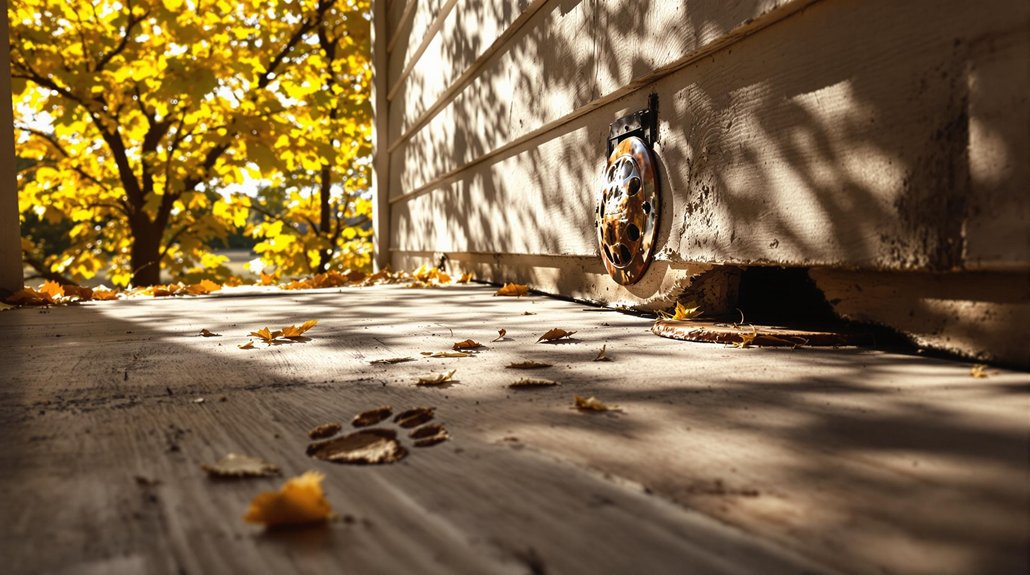
    Common entry points for wildlife in Michigan homes include gaps in windows and doors, attic vents, and exhaust fans. Cracks in roofs and eavestroughs can also provide access for animals like raccoons and squirrels. Additionally, foundation cracks, open chimneys, and unsealed utility lines pose serious risks. Garages and sheds that aren't tightly sealed may invite small animals inside as well. Regular inspections and prompt repairs are vital for maintaining a wildlife-free environment. Understanding these vulnerabilities helps safeguard your home. Explore the topic further to discover effective prevention strategies and guarantee your home remains secure against wildlife intrusions.

    Key Article Highlights

    • Gaps in windows and doors, including damaged screens and poor seals, are common entry points for wildlife like mice and raccoons.
    • Attic vents and exhaust fans with broken screens or gaps can allow wildlife access, necessitating regular inspections and repairs.
    • Holes and cracks in siding, if left unaddressed, create vulnerabilities that attract various animals seeking shelter.
    • Damage in roofs, particularly loose shingles and gaps, can serve as entry points for wildlife, requiring prompt maintenance and inspections.
    • Foundation cracks and gaps around utility lines are potential wildlife access points, highlighting the importance of regular checks and sealing efforts.

    Gaps in Windows and Doors

    Gaps in windows and doors often serve as unwelcome entry points for wildlife in Michigan homes. These small openings can attract various animals, such as mice, squirrels, and even raccoons. To prevent such intrusions, homeowners must guarantee that their window screens and door seals are in good condition.

    Window screens should fit snugly in their frames, with no tears or holes that would allow animals to squeeze through. Regularly checking and repairing any damage can keep unwanted guests out. Similarly, door seals play an essential role in maintaining a wildlife-free home. If door seals are worn or torn, they can create gaps large enough for small animals to enter.

    Homeowners should routinely inspect both window screens and door seals, making repairs as needed. For example, adding weather stripping around doors can considerably reduce gaps and improve insulation. By taking these simple steps, homeowners can effectively protect their living spaces from wildlife. Addressing gaps in windows and doors is a proactive measure that not only secures homes but also contributes to overall peace of mind. Keeping wildlife outside guarantees a safe and comfortable environment for all residents.

    Attic Vents and Exhaust Fans

    Attic vents and exhaust fans are common areas where wildlife can enter homes in Michigan. These openings can provide easy access for animals seeking shelter, which can lead to damage if not properly managed. Implementing damage prevention strategies, such as installing screens and regular inspections, can help keep unwanted guests out.

    Ventilation Gaps Exploited

    While homeowners often prioritize insulation and energy efficiency, they may overlook how ventilation systems can create unintended entry points for wildlife. Attic vents and exhaust fans are vital for maintaining air quality, but they can also serve as gateways for animals seeking shelter. Common culprits include squirrels, raccoons, and bats, all of which can exploit small gaps in these systems.

    Regular ventilation maintenance is essential to prevent these issues. Homeowners should routinely inspect vents and fans for any signs of damage or wear. For instance, broken mesh screens or loose fittings can easily allow wildlife to enter. Sealing these gaps with proper materials can act as effective wildlife deterrents, reducing the likelihood of an unwanted animal invasion.

    Additionally, incorporating one-way exclusion devices can help to guarantee any existing wildlife is safely removed before sealing entry points. By addressing ventilation gaps proactively, homeowners can safeguard their homes from potential infestations. Knowledge of these vulnerabilities is the first step in creating a secure living environment, allowing homeowners to enjoy peace of mind while also protecting their property from wildlife intrusions.

    Damage Prevention Strategies

    A proactive approach to damage prevention is essential for homeowners looking to protect their attic vents and exhaust fans from wildlife intrusion. One effective strategy is to employ wildlife proofing techniques. Installing screens or mesh over vents can keep animals out while allowing proper airflow. Verify that these barriers are made of durable materials to withstand wear and tear.

    Seasonal maintenance tips are equally important. Regularly inspect your attic vents and exhaust fans at least twice a year, ideally during spring and fall. Look for any signs of damage or gaps that could provide entry points for wildlife. Clean debris from vents and check for signs of nests or droppings.

    Additionally, sealing gaps with caulk or expanding foam can further enhance protection. Pay special attention to areas where pipes and wires enter your home, as these spots often go unnoticed but can be vulnerable to wildlife.

    Roof and Eavestroughs

    The roof and eavestroughs of your home can provide easy access points for wildlife if not properly maintained. Gaps and cracks in these areas can allow small animals, like squirrels or raccoons, to enter your home. Additionally, damaged roof shingles can create openings that further increase the risk of unwanted visitors.

    Gaps and Cracks

    Numerous gaps and cracks in roofs and eavestroughs can serve as inviting entry points for wildlife seeking shelter or food. Animals such as squirrels, raccoons, and birds often exploit these openings to gain access to the warmth and safety of your home. Understanding wildlife behavior can help homeowners identify these vulnerabilities before they become a problem.

    Common areas where gaps may form include the junctions between roofing materials, around vents, and at the edges of eavestroughs. Even small openings, as little as a quarter of an inch, can allow animals to enter. To effectively address these issues, homeowners should consider various sealant options. High-quality caulking or expandable foam can close off gaps, while metal flashing can reinforce vulnerable areas.

    Regular inspections of your roof and eavestroughs are essential. Look for signs of wear, such as loose shingles or rusted gutters, as these can exacerbate the problem. By taking proactive measures to seal gaps and cracks, you can considerably reduce the chances of wildlife intrusions, protecting both your home and the animals themselves.

    Damaged Roof Shingles

    Inspecting your roof for damaged shingles is vital in preventing wildlife entry into your home. Roof shingles serve as the first line of defense against the elements and unwanted critters. Over time, wear and tear can lead to missing or broken shingles, creating gaps that wildlife can exploit. For example, raccoons and squirrels are known to take advantage of these vulnerabilities to access your attic.

    Regular roof maintenance is important to identify issues before they escalate. Inspecting your roof at least twice a year can help you spot damaged shingles early on. If you find any, prompt shingle replacement is key to maintaining a secure environment. When replacing shingles, confirm that you choose materials suited for your local climate, as this can enhance durability.

    In addition to replacing damaged shingles, routine maintenance includes clearing debris from gutters and checking for signs of leaks. By staying proactive about your roof's condition, you can greatly reduce the risk of wildlife intrusion. Remember, a well-maintained roof not only protects your home but also contributes to its overall value. Taking these steps will help keep unwanted animals at bay and maintain the integrity of your home.

    Cracks in Foundation

    Identifying cracks in the foundation of a home can be essential for preventing wildlife entry. These openings can provide easy access for small animals such as mice, raccoons, and squirrels. A small crack might seem insignificant, but it can quickly become a gateway for pests. Regular foundation maintenance is vital to keep your home secure.

    Inspect your foundation at least twice a year. Look for visible cracks, especially after heavy rainfall or freezing temperatures. If you find a crack, consider sealing it with appropriate materials. Products such as epoxy or polyurethane foam can effectively close gaps and deter wildlife.

    In addition to sealing cracks, it's important to maintain proper drainage around your home. Water pooling near the foundation can lead to further cracking and structural issues, making your home even more vulnerable to pests.

    Open Chimneys and Flues

    While maintaining a secure foundation is essential, homeowners should also be aware of open chimneys and flues as potential entry points for wildlife. These structures can provide easy access for animals seeking shelter, especially during colder months. Common culprits include squirrels, raccoons, and birds, which may nest in these spaces, causing damage and health risks.

    To prevent wildlife from invading your home through chimneys and flues, installing chimney caps is important. These caps act as barriers, keeping animals out while allowing smoke to escape. A secure cap will also prevent debris from falling into the chimney, further protecting your home.

    Additionally, regular flue maintenance is critical. Homeowners should have their chimneys inspected and cleaned at least once a year. This service not only guarantees that your fireplace operates efficiently but also identifies any potential entry points that wildlife could exploit. By staying proactive and addressing these areas, you can greatly reduce the risk of unwanted animal guests. Overall, safeguarding your home from wildlife requires attention to both foundational integrity and the condition of your chimneys and flues.

    Garage and Shed Access

    Garage and shed access can often be overlooked when considering potential entry points for wildlife. These structures provide a perfect environment for critters seeking shelter, especially during colder months. Animals such as raccoons, squirrels, and even bats can easily find their way inside if proper precautions are not taken.

    To prevent wildlife entry, regular garage maintenance is crucial. Start by inspecting the doors and windows. Confirm they close tightly and have no gaps that small animals could exploit. Installing door sweeps and weather stripping can greatly reduce access points. Additionally, check for holes in the walls or the foundation; even small openings can invite unwanted guests.

    Keep your garage and shed organized and clutter-free. Storing items in sealed containers can deter wildlife from making a home out of your belongings. Verify that any food items, such as pet food or birdseed, are secured in airtight containers.

    Holes in Siding

    Frequently overlooked, holes in siding can serve as inviting entry points for wildlife in Michigan homes. These gaps, whether due to wear and tear or improper installation, can attract various animals, including rodents, birds, and insects. Even small openings are enough for critters to squeeze through, leading to potential infestations and damage.

    To address this issue, homeowners should conduct regular inspections of their siding. Look for cracks, gaps, or holes that may have developed over time. If you find any, prompt siding repair is vital. Not only does this protect your home from unwanted animals, but it also helps maintain energy efficiency by preventing drafts.

    In addition to repairing holes, consider using materials that deter wildlife. For instance, metal mesh can effectively seal larger gaps, while caulking can fill smaller ones. These proactive measures are essential in wildlife prevention, ensuring that your home remains a sanctuary for you and not a haven for pests.

    Taking these steps will not only enhance your home's integrity but also provide peace of mind. Remember, a little attention to your siding can go a long way in keeping wildlife at bay.

    Utility Lines and Pipes

    Holes in siding are not the only potential vulnerabilities in Michigan homes; utility lines and pipes can also create access points for wildlife. These openings allow critters like raccoons, squirrels, and mice to enter your home in search of warmth or food. Utility lines, whether for water, gas, or electricity, often enter your house through specific entry points that may not be properly sealed.

    Regular utility pipe inspections are essential to identify any gaps or cracks that could serve as entryways for wildlife. Inspectors can detect weak spots that homeowners might overlook. These inspections can help you take the necessary steps to fortify your home against unwanted guests.

    In addition, employing wildlife deterrents can further protect your property. Products such as sealants, mesh screens, and even specialized barriers can prevent animals from exploiting these weak points. By addressing the vulnerabilities created by utility lines and pipes, you can notably reduce the risk of wildlife intrusions. Staying proactive in maintaining a secure environment is key to ensuring your home remains a safe haven for you and your family.

    Frequently Asked Questions

    What Types of Wildlife Are Most Common in Michigan Homes?

    In the serene embrace of Michigan's neighborhoods, playful squirrel species and clever raccoon behavior often seek refuge. Their charming antics, while endearing, can lead to unexpected challenges for homeowners, highlighting the need for awareness and prevention.

    How Can I Tell if Wildlife Has Entered My Home?

    To determine if wildlife has entered your home, observe signs such as droppings, nesting materials, or scratches on walls. Understanding wildlife behavior can help identify entry signs and confirm the presence of intruding animals.

    What Are the Signs of a Wildlife Infestation?

    Like a scene from a classic detective novel, look for infestation indicators such as unusual sounds at night, droppings evidence in hidden corners, and gnaw marks on wood. These clues reveal a potential wildlife presence in your home.

    Are There Humane Ways to Remove Wildlife From My Home?

    To remove wildlife humanely, consider using humane traps to capture the animals safely. After capture, contact local wildlife rehabilitation services for guidance on proper relocation, ensuring both the animal's well-being and compliance with local regulations.

    How Can I Prevent Wildlife From Entering My Home Year-Round?

    To prevent wildlife entry year-round, juxtapose exclusion methods with seasonal precautions. Seal gaps and install screens while monitoring for changes in weather. Regular maintenance guarantees a secure environment, reducing the likelihood of uninvited animal guests.

  • What Time of Day Are Moles Most Active?

    What Time of Day Are Moles Most Active?

    Moles are primarily active during the early morning and late afternoon. They tend to forage just after sunrise and begin tunneling at sunset. This behavior helps them avoid predators while searching for food, such as insects and worms. Moles are nocturnal creatures, often resting in their burrows during the day. Seasonal changes can affect their activity levels, with increased movement observed in the spring and fall. Factors like temperature and soil conditions also play a role in their behavior. By examining these patterns, you can gain further insight into managing their presence in your garden or yard.

    Key Article Highlights

    • Moles are primarily nocturnal, with most activity occurring at night to avoid predators and conserve energy.
    • Peak foraging activity takes place just after sunrise and tunneling begins at sunset.
    • Moles also show some diurnal behavior in low predator areas, particularly in the daytime.
    • Seasonal variations lead to increased activity in spring and fall, with breeding seasons causing heightened movement in late winter and early spring.
    • Cooler parts of the day, such as early morning and late afternoon, are when moles are most active.

    Understanding Mole Behavior

    In the underground world of moles, understanding their behavior is essential for both gardeners and researchers. Moles are fascinating creatures known for their unique burrowing habits. They create extensive tunnel systems that help them navigate their environment and search for food. These tunnels also serve as homes and protection from predators.

    Mole communication plays a vital role in their social interactions. They use a variety of methods to communicate with each other, including vocalizations and scent markings. This communication helps them establish territory and find mates.

    Moles primarily feed on insects and worms, which they locate through their sensitive snouts. Their burrowing habits allow them to dig quickly and efficiently, often creating visible mounds of soil on the surface. These mounds can be a source of concern for gardeners, as they can disrupt the landscape.

    General Activity Patterns

    Mole behavior is closely tied to their activity patterns, which can vary based on time of day and environmental conditions. Generally, moles are most active during the cooler parts of the day, such as early morning and late afternoon. They spend a lot of time underground, where they can avoid heat and predators.

    Mole feeding is a significant part of their daily routine. Moles primarily eat insects, earthworms, and other small organisms found in the soil. Their feeding habits require them to dig and burrow extensively. This burrowing behavior is not only vital for finding food but also for creating a safe habitat.

    Moles have well-defined burrowing habits that help them navigate their underground world. They create complex tunnel systems that serve as both feeding grounds and living spaces. These tunnels allow moles to move quickly and efficiently in search of food and shelter.

    Understanding these general activity patterns is important for anyone interested in helping manage mole populations. By knowing when moles are active, it becomes easier to implement strategies that can minimize their impact on gardens and lawns while respecting their role in the ecosystem.

    Peak Hours of Activity

    Moles show distinct peak hours of activity, primarily during the morning and evening. Seasonal changes can also affect their behavior, leading to variations in when they are most active. Additionally, environmental factors, such as weather and soil conditions, play a role in their activity patterns.

    Morning and Evening Activity

    Activity levels in moles peak during specific times of the day, particularly in the morning and evening. During the morning hours, moles engage in morning foraging. This is when they search for food, such as earthworms and insects, just after sunrise. The cooler temperatures and higher moisture levels in the morning make it an ideal time for them to find nourishment.

    As the day progresses, moles tend to rest in their burrows to avoid the heat. However, as evening approaches, they become active again. Evening tunneling occurs when moles dig and expand their underground systems. This activity often starts as the sun sets, allowing them to navigate the soil with ease.

    The timing of these activities is vital for moles. Morning foraging provides them with food, while evening tunneling helps maintain their homes. Understanding these patterns can be beneficial for those who wish to support local wildlife. By providing a suitable environment, individuals can help guarantee that moles thrive during their peak activity times. Observing these habits can also foster greater appreciation for the important role moles play in the ecosystem.

    #

    Seasonal Variations

    in Activity

    Understanding the daily patterns of moles sheds light on how their activity varies with the seasons. Moles have distinct periods of increased activity throughout the year. During spring and fall, they are more active as they search for food and prepare for changes in temperature.

    Mole hibernation typically occurs in winter. During this time, their activity decreases considerably, as they conserve energy and remain in their burrows. However, milder days in winter may see moles emerging briefly for food.

    Breeding seasons also affect their activity patterns. In late winter and early spring, male moles become more active as they search for females. This increased activity can lead to more visible signs of mole activity, such as fresh tunnels and mounds of soil.

    In summer, moles are often active during cooler parts of the day, like early morning and late evening. Understanding these seasonal variations can help in managing gardens and lawns, as it allows individuals to anticipate when moles are likely to be most active, consequently guiding efforts to protect plants and soil.

    #

    Environmental Influences

    on Behavior

    The behavior of moles is greatly influenced by environmental factors, particularly concerning their peak hours of activity. Moles have specific habitat preferences that affect when they are most active. They thrive in moist, rich soil, which supports their food sources. These food sources mainly include earthworms and other small invertebrates found underground.

    Moles are typically busiest during early morning and late evening. These times coincide with cooler temperatures and higher moisture levels in the soil. The cooler conditions help moles manage their body temperature better. Additionally, they face less competition and fewer predators during these hours.

    The availability of food also plays a vital role in their activity. If food sources are abundant, moles may become more active. Conversely, if food is scarce, they may adjust their peak hours to conserve energy.

    ## Seasonal Variations

    During different seasons, moles exhibit varying patterns of activity. Understanding these seasonal variations helps us appreciate their behavior better. Moles are generally most active in spring and fall. In spring, they emerge after winter, responding to warmer temperatures and increased food availability. Conversely, in fall, they prepare for colder months, gathering food.

    Mole hibernation patterns also play a role in their seasonal activity. During winter, moles may become less active or enter a state of dormancy to conserve energy. This behavior helps them survive when food is scarce. Seasonal food availability is essential as it influences their foraging habits.

    Here's a simple table that outlines the seasonal activity of moles:

    Season Activity Level Food Availability
    Spring High Abundant
    Summer Moderate Moderate
    Fall High Abundant
    Winter Low Scarce

    This table highlights how moles adjust their activity levels based on the season and food resources. Understanding these patterns can help us better support local wildlife and their habitats.

    ## Environmental Influences

    Seasonal activity patterns in moles are considerably influenced by environmental factors. These factors include soil composition and habitat preferences. Moles thrive in loose, moist soil that allows for easy tunneling. The type of soil affects their ability to dig and find food. For example, sandy soils may be less favorable, as they can be too dry and compact.

    In addition to soil, habitat preferences play a significant role in mole activity. Moles prefer areas with abundant vegetation. This provides them with both food and shelter. Grassy fields and gardens are often ideal habitats. In these areas, moles can find earthworms and other insects, which are their main food sources.

    Temperature is another important environmental factor. Moles tend to be more active during milder weather conditions. Extreme cold or heat can limit their movement and feeding. Consequently, understanding these environmental influences can help us appreciate mole behavior better. By considering soil composition and habitat preferences, we can create environments that support healthy mole populations and their activities. This knowledge is essential for anyone interested in wildlife conservation and creating sustainable habitats.

    Nighttime vs. Daytime Activity

    Moles are primarily nocturnal creatures, engaging in most of their activity under the cover of darkness. These animals have adapted to their environment by developing strong nocturnal habits, which help them avoid predators and conserve energy. Moles tend to spend their daylight hours resting in their burrows, making them less visible during the day. However, they can exhibit some diurnal behavior, especially in areas with low predator presence or abundant food sources.

    Factors influencing their nighttime and daytime activity include:

    • Protection from predators
    • Temperature regulation
    • Availability of food
    • Soil conditions for tunneling

    While moles are best known for their nighttime foraging, research shows that they may occasionally venture out during the day. This behavior is often linked to specific environmental conditions or disturbances in their habitat. Understanding the activity patterns of moles can be beneficial for those looking to manage their presence in gardens or yards. By recognizing their nocturnal habits and occasional daytime activity, one can take appropriate steps to coexist with these fascinating creatures.

    Impact of Weather Conditions

    Weather conditions play a significant role in the activity of moles. Temperature can influence their movement, while rain and soil moisture affect their tunneling behavior. Additionally, seasonal weather patterns can impact their overall activity levels throughout the year.

    Temperature Influence on Activity

    Temperature plays an essential role in determining the activity levels of moles. Moles are sensitive to changes in temperature, which can lead to considerable variations in their behavior. Understanding the temperature thresholds for moles helps us predict when they are most likely to be active.

    • Moles prefer moderate temperatures, typically between 10°C and 20°C (50°F to 68°F).
    • Extreme heat or cold can reduce their activity levels considerably.
    • Activity spikes often occur during mild days, even in colder months.
    • Temperature changes can influence their foraging and burrowing habits.

    When temperatures fall below or rise above these thresholds, moles tend to become less active. During warmer periods, they may venture out more frequently to search for food. Conversely, during extreme cold, they may stay deeper within their tunnels to conserve energy. This understanding of temperature influence can aid gardeners and landowners in managing their properties effectively. By observing temperature conditions, we can better anticipate mole activity and take appropriate measures to protect our gardens and lawns.

    Rain and Soil Moisture

    The presence of rain and adequate soil moisture greatly influences mole activity. When rainfall occurs, it leads to soil saturation. This saturation makes the soil easier for moles to dig through. Moles are more likely to be active after a rain event because the wet soil allows them to create tunnels with less effort.

    Rainfall effects can also impact the availability of food for moles. Earthworms and other small invertebrates tend to move closer to the surface when the soil is moist. This increased food source encourages moles to be more active as they search for meals.

    In addition, the moisture helps maintain a stable environment for moles. Wet soil provides a comfortable habitat, reducing the risk of dehydration. It also aids in maintaining the temperature of their living areas.

    Therefore, homeowners and gardeners should be aware of the conditions following rainfall. Observing mole activity during and after rainy periods can help in understanding their patterns. Overall, rain and soil moisture play an essential role in the daily lives of moles, affecting their movement and feeding behaviors considerably.

    Seasonal Weather Patterns

    As seasons change, various weather patterns greatly influence mole activity. Moles are sensitive to weather fluctuations, which lead them to adapt their behavior accordingly. Understanding these seasonal adaptations can help us appreciate their role in the ecosystem.

    • Moles are more active in spring and fall due to milder weather.
    • They seek shelter during extreme heat or heavy snowfall.
    • Rainy seasons encourage more foraging, as the soil becomes easier to dig.
    • Temperature changes affect food availability, influencing mole movement.

    During warm months, moles may dig deeper into the ground to find cooler, moist areas. Conversely, in colder months, they may stay closer to the surface to access food sources. Seasonal weather patterns not only dictate when moles are active, but also how they interact with their environment.

    Signs of Mole Activity

    While observing your yard, certain signs can indicate the presence of moles. One of the most obvious signs is the appearance of mole tunnels. These tunnels are often seen as raised ridges in the soil. They can disrupt the landscape and may affect the health of your grass or plants. If you notice these ridges, it's likely that moles are active in your area.

    Another sign of mole activity is the presence of mounds of soil. Moles create these mounds as they dig to search for food sources. They primarily feed on insects, earthworms, and other small creatures found in the soil. If you see fresh mounds appearing in your yard, this could signal that moles are present.

    Additionally, you may notice areas of the lawn that feel spongy underfoot. This can be a result of the tunnels just below the surface. These signs are important as they can help you determine the extent of mole activity in your yard. Understanding these indicators can prepare you for the next steps in managing your landscape effectively.

    Managing Mole Presence

    Managing the presence of moles in your yard requires a strategic approach. Effective mole control is vital to protect your garden and lawn. Here are some steps to take into account:

    • Identify their habitat: Look for signs of mole activity to understand their tunnels and areas.
    • Adjust your landscape: Moles prefer moist soil and abundant food. Reducing these conditions can help deter them.
    • Implement barriers: Using physical barriers can limit mole access to specific areas of your yard.
    • Explore natural repellents: Certain plants and substances may help manage their presence without harming the environment.

    Habitat management is essential in creating an unwelcoming environment for moles. By improving soil drainage and reducing their food sources, you can minimize their activity. Regular maintenance of your yard can also help. Keep grass trimmed and remove debris that may attract insects, which moles feed on. Additionally, consult with local experts or resources for targeted techniques that are safe and effective. By following these strategies, you can achieve a balance in your outdoor space while promoting a healthy ecosystem.

    Coexisting With Moles

    Finding ways to coexist with moles can be beneficial for both your garden and the local ecosystem. Moles play an important role by aerating the soil and controlling insect populations. To achieve mole coexistence, there are several strategies you can use that protect your garden while allowing moles to thrive.

    One effective mole coexistence strategy is to create designated areas in your garden where moles can dig without causing damage to your plants. This can be done by planting less sensitive flowers or establishing a wildflower patch. Additionally, using garden protection methods like barriers can help. You can install underground fencing or use wire mesh around your prized plants to keep moles at bay.

    Another method is to encourage natural predators, such as owls and hawks, to visit your garden. These animals can help control mole populations naturally. Finally, consider changing your gardening practices by using organic methods. This reduces chemical use, making your garden more friendly to all species, including moles.

    Frequently Asked Questions

    Do Moles Prefer Certain Types of Soil?

    Moles do prefer certain soil types. Soil composition affects their tunneling behavior. Soft, moist soil is ideal, allowing for easier digging. Conversely, compact or rocky soils can hinder their movement and reduce their activity levels.

    How Deep Do Moles Tunnel Underground?

    Moles typically tunnel underground at depths ranging from 6 to 12 inches, depending on their species and environmental conditions. Understanding these tunneling habits is essential for comprehending mole behavior and its impact on soil health.

    Can Moles Be Active During Winter Months?

    Is it not intriguing how nature adapts? Moles exhibit reduced winter activity due to colder temperatures and food scarcity. However, their behavior can vary, allowing occasional foraging during milder winter days when conditions permit.

    What Is the Lifespan of a Mole?

    The lifespan of a mole typically ranges from three to six years. Mole behavior varies with age, while mole reproduction occurs mainly in spring, affecting population dynamics and ecological roles in their environments.

    Do Moles Have Any Natural Predators?

    Moles face various natural predators, including snakes, hawks, and foxes. Curiously, a mole can dig up to 18 feet per hour, aiding its defense by creating complex tunnels that help evade these mole predators effectively.

  • When to Call a Professional for Squirrel Removal

    Homeowners should call a professional for squirrel removal when they notice signs of infestation, such as nests in attics or unusual noises. Damage to property, like chewed wires or droppings, is another clear indicator. Attempting DIY removal can be risky, as squirrels may act unpredictably and can carry diseases. A professional can efficiently assess the situation, safely trap the animals, and prevent further issues. They can also identify and seal entry points to stop future infestations. Understanding these factors is essential for effective management, and there's more to discover about maintaining a squirrel-free home.

    Key Article Highlights

    • Call a professional if you discover squirrel nests in your attic, chimney, or other secluded areas of your home.
    • If you notice signs of gnawing, droppings, or unusual noises, it's time to seek expert help.
    • Avoid DIY traps; they may be ineffective and could lead to legal complications or injury to the squirrels.
    • Consider professional services for a thorough property assessment and to prevent long-term structural damage.
    • If you're unsure about local regulations or permits for trapping, it's best to consult with a licensed professional.

    Signs of a Squirrel Problem

    Squirrels can be charming creatures, but their presence in your home can lead to significant issues. One of the first signs of a squirrel problem is the discovery of squirrel nests. These nests are often found in attics, chimneys, or other secluded areas of your home. Squirrels typically use leaves, twigs, and insulation to create these nests, which can cause damage to your property.

    Another indication of a squirrel infestation is the presence of food sources. Squirrels will often chew through bags of birdseed, pet food, or stored grains. Look for signs of gnawing or droppings in areas where food is kept. Additionally, you may hear unusual noises, such as scratching or chirping, coming from within walls or ceilings, particularly at dawn or dusk when squirrels are most active.

    If you notice these signs, it is vital to act quickly. Ignoring the problem can lead to further damage and potential health risks. Recognizing early signs of a squirrel problem can help you decide when to seek professional assistance for removal and prevention.

    Risks of DIY Removal

    Attempting DIY squirrel removal can pose several risks that homeowners should consider. One significant concern is the unpredictable nature of squirrel behavior. Squirrels can act aggressively when threatened, which may lead to bites or scratches during a removal attempt. This risk increases if homeowners are unfamiliar with handling wildlife.

    Another issue with DIY removal is the ineffectiveness of DIY traps. Many traps may not be designed for squirrels, leading to failure in capturing them. Improper trapping can result in injury to the animal and potential legal repercussions, as some areas have specific regulations regarding wildlife.

    Additionally, without proper knowledge, homeowners may inadvertently create an environment that attracts more squirrels. This could lead to repeated infestations and increased frustration. Furthermore, dealing with a dead or injured squirrel can expose homeowners to health risks, including diseases that these animals can carry.

    Understanding Squirrel Behavior

    Understanding the behavior of squirrels can greatly aid in managing their presence around homes. Squirrels are active during the day and are known for their agile movements. They typically exhibit specific squirrel habits that are essential to grasp. These animals often forage for food, gathering nuts and seeds to store for winter. This behavior can lead them to enter gardens and yards, searching for easily accessible food sources.

    Nesting behaviors are another vital aspect of squirrel activity. Squirrels prefer to build nests in high places, such as trees or attics, where they feel safe from predators. They use materials like leaves, twigs, and insulation to create a cozy space for shelter and raising young. Understanding these nesting habits can help homeowners identify potential entry points and take preventive measures.

    Squirrels communicate through vocalizations and body language, which can indicate their presence. By recognizing these signs, homeowners can better assess the situation. Knowledge of squirrel habits and nesting behaviors provides valuable insights for effective management strategies, allowing for timely intervention if professional removal becomes necessary.

    Assessing Property Damage

    Evaluating the damage caused by squirrels is vital for homeowners who suspect an infestation. A thorough property assessment helps identify the extent of the issues caused by these animals. Squirrels can create significant damage to roofs, insulation, and electrical wiring as they seek shelter and food.

    Begin by inspecting the exterior of your home. Look for signs of entry points, such as holes in eaves, soffits, or vents. These openings can lead to damage evaluation of structural components, including wood rot and compromised insulation. Next, check the attic or crawl spaces for droppings, nests, or gnaw marks, which indicate active infestations.

    Inside the home, examine walls and ceilings for water stains or unexplained noises, which could suggest squirrel activity. Be aware that damaged insulation can lead to increased energy costs.

    Documenting your findings during the property assessment will be essential if you decide to call in professionals. This information aids in understanding the full scope of the problem and guarantees that any necessary repairs are addressed promptly. By taking these steps, you can effectively evaluate the damage and make informed decisions about squirrel removal.

    Health Hazards of Squirrel Infestations

    Squirrel infestations can pose significant health hazards to homeowners and their families. The presence of squirrels can introduce various diseases and contamination risks that should not be overlooked. Understanding these risks is vital to maintaining a safe living environment.

    Here are four major health hazards associated with squirrel infestations:

    1. Squirrel Diseases: Squirrels can carry diseases such as leptospirosis and tularemia, which can be transmitted to humans through direct contact or contaminated surfaces.
    2. Contamination Risks: Squirrel droppings and urine can contaminate areas within your home, leading to potential respiratory issues and other health concerns if inhaled or touched.
    3. Parasites: Squirrels can host parasites like fleas, ticks, and mites, which can spread to humans and pets, causing further health complications.
    4. Structural Damage: Squirrels can chew through wiring and insulation, potentially leading to electrical hazards and fire risks that endanger the health and safety of families.

    Addressing squirrel infestations promptly is essential to minimize these health hazards and protect your home and loved ones.

    Legal Considerations for Removal

    When considering squirrel removal, it is important to understand local wildlife regulations. These laws may require specific permits or licenses for removal efforts. Additionally, some species may be protected, influencing how and when removal can occur.

    Local Wildlife Regulations

    Understanding local wildlife regulations is essential for anyone contemplating squirrel removal. These laws are designed to guarantee wildlife protection and maintain ecological balance. Failing to adhere to local ordinances can have serious consequences. Here are four key points to take into account:

    1. Legal Status of Squirrels: Many regions classify squirrels as protected species, meaning removal may be regulated.
    2. Trapping Guidelines: Some areas require specific methods for trapping, which may involve humane practices.
    3. Seasonal Restrictions: Local ordinances may prohibit removal during breeding seasons to protect young animals.
    4. Reporting Requirements: Certain jurisdictions may require you to report squirrel removal to local wildlife authorities.

    Being informed about these regulations not only helps you stay compliant but also fosters respect for wildlife. Ignorance of the law could lead to fines or legal action, underscoring the importance of understanding local wildlife regulations. Before taking any action, it is advisable to consult with local authorities or professionals who specialize in wildlife removal. This guarantees you are following all necessary regulations while effectively addressing your squirrel issue.

    Permits and Licensing

    Steering through the complexities of permits and licensing is essential for anyone considering squirrel removal. Understanding the permits requirements in your area is a significant first step. Different regions have varied regulations regarding the capture and relocation of squirrels. Failing to comply with these regulations can lead to legal trouble and fines.

    Licensing authorities oversee the enforcement of these regulations. They are responsible for issuing permits and guaranteeing that animal removal is conducted humanely and legally. Before taking any action, check with your local wildlife agency or government office to understand what permits are necessary. Some jurisdictions may require a specific license to trap or relocate squirrels.

    Additionally, it is important to note that regulations can change, so staying informed is critical. If you hire a professional for squirrel removal, verify that they possess the appropriate permits and licenses. This not only guarantees compliance with the law but also assures that the removal process is carried out safely and ethically. Overall, steering through permits and licensing is an important component of responsible squirrel management.

    Protected Species Considerations

    If you're contemplating squirrel removal, it's necessary to be aware that some squirrel species are protected by law. Understanding these legal considerations is significant for anyone involved in squirrel conservation and habitat protection. Ignoring these laws can lead to serious consequences.

    Here are four important points to reflect on:

    1. Protected Species: Certain squirrel species, like the Eastern Gray Squirrel, have legal protection. Check local regulations before proceeding.
    2. Permits Required: In many areas, you may need a permit for removal, especially if the species is endangered or threatened.
    3. Habitat Protection: Removing squirrels without proper planning can disrupt their habitat, leading to ecological imbalance.
    4. Legal Penalties: Violating wildlife protection laws can result in fines or other legal actions.

    Benefits of Professional Services

    Why should homeowners consider professional services for squirrel removal? Engaging a professional can provide significant benefits that are often overlooked. One of the primary advantages is cost effectiveness. While some may think that DIY methods save money, they can lead to further damage and more extensive repairs. Professionals have the expertise to address squirrel infestations quickly, which can prevent long-term structural damage to your home.

    Additionally, hiring professionals offers substantial time savings. Squirrel removal can be a complex process that requires knowledge of animal behavior and safe handling techniques. Homeowners may spend countless hours researching, purchasing equipment, and attempting removal themselves, only to find themselves unsuccessful. Professionals streamline the process, ensuring that the task is completed efficiently and effectively.

    Moreover, professional services typically come with guarantees, providing peace of mind. This assurance means that if the problem persists, they will return to address it without additional costs. To summarize, the cost effectiveness and time savings of professional squirrel removal services make them a practical choice for homeowners seeking a swift and reliable solution.

    What to Expect During Removal

    During squirrel removal, homeowners can expect a systematic and thorough approach from professionals. Understanding squirrel behavior is essential for effective removal techniques. Professionals will assess the situation, locate entry points, and implement strategies tailored to your specific needs.

    Here's what you can typically expect during the process:

    1. Assessment: Experts will evaluate the property to identify signs of squirrel activity and potential nesting areas.
    2. Strategy Development: Based on their findings, they will create a customized plan using proven removal techniques.
    3. Implementation: Traps or exclusion methods will be set up to safely remove the squirrels from your home.
    4. Follow-Up: After removal, professionals will provide recommendations to prevent future infestations.

    Homeowners may feel anxious during this process, unsure of what lies ahead. However, with skilled professionals, the removal will be handled with care and expertise. Understanding the intricacies of squirrel behavior allows for a more humane and effective approach, ensuring both the safety of your home and the welfare of the animals involved. Trusting the experts can lead to peace of mind and a squirrel-free environment.

    Preventing Future Infestations

    To prevent future squirrel infestations, it is essential to seal any entry points around your home. This includes checking for gaps in roofs, walls, and foundations. Additionally, maintaining clean surroundings by removing food sources and clutter can deter squirrels from returning.

    Seal Entry Points

    Sealing entry points in your home is crucial for preventing future squirrel infestations. Proper entry point identification is the first step in this process. Squirrels can squeeze through surprisingly small gaps, so it's imperative to inspect your property thoroughly.

    Here are four effective sealing techniques to take into account:

    1. Wire Mesh: Use heavy-duty wire mesh to cover vents and gaps. This durable material deters squirrels effectively.
    2. Caulk: Apply caulk to seal small cracks and openings in walls, windows, and foundations. This simple method can block their access.
    3. Steel Wool: For larger holes, fill them with steel wool before sealing with caulk or mesh. Squirrels won't chew through this material.
    4. Professional Assessment: If you're uncertain about entry points, think about hiring a professional. Their expertise can guarantee thorough identification and sealing.

    Maintain Clean Surroundings

    Maintaining clean surroundings is essential for preventing future squirrel infestations. By implementing effective squirrel proofing strategies and habitat modification, homeowners can greatly reduce the likelihood of attracting these persistent pests. Regularly cleaning up debris, securing trash, and managing food sources are key components in this effort.

    Here is a simple table outlining effective measures:

    Action Description
    Clean Up Debris Remove leaves, branches, and clutter.
    Secure Garbage Use animal-proof bins with tight lids.
    Store Food Properly Keep food in airtight containers.
    Trim Trees and Shrubs Maintain distance from structures.
    Close Off Entry Points Seal gaps and holes in buildings.

    Choosing the Right Expert

    Choosing the right expert for squirrel removal is essential to guarantee a safe and effective solution to your problem. Understanding their qualifications and removal techniques can make a significant difference in managing your squirrel issue. Here are four key factors to take into account when selecting a professional:

    1. Expert Qualifications: Look for certifications or licenses that demonstrate specialized training in wildlife removal. This confirms they adhere to legal and ethical standards.
    2. Experience: Choose an expert with a proven track record in squirrel removal. Experience often translates to effective and efficient solutions.
    3. Removal Techniques: Inquire about the methods they use. Ethical experts should prioritize humane removal techniques, ensuring the safety of both the squirrels and your property.
    4. Customer Reviews: Check testimonials and reviews from previous clients. Positive feedback can provide insights into the expert's effectiveness and professionalism.

    Frequently Asked Questions

    How Much Does Professional Squirrel Removal Typically Cost?

    Professional squirrel removal typically costs between $150 and $500, depending on factors like location and severity of the infestation. Understanding squirrel behavior and effective removal techniques is essential for ensuring successful and humane resolution.

    Are There Specific Times of Year When Squirrels Are More Active?

    Squirrel behavior varies with seasonal activity, particularly during spring and fall. In spring, squirrels are nesting and preparing for reproduction, while in fall, they gather food for winter. These times indicate heightened squirrel presence and activity.

    What Methods Do Professionals Use for Humane Squirrel Removal?

    Professionals utilize various methods for humane squirrel removal, including specific trap types designed for safe capture. Additionally, exclusion techniques are employed to prevent future access, ensuring a thorough approach to managing squirrel populations effectively.

    Can Squirrels Cause Structural Damage to My Home?

    Squirrels can indeed cause structural damage to your home. When they create nests, they often chew through insulation, leading to potential heat loss and further complications. Addressing these issues promptly is essential to maintaining your property's integrity.

    Will My Homeowners Insurance Cover Squirrel Removal Services?

    Homeowners policies vary considerably regarding insurance coverage for squirrel removal services. It is essential to review your policy details or consult your insurance provider to determine if such services are covered under your specific plan.

We've Merged With Plunkett's / Varment Guard! Learn More

X
Call Now Button