Best Way Animal Removal

Tag: pest control

  • Does Insurance Cover Bat Infestation?

    Does Insurance Cover Bat Infestation?

    Insurance coverage for bat infestations often depends on the specific policy. Many homeowners insurance policies cover property damage caused by bats. However, they typically do not cover the costs associated with removing the bats. Additionally, some policies may explicitly exclude damage related to wildlife like bats. Renter's insurance generally does not cover wildlife issues either. It is important for homeowners and renters to review their policies carefully. Understanding these details can help you manage risks effectively. There are additional important steps to contemplate if dealing with a bat infestation.

    Key Article Highlights

    • Homeowners insurance may cover property damage from bat infestations but often excludes costs for wildlife removal or pest control services.
    • Renter's insurance typically covers personal property damage but usually does not include wildlife removal expenses or structural damage from bats.
    • Many insurance policies explicitly exclude damages caused by bats and other wildlife, making it essential to review policy details for coverage clarity.
    • Specialized wildlife removal insurance or pest control add-ons may be necessary for comprehensive coverage against bat infestations and their associated risks.
    • Proactive prevention measures, like sealing entry points, can help mitigate risks and potential damages that standard insurance policies may not cover.

    Understanding Bat Infestation Risks

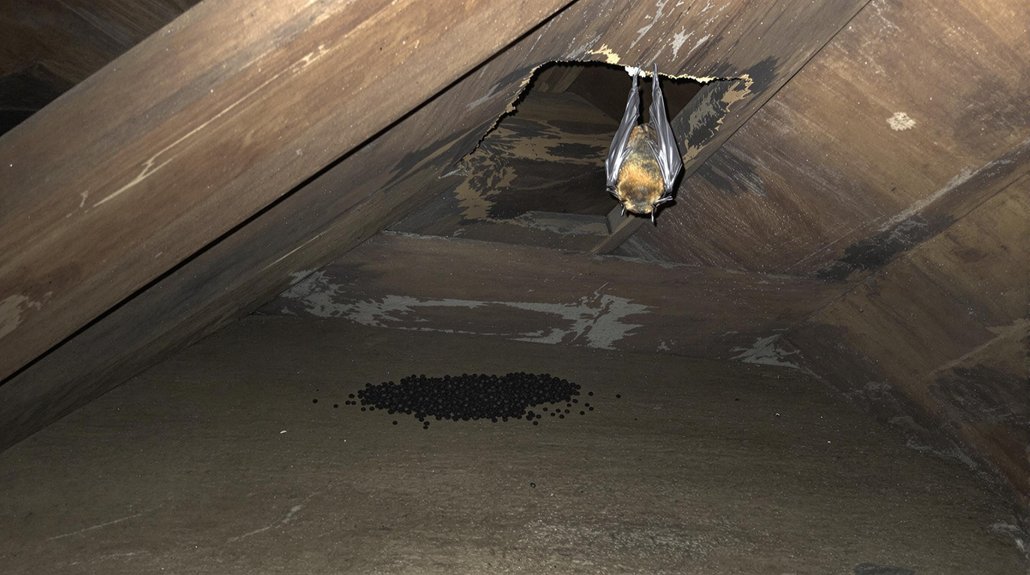
    Bat infestations can pose significant risks to both properties and human health. Understanding bat behavior is vital in addressing these risks. Bats often seek shelter in attics, walls, and other hidden areas of homes. They typically roost in large numbers, leading to substantial property damage, such as insulation contamination and structural issues.

    Health risks associated with bat infestations are also significant. Bats are known carriers of diseases, including rabies and histoplasmosis, a fungal infection linked to bat droppings. Exposure to bat droppings can lead to serious respiratory problems. In addition, a single bat can host numerous parasites, which may spread to humans or pets.

    Homeowners should be vigilant about signs of bat infestations, such as droppings or unusual noises at night. It is essential to take prompt action if bats are detected. Professional removal services are often necessary to guarantee safe and effective resolution. By understanding bat behavior and the associated health risks, individuals can protect their properties and well-being. Awareness and action are key to managing bat infestations effectively.

    Common Insurance Policy Types

    Insurance policies vary in coverage when it comes to bat infestations. Homeowners insurance may provide some protection, while renter's insurance often has limitations. Additionally, specific wildlife removal policies can help address the costs associated with such infestations.

    Homeowners Insurance Coverage

    Homeowners insurance typically covers a range of common risks associated with property ownership. This type of insurance provides financial protection against damage to the home and personal belongings. It usually includes coverage for incidents like fire, theft, and certain natural disasters. However, it is crucial for homeowners to understand their responsibilities when filing insurance claims.

    Homeowners are responsible for maintaining their property and addressing issues that may lead to damage. For example, if a bat infestation occurs, the homeowner must take immediate action to remove the bats and repair any damage caused. Insurance claims for such infestations may only be approved if the homeowner can demonstrate that they took timely and appropriate measures to prevent further damage.

    It is important to carefully review the specific terms of a homeowners insurance policy. Coverage can vary considerably between different policies. Some policies may provide limited coverage for pest problems, while others may not cover infestations at all. Homeowners should consult with their insurance agent to understand their coverage options and responsibilities. Proper knowledge of these factors can help guarantee that insurance claims are handled effectively.

    Renter's Insurance Limitations

    Many renters may not realize the limitations of their renter's insurance policies when it comes to pest infestations, including bats. Renter's insurance generally provides coverage for personal property damage and liability, but it has specific exclusions that can affect the situation. One major limitation is that most policies do not cover wildlife removal costs related to infestations. This means if bats invade your rental unit, the expenses incurred for their removal may not be covered.

    Additionally, renter's insurance exclusions can vary by provider and policy. Many policies specifically exclude damage caused by pests or wildlife, which could leave renters financially responsible for any damages caused by a bat infestation. It is essential for renters to read their insurance policies carefully to understand what is included and what is not.

    In many cases, renters may need to seek additional coverage or consider specialized pest control services to handle issues like bat infestations. Understanding these limitations helps renters make informed decisions about how to protect themselves and their belongings from unexpected wildlife encounters.

    Wildlife Removal Policies

    Understanding the limitations of renter's insurance regarding wildlife infestations highlights the need to explore other insurance options. Many policies do not cover the costs associated with wildlife removal, leading homeowners to seek specialized coverage. Here are some common insurance types that may assist with wildlife-related issues:

    • Homeowners Insurance: This policy often covers damages caused by wildlife but may not include removal costs.
    • Specialized Wildlife Removal Insurance: Some insurers offer policies specifically for wildlife removal, which can cover both the removal and damage repairs.
    • Pest Control Add-ons: Certain insurance providers offer add-ons that include wildlife infestations under their pest control services.

    When dealing with wildlife infestations, it is critical to review your insurance policy carefully. Be aware that most standard homeowners insurance might require documentation for insurance claims related to wildlife damage. This documentation could include photographs and professional estimates. Consequently, understanding your coverage options can provide peace of mind and financial protection. If you suspect a bat infestation, timely action with the right policy can make a significant difference in managing costs.

    What Standard Policies Cover

    Standard homeowners insurance policies typically provide coverage for damage to the home. However, many policies have exclusions for wildlife damage, including infestations caused by bats. It is important for homeowners to understand what their policy covers and any limitations that may apply.

    Homeowners Insurance Coverage

    Homeowners insurance typically provides coverage for various risks associated with property ownership. This insurance is designed to protect homeowners from unexpected events that can cause damage to their property or personal belongings. However, understanding what is covered is vital for homeowners.

    Common aspects of coverage include:

    • Dwelling Protection: Covers the structure of the home against risks like fire or storms.
    • Personal Property: Protects belongings within the home, such as furniture and electronics.
    • Liability Coverage: Offers financial protection if someone is injured on the property.

    Homeowners have certain responsibilities regarding pest control. It is important to maintain the home and address any infestations promptly. While standard homeowners insurance may cover damage caused by specific events, it often does not cover pest-related issues unless specified. Regular maintenance and pest control are vital to prevent issues like a bat infestation. Homeowners should consult their policy to understand their coverage and verify they meet their homeowner responsibilities. By doing so, they can better protect their property and avoid potential financial loss due to unexpected pest problems.

    Exclusions for Wildlife Damage

    What specific wildlife damages are typically excluded from homeowners insurance policies? Many standard homeowners insurance policies include wildlife exclusions that limit coverage for damages caused by animals such as bats, raccoons, and squirrels. This means that homeowners may be responsible for the costs associated with removing wildlife and repairing any resulting damage.

    The following table summarizes common wildlife exclusions in homeowners insurance:

    Wildlife Type Exclusion Details
    Bats Damage to roofs and attics
    Squirrels Chewing on wires and insulation
    Raccoons Structural damage from entry
    Rodents Contamination of living spaces
    Birds Nesting damage to vents and roofs

    Damage assessment in these cases often reveals significant repair costs, which homeowners must bear. Understanding wildlife exclusions is essential for effective risk management. Homeowners should consider additional coverage options if they live in areas prone to wildlife infestations. Taking proactive measures can help mitigate risks and potential damages not covered by standard policies.

    Exclusions Related to Wildlife

    Many insurance policies contain specific exclusions related to wildlife, which can greatly impact coverage for infestations. These wildlife exclusions often mean that homeowners must navigate challenges when dealing with infestations like bats. Bats can cause significant damage, but understanding your policy is vital.

    Common wildlife exclusions may include:

    • Damage from specific animals: Many policies explicitly exclude damage caused by wildlife, including bats, raccoons, and squirrels.
    • Pest control costs: Insurance often does not cover the expenses associated with pest control services needed to remove wildlife.
    • Habitat damage: Damage to structures caused by wildlife nesting or roosting is frequently not covered.

    Homeowners may find themselves responsible for the costs of removal and repairs. It is essential to review your policy and understand any wildlife exclusions. In some cases, additional coverage may be available, but it may come at an extra cost. Seeking advice from an insurance professional can provide clarity. Ultimately, being informed about exclusions can help prepare homeowners for unexpected scenarios involving wildlife infestations.

    Factors Affecting Coverage

    Several factors can influence whether insurance coverage extends to bat infestations. One primary consideration is the specific language used in the insurance policy. Policy specifics can dictate what is covered and what falls under exclusions. If the policy explicitly mentions wildlife or infestations, it may limit coverage for bats.

    Another factor is the nature of the damage caused by the bats. For instance, if the infestation leads to structural damage or health risks, some policies may cover remediation costs. However, coverage limitations may apply depending on the severity and circumstances of the incident.

    The type of insurance also plays a vital role. Homeowner's insurance may differ markedly from renter's insurance regarding coverage for infestations. Additionally, the location of the home can affect coverage options, as some regions may have higher risks associated with wildlife infestations.

    Lastly, the insured's history with pest infestations can influence the insurer's decision. Frequent claims may lead to increased scrutiny and potential denial of coverage. Understanding these factors is essential for homeowners seeking clarity on their insurance policies regarding bat infestations.

    Steps to Take After Infestation

    After discovering a bat infestation, it is important to take immediate and effective steps to address the situation. Bats can pose health risks, so implementing proper bat removal procedures is essential to guarantee safety. Here are steps to follow:

    • Contact professionals: Seek a licensed pest control service that specializes in bat removal. They have the expertise and tools to handle the situation safely.
    • Implement health precautions: Avoid direct contact with bats and their droppings. Wear protective clothing, gloves, and a mask if you must enter the affected area. This reduces the risk of exposure to diseases such as histoplasmosis.
    • Seal entry points: Once the bats are removed, identify and seal any openings that allowed their entry. This helps prevent future infestations.

    Taking these steps can mitigate health risks and guarantee proper removal. It is critical to act quickly and efficiently to protect your home and well-being. Following these guidelines will lead to a safer living environment while addressing the bat infestation effectively.

    Alternatives to Insurance Coverage

    When dealing with a bat infestation, insurance coverage may not always be available or sufficient to cover the costs of removal and repairs. In such cases, homeowners must explore alternatives to guarantee the problem is addressed effectively and humanely.

    One option is to hire a professional pest control service that specializes in humane removal of bats. These experts are trained to safely extract bats without harming them and can offer guidance on how to prevent future infestations. Additionally, they can assess your property for entry points and recommend specific repairs.

    Implementing preventative measures is also essential. Homeowners can seal cracks and gaps in roofs, walls, and eaves to prevent bats from entering. Installing screens on vents and chimneys can further deter these animals from making your home their habitat.

    Another alternative is to reach out to local wildlife organizations. They often provide resources and can assist in the humane removal process. By taking these steps, homeowners can effectively manage bat infestations while guaranteeing compliance with local wildlife protection laws.

    Frequently Asked Questions

    Can I File a Claim for Bat Damage Already Repaired?

    In the aftermath of bat removal, consider your circumstances like a canvas restored. Filing insurance claims for previously repaired bat damage may hinge on policy specifics, necessitating careful review of your coverage and documentation.

    Do I Need to Provide Proof of Infestation for Coverage?

    To obtain coverage, insurance requirements typically necessitate infestation evidence. This may include photographs, reports from pest control professionals, or other documentation confirming the presence of bats. Always consult your policy for specific requirements.

    Are There Specific Companies That Cover Bat Infestations?

    While countless insurance companies exist, only a select few address bat infestations explicitly. It's essential to review your insurance policy specifics and inquire about coverage related to bat removal services to guarantee adequate protection.

    How Do I Prevent Future Bat Infestations?

    To prevent future bat infestations, employ effective bat exclusion methods, such as sealing entry points. Additionally, consider habitat modification by removing potential roosting sites, thereby discouraging bats from entering and establishing themselves in your space.

    What Should I Do if My Claim Is Denied?

    If your claim is denied, review the denial letter for reasons. Consider initiating the appeal process, providing additional documentation. If unsuccessful, explore legal options by consulting an attorney who specializes in insurance disputes for guidance.
  • Do Squirrels Cause Property Damage?

    Yes, squirrels can cause significant property damage. They often invade homes, especially attics, and chew on insulation, electrical wires, and wood, leading to expensive repairs and fire hazards. In gardens, they dig up plants, strip bark, and leave behind droppings that can contaminate living spaces. Signs of their presence include unusual noises in walls and visible damage to structures. It's important for homeowners to take preventative measures to avoid these issues. Understanding more about squirrel behavior and possible solutions can help protect your property from these furry invaders.

    Key Article Highlights

    • Squirrels can cause significant property damage by chewing electrical wires, leading to fire hazards and electrical risks.
    • Nesting in attics results in insulation damage, potential mold growth, and health hazards for homeowners.
    • They gnaw on wood beams and drywall, which can compromise the structural integrity of buildings.
    • Squirrels damage garden plants by digging, munching, and stripping bark, affecting landscaping and vegetation.
    • Their droppings can contaminate living spaces, posing health risks to residents and pets.

    Understanding Squirrel Behavior

    Squirrels scurry through backyards and parks, showcasing behaviors that can lead to property damage if not properly managed. Understanding squirrel behavior is key to preventing issues. These small mammals are highly social creatures. Squirrel socialization plays an essential role in their daily lives. They often communicate through vocalizations and physical gestures, helping them establish territory and find food.

    Seasonal behaviors also influence their activities. In spring and summer, squirrels are busy foraging for nuts and seeds to build up their food stores. This activity can lead them to invade gardens or even homes in search of a meal. As fall approaches, they become increasingly frantic, gathering supplies for the winter.

    During the colder months, squirrels often seek shelter, which can lead them to nest in attics or other sheltered areas, potentially causing problems for homeowners. By understanding these behaviors, property owners can take proactive steps to discourage squirrels from becoming a nuisance. For instance, securing trash bins and removing food sources can help manage local squirrel populations while allowing these creatures to thrive in their natural habitats.

    Common Types of Property Damage

    Squirrels can cause a variety of property damage that homeowners should be aware of. Common issues include chewing on electrical wires, which can create fire hazards, nesting in attics, and damaging garden plants. Understanding these problems can help in taking preventive measures to protect your property.

    Chewing Electrical Wires

    One of the most concerning issues homeowners face is the damage caused by wildlife, particularly when it comes to chewing electrical wires. Squirrels, with their natural instinct to gnaw, often target wires as they seek to sharpen their teeth. This behavior can lead to exposed wiring, creating significant electrical hazards in homes.

    When wires are damaged, the risk of electrical shock increases, posing a threat not only to residents but also to pets. Additionally, chewed wires can spark and ignite flammable materials nearby, leading to fire risks that can devastate property and endanger lives.

    Identifying signs of wire damage early is essential. Homeowners should regularly inspect areas like attics, basements, and crawl spaces where squirrels might access wires. Look for frayed insulation or exposed copper.

    If you suspect damage, it's important to consult a professional electrician. Not only can they repair the damages, but they can also advise on preventive measures to keep squirrels at bay. By taking these steps, you'll protect your home from potential fire hazards and guarantee the safety of your family.

    Nesting in Attics

    How do squirrels manage to turn a cozy attic into a potential disaster zone? Their squirrel nesting habits often lead them to seek shelter in attics, where they build nests using twigs, leaves, and even insulation materials. These nests can cause significant problems, particularly when it comes to attic insulation damage.

    When squirrels chew through insulation to create their nests, they not only reduce the effectiveness of your home's thermal barrier but also create potential health hazards. Moisture can accumulate in the damaged insulation, leading to mold growth, which poses risks to both structural integrity and indoor air quality.

    Moreover, their nesting activities can attract other pests and rodents, compounding the issues. Squirrels may also gnaw on wood beams and drywall, resulting in further property damage. In some cases, their presence can lead to costly repairs and even the need for complete insulation replacement.

    Damaging Garden Plants

    While enjoying the beauty of a well-kept garden, homeowners may not realize that squirrels can pose a significant threat to their plants. These furry visitors often engage in squirrel feeding habits that can lead to serious damage. They dig up bulbs, munch on tender shoots, and even strip bark from young trees.

    To help protect your beloved plants from these critters, consider the following tips:

    • Use fencing: Installing a physical barrier can deter squirrels from entering your garden.
    • Plant strategically: Choose plants that squirrels typically avoid, such as those with strong scents or thorns.
    • Employ repellents: Natural repellents, like hot pepper spray, can make your plants less appealing to squirrels.
    • Provide alternatives: Creating a designated feeding area with squirrel-friendly food can redirect their attention away from your prized plants.

    Signs of Squirrel Infestation

    Detecting signs of a squirrel infestation early can save homeowners from extensive property damage. One of the most common indicators is the presence of squirrel droppings. These droppings are small, dark, and pellet-shaped, often found near entry points or nesting areas. If you notice these droppings around your property, it's a clear sign that squirrels are in the vicinity.

    Another sign to watch for is the accumulation of nesting materials. Squirrels often gather twigs, leaves, and even shredded paper to create nests in attics, eaves, or even within trees. If you spot bits of insulation or other debris scattered around your home, it might indicate that squirrels are making themselves at home.

    Additionally, you may hear unusual noises, especially during the early morning or late evening. Squirrels are active during these times and may cause scratching or scurrying sounds in walls or ceilings.

    Preventative Measures for Homeowners

    To effectively prevent squirrel infestations, homeowners should take proactive steps to secure their properties. Squirrel proofing structures is essential in minimizing the risk of unwanted visitors. Here are some easy and effective preventative measures:

    • Seal entry points: Inspect your home for gaps or holes, especially around roofs, vents, and chimneys. Use sturdy materials to close off these openings.
    • Trim trees: Keep branches at least six feet away from the roof. This reduces the chance of squirrels jumping onto your home.
    • Use natural deterrents: Consider planting herbs like mint or using sprays made from cayenne pepper. These can help repel squirrels without harmful chemicals.
    • Secure trash: Verify that garbage bins are tightly sealed. Squirrels are attracted to food sources, so eliminating this will discourage them from coming near.

    Repairing Squirrel-Induced Damage

    Squirrels can cause various types of damage to homes, especially to roofs and insulation. When repairing these issues, it's important to identify the damage first and then take the right steps to fix it. Additionally, implementing preventive measures will help protect your home from future squirrel problems.

    Common Damage Types

    When it comes to property damage caused by squirrels, homeowners often face a variety of issues. These agile creatures can cause significant harm when they invade homes, seeking shelter in warm environments. During property inspections, it's common to discover the following damage types related to squirrel habitats:

    • Chewed Wires: Squirrels have a tendency to gnaw on electrical wires, which can lead to serious fire hazards.
    • Damaged Insulation: If squirrels nest in attics, they can tear up insulation, reducing energy efficiency and increasing utility bills.
    • Gnawed Wood: They may chew on wooden beams or furniture, compromising structural integrity.
    • Holes in Walls: Squirrels can create entry points that not only allow more pests in but also lead to air leaks.

    Recognizing these common damage types can help homeowners take proactive measures. Regular property inspections are essential to identify and address squirrel-related issues before they escalate. By understanding the types of damage squirrels can cause, homeowners can better protect their property and maintain a safe, healthy living environment.

    Repairing Roof Damage

    A damaged roof can lead to serious issues for homeowners, especially when squirrels have been the culprits. These pesky creatures can cause significant harm to roofing materials, leading to leaks and structural problems. Understanding effective repair techniques is vital for maintaining the integrity of your roof.

    First, assess the damage. Look for holes, missing shingles, or any signs of wear. Once assessed, you can move on to repairs. Here's a simple table to guide you through some common repair techniques:

    Repair Technique Description
    Patch Small Holes Use roofing cement or sealant.
    Replace Shingles Remove damaged shingles and install new ones.
    Inspect Flashing Verify flashing is intact and reseal as needed.

    Regular roof maintenance is essential to prevent further damage. Cleaning debris and checking for signs of wear can help you catch issues early. Remember, timely repairs not only extend the life of your roof but also protect your home from potential water damage and costly repairs down the line. Taking these steps guarantees your roof remains resilient against any future squirrel invasions.

    Preventive Measures Needed

    To effectively protect your property from squirrel-induced damage, implementing preventive measures is essential. A proactive approach can save you time and money in the long run. By utilizing effective squirrel proofing techniques and making targeted habitat modifications, you can greatly reduce the risk of damage.

    Here are some key strategies to evaluate:

    • Seal Entry Points: Inspect your home for gaps and holes, and seal them with durable materials. Squirrels can squeeze through surprisingly small spaces.
    • Trim Trees: Cut back any tree branches that are close to your roof. This prevents squirrels from jumping onto your home.
    • Remove Food Sources: Secure trash cans and remove bird feeders that may attract squirrels. Keeping your yard clean can discourage them from hanging around.
    • Install Barriers: Use metal mesh or wire to cover vents and chimneys. This can act as a deterrent against these clever critters.

    When to Call a Professional

    Squirrels can cause significant damage to properties, making it essential to know the right time to seek professional help. If you notice signs of squirrel activity, such as gnawed wires, chewed insulation, or droppings in your attic, it's time to evaluate a professional inspection. Ignoring these indicators can lead to more severe damage and costly repairs.

    Here's a quick guide to help you decide when to call for squirrel removal:

    Signs of Squirrel Damage Action Needed
    Chewed electrical wires Call a professional ASAP!
    Nesting in your attic Schedule a professional inspection
    Visible droppings indoors Seek immediate help
    Damage to insulation Get an expert assessment

    Taking action early can save you money and stress in the long run. If you're unsure about the extent of the problem, reaching out to professionals can provide clarity and help you understand the best approach for squirrel removal. Remember, timely intervention is key to protecting your property from further damage.

    Frequently Asked Questions

    Do Squirrels Carry Diseases That Can Affect Humans?

    While some may dismiss squirrels as harmless, they can carry squirrel-borne diseases that pose human health risks. It is crucial to understand these potential dangers to mitigate risks and protect public health effectively.

    Can Squirrels Damage Vehicles Parked Outside?

    Squirrels can indeed damage vehicles parked outside, particularly by nesting in engine compartments or chewing through vehicle insulation. Their activities may lead to costly repairs, emphasizing the need for preventive measures to protect your vehicle.

    Are Certain Tree Types More Attractive to Squirrels?

    Certain tree types indeed exhibit distinct tree preferences among squirrels, primarily due to their food sources. Species like oak and hickory provide abundant nuts, making them particularly attractive habitats for these agile creatures seeking sustenance.

    How Do Weather Conditions Influence Squirrel Behavior?

    Weather conditions greatly influence squirrel behavior, particularly during weather extremes. Squirrels may alter their nesting patterns, seeking shelter in trees or structures, impacting their foraging habits and interactions with the environment during changing climates.

    What Time of Year Do Squirrels Cause the Most Damage?

    Squirrels typically cause the most damage during spring and fall, as they engage in nesting activities. Seasonal damage often occurs when they seek shelter or food, leading them to invade attics and gardens.

  • How Do Exterminators Get Rid of Bats?

    How Do Exterminators Get Rid of Bats?

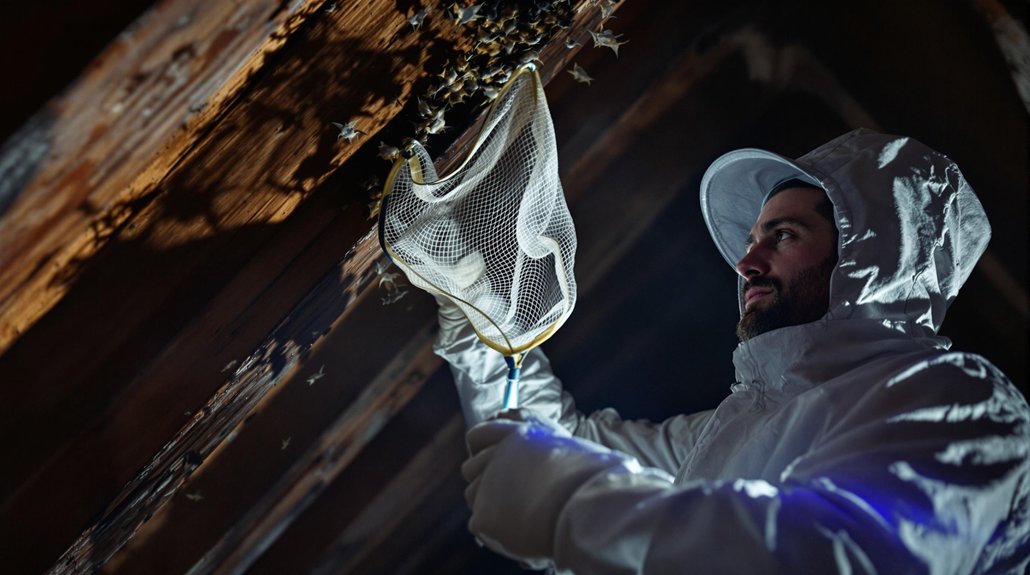
    Exterminators get rid of bats by following a careful process. First, they inspect the property to identify entry points and signs of infestation, such as droppings or noises. Next, they use humane methods to trap and remove the bats, often utilizing one-way devices that allow bats to exit but not re-enter. After removal, they seal all entry points to prevent future infestations. It's important to engage professionals due to health risks and legal regulations surrounding bats. Proper bat removal not only protects health but also guarantees the safety and integrity of the home. More insights await those interested.

    Key Article Highlights

    • Exterminators conduct a thorough inspection to identify entry points and assess the extent of the bat infestation.
    • They use humane exclusion methods, such as one-way doors, to allow bats to exit while preventing re-entry.
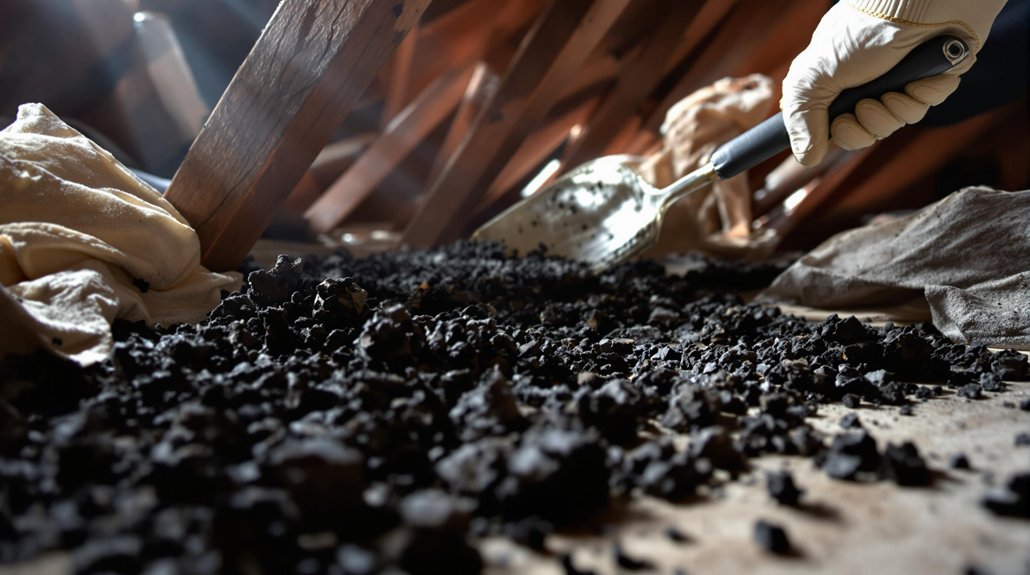
    • Cleanup of hazardous materials, like guano, is performed to minimize health risks associated with droppings.
    • Professionals ensure compliance with legal regulations regarding bat removal, including obtaining necessary permits.
    • Ongoing prevention strategies, such as sealing gaps and habitat modification, are implemented to deter future infestations.

    Understanding Bat Behavior

    Bats are fascinating creatures that play important roles in ecosystems. Understanding their behavior is essential for effective management. One key aspect is their bat roosting habits. Bats prefer to roost in dark, sheltered areas during the day, such as attics, caves, and tree hollows. These locations offer protection from predators and environmental elements.

    Bats are primarily nocturnal animals, meaning they are active at night. Their nocturnal activities include foraging for food, which consists mainly of insects. Using echolocation, bats can navigate and locate prey in complete darkness. This ability not only aids in their survival but also helps control insect populations, benefiting the environment.

    During the breeding season, bats often gather in large groups at roosting sites, which can lead to significant increases in local bat populations. Understanding these habits is imperative for those dealing with bat infestations. Recognizing when and where bats roost can help in developing strategies to manage their presence effectively. Overall, familiarity with bat behavior, including their roosting habits and nocturnal activities, is critical for anyone looking to address bat-related issues.

    Identifying Bat Infestations

    Often, homeowners may overlook signs of a bat infestation until the problem becomes significant. Understanding how to identify these signs is essential for effective management. Various bat species exhibit different roosting habits, which can help in recognizing their presence.

    Common indicators include droppings, known as guano, which can accumulate near entry points or roosting areas. Guano is often found in dark, sheltered spots and has a strong, pungent smell. Additionally, you may hear squeaking or rustling sounds during the evening or at night, which can signal activity within your home.

    Look for entry points, such as gaps in the roof, eaves, or walls, where bats can enter. These openings may be as small as a quarter. Observing bats flying out at dusk is another clear sign of an infestation.

    It is important to note that different bat species have varying roosting habits. Some prefer attics, while others may choose basements or wall cavities. By being vigilant and aware of these signs, homeowners can address bat infestations before they escalate into larger problems.

    Health Risks Associated With Bats

    Bats can pose several health risks to humans. One major concern is the transmission of rabies, which can occur through bites or scratches. Additionally, bat droppings can lead to histoplasmosis, and their presence may trigger allergies or respiratory issues in sensitive individuals.

    Rabies Transmission Concerns

    How can the presence of bats in residential areas raise health concerns? One significant concern is rabies transmission. Bats are known carriers of the rabies virus, which can pose serious health risks to humans and pets. Understanding rabies symptoms is essential for early detection and treatment. These symptoms may include fever, headache, and confusion, progressing to severe neurological issues.

    Prompt evaluation and vaccination are critical in case of potential exposure. The importance of vaccination cannot be overstated, as it can prevent the onset of rabies after a bite or contact with a bat.

    Here is an overview of rabies risks associated with bats:

    Aspect Details Action Required
    Transmission Primarily through bites Avoid direct contact
    Symptoms Fever, confusion, paralysis Seek medical help immediately
    Vaccination Essential after exposure Administer post-exposure vaccine
    Prevention Exclusion from homes Regular inspections and sealing

    Histoplasmosis and Bat Droppings

    The presence of bat droppings, known as guano, can lead to significant health risks, particularly the fungal infection histoplasmosis. This disease occurs when spores from the fungus Histoplasma capsulatum become airborne, often from disturbed bat guano. When inhaled, these spores can cause a range of health issues.

    Histoplasmosis symptoms can vary widely, affecting individuals differently. Common symptoms include fever, cough, fatigue, and chest pain. In some cases, the infection can become severe, leading to complications in individuals with weakened immune systems. It is important to recognize these symptoms early and seek medical attention if exposure to bat guano has occurred.

    Preventive measures are essential to avoid exposure. Proper removal of bat guano by trained professionals minimizes the risk of inhaling harmful spores. It is advisable to avoid cleaning bat droppings without protective gear, as disturbing the droppings can release spores into the air. Understanding the risks associated with bat guano and histoplasmosis is critical for maintaining health and safety in areas where bats are present.

    Allergies and Respiratory Issues

    Often overlooked, allergies and respiratory issues can arise from exposure to bats and their environments. Bat droppings, urine, and even the bats themselves may trigger health problems in sensitive individuals. Those with respiratory sensitivity may experience symptoms such as coughing, sneezing, and nasal congestion when exposed to allergens from bats.

    Bat allergy symptoms can vary widely among individuals. Common reactions include itchy eyes, skin rashes, and even asthma attacks in more severe cases. These symptoms result from the proteins found in bat saliva, urine, and feces. When these substances become airborne or settle in indoor environments, they can lead to significant health concerns.

    Individuals with pre-existing respiratory conditions, such as asthma or chronic obstructive pulmonary disease (COPD), may find their symptoms exacerbated by bat exposure. As a result, it is essential to address bat infestations promptly. Exterminators can help remove bats and clean up any droppings or urine, reducing the risk of allergic reactions and respiratory issues.

    Taking preventive measures can also help minimize exposure to bat allergens, ultimately safeguarding health and well-being. Understanding these risks is vital for individuals living in areas where bats may inhabit.

    Legal Considerations for Bat Removal

    Before undertaking bat removal, it is crucial to understand the legal considerations involved. Many regions have strict legal regulations regarding the removal of bats due to their status as protected wildlife. Ignoring these laws can lead to severe penalties and fines.

    Here are three critical legal considerations to keep in mind:

    1. Protected Status: Many bat species are protected under local and federal wildlife protection laws. It is illegal to harm or kill them without a permit.
    2. Seasonal Restrictions: Certain times of the year, particularly during breeding seasons, may restrict bat removal activities. This is to guarantee the survival of the species.
    3. Permit Requirements: In many cases, you must obtain a permit from wildlife authorities before attempting any removal. This guarantees that the process is handled humanely and legally.

    Understanding these legal regulations is essential to guarantee responsible and ethical bat removal. Always consult local wildlife agencies or professionals to ensure compliance and protect both the bats and yourself from legal issues.

    Initial Inspection and Assessment

    An initial inspection is essential in the bat removal process, as it allows exterminators to assess the extent of the infestation. During this stage, professionals examine potential bat habitats, such as attics, walls, and eaves. They look for signs of bat activity, including droppings, urine stains, and scratching sounds. Identifying these areas helps determine how many bats are present and where they are roosting.

    The timing of the inspection is also important, as seasonal migrations can affect bat populations. Exterminators must consider whether bats are in their roosting season or migrating to different locations. This knowledge guarantees that remediation efforts are conducted at the right time, reducing the risk of harming the bats or violating local laws.

    Additionally, the inspection helps identify entry points that bats may use to access the building. Understanding the layout of the structure and the surrounding environment is vital for developing an effective removal strategy. Overall, a thorough initial inspection sets the foundation for successful bat removal, guaranteeing that the process is efficient and compliant with legal regulations.

    Exclusion Methods for Bats

    After completing the initial inspection and identifying entry points, exterminators can implement effective exclusion methods to prevent bats from re-entering the building. These methods focus on sealing off access and modifying the habitat to discourage bats from returning.

    The use of exclusion devices is a primary strategy. These devices allow bats to exit the building but prevent them from coming back inside. Commonly used devices include one-way doors and mesh barriers.

    Habitat modification is another critical approach. By making changes to the environment, bats are less likely to find the area inviting. This can involve:

    1. Removing food sources: Confirm that trash is secured and eliminate insect populations around the property.
    2. Sealing gaps: Close off any possible entry points, such as cracks or holes in walls, eaves, and vents.
    3. Adjusting lighting: Bright lights can deter bats, as they prefer darker environments.

    Safe and Humane Trapping Techniques

    Employing safe and humane trapping techniques is vital for managing bat populations without causing harm. These methods focus on capturing bats alive, allowing for their safe relocation. Exterminators often use humane traps designed specifically for bats. These traps are effective and minimize stress for the animals.

    The process begins with identifying the areas where bats frequently roost. Once these locations are noted, traps are strategically placed to guarantee maximum capture rates. It is important to set the traps during times when bats are most active, typically at dusk or dawn. This increases the chances of a successful capture.

    After capturing the bats, the next step is bat relocation. Relocation should be done far enough away from human dwellings to prevent them from returning. Exterminators are trained to handle bats carefully to avoid injury to the animals. Following local regulations regarding bat relocation is also vital, as some species are protected.

    Sealing Entry Points

    Sealing entry points is essential in preventing bats from returning to a space. First, it is important to identify where bats enter a building. After locating these areas, using the right materials and seeking professional help guarantees effective sealing.

    Identifying Bat Entry Points

    Effective bat control begins with the crucial task of identifying potential entry points. Bats are known for their unique entry behaviors, often seeking small openings to access their preferred bat habitats. These entry points can be found in various areas around your home, making detection essential.

    To assist in identifying these entry points, consider the following:

    1. Inspect Roof and Eaves: Look for gaps or cracks in shingles, vents, and overhangs where bats may enter.
    2. Check Windows and Doors: Unsealed areas around windows and doors can provide easy access for bats, especially at dusk when they are most active.
    3. Examine Walls and Foundations: Look for holes or loose siding where bats might find entry.

    Materials for Sealing Holes

    When it comes to closing off entry points for bats, selecting the right materials is vital for long-term success. Using effective bat proof materials guarantees that bats cannot re-enter the premises after removal. It is important to choose the appropriate sealant options based on the size and location of the holes.

    Here is a table summarizing common materials used for sealing bat entry points:

    Material Type Description
    Steel Wool Coarse fibers that block small gaps.
    Caulk Flexible sealant for cracks and holes.
    Mesh Screens Physical barrier for larger openings.
    Spray Foam Insulation Expands to fill irregular spaces.

    Each of these materials serves a unique purpose in sealing entry points. Steel wool is particularly effective for small openings, while caulk provides a flexible seal for various crack sizes. Mesh screens can cover larger gaps, and spray foam insulation is ideal for irregular shapes. By utilizing these bat proof materials and suitable sealant options, homeowners can effectively prevent bats from returning, guaranteeing a bat-free environment.

    Importance of Professional Assessment

    A professional assessment is essential for ensuring that all potential entry points for bats are accurately identified and properly sealed. Engaging in a professional evaluation allows homeowners to avoid common pitfalls associated with DIY approaches. Expert consultation can help you understand the complexity of bat behavior and the specific areas that require attention.

    The importance of a thorough assessment cannot be overstated. Consider the following:

    1. Safety Concerns: Bats can carry diseases, making it crucial to handle the situation correctly.
    2. Preventing Future Infestations: Proper sealing minimizes the risk of bats returning, saving you time and money.
    3. Property Damage: Unsealed entry points can lead to further structural issues, impacting your home's integrity.

    Prevention Strategies for Homeowners

    To prevent bats from taking up residence in your home, it is essential to implement a series of proactive strategies. Regular home maintenance is vital in reducing potential entry points for bats. Seal any gaps or cracks in walls, roofs, and around windows and doors. This simple action can greatly minimize the risk of bats finding their way indoors.

    Additionally, consider bat house installation in your yard. This offers bats an alternative roosting site away from your home, encouraging them to stay outside.

    Here are some effective prevention strategies:

    Strategy Description Benefits
    Seal Entry Points Close off gaps in structures Reduces bat access
    Install Bat Houses Provide a safe roosting area outside Encourages bats to stay away
    Maintain Clean Surroundings Remove food sources and clutter Deters bats from nesting

    When to Call a Professional

    Knowing when to call a professional for bat removal is important for safety and effectiveness. Signs of bat infestation, such as droppings or noises in your home, should prompt immediate action. Additionally, understanding the health risks and the limitations of DIY methods can help you make the right decision.

    Signs of Bat Infestation

    Recognizing the signs of a bat infestation is vital for homeowners. Bats are nocturnal creatures, often going unnoticed until their presence becomes more obvious. If you suspect a bat issue, watch for these key indicators:

    1. Bat Vocalizations: Listen for high-pitched sounds, especially at dusk or dawn. These vocalizations are a clear sign of bats in your home.
    2. Droppings: Look for bat droppings, known as guano, which resemble small pellets. Finding these near entry points or under roosting areas indicates a problem.
    3. Entry Points: Check for small openings in your home's exterior. Bats can squeeze through tiny spaces, allowing them to enter your living space.

    If you notice these signs, it is important to contact a professional. Ignoring bat activity can lead to larger infestations and potential damage to your property. Taking prompt action will help guarantee that your home remains safe and bat-free. Early detection and intervention are key to managing bat populations effectively. Remember, the presence of bats should not be underestimated, and seeking expert help is the best course of action.

    Health Risks Involved

    The presence of bats in your home can pose several health risks that should not be overlooked. One significant concern is the transmission of bat related diseases. Bats are known carriers of various pathogens that can affect humans, leading to serious health issues. Rabies is the most notable of these diseases, and it can be fatal if not treated promptly.

    Additionally, bats can pose zoonotic risks, meaning the diseases they carry can be transmitted from animals to humans. Histoplasmosis, a respiratory disease caused by a fungus found in bat droppings, is another health threat. Inhaling spores from contaminated droppings can lead to severe lung issues.

    The presence of bats also raises concerns regarding allergens. Bat guano can create an unsanitary environment, leading to respiratory problems for sensitive individuals.

    If you notice bats in your home, it is vital to evaluate these health risks. Calling a professional exterminator is essential when dealing with bat infestations. They can safely remove the bats and clean up any hazardous materials, preventing potential health issues for you and your family. Taking action promptly can safeguard your health and well-being.

    DIY Methods Limitations

    Many homeowners may consider DIY methods for bat removal, believing it to be a manageable task. However, these approaches often have significant limitations that can lead to further complications. When faced with a bat infestation, it is essential to recognize when to call a professional.

    Here are three key reasons why DIY methods may fall short:

    1. Ineffectiveness of DIY repellent sprays: While some sprays claim to repel bats, they often do not provide lasting results, allowing the problem to persist.
    2. Limitations of sonic bat deterrents: These devices may not work effectively in all environments, leaving bats unaffected and continuing to occupy your space.
    3. Health risks: Handling bats or their droppings can expose homeowners to diseases, making professional intervention a safer choice.

    Attempting to remove bats without expertise can lead to stress and potential hazards. It is vital to seek professional help when the situation escalates. Trained exterminators have the necessary tools and knowledge to handle bat removal safely and effectively, ensuring a long-term solution to the problem.

    Frequently Asked Questions

    How Much Does Professional Bat Removal Typically Cost?

    Professional bat removal pricing typically ranges from $200 to $1,500, depending on factors such as the location, extent of the infestation, and specific services required. Engaging qualified professionals guarantees effective and safe removal practices.

    Can I Remove Bats From My Home Myself?

    Attempting DIY bat removal might seem heroic, but it often leads to chaos. Without proper bat removal tools and knowledge, the endeavor can be perilous and ineffective, ultimately requiring professional intervention for a safe resolution.

    What Time of Year Are Bats Most Active?

    Bats exhibit heightened seasonal activity during spring and summer months. This increased bat behavior involves foraging, mating, and roosting. Understanding these patterns is essential for effective management and conservation efforts regarding bat populations.

    Will Exterminators Guarantee That Bats Won't Return?

    Approximately 75% of bat removal cases see success when employing effective bat exclusion methods. While exterminators cannot guarantee permanent results, they often implement strategies for bat return prevention, considerably reducing the likelihood of future infestations.

    What Should I Do if I Find a Bat Inside?

    If you find a bat inside, remain calm. Observe bat behavior, ensuring it's not distressed. For safe removal, contact a professional wildlife expert who can effectively and humanely relocate the bat without harm to you or the animal.

  • What Attracts Squirrels to Your Attic?

    Squirrels are attracted to attics for several reasons. To begin with, attics provide safe, warm, and quiet spaces suitable for nesting. They often seek shelter from harsh weather and predators. Additionally, proximity to trees and shrubs nearby offers easy access to food sources. If squirrels find small openings, such as gaps or holes, they can easily enter attics to search for food or create nests. Urban settings further increase this attraction as natural habitats decrease. Understanding these factors can help homeowners identify and address potential squirrel issues before they escalate. There's more to know about preventing these pests.

    Key Article Highlights

    • Attics provide safe, warm, and quiet spaces for nesting, making them appealing to squirrels.
    • Proximity to trees and shrubs offers convenient foraging opportunities, attracting squirrels to homes.
    • Small entry points, such as gaps and holes, allow easy access for squirrels seeking shelter and food.
    • The presence of food sources, like pet food or bird feeders, draws squirrels closer to attics.
    • Urbanization has led squirrels to adapt by nesting in human structures, including attics, due to habitat loss.

    Ideal Shelter Conditions

    Creating the right environment is essential for attracting squirrels to your attic. Squirrels seek safe and comfortable spaces for nesting, and the design of your attic can play a significant role in this. An ideal shelter design should provide warmth, protection from the elements, and a quiet area away from potential threats.

    The location of your attic is also vital. Environmental factors, such as nearby trees and shrubbery, can influence a squirrel's decision to move in. Squirrels are excellent climbers, so easy access to your attic through overhanging branches can entice them.

    Additionally, the materials present in your attic can affect its appeal. Soft insulation or stored items may be attractive for nesting materials. To make your attic less appealing, consider removing these soft materials and sealing potential entry points.

    Maintaining a clean and tidy attic will discourage squirrels from making it their home. By understanding shelter design and environmental factors, you can create an environment that is less inviting for squirrels, preventing them from taking up residence in your attic.

    Availability of Food Sources

    The availability of food sources is a critical factor in attracting squirrels to your attic. Squirrels are resourceful creatures, and they often seek out locations where they can find and store food. Your attic may unintentionally provide a perfect environment for their foraging habits and food storage needs. Here are three key aspects that can draw squirrels to your home:

    1. Nearby Trees: If your home is close to trees or shrubs, squirrels can easily access your attic. These plants often provide nuts and seeds, which squirrels love to forage.
    2. Openings and Gaps: Squirrels can squeeze through small openings. If your attic has gaps, they may enter in search of food. Once inside, they may find leftover snacks or even pet food that you have stored.
    3. Bird Feeders: If you have bird feeders outside, they can attract squirrels. Squirrels are clever and will find ways to access these feeders, leading them closer to your attic.

    Warmth and Insulation

    Many homeowners may not realize that warmth and insulation play a significant role in attracting squirrels to their attics. Squirrels are sensitive to temperature changes and seek shelter that provides comfort. Attics often maintain a warmer environment than the outside, especially during colder months. This makes them appealing to these small mammals.

    Different insulation types can impact how inviting an attic becomes. For example, fiberglass insulation tends to be less effective at creating a barrier against the cold than spray foam insulation. The latter not only offers better thermal resistance but also reduces drafts, making the space cozier and more attractive to squirrels.

    Understanding squirrel behavior is essential in preventing these animals from invading your home. They tend to look for places that offer warmth, protection, and an ideal environment for nesting. If your attic provides these features, squirrels may see it as a perfect new home.

    To deter squirrels, confirm your attic is properly insulated and sealed against temperature fluctuations. By addressing these factors, homeowners can minimize the likelihood of squirrel infestations in their homes.

    Nesting Materials in Attics

    Squirrels often seek out attics as nesting sites due to the warmth and shelter they provide. Common nesting materials include leaves, twigs, and insulation, which squirrels gather to create a comfortable environment. To prevent squirrels from making your attic their home, it is important to understand their preferred nesting locations and take proactive measures.

    Common Nesting Materials

    Nesting materials play an essential role in the comfort and security of an attic environment for squirrels. These creatures have distinct nesting preferences that guide their choice of materials. Typically, squirrels favor natural materials that provide insulation and structure. The following list highlights some common nesting materials they may use:

    1. Leaves and Twigs: Squirrels often gather dried leaves and small twigs. These elements are lightweight and create a soft bedding that helps regulate temperature.
    2. Insulation: Many squirrels will take advantage of existing insulation found in attics. Fiberglass or cellulose insulation provides warmth and can be easily manipulated to form a cozy nest.
    3. Fabric and Paper: Squirrels may also collect scraps of fabric or paper. These materials are often scavenged from nearby areas and serve as soft additions to their nests.

    Understanding the types of natural materials squirrels prefer can help homeowners identify potential nesting sites. By being aware of these common nesting materials, you can take proactive measures to deter squirrels from making your attic their home.

    Ideal Nesting Locations

    Attics provide an ideal environment for squirrels seeking shelter and a place to raise their young. The enclosed space offers safety from predators and harsh weather, making it a preferred nesting location. Squirrels tend to choose areas that are warm, dry, and secluded. This behavior aligns with their nesting preferences, as they look for spots that minimize disturbance.

    In attics, squirrels often find various materials to create their nests. Common nesting materials include insulation, leaves, and even stray fabric. These materials are easily accessible in attics and provide warmth and comfort for their young. Squirrel behavior indicates that they may also return to the same nesting location year after year, reinforcing their attachment to specific areas within the attic.

    Understanding these nesting preferences can help homeowners recognize signs of squirrel activity in their attics. Squirrels are resourceful creatures, and their choice of nesting locations reflects their need for security and warmth. Properly addressing these preferences is essential for managing squirrel populations and preventing potential damage in the home.

    Prevention Tips for Attics

    To prevent squirrels from taking up residence in your attic, it is essential to eliminate potential nesting materials that they may find appealing. Squirrels are resourceful creatures and will utilize a variety of items to create their nests. Conducting regular attic inspections can help identify these materials before they become a problem. Here are three key prevention tips:

    1. Remove Debris: Clear out any old insulation, cardboard, or fabric that could serve as nesting materials. Squirrels are attracted to soft items that provide comfort for their young.
    2. Seal Entry Points: Inspect your attic for any openings, cracks, or holes. Use squirrel deterrents like metal flashing or mesh to close off these entryways, making it difficult for them to enter.
    3. Store Items Properly: Keep any stored items in airtight containers. This not only deters squirrels from accessing potential nesting materials but also protects your belongings from other pests.

    Entry Points and Access

    To attract squirrels to your attic, it is important to understand how they can gain access. Common entry locations include gaps and holes in the walls, as well as issues with the roof and eaves. Identifying and addressing these points can help create an inviting environment for these animals.

    Common Entry Locations

    Squirrels frequently seek out various entry points to access attics, often taking advantage of even the smallest openings. Understanding these common entry locations is essential for effective entry prevention. Squirrel behavior shows that they are agile and persistent, making it important to identify where they can enter.

    Here are three common entry points to watch for:

    1. Vents: Squirrels can easily access attic spaces through broken or poorly secured vents. They often chew through plastic or metal screens.
    2. Roof Gaps: Areas where the roof meets the walls or where shingles are missing create gaps that squirrels may exploit. These spaces are not always visible from the ground.
    3. Chimneys: If not properly capped, chimneys can serve as an easy route for squirrels to reach attics. They are attracted to the warmth and shelter that attics provide.

    Gaps and Holes

    Identifying gaps and holes around your home is vital for preventing squirrel access to attics. Squirrels are agile and can squeeze through surprisingly small openings. Conducting a thorough gap analysis is the first step in protecting your home. This process involves inspecting your property for any potential entry points that squirrels might exploit.

    Start by examining the foundation, walls, and soffits of your home. Look for gaps in siding, cracks in brick, or spaces around vents. Hole identification is essential; even an opening as small as two inches can allow a squirrel to enter. Pay special attention to areas where utility lines enter your home, as these spots can often harbor unseen gaps.

    Maintain a checklist during your inspection to guarantee no area is overlooked. Once identified, these gaps should be sealed promptly with materials such as steel mesh or caulk. Regularly revisiting this analysis will help you stay proactive against potential infestations. By taking these preventive measures, you can minimize the risk of squirrels gaining access to your attic and the problems they may bring.

    Roof and Eaves Issues

    A thorough inspection of your roof and eaves is essential for identifying potential entry points for squirrels. These animals are agile and can exploit even the smallest openings. Regular roof maintenance and effective eaves protection can help prevent infestations.

    Here are three common issues to check for:

    1. Damaged Shingles: Cracked or missing shingles can create gaps that allow squirrels to enter. Verify your roof is in good condition to deter these pests.
    2. Loose Eaves: Gaps where the eaves meet the roof can serve as access points. Secure your eaves and confirm they are tightly fitted to prevent entry.
    3. Ventilation Gaps: Exhaust vents for bathrooms or kitchens can be weak spots. Install proper screening over these openings to block squirrels while allowing ventilation.

    Urbanization and Habitat Changes

    Urban areas are increasingly encroaching upon natural habitats, creating significant changes in the environment that affect local wildlife. As urban expansion continues, forests, fields, and wetlands are often replaced by buildings and roads. This loss of habitat leads to habitat fragmentation, where large areas of wildlife space are broken into smaller, isolated patches. Such fragmentation makes it difficult for squirrels and other animals to find food, mates, and shelter.

    Squirrels adapt to these changes by seeking new nesting sites, often turning to attics and other human structures for refuge. They are opportunistic feeders, thriving on the seeds and nuts found in urban landscapes. Additionally, the presence of food sources like bird feeders and garbage can attract them closer to homes.

    The consequences of urbanization are profound. As natural habitats diminish, wildlife populations face increased pressure. For squirrels, urban environments can be both a challenge and an opportunity. They may find safety in urban structures, but this often leads to conflicts with homeowners. Understanding the impact of urban expansion and habitat fragmentation is essential for managing wildlife interactions effectively.

    Seasonal Behavior Patterns

    How do seasonal changes influence the behavior of squirrels? Squirrels exhibit distinct behavioral patterns throughout the year, largely driven by environmental factors. Understanding these patterns can help homeowners prevent unwanted infestations.

    1. Spring and Squirrel Breeding: During early spring, squirrels engage in breeding activities. This period sees increased activity as male squirrels compete for mates. Dens are often established or renovated to prepare for new offspring.
    2. Summer Nesting Habits: Summer is essential for nurturing young. Squirrels focus on feeding and nurturing their young, often leading them to seek out safe nesting spots. Attics can become attractive due to their shelter and protection from predators.
    3. Fall Preparations: As temperatures drop, squirrels begin to prepare for winter. They gather and store food, while also searching for cozy nesting sites. This is when attics become particularly appealing, as they provide warmth and security against the cold.

    These seasonal behavior patterns highlight the significance of monitoring your home throughout the year to prevent squirrels from taking up residence in your attic.

    Signs of Squirrel Infestation

    Squirrels can be noisy invaders, and recognizing the signs of an infestation early is essential for homeowners. Understanding squirrel behavior can help you identify when these animals have made your attic their home.

    Here are some common signs of a squirrel infestation:

    Infestation Sign Description Action
    Noises Scratching and scurrying sounds, especially at dawn or dusk. Investigate the source.
    Droppings Small, pellet-like droppings found in corners or near entry points. Inspect and clean affected areas.
    Gnaw Marks Chewed wires, wood, or insulation indicating active nesting. Seal entry points immediately.
    Nesting Materials Presence of leaves, twigs, and other debris in your attic. Remove debris and check for nests.

    If you notice these infestation signs, it may indicate that squirrels are living in your attic. Taking swift action is critical to prevent further damage to your home. Addressing the issue promptly will help you regain control over your space and maintain a peaceful environment.

    Frequently Asked Questions

    Can Squirrels Damage My Attic Insulation?

    Yes, squirrel behavior can lead to insulation damage. Squirrels may burrow through insulation, creating holes and reducing its effectiveness. This can result in increased energy costs and potential moisture issues in your attic space.

    How Do I Prevent Squirrels From Entering My Attic?

    To create an impenetrable fortress against squirrels, employ effective squirrel proofing techniques. Seal attic entryways with durable materials, install screens, and eliminate food sources nearby, ensuring a secure environment free from these persistent intruders.

    What Types of Squirrels Are Common in Attics?

    Common types of squirrels found in attics include tree squirrels and flying squirrels. Tree squirrels are typically larger, while flying squirrels are smaller and nocturnal. Both species seek shelter and nesting sites in residential areas.

    Are Squirrels Active During the Winter Months?

    Squirrels exhibit unique behavior during winter months, focusing on survival strategies. They often cache food, rely on stored supplies, and may remain less active. This adaptation helps them endure colder temperatures and limited resources.

    Can Pets Attract Squirrels to My Attic?

    When it comes to attracting unwanted visitors, pets can be a double-edged sword. Pet odors and leftover food sources may entice squirrels, increasing the likelihood they will seek refuge in your attic for shelter.

  • Should I Worry About Squirrels in My Attic?

    Yes, you should worry about squirrels in your attic. They can cause significant property damage by chewing on wooden structures and electrical wires. This can lead to costly repairs and even fire hazards. Additionally, squirrels may carry diseases and parasites that pose health risks to you and your family. Signs of a squirrel presence include distinct noises and nesting materials. Taking prompt action is essential to mitigate these risks, including sealing entry points and considering professional help for safe removal. Understanding these issues will provide you with better management strategies for future infestations.

    Key Article Highlights

    • Squirrels can cause significant property damage, including insulation tearing and chewed wires, leading to costly repairs.
    • They pose health risks, potentially transmitting diseases like leptospirosis and carrying parasites into your living space.
    • Squirrel droppings can lead to respiratory issues if inhaled, making prompt action necessary for health safety.
    • Their nesting in attics can create fire hazards and increase energy costs due to damaged insulation.
    • Effective prevention and removal techniques are essential to minimize risks and protect your home.

    Recognizing Squirrel Signs

    Recognizing the signs of a squirrel infestation is essential for homeowners seeking to maintain a safe and comfortable living environment. One of the first indicators of squirrels in your attic is the presence of distinct squirrel noises. These sounds often include scratching, scurrying, and chattering, typically heard during dawn or dusk when squirrels are most active.

    Another key sign is the discovery of nesting materials. Squirrels often gather items such as leaves, twigs, and insulation to create their nests. If you notice these materials in your attic or around entry points, it may indicate that squirrels have taken up residence.

    Homeowners should also look for droppings, which can be small and dark, resembling that of a mouse, but are typically larger. Additionally, check for any signs of chewing on wood or electrical wires, as squirrels have strong teeth designed for gnawing.

    Potential Property Damage

    Squirrels can wreak havoc on your property if left unchecked. Their presence in your attic can lead to significant property damage over time. Understanding the potential risks is vital for homeowners. Here are three common issues caused by squirrels:

    1. Squirrel Nesting: Squirrels often create nests in attics, using insulation and other materials. This can lead to structural damage and increased risk of fire hazards.
    2. Attic Insulation Damage: Squirrels can tear apart attic insulation, rendering it ineffective. Damaged insulation can lead to higher energy costs as it fails to regulate temperature properly.
    3. Chewing and Gnawing: Squirrels have strong teeth and a natural urge to chew. They may damage wires, wood, and other structural elements in your home, leading to costly repairs.

    If you notice signs of squirrel activity in your attic, it is imperative to take action quickly. Ignoring the problem can escalate the damage and increase repair costs. Consulting a professional can help guarantee your property remains safe and secure from these persistent pests.

    Health Risks Involved

    While many homeowners focus on the property damage caused by squirrels, it is equally important to contemplate the health risks associated with their presence in an attic. Squirrels can carry various diseases that pose potential dangers to humans and pets. One primary concern is the transmission of squirrel diseases, such as leptospirosis and tularemia. These diseases can be contracted through direct contact with infected animals or their droppings.

    Additionally, squirrels are known to carry parasites like fleas, ticks, and mites. These parasites can migrate from the squirrels to your living space, posing further health risks. Furthermore, the droppings of squirrels can lead to the spread of zoonotic risks, which are diseases that can be transmitted from animals to humans. Inhaling dust particles containing these droppings can result in respiratory issues.

    To mitigate these health risks, it is essential to address any squirrel infestations promptly. Seeking professional help for removal and ensuring proper sanitation in the attic can greatly reduce the likelihood of disease transmission. Being proactive about squirrel control not only protects your property but also safeguards the health of your family.

    Understanding Squirrel Behavior

    Understanding the behavior of squirrels is important for effective management of infestations in residential areas. Squirrels exhibit specific behaviors that can help homeowners identify and address potential problems. Here are three key aspects to take into account:

    1. Squirrel Communication: Squirrels communicate through a variety of vocalizations and body language. They may use chirps, barks, and tail movements to signal danger or establish territory. Understanding these sounds can help homeowners recognize when squirrels feel threatened or are marking their space.
    2. Nesting Habits: Squirrels often choose attics or hidden spaces for nesting. They prefer warm, dry environments that offer protection from predators. Knowing their nesting habits can aid in detecting signs of infestation early.
    3. Feeding Patterns: Squirrels are opportunistic feeders. They may store food in and around your home, leading to potential problems. Observing their feeding patterns can provide insight into their presence and activity levels.

    Prevention Techniques

    To prevent squirrels from entering your attic, it is important to take several steps. First, seal any entry points in your home to block their access. Additionally, trimming overhanging branches and installing squirrel deterrents can help keep these animals at bay.

    Seal Entry Points

    Sealing entry points is a essential step in preventing squirrels from invading your attic. Effective entry point identification is critical to keep your home safe from these pests. Squirrels can exploit small gaps, so thorough inspection is necessary.

    Here are three important sealing techniques to take into account:

    1. Inspect and Identify: Look for potential entry points around your home, including gaps in eaves, vents, and utility lines. Pay attention to any signs of wear or damage.
    2. Choose the Right Sealing Materials: Use durable materials such as steel mesh, hardware cloth, or caulk. These materials are effective in blocking squirrels and can withstand their gnawing.
    3. Regular Maintenance: Perform routine checks on your home's exterior. This guarantees that any new gaps or damages are addressed promptly, maintaining a secure environment.

    Trim Overhanging Branches

    After ensuring that all entry points are sealed, the next step in preventing squirrel invasions involves managing the environment around your home. One critical aspect of this management is tree trimming. Squirrels are agile creatures and can easily access roofs if they have overhanging branches as pathways.

    By trimming back any branches that extend towards your house, you can reduce the likelihood of squirrels gaining access to your attic. This branch management not only protects your home but also promotes the health of your trees. Regular trimming can prevent branches from becoming weak or diseased, thereby enhancing the overall appearance of your landscape.

    When undertaking tree trimming, focus on branches that are within ten feet of your roof. It is also advisable to remove any dead or damaged branches, as these can attract pests. Additionally, consider the height and spread of the trees surrounding your home. Keeping them well-maintained minimizes potential squirrel routes.

    Install Squirrel Deterrents

    Effective squirrel deterrents are crucial for maintaining a squirrel-free home. By using a combination of strategies, you can greatly reduce the chances of squirrels invading your attic. Here are three effective deterrents to take into account:

    1. Squirrel Repellents: These products often contain natural ingredients that are unpleasant for squirrels. When applied around entry points, they can discourage squirrels from approaching your home.
    2. Ultrasonic Devices: These devices emit high-frequency sounds that are inaudible to humans but disturbing to squirrels. Placing these devices in strategic locations can help keep squirrels at bay.
    3. Physical Barriers: Install mesh screens or metal flashing over entry points. This will prevent squirrels from entering your attic while allowing for ventilation.

    Implementing these squirrel deterrents can provide peace of mind and protect your home from unwanted visitors. Regular maintenance and monitoring of these methods will maintain their effectiveness over time. By taking proactive steps, you can create an environment that is less appealing to squirrels and other pests, safeguarding your living space for years to come.

    Safe Removal Methods

    When dealing with squirrels in your attic, it is important to prioritize safe removal methods to protect both the animals and your home. Humane traps are an effective option for capturing squirrels without harming them. These traps allow you to catch the animals alive, so you can release them away from your property. When using humane traps, be certain to check them frequently to minimize stress for the trapped squirrels.

    In addition to traps, natural repellents can help deter squirrels from your attic. Certain scents, such as peppermint oil or vinegar, can make the space less appealing to them. Spraying these natural repellents around entry points can encourage squirrels to leave.

    Always remember to follow local laws regarding wildlife removal, as some areas have specific regulations. It may also be beneficial to consult with a wildlife control professional to ascertain safe and effective removal. By using humane traps and natural repellents, you can address the issue of squirrels in your attic while treating the animals with respect and care. This approach not only solves the problem but also promotes a harmonious coexistence with local wildlife.

    Repairing Damage

    Squirrels can cause significant damage to your attic if not addressed promptly. Their nesting habits can lead to various issues that require immediate attention. It is vital to assess and repair any damage to prevent further complications. Here are three key areas to focus on during the repair process:

    1. Seal Entry Points: Identify and close any openings that allow squirrels access to your attic. Use effective squirrel proofing materials, such as heavy-duty wire mesh or metal flashing, to guarantee they cannot return.
    2. Replace Damaged Insulation: Squirrels often tear up attic insulation for nesting. After confirming the area is free of pests, conduct attic insulation restoration to improve energy efficiency and protect your home from moisture.
    3. Fix Structural Damage: Inspect for any chewed wires, wood, or other structural components. Repairing these damages is essential to maintaining the integrity of your home.

    Addressing these repairs not only protects your property but also contributes to a safer living environment. Taking swift action can minimize damage and reduce future complications related to squirrel infestations.

    Long-Term Solutions

    How can homeowners ascertain that their attics remain squirrel-free in the long run? Effective long-term solutions involve preventive measures, including habitat modification and humane trapping.

    Habitat modification refers to altering the environment around the home to make it less appealing to squirrels. This can include trimming tree branches that are close to the roof, removing food sources like bird feeders, and sealing entry points to prevent access.

    Humane trapping can also play a role in managing existing squirrel populations. This method captures squirrels alive, allowing for their relocation to a safe area away from the home. It is essential to check local regulations regarding trapping and relocation to guarantee compliance.

    To summarize, here are some key strategies for long-term squirrel prevention:

    Strategy Description Benefits
    Habitat Modification Trim trees and remove food sources Reduces attraction
    Humane Trapping Capture and relocate squirrels Ethical population control
    Seal Entry Points Close gaps and cracks around the home Prevents future access
    Regular Inspections Check for signs of new activity Early detection
    Community Awareness Educate neighbors about prevention Collective impact

    Implementing these strategies will help maintain a squirrel-free attic for years to come.

    When to Call Professionals

    Despite implementing preventive measures, some homeowners may still face challenges with squirrel infestations that require professional intervention. Understanding squirrel behavior is essential in determining when to seek help. If you notice signs of a squirrel problem, consider the following:

    1. Unusual Noises: If you hear scratching, thumping, or rustling sounds in your attic, it may indicate squirrels are nesting.
    2. Visible Damage: Look for chewed wires, insulation, or holes in your home's exterior. This damage can lead to costly repairs.
    3. Health Risks: Squirrels can carry diseases and parasites, posing a risk to your family's health.

    If you observe any of these signs, it is advisable to call professional services. Experts can assess the situation, safely remove the animals, and prevent future infestations. They possess the knowledge and tools needed to address the problem effectively, ensuring your home is secure. Remember, handling wildlife can be dangerous and is best left to trained professionals. Taking prompt action can help restore peace in your home while minimizing potential damage and health risks associated with squirrel infestations.

    Frequently Asked Questions

    Can Squirrels Cause Electrical Issues in My Attic?

    Imagine a cozy home disturbed by unexpected visitors; squirrels can indeed cause significant squirrel damage. Their chewing habits pose electrical hazards, potentially leading to fires. Addressing this issue promptly is essential for safety and peace of mind.

    Do Squirrels Bite or Attack Humans?

    Squirrel behavior typically avoids aggression towards humans. However, squirrel bites can occur if they feel threatened or cornered. It is advisable to exercise caution and avoid direct interaction with squirrels to prevent potential bites.

    How Do I Differentiate Between Squirrel and Rodent Sounds?

    To differentiate between squirrel and rodent sounds, focus on their distinct behaviors. Squirrels produce high-pitched chattering and scurrying noises, while rodents often create softer, scratching sounds. Sound identification can aid in evaluating the situation effectively.

    Can Squirrels Return After Removal?

    Squirrels can be persistent, returning like an unwelcome guest. Understanding squirrel behavior is vital for attic prevention. Proper sealing and deterrents are essential to guarantee they do not find their way back after removal.

    What Time of Year Are Squirrels Most Active?

    Squirrels exhibit increased activity during spring and fall, aligning with their breeding and foraging behaviors. Understanding squirrel behavior and their seasonal activity patterns is essential for effective management and prevention of potential issues.

  • How Much Does It Cost to Remove Bat Poop From Attic?

    How Much Does It Cost to Remove Bat Poop From Attic?

    The cost to remove bat poop from an attic usually falls between $500 and $2,000. This price can vary based on several factors, including the extent of the infestation and the methods used for removal. If the area is difficult to access, additional charges may apply. In addition, cleanup may involve extra tasks, such as replacing contaminated insulation or disinfecting surfaces, which can add to the overall cost. Professional services are recommended for safe disposal. Understanding these costs and factors is important for homeowners dealing with bat guano issues, and more details can provide more guidance on this topic.

    Key Article Highlights

    • The average cost for bat poop removal ranges from $500 to $2,000, depending on the extent of the contamination.
    • Additional cleanup and repairs, such as insulation replacement and surface disinfection, may add $200 to $800 to the total cost.
    • Removal techniques and the accessibility of the attic can significantly influence the overall cost of removal services.
    • Geographic location and local service availability can affect pricing for bat guano removal.
    • Hiring professional services ensures safe disposal and thorough cleanup, which may increase total expenses.

    Understanding Bat Guano Hazards

    Although bat guano may seem harmless at first glance, it poses significant health risks if not managed properly. Bat guano is the feces of bats and can be found in attics and other areas where bats roost. The primary health concern associated with bat guano is the potential for histoplasmosis, a serious respiratory disease caused by a fungus that thrives in bat droppings. When disturbed, the spores can become airborne, leading to inhalation and infection.

    In addition to histoplasmosis, bat guano can also attract other pests, such as insects and rodents, which can introduce further health risks. Prolonged exposure to bat guano can lead to respiratory issues and exacerbate pre-existing conditions such as asthma.

    It is vital to recognize these health concerns when dealing with bat guano. Proper removal and cleanup are essential to minimize exposure and guarantee a safe living environment. Homeowners should consider hiring professionals who understand the risks and procedures involved in safely removing bat guano. By addressing these hazards promptly, individuals can protect their health and maintain a safe home.

    Factors Affecting Removal Costs

    When considering the cost of removing bat guano from an attic, several key factors come into play. Understanding these factors can help in achieving an accurate cost estimation.

    The type of removal techniques used is essential. Professional services may employ specialized methods, which can influence the overall cost. Additionally, the extent of the infestation affects pricing. A larger area with more accumulated guano will typically require more labor and materials for removal.

    Another factor is the accessibility of the attic. If the space is hard to reach, additional charges may apply. Finally, local regulations and necessary permits can also impact costs.

    Here is a summary of the main factors:

    Factor Description
    Removal Techniques Methods used for safe and effective removal
    Extent of Infestation Size and volume of bat guano present
    Accessibility Difficulty of reaching the affected area
    Regulations Local laws that may require permits

    Average Cost of Bat Poop Removal

    The average cost of bat poop removal from an attic typically ranges from $500 to $2,000. This price can vary based on several factors, including the amount of guano present, the attic's accessibility, and local service rates. Understanding these costs is vital for homeowners facing this issue.

    When considering bat poop removal, here are a few key points to keep in mind:

    • Extent of Contamination: The more guano that needs disposal, the higher the average removal cost.
    • Professional Services: Hiring experts guarantees safe and effective guano disposal, which may add to the overall cost.
    • Location: Prices can differ considerably based on your geographical area and the availability of specialized services.

    Additional Cleanup and Repairs

    After addressing the removal of bat poop, it is vital to take into account additional cleanup and repairs that may be necessary. The cleanup procedures often extend beyond just removing the droppings. Contaminated insulation and damaged materials may require replacement, and proper sanitation is essential to guarantee a safe environment.

    The following table outlines common cleanup procedures and their associated costs:

    Cleanup Procedure Estimated Cost
    Insulation Replacement $1.00 – $3.00 per sq. ft.
    Surface Disinfection $200 – $500
    Drywall Repair $300 – $800
    Air Duct Cleaning $300 – $500
    Odor Removal Treatment $100 – $300

    Repair costs can vary widely based on the extent of the damage and the materials involved. It's important to get a detailed inspection to assess the full scope of cleanup and repairs needed. Addressing these issues promptly helps maintain the integrity of your home and guarantees a healthy living environment.

    Professional vs. DIY Removal

    Removing bat poop from an attic can be a challenging task, leading homeowners to ponder whether to hire professionals or tackle the job themselves. Each option has its advantages and disadvantages that should be carefully evaluated.

    DIY techniques can be appealing for those looking to save money. Homeowners may use basic cleaning supplies, gloves, and masks to safely remove droppings. However, this approach requires time, effort, and a willingness to follow safety precautions.

    On the other hand, professional services offer expertise and efficiency. Trained specialists have the right equipment and experience to handle the cleanup safely. This option may cost more upfront but can save time and guarantee thorough removal.

    Here are some factors to weigh when deciding between DIY and professional removal:

    • Cost: DIY might save money but can lead to hidden expenses.
    • Safety: Professionals are trained to handle hazardous materials safely.
    • Effectiveness: Experts may provide a more thorough cleanup and prevention strategies.

    Ultimately, the choice between DIY techniques and professional services will depend on your comfort level, budget, and the severity of the situation.

    Health Risks of Bat Droppings

    Exposure to bat droppings, commonly known as guano, can pose significant health risks to humans. One of the primary concerns is the potential for disease transmission. Bat guano can harbor harmful pathogens, including fungi and bacteria, which can lead to serious health effects. When guano dries, it can become airborne, making it easy to inhale.

    Histoplasmosis is one of the most notable diseases associated with bat droppings. This respiratory illness occurs when spores from a fungus found in guano are inhaled. Symptoms may include fever, cough, and fatigue, and in severe cases, it can cause long-term lung damage. Other health effects may arise from direct contact with guano, leading to skin irritation or other infections.

    Additionally, guano can attract pests, further increasing health risks. Rodents and insects that thrive in droppings may carry their own diseases, compounding the problem for homeowners. Consequently, understanding the health risks associated with bat droppings is vital for anyone dealing with an infestation. Proper removal and cleanup are essential to minimize exposure and safeguard health.

    Preventing Future Infestations

    To prevent future infestations of bats in your attic, it is essential to identify and eliminate potential entry points. Bats can enter through small gaps, so thorough inspections are necessary. Using effective bat exclusion methods will help guarantee that they cannot re-enter your home once they have been removed.

    Here are some key strategies to take into account:

    • Seal Gaps and Cracks: Inspect your home for openings, particularly around vents, chimneys, and eaves. Use caulk or mesh to seal these areas.
    • Install Bat Houses: By providing a designated area for bats, you can encourage them to roost outside rather than in your attic.
    • Regular Maintenance: Conduct preventative maintenance to keep your home bat-proof. This includes regular inspections and repairs to the exterior of your home.

    Frequently Asked Questions

    How Long Does the Bat Poop Removal Process Take?

    The bat guano cleanup process typically takes several hours to a few days, depending on the extent of the infestation. Proper attic restoration is essential to guarantee a safe and clean environment post-removal.

    Will Insurance Cover Bat Poop Removal Costs?

    Insurance policies may cover bat poop removal, but coverage limits vary by provider. Homeowners should review their specific policy and consult with their insurance agent to understand potential coverage for wildlife-related damages and cleanup costs.

    What Equipment Is Needed for DIY Removal?

    For DIY removal of bat droppings, essential equipment includes protective gear, such as gloves and masks, along with proper disposal methods using sealed bags. Ensuring safety and following local regulations is vital throughout the process.

    Can I Sell My House With Bat Guano Present?

    Selling a house with a bat infestation can greatly lower property value. For instance, a homeowner faced a 20% decrease in offers due to guano presence, highlighting the importance of addressing such issues before listing.

    Are There Seasonal Considerations for Bat Removal?

    Yes, seasonal considerations for bat removal are essential. Understanding bat migration and their seasonal behavior aids in determining the best time for removal, ensuring compliance with local regulations and minimizing disturbance to the bats.

  • Will Squirrels Eventually Leave the Attic on Their Own?

    Squirrels usually do not leave attics on their own. They are attracted to this sheltered space for nesting, especially during colder months. While they may be more active in the spring and early summer in search of food, they often remain until they are forced out. Without intervention, they may cause damage to your property and pose health risks. To effectively manage squirrel infestations, it is crucial to seal entry points and consider humane removal methods. Understanding these behaviors and strategies can help prevent future issues and guarantee a safe home environment. More insights are available on managing this situation effectively.

    Key Article Highlights

    • Squirrels may leave the attic on their own as warmer weather approaches, typically in spring or early summer when nesting and foraging intensify.
    • If food sources remain plentiful in the attic, squirrels are less likely to vacate without intervention.
    • Cold weather often drives squirrels to seek warmer shelter, but they may return if conditions remain favorable.
    • Signs of nesting and active behaviors indicate that squirrels are unlikely to leave until they feel safe or run out of resources.
    • Professional removal is often necessary to prevent damage and health risks associated with a persistent squirrel infestation.

    Squirrel Behavior Overview

    Squirrels often make themselves at home in various environments, including attics. These animals exhibit unique behaviors that reflect their adaptability and intelligence. One significant aspect of squirrel behavior is their communication. Squirrels use vocalizations, body language, and scent marking to convey messages to one another. This communication is essential for establishing territory and signaling danger.

    In terms of nesting habits, squirrels prefer to create nests in sheltered areas that offer protection from predators and harsh weather. Attics provide an ideal environment, as they are typically warm and secure. Squirrels often use materials such as leaves, twigs, and insulation to build their nests. These nests can be quite elaborate, demonstrating their resourcefulness.

    Squirrels are also known for their foraging behavior, collecting food and storing it for later use. This behavior is critical for their survival, particularly in colder months. Understanding these behaviors can help homeowners recognize the signs of an attic invasion and implement appropriate measures. By knowing how squirrels communicate and their nesting habits, individuals can better prepare for any potential issues related to these persistent creatures.

    Reasons for Attic Invasion

    Attics often attract squirrels due to their warm and sheltered environment. These spaces provide an ideal location for squirrel nesting, offering safety from predators and harsh weather. The enclosed nature of attics allows squirrels to create secure nests, where they can raise their young without disturbance.

    Additionally, attics may inadvertently serve as a food source. Squirrels are drawn to the potential availability of stored food, such as grains or pet food, which homeowners sometimes keep in these areas. The presence of these food sources can encourage squirrels to invade, as they seek to stockpile food for winter.

    Moreover, squirrels are agile and resourceful animals. They can easily access attics through small openings, such as vents or gaps in roofing. Once inside, they feel comfortable and secure, prompting them to establish a nesting site. This behavior can be especially prominent in the fall when squirrels prepare for colder months.

    Signs of Squirrel Infestation

    How can homeowners detect a squirrel infestation in their attic? Recognizing the signs is essential for timely intervention. Squirrels display specific nesting habits and communication methods that can alert homeowners to their presence.

    Here are some key indicators of a squirrel infestation:

    Signs Description
    Noises Scratching or scurrying sounds, especially at dawn or dusk.
    Nesting Materials Noticeable piles of leaves, twigs, or insulation in hidden areas.
    Droppings Small, dark, and pellet-like droppings found near entry points or nesting sites.

    Squirrels communicate through vocalizations and high-pitched calls, particularly when feeling threatened. Homeowners may hear chattering or barking sounds that indicate agitation or distress. Additionally, observing squirrels entering or exiting the attic can confirm an infestation.

    Potential Damage From Squirrels

    Damage from a squirrel infestation can be significant and costly for homeowners. Squirrels often choose attics for squirrel nesting, leading to various types of property damage. Their persistent chewing can harm electrical wires, insulation, and wooden structures. This not only poses a risk of fire but can also lead to higher energy costs due to damaged insulation.

    In addition to structural damage, squirrels can create entry holes in roofs and walls. These openings can allow moisture to enter, resulting in mold growth and further deterioration of the property. Additionally, squirrel droppings and urine can stain surfaces and lead to unpleasant odors.

    Homeowners may also face increased repair costs if the damage is not addressed promptly. Ignoring the problem can lead to more extensive damage over time, making it essential to take action against the infestation.

    Preventative measures, such as sealing entry points and removing food sources, can help minimize the risk of property damage. Understanding the potential impact of a squirrel infestation is vital for homeowners to protect their investment and maintain a safe living environment.

    Health Risks Associated With Squirrels

    Squirrel infestations pose several health risks for homeowners and their families. These risks arise from the potential transmission of squirrel diseases, which can affect both humans and pets. Understanding these health concerns is important for effective pest control and maintaining a safe living environment.

    Disease Transmission Method Symptoms
    Leptospirosis Contact with contaminated urine Fever, chills, headache
    Tularemia Bite from infected ticks or fleas Fever, skin ulcers
    Salmonella Contaminated food or surfaces Diarrhea, vomiting
    Rabies Bite from an infected squirrel Confusion, paralysis

    Squirrels can carry parasites like fleas and ticks, which may lead to further health issues. Additionally, their droppings can harbor harmful bacteria and fungi, creating respiratory risks. Homeowners must address squirrel infestations promptly to mitigate these health hazards. Effective pest control methods, including exclusion and sanitation, are essential to protect against potential diseases. Ignoring the presence of squirrels in the attic can lead to serious health implications for families.

    Natural Departure Patterns

    Understanding the natural behavior of squirrels can provide valuable insights into their departure patterns from attics. Squirrels are known for their seasonal habits, which greatly influence when they may leave enclosed spaces like attics. Typically, these animals migrate in response to changes in food availability, temperature, and breeding cycles.

    In spring and early summer, squirrels are often more active as they search for nesting sites and food sources. During this time, they may leave attics in favor of building nests in trees or other natural environments. Conversely, in colder months, squirrels tend to seek shelter in warmer places, which can include attics. This behavior is driven by their instinct to conserve energy and stay protected from harsh weather.

    As the seasons change, particularly in late winter or early spring, squirrels may exhibit migration behavior, moving to areas with more abundant food. This natural instinct can lead to a decline in attic occupancy as they explore other options. Understanding these patterns can help homeowners anticipate when squirrels may leave on their own, allowing for better planning regarding any potential removal efforts.

    Effective Exclusion Methods

    Homeowners seeking to prevent squirrels from entering their attics can benefit from effective exclusion methods. Implementing these strategies can help guarantee that squirrels do not find their way back into your home.

    Key exclusion methods include:

    • Sealing Entry Points: Inspect your home for gaps or holes. Use materials like metal mesh or caulk to seal these entry points effectively.
    • Installing Exclusion Barriers: Consider adding barriers around potential access areas, such as vents and chimneys, to deter squirrels from entering.
    • Maintaining Landscaping: Trim tree branches that are too close to the roof. This reduces the chances of squirrels jumping onto your roof and finding entry points.
    • Using Humane Traps: If you suspect squirrels are already inside, humane traps can be an effective way to capture and relocate them safely.

    When to Call Professionals

    Determining the right time to seek professional help for a squirrel infestation can be essential for effective management. If you notice signs of squirrels in your attic, such as noises or droppings, it is important to assess the situation. If the problem persists despite your efforts to exclude them, contacting professionals is advisable.

    Professional extermination services can provide expertise in squirrel relocation. They understand the legal and humane methods required to remove squirrels safely from residential areas. Attempting to handle the situation alone may lead to further issues, such as property damage or health risks from squirrel droppings.

    Additionally, if you suspect a squirrel has nested in your attic, it is imperative to act quickly. The longer they stay, the more challenging the removal process may become. Professionals can also help identify potential entry points, preventing future infestations.

    Frequently Asked Questions

    Can Squirrels Damage Electrical Wiring in the Attic?

    Squirrel behavior can lead to significant damage in attics, particularly to electrical wiring. Their gnawing instincts may compromise attic safety, resulting in potential fire hazards and costly repairs. Prompt action is recommended to mitigate these risks.

    How Long Can Squirrels Stay in an Attic?

    Squirrels can inhabit an attic for weeks to months, depending on attic conditions and available food sources. Understanding squirrel behavior is crucial for effective management and prevention of potential damage to your property.

    Do Squirrels Return to the Same Attic Year After Year?

    Squirrels often settle in familiar spaces, showcasing their strong nesting habits and predictable squirrel behavior. This tendency to return suggests that once they find a suitable attic, they may repeatedly revisit it for nesting.

    What Time of Year Is Best for Squirrel Removal?

    The best time for squirrel removal is late spring or early summer, after the mating season. Understanding their seasonal behavior helps guarantee successful removal, as squirrels are less likely to be nesting during this period.

    Can Squirrels Be Harmful to Pets in the Attic?

    Squirrels can pose risks to pets in the attic due to their behavior, which may include aggressive defense of their territory. Ensuring pet safety involves monitoring interactions and securing the attic to prevent conflicts.

  • What Month Are Moles Most Active?

    What Month Are Moles Most Active?

    Moles are most active during the spring and fall. In spring, they emerge to search for food after winter, benefiting from increased soil moisture and food availability, like earthworms and insects. In fall, moles ramp up activity to gather food for the winter months. Conversely, summer brings moderate activity as conditions can affect their foraging efforts, while winter sees reduced movement as moles burrow deeper to avoid the cold. Understanding their behavior during these peak months can help manage moles effectively in gardens. Explore further to learn about their regional variations and signs of activity.

    Key Article Highlights

    • Moles are most active in spring, as they search for food after winter and experience increased moisture in the soil.
    • Autumn also sees high mole activity, as they gather food to prepare for winter.
    • Summer activity is moderate; moles establish territories but may reduce activity due to dry conditions.
    • Winter results in low activity levels; moles burrow deeper to escape the cold and find fewer food sources.
    • Peak activity months for moles are therefore typically March through May and September through November.

    Understanding Mole Behavior

    Understanding mole behavior is essential for monitoring and managing their activity throughout the year. Moles are small mammals known for their unique physiology, which is specially adapted for life underground. Their bodies are streamlined, allowing them to move easily through the soil and navigate their extensive underground tunnels. These tunnels serve multiple purposes, including foraging for food and creating shelter.

    Mole physiology plays an important role in their behavior. They have powerful front limbs that are perfect for digging and a keen sense of touch to help them navigate in darkness. Moles primarily feed on insects, earthworms, and other small organisms found in the ground. This diet influences their movement patterns, as they frequently dig new tunnels in search of food.

    Understanding these factors can aid in effective management strategies for those who wish to help maintain a healthy ecosystem. By recognizing mole behavior, individuals can take steps to minimize unwanted damage to gardens and lawns while respecting the role moles play in soil health. As a result, a basic understanding of mole physiology and their underground tunnels is essential for anyone looking to serve both the environment and their community.

    Seasonal Activity Patterns

    Moles exhibit distinct seasonal activity patterns that influence their behavior and movement. These patterns are largely driven by changes in temperature and food availability, which vary throughout the year. Understanding these patterns can help in managing mole habitats effectively.

    Season Activity Level Seasonal Migrations
    Spring High Moles move to warmer areas for food.
    Summer Moderate Moles establish territories in rich soil.
    Autumn High Preparation for winter, increased foraging.
    Winter Low Moles burrow deeper to escape cold.

    During spring, moles become highly active as they search for food after the winter months. In summer, their activity levels moderate as they settle into their established mole habitats. As autumn approaches, moles ramp up their foraging to prepare for the colder months ahead. In winter, their activity decreases considerably, as they prefer to stay sheltered in deeper burrows.

    Peak Activity Months

    Peak activity months for moles are influenced by seasonal behavior patterns and weather conditions. Understanding these factors helps to identify when moles are most active. This knowledge can be useful for effective management and control strategies.

    Seasonal Behavior Patterns

    The activity of moles varies considerably throughout the year, with distinct patterns observed in different months. Moles are most active in spring and fall, as these seasons provide ideal conditions in their mole habitat. During these times, the soil is moist and rich in food sources, such as earthworms and grubs. This abundance encourages their tunneling behavior, as they dig extensively to find food.

    In spring, moles emerge from their winter burrows, actively searching for nourishment after months of reduced activity. Their tunneling behavior increases, leading to visible molehills on the surface. Fall marks another peak in activity, as moles prepare for winter. They create more tunnels to gather food and stock up on resources.

    In contrast, summer can lead to decreased activity due to dry soil conditions, which can make it harder for moles to find food. During winter, moles may still tunnel but are less visible, as they tend to stay deeper underground. Understanding these seasonal behavior patterns can help those looking to manage moles in their gardens, ensuring they can serve the needs of both the moles and their landscapes effectively.

    Weather Influence Factors

    Weather conditions play a significant role in determining the activity levels of moles throughout the year. Moles thrive in specific weather scenarios that provide ideal conditions for their habitat. Understanding these factors helps in predicting when moles are most active.

    Key weather influence factors include:

    • Soil Moisture: Moles prefer moist soil, which allows them to dig easily. Wet conditions enhance their movement and foraging.
    • Temperature: Moderate temperatures encourage moles to emerge from their burrows. Extreme heat or cold can reduce their activity levels.
    • Seasonal Changes: Spring and fall typically see increased mole activity as they search for food and prepare for winter.

    In ideal mole habitat, these weather conditions create a favorable environment for moles to thrive. When the soil is moist and temperatures are mild, moles are more likely to be seen above ground. This understanding assists homeowners and landscapers in managing their gardens and lawns. By recognizing peak activity months, individuals can take steps to minimize conflicts with these creatures, ensuring a balance between nature and human activities.

    Weather Influence on Moles

    Weather plays a significant role in the activity of moles. Temperature affects their behavior and movement, while rainfall influences soil conditions. Understanding these factors can help predict when moles are most active.

    Temperature Effects on Activity

    Mole activity is considerably influenced by temperature variations throughout the year. Understanding these temperature thresholds helps in predicting activity fluctuations among moles. Generally, moles are most active when temperatures are moderate, as extreme cold or heat can hinder their movement and feeding behavior.

    Key temperature effects on mole activity include:

    • Optimal Temperature Range: Moles thrive when temperatures are between 50°F to 60°F, promoting their foraging and burrowing activities.
    • Cold Weather Impact: In colder months, moles may reduce their activity markedly, as the ground becomes harder and food sources diminish.
    • Heat Stress: High temperatures can cause moles to seek refuge underground, leading to decreased activity levels as they wait for cooler conditions.

    Rainfall and Soil Conditions

    Moisture levels and soil conditions play a significant role in determining mole activity throughout the year. Moles are more active in moist soil, as this condition allows them to dig and hunt for food more easily. Rainfall patterns directly influence soil moisture, making the ground soft and favorable for tunneling.

    When rainfall is abundant, the soil retains more moisture. This situation creates an ideal environment for moles, as they thrive in conditions where they can easily navigate the earth. Conversely, during dry spells, moles may become less active, as hard, dry soil makes for difficult digging.

    Rainfall Patterns Soil Moisture Level
    High High
    Moderate Moderate
    Low Low

    Understanding these relationships helps us appreciate the behavior of moles in different seasons. By observing rainfall and its effects on soil moisture, we can better predict when moles will be most active. This knowledge is valuable for those who wish to serve their communities by managing wildlife or maintaining healthy gardens.

    Food Sources and Availability

    A variety of food sources are vital for the sustenance of moles throughout the year. The mole diet primarily consists of insects and worms, which are abundant in healthy soil. Understanding their food preferences helps us appreciate their role in the ecosystem. Moles are known to consume a range of organisms, including:

    • Earthworms
    • Grubs
    • Beetles

    These food sources are typically available in moist, nutrient-rich soils, making spring and summer the most active seasons for moles. During these months, the increased moisture allows worms and insects to thrive, making it easier for moles to find food.

    In the colder months, food availability decreases. Moles may become less active, as their primary food sources are buried deeper in the ground, where the soil is frozen. Despite this challenge, moles have adapted to seek out food by digging extensive tunnel systems.

    Understanding the food sources and availability is essential for anyone interested in serving the ecosystem. Protecting their habitats guarantees that moles can continue to thrive and contribute to soil health by aerating the earth and controlling insect populations.

    Breeding Season Impact

    Food availability not only influences the activity of moles but also impacts their breeding patterns. During the breeding season, typically in early spring, moles become more active as they search for mates. Understanding mole mating behaviors is vital for those who wish to manage land and gardens effectively.

    Moles have a specific reproductive cycle that begins with the emergence of warmer temperatures. As the days lengthen, males seek females, leading to increased digging and tunneling activity. This heightened movement can be observed in gardens and lawns, as moles create new tunnels in their quest for partners.

    Once a pair has mated, the female prepares for the birth of her young, usually occurring a few weeks later. This period involves the creation of nesting sites, where she will care for her offspring. The presence of abundant food sources, such as earthworms and insects, is fundamental during this time, as it guarantees the mother can nourish her young.

    For those interested in wildlife management, recognizing the impact of breeding season on mole activity can help mitigate any potential damage to gardens while respecting these creatures' natural behaviors.

    Regional Variations in Activity

    While factors such as temperature and soil type play an essential role, regional variations greatly influence mole activity throughout the year. Different mole species exhibit unique habitat preferences that can affect their behavior based on geographic location. For instance, the eastern mole may thrive in moist, loamy soils, while the European mole prefers drier, sandy conditions.

    In various regions, the following factors can affect mole activity:

    • Climate: Warmer climates may lead to increased year-round activity, while colder areas see moles becoming dormant in winter.
    • Soil Composition: Sandy soils allow for easier tunneling, encouraging more active moles in those areas compared to clay-heavy regions.
    • Vegetation: Regions with abundant plant life can provide better food sources, attracting more moles and increasing their activity.

    Understanding these regional variations helps in appreciating how different mole species adapt to their environments. By recognizing their habitat preferences, we can better support local wildlife and manage ecosystems. This knowledge can also assist in controlling mole populations when necessary, benefiting both the environment and local communities.

    Signs of Mole Activity

    Mole activity can often be identified through several distinct signs in the landscape. One of the most noticeable signs is the presence of mole tunnels. These are underground passages that moles create as they search for food. Tunnels can lead to raised ridges in the soil, which indicate that moles are active in the area.

    Another clear sign of mole activity is the appearance of mole tracks. These tracks are often found on the surface, where moles have pushed up the soil while moving around. The tracks can appear as small, winding paths that crisscross the ground.

    Homeowners may also notice small mounds of dirt near the entrances of mole tunnels. These mounds are created as moles push soil to the surface. Observing these signs can help determine if moles are present in your garden or yard.

    Recognizing these signs is important for anyone looking to understand mole activity better. By identifying mole tunnels and tracks, one can monitor their presence and activity levels throughout the year. This awareness is the first step in addressing any concerns related to moles in the landscape.

    Managing Moles in Your Garden

    In managing moles in your garden, it is essential to contemplate effective strategies that minimize their impact on your landscape. Moles can cause damage to lawns and flower beds, so implementing proper mole control methods is crucial for garden protection.

    Here are three simple strategies you can consider:

    • Natural Deterrents: Use plants like marigolds or daffodils that moles tend to avoid. These can help keep them at bay while enhancing your garden's beauty.
    • Traps: If moles are already present, using humane traps can effectively reduce their numbers. Be sure to follow local guidelines for trapping and relocation.
    • Soil Management: Maintaining healthy soil can deter moles. Aerate your lawn to prevent compaction, which can attract insects that moles feed on.

    Frequently Asked Questions

    How Long Do Moles Live in the Wild?

    How long do moles live in the wild? Typically, a mole's lifespan ranges from 2 to 3 years in wild habitats. This brief existence highlights the challenges they face in their subterranean world.

    Do Moles Hibernate During Winter Months?

    Moles do not hibernate during winter months. Their behavior includes remaining active, albeit at reduced levels. They continue to search for food, demonstrating adaptability in winter activity despite colder conditions affecting their environment.

    Can Moles Be Harmful to Pets?

    Mole behavior typically poses minimal risk to pets. However, pet safety should always be prioritized. Pets may dig or investigate mole tunnels, leading to potential injuries. Supervision is advised in areas with active mole populations.

    What Is the Average Size of a Mole?

    Like a small peanut, the average mole size typically ranges from 6 to 8 inches in length. Their mole anatomy features a cylindrical body, short limbs, and large paws, adapted for their burrowing lifestyle.

    How Fast Can Moles Tunnel Underground?

    Moles exhibit impressive tunneling speed, often reaching up to 18 feet per hour. Their underground habits allow them to create extensive networks, efficiently searching for food while aerating the soil, benefiting the surrounding ecosystem.

  • Are Squirrels Bad to Have Around Your House?

    Squirrels can be a mixed bag around your house. On the plus side, they help control pests and contribute to the ecosystem. However, they can also cause damage by chewing through wires or nesting in your attic, which leads to costly repairs. Additionally, squirrels might create trouble in your garden, uprooting plants and munching on fruits and vegetables. Health risks, like diseases spread through their droppings, make it essential to manage their presence. Understanding these factors can help you decide how to handle squirrels effectively. There's more to discover about living harmoniously with these critters.

    Key Article Highlights

    • Squirrels can cause structural damage by chewing on roofing materials and electrical wires, leading to costly repairs and fire hazards.
    • Their nesting behavior in attics can result in insulation damage and increased energy costs, making early identification crucial.
    • Squirrels may transmit diseases like Lyme disease and salmonella through ticks and droppings, posing health risks to humans and pets.
    • They disrupt gardens by uprooting seedlings and damaging vegetables, which can lead to significant crop loss and landscaping issues.
    • Although they provide ecological benefits, their presence can lead to problems that require professional intervention for effective management.

    Overview of Squirrel Behavior

    While many people enjoy watching squirrels dart around their yards, understanding their behavior can help homeowners manage their presence more effectively. Squirrels are social animals, and their communication is quite fascinating. They use a variety of sounds, including chirps and barks, to signal danger or establish territory. This vocal behavior is a key part of their social interactions.

    Squirrel nesting is another important aspect of their behavior. Squirrels typically build nests, called dreys, in trees or hidden locations. These nests provide shelter and a place to raise their young. They often gather leaves, twigs, and other materials to create a warm and safe environment. Understanding where and how squirrels nest can help homeowners identify potential issues, such as nests in attics or other unwanted areas.

    Benefits of Having Squirrels

    Having squirrels around your house can actually be beneficial. They help with natural pest control by eating insects and seeds that might otherwise harm your garden. Plus, their presence supports ecological balance, making your yard a healthier environment for other wildlife.

    Natural Pest Control

    Squirrels can play a surprisingly beneficial role in natural pest control around your home. These agile creatures are not just cute; they also contribute positively to your environment. By attracting squirrels, you can enhance your habitat preservation efforts while benefiting from their natural predator behavior. Here are four ways squirrels help control pests:

    1. Seed and Insect Management: Squirrels consume seeds and insects, reducing their populations around your yard. This helps maintain a balanced ecosystem.
    2. Food Source for Other Predators: Squirrels serve as a food source for larger natural predators, like hawks and foxes. This keeps those predator populations healthy and active.
    3. Deterrent for Rodents: The presence of squirrels can discourage other small rodents from invading your space, as they may see squirrels as competition.
    4. Soil Aeration: As squirrels dig for food, they aerate the soil, promoting healthy plant growth and enhancing the ecological balance.

    Ecological Balance Benefits

    The presence of squirrels around your home can greatly enhance ecological balance. These lively creatures play an important role in their environment. One of their key contributions is through squirrel population dynamics. By managing their own numbers, squirrels help maintain a stable community of other animals and plants. When their population is balanced, it allows various species to thrive, which is crucial for a healthy ecosystem.

    Squirrels also contribute to seed dispersal. As they forage for nuts and seeds, they often bury them to eat later. Some of these seeds are forgotten and eventually grow into new plants, fostering biodiversity. This process supports a variety of wildlife, creating a richer habitat.

    Moreover, squirrels serve as a food source for predators, including hawks and foxes. This predator-prey relationship is essential for maintaining a balanced food web. Fundamentally, the presence of squirrels helps sustain the ecosystem's health and stability. By appreciating their role in nature, we can acknowledge that having squirrels around your home is not just beneficial but crucial for a thriving ecological balance.

    Potential Risks to Your Property

    While squirrels can be fun to watch, they can also pose risks to your property. They might cause structural damage by chewing on wires or nesting in attics. Additionally, they can wreak havoc in your garden, digging up plants and stealing fruits and vegetables.

    Structural Damage Risks

    Although often seen as cute and harmless, squirrels can pose significant risks to the structural integrity of your home. Their presence can lead to various issues, especially when they decide to make your house their nesting ground. Squirrel nesting can create problems that may not be immediately obvious but can have lasting effects.

    Here are some potential risks associated with squirrels:

    1. Roof Damage: Squirrels can chew through roofing materials, creating openings that allow water to seep in.
    2. Insulation Damage: Their nesting habits often involve tearing up insulation, reducing energy efficiency and increasing heating costs.
    3. Electrical Hazards: Squirrels may nibble on electrical wires, posing fire risks and potential damage to your electrical systems.
    4. Structural Instability: Over time, squirrel activity can weaken beams and supports, leading to costly repairs.

    Addressing these issues promptly is essential. If you suspect squirrels are nesting in your home, it's wise to seek the help of a professional. Protecting your property from squirrel-related damage can save you time, money, and stress in the long run.

    Garden Destruction Issues

    Causing chaos in your garden, squirrels can be more than just a nuisance; they can wreak havoc on your carefully cultivated plants and landscaping. These furry little creatures are known for their relentless digging and foraging behaviors. As they search for food, they can cause significant garden damage, uprooting seedlings and disrupting the soil.

    One major concern for gardeners is vegetable loss. Squirrels have a particular fondness for tender vegetables and fruits, such as tomatoes, peppers, and squash. They often take a bite out of your hard-earned produce, leaving you with nothing but disappointment. Their antics can lead to entire crops being destroyed, which is especially frustrating for those who rely on their gardens for sustenance.

    Additionally, squirrels can disturb your flower beds, digging through the soil in search of bulbs or seeds. This not only damages the plants but can also create unsightly holes in your garden. With their playful yet destructive nature, it's clear that squirrels can pose a serious risk to your property, making it essential to find ways to protect your garden from these cheeky intruders.

    Squirrels and Your Garden

    Squirrels can be both charming and frustrating visitors to your garden. They can add life to your garden habitat, but they can also wreak havoc on your plants. To enjoy your garden while minimizing damage, consider these strategies for squirrel proofing plants:

    1. Choose Resistant Plants: Some plants are less appealing to squirrels. Consider planting herbs like rosemary or lavender, which they tend to avoid.
    2. Use Physical Barriers: Fencing or mesh can protect vulnerable plants. Ascertain the barriers are tall enough and buried slightly underground to deter digging.
    3. Employ Repellents: Commercial repellents or homemade mixtures like cayenne pepper can discourage squirrels from visiting your garden.
    4. Provide Alternative Food Sources: If you provide a designated feeding area away from your main garden, squirrels may be less inclined to raid your plants.

    Attic Infestations: What to Expect

    When you hear scratching sounds in your attic, it often signals the presence of unwelcome guests. Squirrels can be particularly problematic, as they not only invade your space but also cause significant attic damage. Their nesting habits involve creating large nests made of leaves, twigs, and insulation, which can lead to costly repairs.

    Here's what to expect if you have a squirrel infestation:

    Signs of Infestation Potential Damage
    Scratching noises Chewed wires
    Droppings and urine Damaged insulation
    Nests in insulation Holes in walls or roof
    Damage to vents Stains from urine
    Presence of baby squirrels Structural issues

    If you suspect squirrels are living in your attic, it's essential to act quickly. They can chew through wiring, leading to fire hazards and expensive repairs. Plus, the longer they stay, the more damage they cause. Understanding their nesting habits can help you identify the problem early and take appropriate measures to remove them safely.

    Squirrel-Borne Diseases

    Many homeowners may not realize that squirrels can carry diseases that pose health risks to humans and pets. Squirrel diseases are often transmitted through bites, scratches, or contact with contaminated feces and urine. Understanding these transmission risks is essential for maintaining a safe environment.

    Here are four squirrel-borne diseases to be aware of:

    1. Lyme Disease: While primarily associated with ticks, squirrels can harbor ticks that carry Lyme disease, posing a risk to anyone who comes into contact with these animals.
    2. Salmonella: Squirrels can spread Salmonella through their droppings. This bacteria can contaminate surfaces and food, leading to gastrointestinal illness.
    3. Tularemia: This is a rare but serious infection that can be contracted through handling infected squirrels or exposure to their bodily fluids.
    4. Leptospirosis: This bacterial disease is spread through water contaminated with squirrel urine, which can affect pets and humans alike.

    Homeowners should be cautious and take preventive measures to minimize the presence of squirrels around their homes to reduce exposure to these diseases.

    Effective Deterrents for Squirrels

    To maintain a safe and healthy home environment, it's important to implement effective deterrents for squirrels. These furry critters can cause damage and pose health risks, so taking action is key. One popular approach is using squirrel repellent options. These can range from natural ingredients like cayenne pepper or vinegar to commercial sprays designed to keep squirrels away. Applying these substances around your garden or entry points can create an unwelcoming environment for them.

    Another effective method is to secure potential food sources. Ascertain trash cans are tightly closed and bird feeders are squirrel-proof. This minimizes the chances of attracting them to your property.

    If you find squirrels have already made themselves at home, humane trapping methods can be an option. Live traps allow you to catch squirrels without harming them. Once captured, you can release them far from your home, reducing the chance of their return.

    How to Safely Coexist

    Coexisting with squirrels can be a rewarding experience if approached with the right mindset. By creating a welcoming environment, you can enjoy their presence while minimizing potential issues. Here are four tips for safely coexisting with these lively creatures:

    1. Squirrel Feeding: If you choose to feed squirrels, do so in moderation. Use natural foods like nuts or seeds, placing them in a designated area to prevent them from raiding your bird feeders.
    2. Backyard Habitats: Enhance your backyard habitats by planting native trees and shrubs. These provide natural food sources and nesting spots, encouraging squirrels to stay in their preferred areas.
    3. Secure Garbage: Keep your trash cans tightly sealed. This prevents squirrels from rummaging through your waste and reduces potential mess.
    4. Limit Access: Block entry points to your home, such as gaps in eaves or vents. This helps prevent squirrels from nesting in unwanted areas while allowing them to thrive in your yard.

    When to Call a Professional

    Recognizing when to call a professional for squirrel issues is essential for maintaining a safe and peaceful home environment. While squirrels can be charming, their presence can lead to damage or health risks. Here are some signs that indicate you should consider professional services for squirrel removal.

    Signs to Call a Professional What to Do
    Squirrels nesting in your attic Contact a squirrel removal service
    Chewed wires or insulation Schedule an inspection
    Frequent squirrel sightings Seek professional advice
    Squirrel droppings in your home Call for pest control
    Damage to your garden or yard Get expert help

    If you notice any of these signs, it's best to act quickly. Attempting to handle the situation on your own can lead to further complications or safety issues. Professional services have the tools and expertise to safely remove squirrels and prevent future infestations. They can assess the situation and provide tailored solutions to protect your home. Remember, a proactive approach can save you time, money, and stress in the long run.

    Frequently Asked Questions

    Do Squirrels Pose a Threat to Pets in My Yard?

    In the domain of domestic tranquility, understanding squirrel behavior is paramount. While squirrels generally pose minimal threats to pets, monitoring interactions guarantees pet safety. Vigilance can mitigate potential issues, fostering a harmonious coexistence in your yard.

    How Can I Tell if Squirrels Are Nesting in My Home?

    To identify squirrel nesting, look for signs of infestation such as gnawed wood, nesting materials like leaves or twigs, droppings, and noises in walls or attics. Early detection helps prevent further issues with squirrels.

    What Sounds Indicate a Squirrel Infestation?

    To identify a squirrel infestation, listen for distinctive squirrel calls and nesting sounds. These noises often include scratching or scurrying in walls or attics, signaling the presence of squirrels establishing a nest within your home.

    Are There Legal Protections for Squirrels in My Area?

    In many areas, local wildlife regulations provide legal protections for squirrels. These laws often prohibit harming or relocating them without proper permits. It is crucial to check your local regulations to guarantee compliance and protect wildlife.

    Can Squirrels Damage Electrical Wiring in My House?

    Imagine a tiny acrobat maneuvering your attic; that's squirrel behavior at play. While entertaining, these agile creatures can cause electrical hazards by chewing wires, leading to potential fires and costly repairs if left unchecked.

  • How to Recognize a Bat Infestation

    How to Recognize a Bat Infestation

    To recognize a bat infestation, look for specific signs. Bat droppings, or guano, are a clear indicator, often found near entry points or roosting areas. You may notice a strong musty odor from accumulated droppings. Additionally, listen for scratching or chirping noises, especially at night, which suggests bat activity. Inspect for small openings in roofs, walls, or eaves that allow entry. Stains on walls from bat oils can also signal their presence. If these signs persist, exploring further will provide deeper insights and may guide you toward effective solutions.

    Key Article Highlights

    • Look for guano (bat droppings) near entry points, which are small, dark, and pellet-like in shape.
    • Detect a musty odor from accumulated droppings, indicating a potential bat roost nearby.
    • Notice scratching or movement noises in walls or ceilings, especially during the night when bats are active.
    • Check for small entry points around roofs, vents, and eaves that allow bats to enter your property.
    • Observe bats flying in and out of your property during dusk or dawn, peak times for their activity.

    Common Signs of Infestation

    Recognizing a bat infestation can be essential for maintaining a safe and healthy environment. Bats can cause damage to property and pose health risks through their droppings and potential disease transmission. Understanding common signs of bat presence is vital for effective infestation prevention.

    One clear indicator of bat behavior is the presence of guano, or bat droppings. These droppings are often found near entry points or roosting areas. Another sign is the presence of a strong, musty odor that can result from large accumulations of guano. Additionally, you may notice stains or marks on walls or ceilings, which can be caused by oils from the bats' fur.

    Look for small openings around roofs, vents, and eaves. Bats can squeeze through surprisingly small spaces. If you observe bats flying in and out during dusk or dawn, this behavior often indicates a nearby roosting site. Addressing these signs promptly can help prevent a full-blown infestation. By recognizing these common signs early, homeowners can take proactive steps to mitigate the risks associated with bats and maintain a healthy living environment.

    Noises Indicating Bat Activity

    One way to recognize bat activity is by listening for specific noises. Scratching sounds in walls, high-pitched echolocation calls, and frequent fluttering at dusk are all indicators that bats may be present. Paying attention to these sounds can help determine if an infestation is occurring.

    Scratching Sounds in Walls

    The faint scratching sounds echoing from within your walls can be a telltale sign of a bat infestation. These noises often indicate the presence of bats engaging in their typical behaviors, such as nesting or moving around. Over time, these activities can lead to significant wall damage. Understanding the nature of these sounds is vital for addressing the issue promptly.

    Here are four key indicators of bat behavior associated with scratching sounds:

    1. Time of Day: Bats are nocturnal creatures. If you hear scratching noises primarily at night, it is likely they are active.
    2. Location: Pay attention to where the sounds are coming from. Bats often prefer dark, confined spaces like attics, walls, or eaves.
    3. Consistency: Scratching sounds that occur regularly suggest an established presence rather than a one-time visitor.
    4. Accompanying Noises: If you hear chirping or squeaking along with scratching, this may indicate a larger colony is present.

    If you observe these signs, it is essential to consult a professional to assess the situation and prevent further damage.

    High-Pitched Echolocation Noises

    Hearing high-pitched echolocation noises can be a clear indicator of bat activity in your home. Bats use these sounds for navigation and communication. The noises are typically beyond the range of human hearing, often falling in the sound frequency of 20 kHz to 100 kHz. This means that humans may not perceive these sounds, but specialized devices can detect them.

    Echolocation is an integral part of bat communication. Bats emit high-frequency sounds that bounce off objects, helping them locate prey and avoid obstacles. If you hear these high-pitched noises, especially during dusk or nighttime, it may suggest that bats are present in your attic or walls.

    Understanding these sound patterns is vital for identifying a potential infestation. If you suspect bat activity, consider using a bat detector to confirm the presence of these high-frequency sounds. Additionally, it is wise to consult with a professional wildlife removal service. They can provide advice on safely addressing the issue while respecting the ecological importance of bats. Recognizing the significance of high-pitched echolocation noises is an important step in managing a bat infestation effectively.

    Frequent Fluttering at Dusk

    Frequent fluttering noises at dusk can indicate the presence of bats in your vicinity. This dusk activity is an essential part of bat behavior as they emerge from their roosts to forage for food. Bats are nocturnal creatures, and their activity often peaks during twilight hours. Recognizing the sounds they make can help you identify an infestation.

    Here are some key characteristics of fluttering noises associated with bats:

    1. Location: Listen near eaves, attics, or trees where bats may roost.
    2. Timing: Fluttering is most pronounced at dusk, as bats take flight to hunt.
    3. Volume: The sounds can vary from light flutters to more pronounced wing beats, depending on the species.
    4. Pattern: Look for irregular, rapid changes in sound, which reflect the bats' agile flight.

    Understanding these aspects of bat behavior can assist you in determining if you have a bat infestation. If you hear frequent fluttering at dusk, it is advisable to investigate further to assess the situation and consider appropriate measures.

    Visual Evidence of Bats

    Recognizing visual evidence of bats is essential for identifying an infestation early. Observing bats in their natural habitat can provide vital insights. Look for specific bat coloration patterns, which can vary widely among species. Some bats have dark brown or black fur, while others may display lighter shades or even reddish tones.

    Additionally, pay attention to bat wing shapes. Bats typically have elongated wings that enable them to maneuver swiftly through the air. These wings can appear narrow or broad, depending on the species. For instance, the large brown bat has wide wings, while the little brown bat features more slender wings.

    When observing bats, their flight behavior can also be indicative. They often fly in erratic patterns, swooping and diving to catch insects. This behavior, along with their distinctive wing shapes, helps distinguish them from birds.

    If you notice signs of bats entering or exiting a structure, take note of the time and location. Early identification through visual evidence can help in managing a potential infestation effectively. Always consult with a professional if you suspect bats in your vicinity.

    Understanding Bat Droppings

    Bat droppings, commonly known as guano, serve as a key indicator of an infestation. Understanding droppings identification is essential for recognizing the presence of bats in a space. Different bat species produce droppings that vary in size, shape, and appearance. Recognizing these differences can help determine the type of bats present and the extent of the infestation.

    Here are four key characteristics to evaluate when identifying bat droppings:

    1. Size: Bat droppings are typically small, ranging from 1/8 to 1/2 inch in length. Some species produce larger droppings.
    2. Shape: Most bat droppings are elongated and cylindrical, resembling small pellets or rice grains.
    3. Color: Fresh droppings appear dark brown or black and may have a shiny sheen. As they dry, they become lighter and more crumbly.
    4. Texture: Fresh guano is soft and moist, while older droppings become hard and brittle.

    Being aware of these characteristics can aid in the effective identification of bat droppings, helping property owners take appropriate action against infestations.

    Entry Points and Access Areas

    Entry points and access areas are critical factors in identifying a bat infestation within a structure. Bats typically enter buildings through small openings. These can include gaps in roofs, cracks in walls, and spaces around windows and doors. Identifying these entry points is essential to understand the extent of an infestation.

    Common access areas for bats are often found in attics, basements, and eaves. Bats prefer locations that provide shelter and protection, making attics prime targets. Inspecting these areas thoroughly can reveal signs of entry, such as droppings or bat urine stains. Additionally, look for chewed or damaged areas around potential entry points, as bats can create openings larger than initially observed.

    It is important to conduct inspections during dusk or dawn when bats are most active. This can help pinpoint their roosting locations and preferred access areas. By understanding where bats are entering, property owners can take necessary steps to seal these points effectively. Proper identification of these entry points is the first step in controlling and preventing bat infestations, ensuring a safer living environment.

    Health Risks Associated With Bats

    The presence of bats in a building can pose significant health risks to occupants. These risks are primarily linked to disease transmission and allergic reactions. Bats are known carriers of various pathogens that can affect human health. Understanding these risks is essential for maintaining a safe environment.

    1. Rabies: Bats can transmit rabies, a viral disease that affects the nervous system and is often fatal if untreated.
    2. Histoplasmosis: This fungal infection arises from bat droppings, or guano, and can cause respiratory issues when spores become airborne.
    3. Allergic Reactions: Exposure to bat droppings and urine can trigger allergic reactions in sensitive individuals, leading to symptoms like sneezing, coughing, and skin irritation.
    4. Candidiasis: This yeast infection can occur due to an overgrowth of fungi found in bat habitats, affecting the respiratory system.

    Immediate action is necessary to address these health concerns. Regular inspections and prompt removal of bats and their droppings can help reduce the risks associated with bat infestations. Being aware of these health risks guarantees the well-being of all building occupants.

    When to Call Professionals

    In situations where a bat infestation is suspected, it is vital to know when to seek professional assistance. Bats can pose serious health risks, and handling them without proper training can be dangerous. If you notice signs of bats, such as droppings or sounds in your attic, do not attempt to remove them yourself. Professional bat removal services are equipped with the right tools and expertise.

    You should call professionals if you see bats entering or exiting your home, find a dead bat, or hear scratching noises. Additionally, if you have been exposed to bats or suspect rabies, immediate action is necessary. A professional inspection can help determine the extent of the infestation and identify entry points. This inspection is important for effective removal and prevention of future issues.

    Attempting to manage a bat problem without expertise can lead to further complications and health risks. Professionals not only guarantee safe removal but also provide valuable advice on how to secure your property against bats. Remember, when in doubt, it is always best to rely on trained experts to handle bat infestations.

    Frequently Asked Questions

    Can Bats Infest Residential Areas During Winter Months?

    Like a quiet storm, bat activity can shift during winter months. While many bats hibernate, some species may seek shelter in residential areas, displaying unusual winter behavior that could indicate potential infestations.

    How Can Bats Be Removed Humanely From My Property?

    To guarantee humane removal of bats from your property, employ bat exclusion techniques. This involves sealing entry points and using one-way doors, allowing bats to exit while preventing re-entry, thereby promoting safe coexistence with wildlife.

    What Are the Best Prevention Methods for Bat Infestations?

    An ounce of prevention is worth a pound of cure. Effective bat-proofing techniques include sealing entry points and employing exclusion methods, such as installing one-way doors, to guarantee bats cannot re-enter your property after removal.

    Are Certain Bat Species More Prone to Infestations?

    Certain common bat species, such as the little brown bat, are more likely to adapt to urban environments. Their behavior in cities often leads to increased interactions with humans, sometimes resulting in infestations.

    How Do I Distinguish Between Bats and Other Wildlife?

    To distinguish bats from other wildlife, observe bat behavior, such as their unique flying patterns and nocturnal activity. Additionally, consider wildlife similarities like size and habitat, but note bats' distinct echolocation and roosting habits.

We've Merged With Plunkett's / Varment Guard! Learn More

X
Call Now Button