Best Way Animal Removal

Tag: bat removal

  • Are Bats Hard to Get Rid Of?

    Are Bats Hard to Get Rid Of?

    Bats can be difficult to remove because of their behavior and legal protections. They often roost in dark, sheltered areas of homes, using small gaps for entry. Once inside, they return regularly, creating challenges for removal. Additionally, bats can pose health risks, such as transmitting diseases and causing allergic reactions through droppings. Legal regulations can restrict when and how bats can be removed, requiring permits. Effective exclusion methods involve sealing entry points and maintaining clean surroundings. For those looking to manage bat situations effectively, there are more strategies and important factors to take into account.

    Key Article Highlights

    • Bats can be difficult to remove due to legal protections that require permits and specific removal seasons.
    • Identifying and sealing multiple entry points is essential, as bats often return to familiar roosting spots.
    • Effective removal often necessitates professional wildlife control services to ensure safe and humane practices.
    • Regular inspections and maintenance of homes can prevent bats from entering, reducing future infestations.
    • Installing bat houses can provide alternative roosting options, minimizing conflicts with humans.

    Understanding Bat Behavior

    Bats are fascinating creatures that exhibit unique behaviors vital for their survival. One of the most important aspects of bat behavior is their communication. Bats use a range of sounds to convey messages to one another. These calls can indicate danger, locate food, or maintain social bonds. Understanding bat communication is significant for researchers and those interested in wildlife.

    Another key aspect of bat behavior is their roosting habits. Bats prefer to roost in dark, sheltered areas during the day. Common roosting sites include caves, trees, and human structures. By roosting in these locations, bats can protect themselves from predators and harsh weather. They often return to the same roosting spots night after night, creating a stable environment for rest and reproduction.

    Bats are also nocturnal animals, meaning they are most active at night. This behavior helps them avoid daytime predators and take advantage of feeding opportunities. By understanding bat communication and roosting habits, we can better appreciate their role in the ecosystem and develop effective strategies for coexisting with them. This knowledge is vital for anyone looking to manage bat populations responsibly.

    Health Risks of Bat Infestations

    Bat infestations can pose serious health risks to humans. They can transmit diseases, such as rabies, which can be dangerous if not treated. Additionally, some people may experience allergic reactions to bat droppings or other materials.

    Disease Transmission Risks

    When dealing with a bat infestation, one significant concern is the potential for disease transmission. Bats are known carriers of various bat diseases that can pose serious health risks to humans. One of the most notable concerns is rabies, a deadly virus that can be transmitted through bites or scratches. Although not all bats carry rabies, the zoonotic risks associated with potential exposure are significant.

    Another disease linked to bats is histoplasmosis, a fungal infection that can arise from inhaling spores present in bat droppings. This respiratory disease can lead to severe health complications, especially for those with weakened immune systems.

    Additionally, bats can harbor parasites such as mites and fleas, which can create further health issues if they come into contact with humans or pets. The presence of these parasites increases the zoonotic risks associated with bat infestations.

    To mitigate these health risks, it is vital to address bat infestations promptly and effectively. Proper removal and exclusion methods can help guarantee that humans and pets are protected from the diseases and parasites that bats may carry.

    Allergic Reactions Potential

    Health risks associated with bat infestations extend beyond disease transmission. One significant concern is the potential for allergic reactions. When bats occupy a space, they leave behind droppings, urine, and fur. These materials can trigger allergies in sensitive individuals.

    The proteins found in bat droppings and fur can lead to a histamine response in some people. This response may manifest as symptoms such as sneezing, nasal congestion, or itchy eyes. In more severe cases, individuals may experience difficulty breathing or skin rashes.

    It is important to recognize the signs of an allergic reaction, especially in homes where bats are present. Those with pre-existing respiratory conditions, such as asthma, should be particularly cautious.

    To mitigate these health risks, it is vital to address bat infestations promptly. Proper removal and cleanup of bat waste are essential steps. Additionally, sealing entry points can help prevent future infestations. By understanding the allergic reactions related to bats, homeowners can take proactive measures to protect their health and guarantee a safe living environment.

    Common Entry Points for Bats

    In many cases, homes and buildings provide numerous entry points for bats seeking shelter. Bats often look for dark, quiet spaces to roost, making attics and basements attractive bat habitats. Gaps in rooflines, eaves, and vents can serve as easy entry points. Additionally, cracks in walls or openings around windows and doors may also allow bats to enter.

    Seasonal migration can influence bat activity. During warmer months, bats may seek out various structures for roosting as they look for places to raise their young. In autumn, they may enter buildings to find warmer spots for hibernation. Chimneys and flues can become common entry points, especially if they are not properly sealed.

    It is important to inspect your property for these potential access points. Regular maintenance can help identify and close gaps that bats might exploit. Screening vents and repairing holes can considerably reduce the likelihood of bats entering your home. By understanding where bats might get in, homeowners can take proactive steps to prevent infestations and protect their living spaces.

    Challenges in Bat Removal

    How can homeowners effectively deal with bats once they have entered their property? Bat removal can be a challenging process due to various factors. First, bats are protected by law in many areas. This means that homeowners must follow specific regulations during removal. Ignoring these laws can lead to legal issues.

    Second, bats often roost in hard-to-reach places. This can make the use of standard bat removal techniques difficult. Homeowners may need specialized tools or assistance from professionals to access these locations safely.

    Safety precautions are also essential. Bats can carry diseases, such as rabies, so handling them without proper gear can pose health risks. Homeowners must wear gloves and masks to prevent exposure to bat droppings and potential pathogens.

    Lastly, bats can return if entry points are not sealed properly. This means the removal process does not end with the bats leaving. Effective monitoring and sealing of entry points are necessary to prevent future infestations. Overall, dealing with bats requires careful planning, awareness of laws, and a commitment to safety.

    Effective Bat Exclusion Methods

    Effective bat exclusion methods are essential for homeowners seeking to prevent future infestations. To guarantee bats do not return, it is important to take a structured approach. This includes sealing entry points, utilizing humane traps, and creating an unfriendly environment for bats.

    Here is a simple guide to effective bat exclusion methods:

    Method Description
    Seal Entry Points Inspect the home for cracks and holes. Use caulk or screens to close gaps.
    Install One-Way Exclusion Use one-way doors to allow bats to exit but not re-enter.
    Remove Food Sources Eliminate standing water and secure garbage. Bats are attracted to easy food.
    Use Repellents Natural repellents like essential oils can deter bats from roosting.

    Legal Considerations for Bat Removal

    Understanding the legal considerations for bat removal is vital for homeowners. Bats are often protected by legal regulations due to their role in the ecosystem. These laws vary by region but commonly include restrictions on how and when bats can be removed or relocated.

    Many species of bats are classified as wildlife and are protected under state or federal law. This protection is important for maintaining biodiversity and safeguarding the survival of these creatures. Consequently, homeowners must be aware that removing bats without following legal guidelines can lead to fines or penalties.

    It is important to check local wildlife protection laws before taking action against bats in your home. Some regions may require permits for removal, while others may have specific seasons when removal is allowed. Additionally, hiring a professional wildlife control service can help guarantee compliance with legal regulations. These experts are familiar with the laws and can safely and humanely remove bats while minimizing legal risks.

    Preventing Future Bat Problems

    To prevent future bat problems, it is important to seal any entry points in your home. Installing bat houses can also provide a safe alternative for bats, keeping them away from your living space. Additionally, maintaining clean surroundings will help reduce attractants that may invite bats into your area.

    Seal Entry Points

    Sealing entry points is a crucial step in preventing future bat problems. Proper entry sealing is fundamental to guarantee that bats do not return. By identifying and closing off potential entryways, you can effectively use bat proofing methods to protect your space.

    Consider these key actions for effective sealing:

    • Inspect your property: Look for gaps, cracks, or holes in walls, roofs, and foundations.
    • Seal gaps: Use materials like caulk or foam to seal small openings.
    • Install screens: Place fine mesh screens over vents and chimneys to block entry.
    • Repair damaged areas: Fix broken shingles, siding, or windows to close off potential access points.
    • Regular maintenance: Periodically check your property for new gaps or signs of wear.

    Install Bat Houses

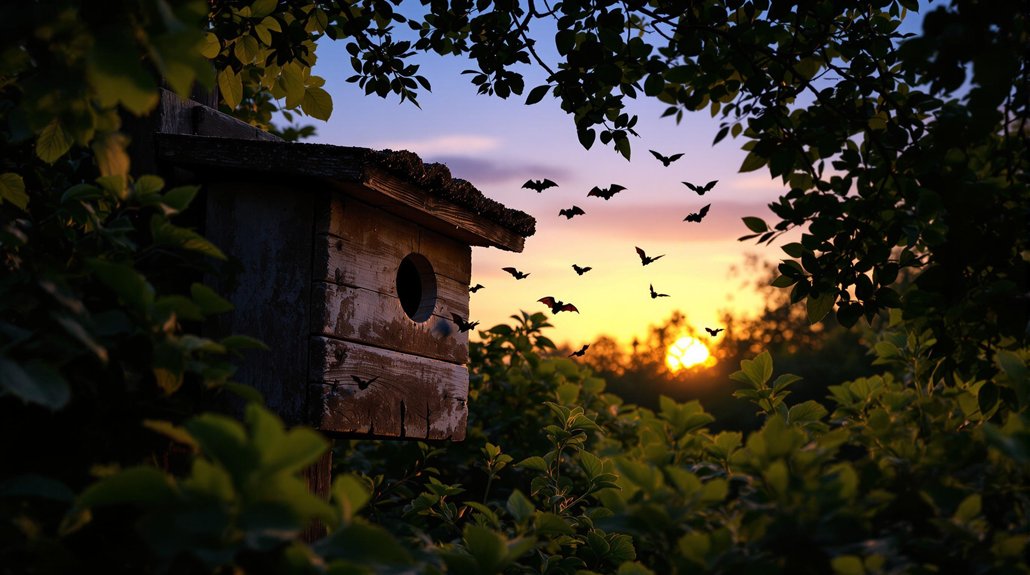
    Installing bat houses can be an effective strategy for managing bat populations while providing them with a safe habitat. Bat houses offer several benefits. They give bats a place to roost, which can help keep them away from human structures. This reduces the chances of bats entering homes or buildings. A well-placed bat house can attract bats, encouraging them to live in your yard instead of your attic.

    When considering bat house placement, choose a spot that is high and sheltered. Ideally, the bat house should be mounted at least 10-15 feet above the ground. It should also face south or southeast to catch the morning sun. This warmth is important for bats, especially in cooler climates. Avoid placing bat houses near bright lights or loud noises, as these can deter bats from roosting.

    Maintain Clean Surroundings

    Maintaining clean surroundings is essential in preventing future bat problems. Effective sanitation practices and proper habitat management can greatly reduce the chances of bats returning. By keeping your environment tidy, you minimize potential food sources and nesting sites for bats.

    To guarantee a bat-free zone, consider the following practices:

    • Seal Cracks and Gaps: Inspect your home for openings where bats might enter and seal them.
    • Remove Food Sources: Clean up areas where insects may gather, as bats feed on them.
    • Clear Debris: Keep yards and attics free of clutter, which can attract bats or provide nesting materials.
    • Trim Vegetation: Maintain trees and shrubs to limit bat access to your home.
    • Regular Cleaning: Implement routine cleaning of your property to eliminate potential roosting sites.

    Frequently Asked Questions

    How Long Does a Typical Bat Infestation Last?

    A typical bat infestation can last several weeks to months without intervention. Effective bat removal duration depends on infestation management strategies employed, including exclusion methods and habitat modifications to discourage re-entry and guarantee long-term results.

    Can Bats Return After Removal?

    Could a door be left ajar for unwelcome guests? Following bat removal, they may return if entry points are not sealed. Effective return prevention strategies are essential to maintain a bat-free environment and guarantee long-term success.

    What Are the Signs of a Bat Infestation?

    Signs of a bat infestation include bat droppings identification, which appear as small, dark pellets, and nocturnal behavior observation, such as hearing fluttering sounds or seeing bats flying near entry points at dusk.

    Do Bats Hibernate in Homes?

    Bats exhibit specific hibernation patterns, often seeking shelter in attics or basements during colder months. Understanding bat behavior is essential for homeowners, as these creatures may unintentionally occupy living spaces while searching for warmer environments.

    What Time of Year Are Bats Most Active?

    Bats are most active during warmer months, typically from spring to fall. Their seasonal behavior includes foraging for food and seeking roosting sites, which correlates with increased insect availability and ideal temperatures for survival.
  • What to Do if You Can’t Find a Bat in Your House?

    What to Do if You Can’t Find a Bat in Your House?

    If you can't find a bat in your house, stay calm and assess the situation. Look for signs of bat presence, such as droppings or scratches. Bats often hide in dark areas like attics or behind furniture. Turn off lights and open windows to encourage the bat to exit towards the darkness. Using sound can also help lure it out, so consider playing recorded bat calls. If the bat remains hidden, seek professional assistance to guarantee safe removal. Monitoring its behavior can provide helpful clues about its whereabouts. Discovering more strategies can aid your situation further.

    Key Article Highlights

    • Remain calm and observe for any sounds or signs of bat activity, such as squeaking or droppings.
    • Check dark, sheltered areas like attics and crawl spaces, as bats prefer these hiding spots during the day.
    • Turn off lights and open windows to encourage the bat to exit toward darkness naturally.
    • Consider using ultrasonic devices or recorded bat calls to attract the bat out of hiding.
    • If unable to locate the bat, seek professional wildlife control services for safe and humane removal.

    Stay Calm and Assess the Situation

    When faced with the challenge of locating a bat, it is essential to remain calm and assess the situation carefully. Panic can lead to hasty decisions that may complicate the process of finding the bat. Take a moment to breathe and focus your mind. A clear head will aid in the assessment of the environment around you.

    Begin by observing your surroundings. Look for any signs of the bat's presence, such as droppings or scratches. Make note of where you last saw the bat and any potential entry points. Understanding the layout of your space is vital. This knowledge will help you plan your next steps.

    Ensure that all windows and doors are closed to prevent the bat from escaping outside. If you have pets, secure them in a separate area to avoid stress and distractions. It is important to assess the situation fully before taking action. This methodical approach can reduce the risk of startling the bat, which may cause it to hide further. By staying calm and taking the time to assess the situation, you can effectively address the challenge of locating the bat in your home.

    Identify Common Hiding Spots

    Bats often seek shelter in specific areas of a home. Common hiding spots include attics, crawl spaces, and behind wall insulation. They may also be found near chimneys and vents, making these areas important to check.

    Attics and Crawl Spaces

    Attics and crawl spaces often serve as ideal hiding spots for bats due to their secluded nature. These areas provide shelter and are often undisturbed by human activity. In attics, bats may find refuge among the attic insulation. This insulation not only offers warmth but also creates a comfortable environment for nesting.

    Crawl spaces, while typically less insulated than attics, can still attract bats if there is sufficient crawl space ventilation. Good airflow in these areas can create a more inviting atmosphere, especially if the space is dark and quiet. Bats may enter through small openings, so it is essential to inspect these areas closely.

    When searching for bats, pay attention to any signs of their presence. Look for droppings or urine stains, which can indicate that bats are roosting nearby. Additionally, listen for any unusual sounds during the night, as bats are most active after sunset.

    Behind Wall Insulation

    If you're investigating potential bat hiding spots, behind wall insulation is a common area to contemplate. Bats often seek dark and secluded places to roost, making insulation a prime location. Their behavior leads them to find small gaps or crevices where they can comfortably fit. These areas provide shelter and protection from predators.

    When bats enter a home, they may squeeze into walls, making insulation their temporary refuge. Understanding bat behavior is significant for identifying these hiding spots. Bats are nocturnal and prefer to stay hidden during the day. As a result, they may remain unnoticed for extended periods.

    If you suspect bats are behind your wall insulation, insulation removal may be necessary. This process involves carefully taking out the insulation material to check for signs of bat activity. Look for droppings, urine stains, or even the bats themselves.

    It is important to approach this task with caution. Bats are protected species in many areas, and it is crucial to follow local laws regarding their removal. If you find evidence of bats, consider contacting a professional to guarantee safe and humane handling.

    Near Chimneys and Vents

    While searching for potential bat hiding spots, areas near chimneys and vents often warrant attention. Bats are known to seek refuge in these locations due to their warmth and shelter. Chimneys can be particularly inviting, especially if they are not regularly used or maintained. Conducting regular chimney inspections is vital to identify any gaps or cracks that may allow bats to enter.

    Additionally, vents can serve as another entry point. Bats may find their way into homes through unprotected vent openings. It is important to check that all vents have proper vent screens installed. These screens can prevent bats from entering while still allowing for necessary airflow.

    Once you have inspected these areas, if you do find signs of bats, it is important to address the issue promptly. Take steps to seal any openings and remove any attractants. Remember that bats are protected wildlife, so consider contacting a professional for removal if needed. By being vigilant about chimney inspections and ensuring vent screens are in place, you can reduce the likelihood of bats taking up residence in your home.

    Turn Off Lights and Open Windows

    To help a bat leave your home, start by turning off all lights. Bats are attracted to dark spaces, so dimming the environment can encourage them to exit. Opening windows provides an easy path for the bat to find its way outside.

    Dim the Environment

    Creating a calm and dim environment can greatly aid in locating a bat that has entered your home. Bats are nocturnal creatures, and their behavior is influenced by light levels. When you dim the lights, you mimic their natural habitat, making it easier for them to navigate.

    To begin, turn off all interior lights. This will reduce confusion for the bat and help it feel more comfortable. Next, open windows to allow fresh air in and create a pathway for the bat to exit. The combination of dim lighting and open windows can encourage the bat to fly toward the outside, where it feels safest.

    Encourage Outdoor Exit

    After dimming the environment, the next step is to encourage the bat to exit outdoors. Begin by turning off all lights inside your home. Bats are naturally attracted to darkness and will seek an exit to the outside where it is dim. Once the lights are off, open windows and doors to provide clear pathways for the bat to leave.

    It is important to create a welcoming atmosphere for the bat. If you have bat houses installed nearby, this can further attract the bat to leave your home and return to its natural habitat. Bats often prefer areas where they can find shelter and food. By allowing an open exit, you increase the chances of the bat finding its way outside.

    Be patient during this process, as it may take some time for the bat to feel secure enough to leave. Maintain a quiet environment, avoiding sudden movements or loud noises that could frighten the bat. With a calm and darkened space, along with open exits, you are facilitating a safe exit for the bat back into its natural habitat.

    Use Sound to Lure the Bat

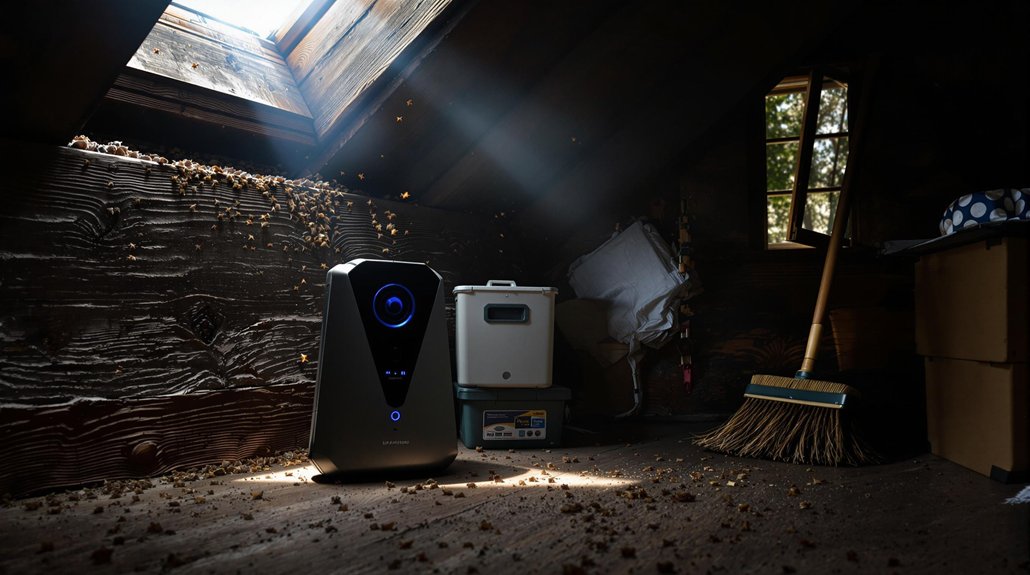
    Many people find that using sound can be an effective method to attract a bat. Bats communicate through various bat sounds, which can help in luring them out of hiding. One way to utilize this method is through ultrasonic devices. These devices emit sounds that mimic the frequency of bat calls, potentially drawing the bat towards them.

    Here is a simple overview of sound options:

    Sound Type Description
    Bat Sounds Natural sounds made by bats.
    Ultrasonic Devices Tools that emit high-frequency sounds.
    Echo-location Sounds Mimics the navigation calls of bats.
    Natural Frequencies Sounds that resemble bat habitats.
    Recorded Bat Calls Pre-recorded sounds to attract bats.

    When using sound, verify that the environment is quiet to facilitate the bat's response. Position the ultrasonic devices near entry points or areas where bats might be hiding. This strategy can create an inviting atmosphere, encouraging the bat to exit the premises safely. Remember to observe any signs of activity and adjust your approach as needed.

    Monitor Activity and Behavior

    Monitoring activity and behavior is essential when trying to locate a bat. Understanding bat behavior can greatly assist in your search. Bats are nocturnal creatures, meaning they are most active during the night. Observing their movement patterns can provide clues about their hiding places.

    Start by noting any noises, such as squeaking or rustling, especially during evening hours. These sounds are often associated with bat activity. Pay attention to possible entry points, like windows or vents, where they may be roosting.

    During the day, bats may hide in dark, sheltered areas. Check behind furniture, in closets, or under eaves. Use a flashlight to illuminate these spots, as bats prefer dark environments.

    Keep a record of any observed activity, including times and locations. This information can help identify their preferred areas. Also, be aware of their nocturnal habits; bats usually emerge shortly after sunset and return before dawn.

    Consider Professional Help

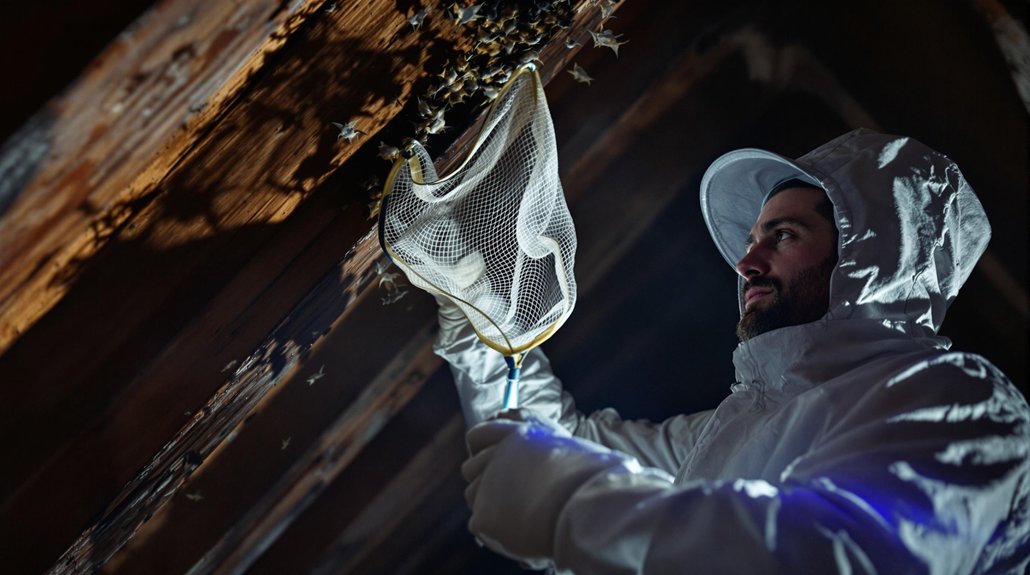
    When dealing with a bat situation that feels overwhelming, seeking professional assistance can be a wise choice. Bats can be tricky to locate and remove, and attempting to handle the situation on your own may lead to more complications. Engaging bat removal services guarantees that the bat is safely and humanely removed from your home.

    Wildlife control experts possess the knowledge and tools necessary to identify entry points and prevent further issues. Their experience allows them to handle bats without harming them or putting yourself at risk.

    Here is a simple comparison of options you might consider:

    Option Benefits
    Do it Yourself Cost-effective, immediate action
    Bat Removal Services Safe and humane handling, expert knowledge
    Wildlife Control Experts Extensive solutions, long-term prevention

    Prevent Future Incidents

    Regularly inspecting your home can remarkably reduce the likelihood of future bat incidents. Implementing effective bat proofing measures is vital for maintaining a safe environment. Start by examining your home's exterior, looking for gaps or holes, especially around eaves, vents, and windows. These openings can serve as entry points for bats.

    Home maintenance plays a critical role in prevention. Confirm that your roof is in good condition and that chimney caps are securely fitted. Sealing cracks and crevices with caulk or other materials can help eliminate potential access points. Additionally, keep areas around your home free from debris, as this can attract insects, which in turn draw bats.

    Consider installing screens on windows and doors to enhance your home's defenses. Regularly check and maintain these features to guarantee they remain intact. If you have any overhanging trees, trim them back to prevent easy access to your roof. By taking these proactive steps, you can considerably minimize the chance of bats entering your home in the future. Consistent vigilance and maintenance will foster a bat-resistant environment, guaranteeing a peaceful living space.

    Frequently Asked Questions

    What Are the Signs That a Bat Is Present in My Home?

    Signs of bat presence include nocturnal activity, unusual noises, droppings resembling mouse feces, and greasy stains on walls. Understanding bat behavior aids in detecting bats early, preventing potential health risks and property damage.

    Can Bats Harm My Pets if They Encounter One?

    In the shadowy corners of your home, bat behavior can pose risks to pets. If a confrontation occurs, pets may suffer bites or disease transmission. Ensuring pet safety requires vigilance and appropriate measures to prevent encounters.

    How Can I Safely Remove a Bat From My House?

    To safely remove a bat from your house, employ bat removal techniques such as using a container to trap it. Make certain safe handling by wearing gloves and keeping pets away during the process to avoid stress or injury.

    Are There Specific Times When Bats Are More Active Indoors?

    Bats exhibit increased activity indoors during nighttime, aligning with their nocturnal behavior. They typically seek shelter in dark, quiet areas. Understanding bat activity patterns can aid in effectively managing their presence within a structure.

    What Should I Do if I Find Bat Droppings?

    Upon discovering bat droppings, promptly identify them to assess potential health risks. It is advisable to wear gloves and a mask, and consult professionals for safe removal and to prevent exposure to harmful pathogens.

  • Why Is It so Expensive to Get Rid of Bats?

    Why Is It so Expensive to Get Rid of Bats?

    Getting rid of bats can be costly for several reasons. Safe and humane removal requires skilled professionals who understand bat behavior and health risks. Bats can carry diseases like rabies and histoplasmosis, making careful management essential. Additionally, repairs from potential damage, such as droppings and structural harm, increase costs. Legal regulations often necessitate permits for removal, adding to the complexity. Professional services cover inspections, exclusion methods, and necessary cleanup, all of which contribute to the overall expense. Understanding these factors can help homeowners make informed decisions about bat management strategies that suit their needs and budget.

    Key Article Highlights

    • Professional bat removal requires specialized techniques and skilled technicians, driving up costs for effective management.
    • Legal regulations often necessitate permits, adding administrative fees to the overall expense of removal.
    • Thorough inspections are crucial for assessing damage and identifying entry points, contributing to higher initial assessment costs.
    • Exclusion and prevention services, such as sealing entry points and installing protective barriers, add to the total service cost.
    • Addressing potential health hazards, including cleanup of droppings and disinfecting affected areas, requires protective gear and approved cleaning solutions.

    Understanding Bat Behavior

    Understanding bat behavior is fundamental for effective management and removal strategies. Bats are social animals that use complex communication methods to interact with each other. They rely on high-frequency sounds, known as echolocation, to navigate and find food. This form of bat communication is crucial for their survival and helps them locate insects in the dark.

    Bats also have specific roosting habits that greatly influence their locations. They prefer dark, sheltered places, such as attics, caves, or hollow trees. These roosts provide safety from predators and suitable conditions for resting and raising young. Recognizing these habits is essential for identifying where bats are likely to settle.

    When managing bat populations, understanding these behaviors can inform removal strategies. For instance, timing is fundamental. Bats often roost in colonies, and disrupting their roosting habits can lead to efficient management. Implementing humane exclusion methods during the right season minimizes stress for the bats and guarantees compliance with legal protections.

    Risks Associated With Bats

    Bats can pose several risks to humans and structures. They may carry diseases that can affect health, and their presence can lead to damage in buildings. Additionally, legal protections for bats complicate removal efforts, making it important to understand these challenges.

    Health Hazards of Bats

    Among the various wildlife that can inhabit human structures, bats pose significant health risks. They are known carriers of several diseases that can negatively impact public health. Understanding these threats is vital for anyone dealing with bat infestations.

    1. Rabies: Bats are primary carriers of rabies, a viral disease that affects the nervous system. A rabid bat can transmit the virus through bites or scratches, leading to severe health implications for humans.
    2. Histoplasmosis: This fungal infection arises from bat droppings, or guano. When disturbed, the spores can become airborne, posing a risk of respiratory issues for those exposed to contaminated environments.
    3. Other Bat Diseases: Bats can also harbor various pathogens, including viruses and parasites. These can spread through contact with bat droppings or direct interaction with infected animals.

    Due to these health hazards, it is important to approach bat removal with caution. Proper protocols must be followed to guarantee safety and minimize health risks associated with bat diseases. Understanding these factors highlights the importance of professional intervention when dealing with bats in human habitats.

    Structural Damage Concerns

    While they may seem harmless, the presence of bats in buildings can lead to significant structural damage over time. Bats often roost in attics, walls, and other hidden spaces. Their droppings, known as guano, can accumulate and cause deterioration of materials. This accumulation can harm wood, insulation, and even wiring. Over time, this can compromise the structural integrity of the building.

    A damage assessment is essential when bats are discovered in a property. Professionals can evaluate the extent of the damage caused by bat activity and recommend necessary repairs. Ignoring these issues can lead to more severe problems. Structural damage may not be visible immediately, but it can affect the safety and longevity of the building.

    Furthermore, the presence of bats may encourage mold growth due to moisture from guano. This adds another layer of concern for structural integrity. Homeowners must take these risks seriously. Addressing bat infestations promptly and effectively is imperative to maintaining a safe living environment. To conclude, the structural damage caused by bats and the need for thorough damage assessment make their removal a significant concern for property owners.

    Legal Protection Regulations

    The presence of bats in buildings not only raises concerns about structural damage but also introduces legal complexities. Bats are often protected under wildlife protection laws, making removal a sensitive issue. Ignoring these regulations can lead to serious legal consequences for property owners.

    When dealing with bats, it is vital to be aware of the following points:

    1. Protected Species: Many bat species are classified as endangered or threatened, making it illegal to harm or disturb them during specific seasons.
    2. Permits Required: In many jurisdictions, a permit is necessary for bat removal. This guarantees that the process complies with wildlife protection laws and minimizes harm to bat populations.
    3. Fines and Penalties: Failure to adhere to legal requirements can result in significant fines and potential civil penalties, complicating the removal process and increasing overall costs.

    Understanding these legal protection regulations is essential for anyone facing bat issues in their property. Guaranteeing compliance not only protects wildlife but also safeguards property owners from unwanted legal troubles. Consequently, engaging professionals who specialize in bat removal can help navigate these legal complexities effectively.

    Legal Regulations and Permits

    Maneuvering the legal landscape surrounding bat removal can be complex and costly. Many regions have strict laws in place to protect bat populations. As a result, permit acquisition is often necessary before any removal efforts can begin. This process can involve multiple steps and may require applications to local or state wildlife agencies. The time and effort involved in obtaining these permits can add to the overall expense.

    Regulatory compliance is also critical during bat removal. Homeowners or pest control companies must follow specific guidelines to guarantee that they do not violate any laws. This includes adhering to the appropriate timing for removal, as many species are protected during their breeding season. Failing to comply with these regulations can lead to hefty fines and further legal complications.

    Additionally, the costs associated with hiring professionals who are knowledgeable about both the legal requirements and safe removal practices can be significant. Their expertise helps guarantee that the removal is done correctly and legally, ultimately protecting the bats and the property owner. Understanding these legal frameworks is essential for anyone considering bat removal, as ignorance of the law can lead to costly mistakes.

    Safe and Humane Removal Methods

    Bats play an essential role in the ecosystem, making their safe and humane removal important for both wildlife and property owners. To effectively and ethically manage bat populations, several methods can be employed. These methods prioritize the well-being of the bats while ensuring property safety.

    1. Humane Traps: These devices capture bats without causing harm. They allow for the safe relocation of the animals to a suitable habitat away from human dwellings.
    2. Eviction Techniques: These methods encourage bats to leave voluntarily. This can involve the use of one-way exclusion devices that allow bats to exit but not return, ensuring they do not re-enter the property.
    3. Timing: Removing bats during their active season is vital. This typically occurs in late summer or early autumn, when young bats are capable of flying and finding new roosting sites.

    Necessary Repairs and Cleanup

    After bats are removed, evaluating structural damage is crucial. Cleanup of guano is important to prevent health risks and maintain hygiene. Finally, sealing entry points is necessary to stop future infestations.

    Structural Damage Assessment

    When dealing with a bat infestation, evaluating structural damage is imperative. Bats often create their habitats in attics, walls, or other hidden areas. Their presence can lead to various types of damage that need careful assessment. Effective inspection techniques are essential in identifying these issues.

    Here are three key areas to evaluate during a structural damage assessment:

    1. Roof and Attic Integrity: Check for holes or gaps that may allow bats entry. Look for signs of wear or water damage caused by bat droppings.
    2. Wall and Ceiling Conditions: Inspect for stains or peeling paint. These may indicate moisture problems linked to bat activity.
    3. Ventilation and Insulation: Assess insulation for contamination or damage. Proper airflow may be compromised by bat presence.

    Addressing these areas is significant for restoring the structure's safety and integrity. Understanding the extent of the damage helps in planning necessary repairs. Ignoring structural issues can lead to more extensive problems in the future, making an informed assessment a fundamental step in managing bat infestations effectively.

    Guano Cleanup Process

    A thorough guano cleanup process is vital for restoring any affected area after a bat infestation. Bat droppings, known as guano, can lead to serious health risks due to guano toxicity. Consequently, proper cleanup techniques must be employed to guarantee safety and hygiene.

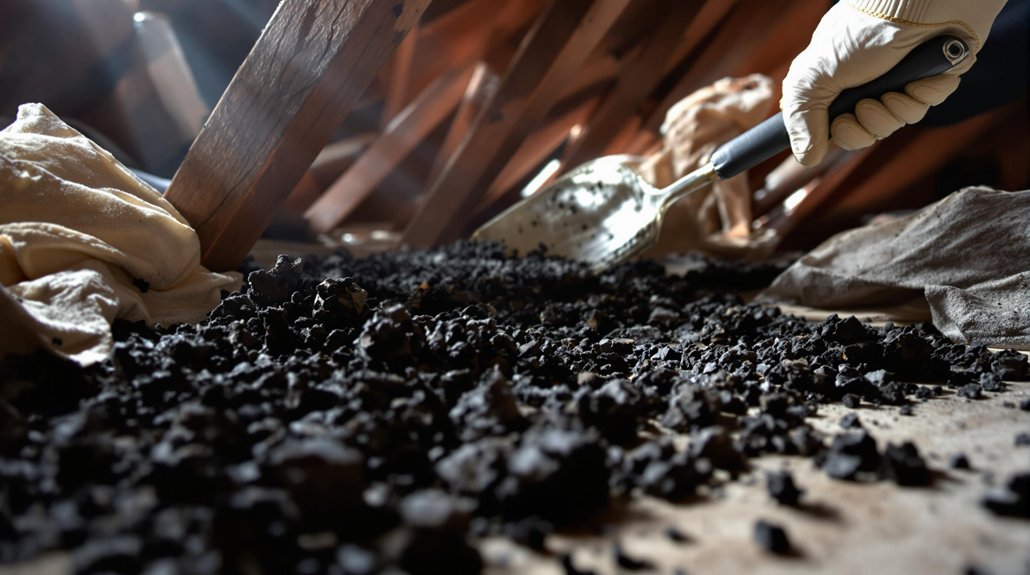
    First, it is important to wear protective gear, including gloves, masks, and goggles, to avoid direct contact with guano and inhalation of harmful spores. The cleanup should begin by removing all visible droppings. This can be done with shovels or vacuum systems designed for hazardous materials.

    Next, the area must be disinfected using approved cleaning solutions. This step is significant, as it helps eliminate pathogens that may linger after the removal of the droppings. It is important to let the disinfectant sit for the recommended time to maximize effectiveness.

    Finally, any damaged materials, such as insulation or drywall, should be replaced to prevent further health risks. Completing this guano cleanup process not only restores the area but also minimizes the risk of disease associated with bat infestations. Proper care and attention to detail are key to a successful cleanup.

    Entry Point Sealing

    Sealing entry points is a significant step in preventing future bat infestations. Effective entry point identification is essential for guaranteeing that all potential access areas are addressed. Bats can enter through small openings, so thorough inspection is necessary.

    To achieve effective sealing, consider the following techniques:

    1. Use of Caulk: Apply a high-quality caulk to seal cracks and gaps around windows, doors, and other entry points. This method is effective for small openings.
    2. Installation of Screens: Install fine mesh screens over vents and chimneys to prevent bats from entering while allowing for ventilation.
    3. Physical Barriers: Use durable materials, such as plywood or metal flashing, to cover larger holes. Confirm these barriers are securely fastened to withstand potential force from wildlife.

    Once sealing techniques are applied, regular inspections should follow to maintain the integrity of the repairs. Proper sealing not only eliminates current bat problems but also minimizes the risk of future infestations. Investing time and resources into this process is essential for long-term success in bat control.

    Preventive Measures After Removal

    Effective preventive measures are vital after the removal of bats to make sure they do not return. One key step is to conduct thorough preventive maintenance on your property. This includes inspecting areas where bats might find entry points. Sealing gaps and cracks will help keep them out.

    In addition to sealing entry points, habitat modification is important. Bats are attracted to certain environments that provide shelter and food. Removing sources of food, such as insects, can make your property less appealing. Trim trees and shrubs that may offer roosting sites.

    Consider installing bright lights in areas where bats may gather. Bats prefer dark, secluded spots, so increasing light can deter them. Keeping your home clean and free of debris also reduces potential nesting sites.

    Regular inspections and maintenance can help prevent future infestations. Monitoring your property periodically for signs of bats is a smart practice. By combining preventive maintenance with habitat modification, you create an environment that is less inviting to bats. This proactive approach makes sure that your efforts in bat removal are upheld and that your home remains bat-free.

    Professional Service Costs

    Hiring a professional service to remove bats from your property can be costly. Understanding the service pricing and cost breakdown is vital for homeowners. Several factors contribute to the overall expense.

    1. Inspection Fees: Before removal, professionals must inspect your property. This initial assessment is important to identify entry points and the extent of the infestation.
    2. Removal Costs: The actual process of removing bats involves specialized techniques and equipment. This step requires skilled technicians, which adds to the overall price.
    3. Exclusion and Prevention: After the removal, professionals often seal entry points and provide preventive measures. This guarantees bats do not return, adding to the total service cost.

    Each of these elements plays a role in the overall pricing structure. While it may seem expensive, hiring professionals guarantees the job is done correctly and safely. Attempting to remove bats without expertise can lead to further issues and higher costs in the long run. Understanding these costs can help you make informed decisions when dealing with a bat infestation.

    Long-Term Financial Considerations

    The costs associated with bat removal can extend beyond the initial service fee. Homeowners must consider long-term expenses and future investments related to maintaining a bat-free environment. After removal, the property may require repairs and preventive measures to avoid future infestations.

    Below is a table outlining potential long-term financial considerations:

    Expense Type Details
    Repairs Fixing entry points and damage
    Exclusion Measures Installing bat-proofing materials
    Ongoing Monitoring Regular inspections post-removal
    Clean-Up Costs Removing guano and contaminants

    Investing in these areas can help homeowners avoid recurrent bat problems. Each of these expenses contributes to the overall cost of bat removal. While the initial fee is significant, neglecting long-term considerations can lead to greater financial burdens in the future.

    Being proactive about potential issues is essential. Homeowners should plan for these expenses as part of a larger strategy. Through careful planning and investment, they can guarantee their property remains safe and bat-free for years to come.

    Frequently Asked Questions

    How Long Does Bat Removal Typically Take?

    Bat removal duration varies based on bat behavior and the size of the infestation. Typically, the process can take from a few days to several weeks, depending on the complexity of the situation and necessary precautions.

    Can I Remove Bats Myself to Save Money?

    Attempting bat removal yourself may seem like a cost-saving endeavor, akin to catching shadows in the night. However, professional intervention guarantees safety and effectiveness, ultimately safeguarding your property and well-being from unforeseen complications.

    What Time of Year Is Best for Bat Removal?

    The best time for bat removal involves seasonal considerations and understanding bat behavior. Typically, late summer to early fall is ideal, as bats are less likely to be nursing young and more easily relocated.

    Are There Any DIY Methods for Preventing Bats?

    While some may doubt DIY methods, several effective bat repellent methods exist. Using natural deterrents like essential oils, sealing entry points, and maintaining a clean environment can greatly reduce the likelihood of bats entering your space.

    How Do Bats Impact Property Values?

    Bats can considerably impact property values due to bat infestations, which often lead to property damage. Such damage can deter potential buyers and increase costs for repairs, ultimately lowering the overall market value of the property.

  • What Months Can You Remove Bats in Michigan?

    What Months Can You Remove Bats in Michigan?

    In Michigan, you can legally remove bats during the late summer to early fall months. This period is significant because it occurs outside of their breeding season and hibernation time. Removing bats during the breeding season, which is late spring to early summer, can harm vulnerable pups. Similarly, removing them during hibernation can lead to bat starvation. Understanding these regulations is essential to protect bat populations and avoid legal issues. Following proper removal methods guarantees a humane approach while maintaining ecological balance. There is more to learn about effective practices for safe bat management.

    Key Article Highlights

    • The legal removal period for bats in Michigan typically spans late summer to early fall.
    • Bats migrate during this time, preparing for their hibernation season.
    • It is illegal to disturb bats during their breeding season, which is late spring to early summer.
    • Removal methods must be humane and consider ecological balance.
    • Always ensure entry points are sealed after removal to prevent future infestations.

    Overview of Bat Regulations

    In Michigan, the regulation of bats is essential for their conservation and protection. Bats play a significant role in the ecosystem, such as controlling insect populations and pollinating plants. Consequently, it is important to follow specific regulations when dealing with bats. These rules help guarantee that bat populations remain healthy and sustainable.

    Bat conservation efforts in Michigan focus on protecting native species and their habitats. This includes enforcing laws that prevent the harm or killing of bats without proper permits. Public awareness is also a key aspect of these regulations. Educating the community about the benefits of bats can help reduce fear and promote coexistence.

    The Michigan Department of Natural Resources oversees bat regulations. They provide guidelines on how to handle bats safely and humanely. These guidelines are important for both property owners and wildlife professionals. Understanding these regulations is essential for anyone considering bat removal. By following the rules, individuals can contribute to bat conservation while addressing their concerns.

    Breeding Season Considerations

    Understanding the breeding season of bats is vital for effective bat management in Michigan. During this time, bats engage in specific breeding behaviors and form maternity colonies. These colonies are significant for the survival and growth of bat populations.

    It is important to recognize the impact of removing bats during their breeding season. Consider the following:

    • Bats give birth to vulnerable pups.
    • Maternity colonies can be large and protective.
    • Disturbing these colonies can lead to pup mortality.
    • Removing bats too early can disrupt their reproductive cycle.
    • A decline in bat populations affects local ecosystems.

    In Michigan, the breeding season typically occurs from late spring to early summer. During this period, it is illegal to disturb or remove bats. As a result, understanding these breeding behaviors and the significance of maternity colonies is essential. Delaying removal until after the breeding season helps guarantee that both bats and local ecosystems remain healthy. By respecting their breeding season, we can support the natural balance and promote a sustainable environment for these important creatures.

    Hibernation Period Explained

    The hibernation period for bats is a significant time for their survival, lasting several months each year. During this time, bats enter a state of deep sleep known as hibernation. This hibernation behavior is critical for their winter survival, as it allows them to conserve energy when food is scarce. Bats typically seek shelter in caves, attics, or other dark areas that maintain a stable temperature.

    As temperatures drop in late fall, bats begin to prepare for hibernation. They slow their metabolism and lower their body temperature, which helps them use less energy. This process is essential because bats rely on stored fat to survive until spring. If disturbed during hibernation, bats can wake up, which uses up valuable energy reserves. This can lead to starvation if they cannot find food quickly.

    Understanding the hibernation period is important for those dealing with bat populations. It is crucial to respect their hibernation behavior and avoid interference during this time. By doing so, we help guarantee the survival of these significant creatures throughout the winter months.

    Legal Removal Months

    Certain months are designated as legal removal periods for bats in Michigan, primarily to protect these animals during their vulnerable hibernation phase. The state recognizes the significance of bat conservation and restricts removal to guarantee their safety. Understanding these legal months is essential for effective bat management.

    During the legal removal period, typically from late summer to early fall, bat migration occurs. This is when bats leave their summer roosts and prepare for hibernation. Using appropriate removal methods during this time minimizes harm to the bats and maintains ecological balance.

    Consider the following when planning for bat removal:

    • Protecting the ecosystem: Bats play an important role in pest control.
    • Avoiding legal issues: Know the regulations to prevent penalties.
    • Guaranteeing humane treatment: Bats deserve respectful removal methods.
    • Preventing future infestations: Timely removal helps manage populations.
    • Complying with wildlife laws: Respect for nature is fundamental in Michigan.

    Best Practices for Removal

    When planning to remove bats, it is essential to follow best practices to guarantee a safe and humane process. First, always assess the situation carefully. Identify the species of bat and confirm that removal is necessary. Many bats are protected by law, so understanding the legalities is critical.

    Using humane methods is important during removal. One effective technique is to install one-way exclusion devices. These devices allow bats to leave but prevent them from returning. This method guarantees that the bats can escape safely without harm.

    Safety precautions should also be a priority. Always wear protective gear, including gloves and masks, when handling any bat or their droppings. Bats can carry diseases, so minimizing exposure is significant.

    Moreover, consider conducting the removal at dusk or dawn when bats are active. This timing helps to avoid stressing the animals. After removal, seal any entry points to prevent future infestations. Regular inspections of buildings can help identify potential roosting sites before bats settle in.

    Following these best practices guarantees that bat removal is done humanely and safely, protecting both the bats and the individuals involved.

    Consequences of Illegal Removal

    Often overlooked, the consequences of illegal bat removal can be severe. Many people may not realize the risks involved when they choose to ignore laws governing wildlife. Engaging in illegal removal can lead to significant penalties and harm to the environment.

    The potential consequences include:

    • Fines and legal trouble: Engaging in illegal activities can result in hefty fines.
    • Loss of wildlife protection: Bats play a fundamental role in controlling insect populations.
    • Ecological impact: Removing bats disrupts local ecosystems, affecting other wildlife.
    • Public health risks: Bats help limit diseases spread by insects; their removal can increase these risks.
    • Long-term habitat damage: Illegal removal can lead to lasting harm to the natural habitats.

    Understanding these consequences is essential for responsible behavior. Bats are protected for good reasons, and the laws are in place to guarantee their survival and the health of our environment. The illegal penalties are not just about fines; they reflect the significance of bats in our ecosystems. Respecting wildlife laws is imperative for maintaining ecological balance and protecting our environment for future generations.

    Alternatives to Bat Removal

    The importance of protecting bats highlights the need for effective alternatives to removal. Instead of removing bats, homeowners can consider humane deterrents and bat houses. These options allow bats to live safely while keeping them away from human spaces.

    Humane deterrents can include sound devices and visual repellent methods. These tools encourage bats to leave areas without harming them. Additionally, creating bat houses provides a safe environment for bats to roost. This can help maintain bat populations, which are vital for the ecosystem.

    Here is a table outlining some alternatives:

    Alternative Description
    Humane Deterrents Sound devices, visual repellents
    Bat Houses Safe shelters for roosting
    Exclusion Techniques Sealing entry points
    Habitat Management Maintaining natural habitats
    Education Informing the community about bats

    Frequently Asked Questions

    Can I Remove Bats From My Attic Myself?

    DIY bat removal is possible, but it poses risks. Proper bat removal safety measures are essential to prevent injury or disease. Consulting professionals is often recommended to guarantee effective and humane removal of bats from your attic.

    What Tools Do I Need for Bat Removal?

    For effective bat removal, essential equipment includes gloves, a mask, a flashlight, and a humane bat exclusion device. Familiarizing yourself with various bat removal techniques guarantees a safer, more efficient process while respecting wildlife regulations.

    How Do I Prevent Bats From Entering My Home?

    Imagine a fortress against the night. To prevent bat entry, secure gaps in eaves and vents, conduct regular home maintenance, and install screens. These simple steps create a barrier, ensuring your home remains bat-free and safe.

    Are There Specific Bat Species Protected in Michigan?

    Yes, Michigan has bat protection laws that safeguard certain species, particularly those classified as endangered. The northern long-eared bat and the little brown bat are among the protected species, highlighting the importance of conservation efforts.

    What Should I Do if I Find a Bat Indoors?

    Bats can consume up to 1,000 insects per hour, showcasing their ecological value. If you find a bat indoors, follow bat safety tips and observe their behavior to safely guide them outside without harm.

  • How Do Exterminators Get Rid of Bats?

    How Do Exterminators Get Rid of Bats?

    Exterminators get rid of bats by following a careful process. First, they inspect the property to identify entry points and signs of infestation, such as droppings or noises. Next, they use humane methods to trap and remove the bats, often utilizing one-way devices that allow bats to exit but not re-enter. After removal, they seal all entry points to prevent future infestations. It's important to engage professionals due to health risks and legal regulations surrounding bats. Proper bat removal not only protects health but also guarantees the safety and integrity of the home. More insights await those interested.

    Key Article Highlights

    • Exterminators conduct a thorough inspection to identify entry points and assess the extent of the bat infestation.
    • They use humane exclusion methods, such as one-way doors, to allow bats to exit while preventing re-entry.
    • Cleanup of hazardous materials, like guano, is performed to minimize health risks associated with droppings.
    • Professionals ensure compliance with legal regulations regarding bat removal, including obtaining necessary permits.
    • Ongoing prevention strategies, such as sealing gaps and habitat modification, are implemented to deter future infestations.

    Understanding Bat Behavior

    Bats are fascinating creatures that play important roles in ecosystems. Understanding their behavior is essential for effective management. One key aspect is their bat roosting habits. Bats prefer to roost in dark, sheltered areas during the day, such as attics, caves, and tree hollows. These locations offer protection from predators and environmental elements.

    Bats are primarily nocturnal animals, meaning they are active at night. Their nocturnal activities include foraging for food, which consists mainly of insects. Using echolocation, bats can navigate and locate prey in complete darkness. This ability not only aids in their survival but also helps control insect populations, benefiting the environment.

    During the breeding season, bats often gather in large groups at roosting sites, which can lead to significant increases in local bat populations. Understanding these habits is imperative for those dealing with bat infestations. Recognizing when and where bats roost can help in developing strategies to manage their presence effectively. Overall, familiarity with bat behavior, including their roosting habits and nocturnal activities, is critical for anyone looking to address bat-related issues.

    Identifying Bat Infestations

    Often, homeowners may overlook signs of a bat infestation until the problem becomes significant. Understanding how to identify these signs is essential for effective management. Various bat species exhibit different roosting habits, which can help in recognizing their presence.

    Common indicators include droppings, known as guano, which can accumulate near entry points or roosting areas. Guano is often found in dark, sheltered spots and has a strong, pungent smell. Additionally, you may hear squeaking or rustling sounds during the evening or at night, which can signal activity within your home.

    Look for entry points, such as gaps in the roof, eaves, or walls, where bats can enter. These openings may be as small as a quarter. Observing bats flying out at dusk is another clear sign of an infestation.

    It is important to note that different bat species have varying roosting habits. Some prefer attics, while others may choose basements or wall cavities. By being vigilant and aware of these signs, homeowners can address bat infestations before they escalate into larger problems.

    Health Risks Associated With Bats

    Bats can pose several health risks to humans. One major concern is the transmission of rabies, which can occur through bites or scratches. Additionally, bat droppings can lead to histoplasmosis, and their presence may trigger allergies or respiratory issues in sensitive individuals.

    Rabies Transmission Concerns

    How can the presence of bats in residential areas raise health concerns? One significant concern is rabies transmission. Bats are known carriers of the rabies virus, which can pose serious health risks to humans and pets. Understanding rabies symptoms is essential for early detection and treatment. These symptoms may include fever, headache, and confusion, progressing to severe neurological issues.

    Prompt evaluation and vaccination are critical in case of potential exposure. The importance of vaccination cannot be overstated, as it can prevent the onset of rabies after a bite or contact with a bat.

    Here is an overview of rabies risks associated with bats:

    Aspect Details Action Required
    Transmission Primarily through bites Avoid direct contact
    Symptoms Fever, confusion, paralysis Seek medical help immediately
    Vaccination Essential after exposure Administer post-exposure vaccine
    Prevention Exclusion from homes Regular inspections and sealing

    Histoplasmosis and Bat Droppings

    The presence of bat droppings, known as guano, can lead to significant health risks, particularly the fungal infection histoplasmosis. This disease occurs when spores from the fungus Histoplasma capsulatum become airborne, often from disturbed bat guano. When inhaled, these spores can cause a range of health issues.

    Histoplasmosis symptoms can vary widely, affecting individuals differently. Common symptoms include fever, cough, fatigue, and chest pain. In some cases, the infection can become severe, leading to complications in individuals with weakened immune systems. It is important to recognize these symptoms early and seek medical attention if exposure to bat guano has occurred.

    Preventive measures are essential to avoid exposure. Proper removal of bat guano by trained professionals minimizes the risk of inhaling harmful spores. It is advisable to avoid cleaning bat droppings without protective gear, as disturbing the droppings can release spores into the air. Understanding the risks associated with bat guano and histoplasmosis is critical for maintaining health and safety in areas where bats are present.

    Allergies and Respiratory Issues

    Often overlooked, allergies and respiratory issues can arise from exposure to bats and their environments. Bat droppings, urine, and even the bats themselves may trigger health problems in sensitive individuals. Those with respiratory sensitivity may experience symptoms such as coughing, sneezing, and nasal congestion when exposed to allergens from bats.

    Bat allergy symptoms can vary widely among individuals. Common reactions include itchy eyes, skin rashes, and even asthma attacks in more severe cases. These symptoms result from the proteins found in bat saliva, urine, and feces. When these substances become airborne or settle in indoor environments, they can lead to significant health concerns.

    Individuals with pre-existing respiratory conditions, such as asthma or chronic obstructive pulmonary disease (COPD), may find their symptoms exacerbated by bat exposure. As a result, it is essential to address bat infestations promptly. Exterminators can help remove bats and clean up any droppings or urine, reducing the risk of allergic reactions and respiratory issues.

    Taking preventive measures can also help minimize exposure to bat allergens, ultimately safeguarding health and well-being. Understanding these risks is vital for individuals living in areas where bats may inhabit.

    Legal Considerations for Bat Removal

    Before undertaking bat removal, it is crucial to understand the legal considerations involved. Many regions have strict legal regulations regarding the removal of bats due to their status as protected wildlife. Ignoring these laws can lead to severe penalties and fines.

    Here are three critical legal considerations to keep in mind:

    1. Protected Status: Many bat species are protected under local and federal wildlife protection laws. It is illegal to harm or kill them without a permit.
    2. Seasonal Restrictions: Certain times of the year, particularly during breeding seasons, may restrict bat removal activities. This is to guarantee the survival of the species.
    3. Permit Requirements: In many cases, you must obtain a permit from wildlife authorities before attempting any removal. This guarantees that the process is handled humanely and legally.

    Understanding these legal regulations is essential to guarantee responsible and ethical bat removal. Always consult local wildlife agencies or professionals to ensure compliance and protect both the bats and yourself from legal issues.

    Initial Inspection and Assessment

    An initial inspection is essential in the bat removal process, as it allows exterminators to assess the extent of the infestation. During this stage, professionals examine potential bat habitats, such as attics, walls, and eaves. They look for signs of bat activity, including droppings, urine stains, and scratching sounds. Identifying these areas helps determine how many bats are present and where they are roosting.

    The timing of the inspection is also important, as seasonal migrations can affect bat populations. Exterminators must consider whether bats are in their roosting season or migrating to different locations. This knowledge guarantees that remediation efforts are conducted at the right time, reducing the risk of harming the bats or violating local laws.

    Additionally, the inspection helps identify entry points that bats may use to access the building. Understanding the layout of the structure and the surrounding environment is vital for developing an effective removal strategy. Overall, a thorough initial inspection sets the foundation for successful bat removal, guaranteeing that the process is efficient and compliant with legal regulations.

    Exclusion Methods for Bats

    After completing the initial inspection and identifying entry points, exterminators can implement effective exclusion methods to prevent bats from re-entering the building. These methods focus on sealing off access and modifying the habitat to discourage bats from returning.

    The use of exclusion devices is a primary strategy. These devices allow bats to exit the building but prevent them from coming back inside. Commonly used devices include one-way doors and mesh barriers.

    Habitat modification is another critical approach. By making changes to the environment, bats are less likely to find the area inviting. This can involve:

    1. Removing food sources: Confirm that trash is secured and eliminate insect populations around the property.
    2. Sealing gaps: Close off any possible entry points, such as cracks or holes in walls, eaves, and vents.
    3. Adjusting lighting: Bright lights can deter bats, as they prefer darker environments.

    Safe and Humane Trapping Techniques

    Employing safe and humane trapping techniques is vital for managing bat populations without causing harm. These methods focus on capturing bats alive, allowing for their safe relocation. Exterminators often use humane traps designed specifically for bats. These traps are effective and minimize stress for the animals.

    The process begins with identifying the areas where bats frequently roost. Once these locations are noted, traps are strategically placed to guarantee maximum capture rates. It is important to set the traps during times when bats are most active, typically at dusk or dawn. This increases the chances of a successful capture.

    After capturing the bats, the next step is bat relocation. Relocation should be done far enough away from human dwellings to prevent them from returning. Exterminators are trained to handle bats carefully to avoid injury to the animals. Following local regulations regarding bat relocation is also vital, as some species are protected.

    Sealing Entry Points

    Sealing entry points is essential in preventing bats from returning to a space. First, it is important to identify where bats enter a building. After locating these areas, using the right materials and seeking professional help guarantees effective sealing.

    Identifying Bat Entry Points

    Effective bat control begins with the crucial task of identifying potential entry points. Bats are known for their unique entry behaviors, often seeking small openings to access their preferred bat habitats. These entry points can be found in various areas around your home, making detection essential.

    To assist in identifying these entry points, consider the following:

    1. Inspect Roof and Eaves: Look for gaps or cracks in shingles, vents, and overhangs where bats may enter.
    2. Check Windows and Doors: Unsealed areas around windows and doors can provide easy access for bats, especially at dusk when they are most active.
    3. Examine Walls and Foundations: Look for holes or loose siding where bats might find entry.

    Materials for Sealing Holes

    When it comes to closing off entry points for bats, selecting the right materials is vital for long-term success. Using effective bat proof materials guarantees that bats cannot re-enter the premises after removal. It is important to choose the appropriate sealant options based on the size and location of the holes.

    Here is a table summarizing common materials used for sealing bat entry points:

    Material Type Description
    Steel Wool Coarse fibers that block small gaps.
    Caulk Flexible sealant for cracks and holes.
    Mesh Screens Physical barrier for larger openings.
    Spray Foam Insulation Expands to fill irregular spaces.

    Each of these materials serves a unique purpose in sealing entry points. Steel wool is particularly effective for small openings, while caulk provides a flexible seal for various crack sizes. Mesh screens can cover larger gaps, and spray foam insulation is ideal for irregular shapes. By utilizing these bat proof materials and suitable sealant options, homeowners can effectively prevent bats from returning, guaranteeing a bat-free environment.

    Importance of Professional Assessment

    A professional assessment is essential for ensuring that all potential entry points for bats are accurately identified and properly sealed. Engaging in a professional evaluation allows homeowners to avoid common pitfalls associated with DIY approaches. Expert consultation can help you understand the complexity of bat behavior and the specific areas that require attention.

    The importance of a thorough assessment cannot be overstated. Consider the following:

    1. Safety Concerns: Bats can carry diseases, making it crucial to handle the situation correctly.
    2. Preventing Future Infestations: Proper sealing minimizes the risk of bats returning, saving you time and money.
    3. Property Damage: Unsealed entry points can lead to further structural issues, impacting your home's integrity.

    Prevention Strategies for Homeowners

    To prevent bats from taking up residence in your home, it is essential to implement a series of proactive strategies. Regular home maintenance is vital in reducing potential entry points for bats. Seal any gaps or cracks in walls, roofs, and around windows and doors. This simple action can greatly minimize the risk of bats finding their way indoors.

    Additionally, consider bat house installation in your yard. This offers bats an alternative roosting site away from your home, encouraging them to stay outside.

    Here are some effective prevention strategies:

    Strategy Description Benefits
    Seal Entry Points Close off gaps in structures Reduces bat access
    Install Bat Houses Provide a safe roosting area outside Encourages bats to stay away
    Maintain Clean Surroundings Remove food sources and clutter Deters bats from nesting

    When to Call a Professional

    Knowing when to call a professional for bat removal is important for safety and effectiveness. Signs of bat infestation, such as droppings or noises in your home, should prompt immediate action. Additionally, understanding the health risks and the limitations of DIY methods can help you make the right decision.

    Signs of Bat Infestation

    Recognizing the signs of a bat infestation is vital for homeowners. Bats are nocturnal creatures, often going unnoticed until their presence becomes more obvious. If you suspect a bat issue, watch for these key indicators:

    1. Bat Vocalizations: Listen for high-pitched sounds, especially at dusk or dawn. These vocalizations are a clear sign of bats in your home.
    2. Droppings: Look for bat droppings, known as guano, which resemble small pellets. Finding these near entry points or under roosting areas indicates a problem.
    3. Entry Points: Check for small openings in your home's exterior. Bats can squeeze through tiny spaces, allowing them to enter your living space.

    If you notice these signs, it is important to contact a professional. Ignoring bat activity can lead to larger infestations and potential damage to your property. Taking prompt action will help guarantee that your home remains safe and bat-free. Early detection and intervention are key to managing bat populations effectively. Remember, the presence of bats should not be underestimated, and seeking expert help is the best course of action.

    Health Risks Involved

    The presence of bats in your home can pose several health risks that should not be overlooked. One significant concern is the transmission of bat related diseases. Bats are known carriers of various pathogens that can affect humans, leading to serious health issues. Rabies is the most notable of these diseases, and it can be fatal if not treated promptly.

    Additionally, bats can pose zoonotic risks, meaning the diseases they carry can be transmitted from animals to humans. Histoplasmosis, a respiratory disease caused by a fungus found in bat droppings, is another health threat. Inhaling spores from contaminated droppings can lead to severe lung issues.

    The presence of bats also raises concerns regarding allergens. Bat guano can create an unsanitary environment, leading to respiratory problems for sensitive individuals.

    If you notice bats in your home, it is vital to evaluate these health risks. Calling a professional exterminator is essential when dealing with bat infestations. They can safely remove the bats and clean up any hazardous materials, preventing potential health issues for you and your family. Taking action promptly can safeguard your health and well-being.

    DIY Methods Limitations

    Many homeowners may consider DIY methods for bat removal, believing it to be a manageable task. However, these approaches often have significant limitations that can lead to further complications. When faced with a bat infestation, it is essential to recognize when to call a professional.

    Here are three key reasons why DIY methods may fall short:

    1. Ineffectiveness of DIY repellent sprays: While some sprays claim to repel bats, they often do not provide lasting results, allowing the problem to persist.
    2. Limitations of sonic bat deterrents: These devices may not work effectively in all environments, leaving bats unaffected and continuing to occupy your space.
    3. Health risks: Handling bats or their droppings can expose homeowners to diseases, making professional intervention a safer choice.

    Attempting to remove bats without expertise can lead to stress and potential hazards. It is vital to seek professional help when the situation escalates. Trained exterminators have the necessary tools and knowledge to handle bat removal safely and effectively, ensuring a long-term solution to the problem.

    Frequently Asked Questions

    How Much Does Professional Bat Removal Typically Cost?

    Professional bat removal pricing typically ranges from $200 to $1,500, depending on factors such as the location, extent of the infestation, and specific services required. Engaging qualified professionals guarantees effective and safe removal practices.

    Can I Remove Bats From My Home Myself?

    Attempting DIY bat removal might seem heroic, but it often leads to chaos. Without proper bat removal tools and knowledge, the endeavor can be perilous and ineffective, ultimately requiring professional intervention for a safe resolution.

    What Time of Year Are Bats Most Active?

    Bats exhibit heightened seasonal activity during spring and summer months. This increased bat behavior involves foraging, mating, and roosting. Understanding these patterns is essential for effective management and conservation efforts regarding bat populations.

    Will Exterminators Guarantee That Bats Won't Return?

    Approximately 75% of bat removal cases see success when employing effective bat exclusion methods. While exterminators cannot guarantee permanent results, they often implement strategies for bat return prevention, considerably reducing the likelihood of future infestations.

    What Should I Do if I Find a Bat Inside?

    If you find a bat inside, remain calm. Observe bat behavior, ensuring it's not distressed. For safe removal, contact a professional wildlife expert who can effectively and humanely relocate the bat without harm to you or the animal.

  • How Do You Encourage Bats to Leave?

    How Do You Encourage Bats to Leave?

    To encourage bats to leave your property, first assess and seal potential entry points, such as small cracks and gaps. Use natural repellents like peppermint oil or ultrasonic devices to create an uncomfortable environment for them. Timing is key; aim to remove bats during late summer or early fall. If you struggle with removal, contemplate hiring professional services that understand local laws and effective techniques. Additionally, providing bat houses can encourage them to relocate. Regular monitoring is essential to guarantee no new entry points develop. For further insights on managing bats, there are valuable strategies to reflect on.

    Key Article Highlights

    • Seal all potential entry points to prevent bats from re-entering after removal efforts are completed.
    • Use natural repellents like peppermint or eucalyptus oils around entry areas to create an unwelcoming environment.
    • Employ ultrasonic devices that emit high-frequency sounds to discomfort bats and encourage them to leave.
    • Reduce food sources by managing vegetation and removing stagnant water, making the area less attractive to insects that bats feed on.
    • Consider professional removal services for safe and effective bat eviction, ensuring compliance with local wildlife regulations.

    Understanding Bat Behavior

    Bats are fascinating creatures that play important roles in ecosystems. They are primarily nocturnal animals, meaning they are active at night. This behavior allows them to avoid predators and conserve energy during the cooler hours. Bats use echolocation to navigate and find food in the dark. This unique form of bat communication involves emitting sounds that bounce off objects, helping them locate insects and other prey.

    Understanding bat behavior is essential for anyone dealing with these animals. Their social structures can vary, with some species living in large colonies, while others prefer solitude. Bats often engage in vocalizations, which can indicate their mood or intentions, serving as a form of communication among individuals.

    Identifying Bat Entry Points

    Many structures provide potential entry points for bats, making it essential to identify these openings for effective exclusion. Understanding the various entry point types is fundamental in this process. Bats can enter through small gaps, cracks, or holes, often as small as a quarter-inch wide. Common areas to inspect include roof eaves, vents, and chimneys.

    A thorough visual inspection is key to locating these entry points. Begin by examining the exterior of the building for signs of bat activity, such as droppings or urine stains. Pay close attention to dark, sheltered areas where bats may roost during the day.

    Inspect the roof, soffits, and gables, as these are common entry points. Look for any gaps in the siding or brickwork, as these can also serve as access routes. Additionally, check windows and doors for inadequate seals.

    Having a detailed and methodical approach during your inspection will increase the likelihood of identifying all potential entry points. Once these openings are located, you can proceed with strategies to encourage bats to leave and prevent future intrusions.

    Timing Your Removal Efforts

    Effective removal of bats from a structure hinges on careful timing. Understanding seasonal patterns is vital, as bats are typically more active during the warmer months. Spring and summer are the prime seasons for bat activity, making it less effective to attempt removal during these times. Instead, aim for late summer or early fall, when bats begin to prepare for hibernation. This timing increases the likelihood of success, as bats are naturally inclined to leave their roosts.

    Additionally, consider time constraints when planning your removal efforts. It is important to act quickly but strategically. If bats are present, take note of their behavior and patterns to determine the best time for removal. Early morning or late evening is ideal, as these are the hours when bats are less active.

    Moreover, confirm that all removal actions comply with local laws, as certain bat species may be protected. Taking the time to understand the appropriate timing can greatly enhance your chances of successfully encouraging bats to leave, while minimizing disruption to both the bats and the surrounding environment.

    Sealing Off Entry Areas

    How can you guarantee that bats do not return to your property once they have left? The first step is sealing off entry areas. Bats can enter through small gaps, so it is vital to identify all possible entry points. Inspect your property carefully, focusing on areas such as vents, chimneys, and gaps around windows and doors.

    Once you have located these entry points, you need to choose appropriate entry point materials to seal them effectively. Common materials include steel mesh, caulk, and weather stripping. Each material serves a specific purpose and should be used based on the size and nature of the gap. For larger openings, steel mesh is a strong choice, while caulk works well for smaller cracks.

    Employing proper sealing techniques is essential to guarantee that bats cannot return. Make sure to apply the materials securely and check for any missed spots. After sealing, monitor the areas regularly to confirm that no new openings have formed. By taking these steps, you can create a bat-proof environment and prevent any future infestations on your property.

    Using Natural Repellents

    After sealing off entry areas, it is important to explore additional methods to discourage bats from returning. One effective approach is using natural repellents. Certain natural oils, such as peppermint, eucalyptus, and citronella, can be powerful deterrents. These oils have strong scents that bats find unpleasant. To use them, mix a few drops of the essential oil with water in a spray bottle and apply it around entry points and areas where bats are commonly found. Reapplication may be necessary to maintain effectiveness.

    Another option is ultrasonic devices. These devices emit high-frequency sound waves that are inaudible to humans but can disturb bats. They create an uncomfortable environment for bats, encouraging them to leave the area. When choosing an ultrasonic device, verify it is specifically designed for bats, as this will improve its efficiency.

    Combining natural oils with ultrasonic devices can enhance the overall effectiveness of your efforts to repel bats. By employing these natural methods, you can create an environment that discourages bats from returning while remaining safe and environmentally friendly. Always remember to monitor the situation and take further steps if necessary.

    Installing Bat Houses

    Installing bat houses can help encourage bats to relocate from unwanted areas. It is important to choose the right location for the bat house to guarantee its effectiveness. Additionally, proper installation techniques will maximize the chances of attracting bats to their new home.

    Choosing the Right Location

    Selecting the right location for bat houses is essential for their successful installation and use. Bats are particular about their habitat preferences, and choosing the right roosting sites can greatly impact their attraction to the bat house.

    Here are three key factors to evaluate when selecting a location:

    1. Sunlight Exposure: Bat houses should receive at least 6-8 hours of direct sunlight each day. This warmth helps regulate the internal temperature, making it more inviting for bats.
    2. Height: Install the bat house at least 10-15 feet above the ground. This height provides safety from predators and mimics natural roosting sites found in trees and cliffs.
    3. Proximity to Water: Bats are attracted to areas near water sources, such as ponds or streams. Placing the bat house within 1/4 mile of a water body increases the likelihood of occupancy.

    Proper Installation Techniques

    When considering the installation of bat houses, proper techniques are vital for guaranteeing their effectiveness and safety. The use of proper materials and installation tools is key to successfully encouraging bats to reside in designated areas. Follow these steps for ideal installation.

    Step Details
    Select the Location Choose a high, sunny spot.
    Use Proper Materials Use untreated wood, screws.
    Installation Tools Hammer, drill, level.
    Secure the House Mount tightly, check stability.

    Make sure to use untreated wood for the bat house to avoid harmful chemicals. A hammer or drill will be necessary for securing the house. Additionally, a level is helpful to guarantee the bat house is straight, which is important for bats to enter and exit comfortably.

    Mount the bat house at least 10-15 feet above the ground, ideally in a south-facing direction. This placement guarantees warmth and safety for the bats. By following these techniques, you create a welcoming environment for bats while securing their safety and functionality in your yard. Proper installation not only benefits the bats but also enhances your overall outdoor experience.

    Professional Removal Services

    If you find yourself overwhelmed by a bat infestation, seeking professional removal services can be a smart choice. These experts are trained in effective bat removal techniques that guarantee a safe and humane approach to managing the situation. They are knowledgeable about local regulations and environmental concerns, making them suitable for this task.

    Here are three benefits of hiring professional removal services:

    1. Expertise: Professionals understand bat behavior and habitats. They can identify entry points and nesting areas effectively.
    2. Humane Trapping: Using humane trapping methods, they can safely capture and relocate bats without harming them, guaranteeing compliance with wildlife protection laws.
    3. Peace of Mind: Knowing that trained specialists are handling the situation allows you to focus on other important matters while guaranteeing the bats are dealt with responsibly.

    Monitoring and Maintenance Tips

    To effectively encourage bats to leave, regular monitoring and maintenance are essential. Establish a schedule for inspecting your property to identify any entry points and seal them promptly. Additionally, removing potential food sources will help deter bats from returning.

    Regular Inspection Schedule

    Regular inspections play an essential role in effectively managing bat populations on your property. Consistent monitoring allows you to identify any signs of bat presence and take action accordingly. To establish an effective regular inspection schedule, consider the following steps:

    1. Determine Inspection Frequency: Aim to conduct inspections at least once a month, or more frequently during peak bat activity seasons. This will help you stay ahead of any potential issues.
    2. Create a Checklist: Develop a detailed checklist to streamline your inspections. Include key areas to inspect, such as attics, eaves, and any potential entry points. This checklist will guarantee you do not overlook critical areas.
    3. Document Findings: Keep a record of your inspections and findings. This documentation can help you track changes in bat activity over time and assess the effectiveness of any management strategies you implement.

    Seal Entry Points

    Frequently sealing entry points is vital in managing bat populations and preventing their return. Bats can enter buildings through small openings, so identifying and sealing these gaps is a key step. Use effective bat proofing methods to guarantee that all potential entry points are addressed.

    To start, inspect your property for any cracks, holes, or gaps in walls, roofs, and foundations. Pay special attention to areas around windows, vents, and chimneys. Once identified, select appropriate entry point materials for sealing. Common materials include caulk, steel wool, and expandable foam. Each has its own advantages; for example, steel wool is effective for smaller openings, while expandable foam can fill larger gaps.

    After sealing entry points, it is important to monitor the areas regularly. Check for any signs of new openings or weaknesses in your seals. Additionally, maintenance should be ongoing; weather can wear down the materials over time. By staying vigilant and promptly repairing any new gaps, you can effectively reduce the chances of bats returning to your property. Implementing these strategies will greatly enhance your efforts in managing bat populations.

    Remove Food Sources

    After sealing entry points, addressing food sources is another important step in encouraging bats to leave your property. Bats are attracted to areas with plentiful food options. By removing these food sources, you can effectively discourage their presence. Implementing habitat alteration can noticeably reduce the likelihood of bats returning.

    Consider the following actions:

    1. Trim Vegetation: Keep trees and shrubs well-trimmed. This reduces insects, which are a primary food source for bats.
    2. Remove Standing Water: Eliminate any stagnant water sources. Standing water attracts insects, providing an easy food supply for bats.
    3. Clean Up Debris: Regularly remove organic debris, such as fallen fruit or compost piles. Such materials can create a rich habitat for insects, which in turn attract bats.

    Frequently Asked Questions

    Can Bats Return After Being Removed From My Property?

    Bats, like shadows at dusk, can return after removal if conditions remain unchanged. To deter them, employ bat repellent methods and implement habitat modification strategies, ensuring your property becomes less inviting for returning bats.

    Are There Any Legal Protections for Bats in My Area?

    Yes, there are legal protections for bats in many regions, governed by bat conservation laws and local wildlife regulations. These laws often prohibit harm or disturbance to bat populations, underscoring the importance of their ecological role.

    What Diseases Can Bats Carry That I Should Be Aware Of?

    Bats can carry diseases like rabies, which poses a transmission risk to humans. Additionally, exposure to bat droppings may lead to histoplasmosis, a respiratory condition. Awareness of these health concerns is essential for safety precautions.

    How Do I Know if Bats Are Pregnant or Nursing?

    To identify bat pregnancy signs, observe for increased size and weight. Nursing behavior includes the presence of young bats clinging to mothers, frequent feeding, and vocalizations. Monitoring these indicators will help determine their reproductive status.

    What Should I Do if I Find a Bat on the Ground?

    Encountering a grounded bat can be a delicate situation. For its well-being, engage in safe handling practices, and consider contacting a bat rehabilitation expert who can provide the necessary care and guidance for its recovery.

  • How Do You Get Rid of Bats in Your Attic?

    How Do You Get Rid of Bats in Your Attic?

    To get rid of bats in your attic, first identify the species and check for signs of infestation, such as droppings or entry points. It is crucial to follow local laws, as many bats are protected. Use humane traps for removal and seal any openings to prevent their return. Installing one-way doors allows bats to exit while keeping them out. Additionally, maintain your attic and reduce attractants like insects. For persistent issues, consider consulting a professional. Understanding more about bat ecology and safe removal methods can help guarantee a successful resolution.

    Key Article Highlights

    • Identify signs of infestation, such as guano or entry points, to confirm bat presence in your attic.
    • Use humane traps to capture bats safely for relocation, ensuring no harm comes to them.
    • Seal all entry points after bats have been removed to prevent future infestations.
    • Consider installing one-way doors to allow bats to exit while preventing their return.
    • Maintain a clean attic and modify outdoor habitats to reduce insect attraction, deterring bats from roosting.

    Understanding the Bat Problem

    Bats in your attic can pose several problems for homeowners. Understanding bat ecology is essential to grasp the challenges they present. Bats are nocturnal creatures, meaning they are active at night. They typically seek dark, sheltered areas to roost, which often includes attics. This can lead to several issues, including noise disturbances during the night and the accumulation of bat droppings, known as guano.

    Guano can cause structural damage and create health risks due to its potential to harbor harmful pathogens. Additionally, bats play an important role in the ecosystem, helping control insect populations. Consequently, removing them requires careful consideration.

    It is important to note that bats are protected species in many areas, which means that homeowners must comply with local laws when addressing infestations. Understanding their nocturnal habits can inform homeowners about the best times and methods for exclusion. This knowledge can also aid in preventing future infestations by making attics less appealing to bats. By recognizing the importance of bat ecology, homeowners can take responsible actions to manage any bat problems effectively while respecting the natural role these creatures play in our environment.

    Identifying Bat Species

    Identifying bat species is essential for effective removal. Different species have unique physical traits and behaviors that can help in their identification. Understanding these characteristics will aid in determining the best approach to manage the situation in your attic.

    Common Bat Species

    When trying to pinpoint which bat species may be roosting in your attic, it is vital to recognize the common types found in North America. Understanding bat diversity is essential for proper species identification. Here are some of the most frequently encountered bat species:

    • Little Brown Bat: Small and common, known for its brown fur.
    • Big Brown Bat: Larger than the little brown bat, with a robust body.
    • Eastern Red Bat: Recognizable by its reddish fur, often roosting in trees.
    • Hoary Bat: A large bat with frosted fur, typically found in forests.
    • Mexican Free-tailed Bat: Known for its long tail and fast flight, often roosting in colonies.

    Identifying the specific species can help you understand their behavior and needs. Each species has unique traits that can aid in recognizing them when they enter your home. By learning about these common bat species, you can take informed steps to manage their presence in your attic effectively.

    Physical Characteristics to Observe

    Recognizing the physical characteristics of bats is a key step in identifying the species that may be roosting in your attic. Understanding bat anatomy can help you differentiate between various types. One of the most noticeable features is their wings, which are made of a thin membrane stretched over elongated fingers. This unique structure allows bats to fly efficiently.

    Another important characteristic to observe is the fur texture. Bats can have different types of fur, ranging from short and fine to long and coarse. The color of their fur can also vary widely, with some species displaying shades of brown, gray, or even black. This variation can help in identification.

    Additionally, the size of the bat plays a vital role in distinguishing species. Bats can range from small, with a wingspan of just a few inches, to larger species with wingspans exceeding a foot. Pay attention to the shape of their ears and noses as well, as these features can also assist in identifying specific species.

    Behavior Patterns and Habitats

    Understanding the behavior patterns and habitats of bats is essential for effective identification and management. Different bat species exhibit unique bat behavior and have specific habitat preferences, making it important to recognize these traits. Bats are social creatures, often roosting together in large groups, especially during the breeding season.

    Key behavior patterns and habitat preferences include:

    • Roosting Locations: Bats prefer dark, sheltered areas like attics, caves, and tree hollows.
    • Feeding Habits: Most bats are nocturnal and feed on insects, fruit, or nectar, depending on the species.
    • Migration: Some bats migrate seasonally to find food and suitable roosting sites.
    • Communication: Bats use echolocation to navigate and locate food, emitting high-frequency sounds.
    • Breeding: Many species have specific breeding seasons and often return to the same roosting sites year after year.

    Signs of Bat Infestation

    Bats can often go unnoticed in attics, but certain signs can indicate their presence. One of the most common indicators is bat droppings identification. These droppings, known as guano, are dark and crumbly and may accumulate beneath entry points. If you notice a buildup of these droppings, it is a clear sign of a bat infestation.

    Another sign to watch for is the presence of echolocation sounds. Bats use these high-frequency sounds for navigation and hunting. If you hear faint clicking or squeaking noises, especially at dusk or dawn, it may be a signal that bats are roosting nearby.

    Additionally, look for signs of entry points. Bats can squeeze through very small openings, so check for holes or gaps in your roof, eaves, or walls. You may also find grease marks or stains near these entry points, caused by the oils on their fur.

    If you suspect a bat infestation, it is vital to act promptly. Identifying these signs early can help prevent further issues and guarantee a safe and effective removal process.

    Legal Considerations

    Maneuvering the legal landscape surrounding bat removal is vital for homeowners. Bats are often protected under various legal regulations due to their role in the ecosystem. Understanding these laws is important to avoid fines and legal issues.

    Homeowners should be aware of the following key points:

    • Local wildlife protection laws: Many regions have specific laws that protect bats, making it illegal to harm or kill them.
    • Seasonal restrictions: Certain times of the year, such as breeding seasons, may restrict removal activities to protect young bats.
    • Permitting requirements: Some areas may require permits for bat removal, necessitating consultation with local authorities.
    • Professional assistance: Hiring licensed wildlife removal experts can guarantee compliance with all legal regulations while safely addressing the issue.
    • Reporting guidelines: If bats are found in your home, there may be specific protocols to report the situation, especially if they are endangered species.

    Safe Removal Techniques

    Frequently, homeowners face the challenge of safely removing bats from their attics without causing harm to the animals or violating legal protections. Employing safe removal techniques is crucial for both the bats and the environment.

    One effective method is to use humane traps. These traps allow for the safe capture of bats without injury. After capturing the bats, it is essential to release them at a suitable distance from the home to prevent their return.

    Another option is to utilize natural repellents. These substances can deter bats from roosting in the attic without causing them harm. Here's a comparison of these two techniques:

    Technique Description
    Humane Traps Capture bats safely for relocation
    Natural Repellents Create an environment unfavorable to bats

    Exclusion Methods

    Exclusion methods are essential for preventing bats from returning to your attic. This involves sealing entry points, installing bat houses to provide alternative roosting, and using one-way doors that allow bats to exit but not re-enter. Implementing these strategies can help guarantee that your attic remains bat-free.

    Seal Entry Points

    To effectively eliminate bats from your attic, sealing entry points is crucial. This process involves identifying all possible access areas where bats may enter. Proper entry point identification is the first step in bat proofing measures. Once identified, these points must be sealed to prevent further access.

    Here are key steps to seal entry points effectively:

    • Inspect the Roof: Check for gaps or holes in shingles or vents.
    • Seal Gaps: Use caulk or foam to fill small openings around windows and doors.
    • Install Screens: Fit screens over vents and chimneys to block entry.
    • Repair Cracks: Fill any cracks in walls or foundations with appropriate materials.
    • Check Utility Lines: Verify there are no gaps around pipes or wires entering your home.

    Install Bat Houses

    After sealing entry points, installing bat houses can provide a humane solution for managing bat populations. Bat houses serve as alternative roosting sites, encouraging bats to leave your attic. Proper bat house placement is essential; ideally, they should be located at least 12-15 feet high on a south-facing wall. This positioning guarantees they receive ample sunlight, which is important for warming the interior.

    When choosing bat house materials, opt for untreated wood, as it provides insulation and durability. Avoid metal and painted surfaces, as these can overheat and be harmful to the bats.

    Here is a simple guide on bat house placement and materials:

    Aspect Recommendation
    Height 12-15 feet off the ground
    Orientation South-facing for maximum sunlight
    Materials Untreated wood for insulation

    Use One-Way Doors

    Utilizing one-way doors can effectively help manage bat populations in your attic. One-way doors allow bats to exit your home while preventing their return. This method is part of effective exclusion methods and can be a humane solution to bat infestations.

    To successfully implement one-way door installation, consider the following steps:

    • Choose the right location: Install the door near bat entry points for maximum effectiveness.
    • Select quality materials: Use durable materials that withstand weather conditions and prevent damage.
    • Seal other entry points: Confirm all other potential openings are sealed to avoid future infestations.
    • Monitor the situation: Check regularly to confirm that bats are no longer using the entry point.
    • Remove the door: Once you are confident that the bats have exited, remove the one-way door to prevent other animals from using it.

    One-way doors serve as a temporary measure that, when combined with other exclusion methods, can lead to a successful bat removal strategy. Proper installation and monitoring are essential to confirm the effectiveness of this approach in keeping your attic bat-free.

    Preventing Future Infestations

    While eliminating existing bats is essential, it is equally important to implement measures that prevent future infestations. One of the key steps in this process is bat proofing measures. This includes sealing any gaps, cracks, or openings in your attic or home. Bats can squeeze through surprisingly small spaces, so a thorough inspection is imperative.

    Additionally, habitat modification plays an important role in discouraging bats from returning. This might involve removing potential food sources, such as insects, near your home. Keeping outdoor lights on at night can attract insects, which in turn draw bats.

    You should also make sure that your attic and other areas of your home are not inviting to bats. This can be achieved by reducing clutter and maintaining a clean environment. Limiting access to dark, warm spaces can make your home less appealing to these animals.

    Finally, consider installing screens or mesh over vents and chimneys to block entry points. By combining bat proofing measures with effective habitat modification, you can greatly reduce the likelihood of future bat infestations in your attic. Taking these proactive steps will help maintain a bat-free environment.

    When to Call Professionals

    Even with thorough prevention strategies in place, situations may arise where professional assistance is necessary. If you find yourself facing a bat infestation, it is vital to recognize when to call in expert help for effective bat removal. Professional services can guarantee safe and humane handling of the situation.

    You should consider contacting professionals in the following scenarios:

    • You are unsure of the extent of the infestation.
    • Bats are roosting in hard-to-reach places.
    • You have concerns for your safety or health.
    • It is breeding season, increasing the likelihood of young bats.
    • You have tried DIY methods without success.

    Professional bat removal services possess the knowledge and tools to handle bats safely. They can assess the situation, implement effective removal techniques, and provide guidance on preventing future infestations. Attempting to manage a bat problem on your own can lead to complications and risks. Consequently, enlisting the help of professionals not only guarantees a thorough approach but also protects both you and the bats involved. Remember, the goal is to remove bats humanely while securing your home from future invasions.

    Health Risks Associated With Bats

    Bats can pose several health risks to humans, primarily due to the diseases they may carry. One of the main concerns is the presence of bat droppings, which can lead to serious health issues. Bat droppings, also known as guano, can harbor harmful pathogens. When these droppings dry and become airborne, they can be inhaled, increasing the risk of respiratory diseases.

    One significant threat associated with bat droppings is histoplasmosis. This fungal infection can develop when spores from contaminated droppings are inhaled. Symptoms can range from mild flu-like signs to severe respiratory problems, particularly in individuals with weakened immune systems. Consequently, understanding the histoplasmosis risk is critical.

    Additionally, bats can carry rabies, a viral disease that affects the brain and is often fatal without treatment. If a person is bitten or scratched by a bat, immediate medical attention is necessary.

    To protect yourself and your family, it is essential to manage bat infestations promptly and safely. Removing bats and their droppings should be done with care to minimize health risks.

    Frequently Asked Questions

    Can I Use Homemade Repellents to Deter Bats From My Attic?

    Homemade repellents using natural ingredients may offer some deterrence for bats. However, combining these with ultrasonic devices could enhance effectiveness, as bats are sensitive to sound. Always guarantee safety and compliance with local wildlife regulations.

    What Time of Year Is Best for Bat Removal?

    The best time for bat removal is late summer to early fall. Seasonal considerations are vital, as this period aligns with natural migration patterns, ensuring effective removal while adhering to best removal practices for bat conservation.

    How Long Does a Bat Infestation Typically Last?

    A bat infestation typically lasts several weeks to months, depending on bat behavior and environmental factors. Prompt action is essential, as prolonged infestations can lead to increased health risks and property damage.

    Will Bats Return After I've Removed Them?

    Once bats are removed, they may return if proper exclusion methods are not implemented. Understanding bat behavior is essential; sealing entry points can prevent re-infestation, ensuring a bat-free environment for the long term.

    Can Pets Help in Keeping Bats Away?

    Pets can influence bat behavior through their presence and sounds, potentially serving as informal bat deterrents. However, relying solely on animals for this purpose may not guarantee effective control of bat populations in your vicinity.

  • How Much Does It Cost to Remove Bat Poop From Attic?

    How Much Does It Cost to Remove Bat Poop From Attic?

    The cost to remove bat poop from an attic usually falls between $500 and $2,000. This price can vary based on several factors, including the extent of the infestation and the methods used for removal. If the area is difficult to access, additional charges may apply. In addition, cleanup may involve extra tasks, such as replacing contaminated insulation or disinfecting surfaces, which can add to the overall cost. Professional services are recommended for safe disposal. Understanding these costs and factors is important for homeowners dealing with bat guano issues, and more details can provide more guidance on this topic.

    Key Article Highlights

    • The average cost for bat poop removal ranges from $500 to $2,000, depending on the extent of the contamination.
    • Additional cleanup and repairs, such as insulation replacement and surface disinfection, may add $200 to $800 to the total cost.
    • Removal techniques and the accessibility of the attic can significantly influence the overall cost of removal services.
    • Geographic location and local service availability can affect pricing for bat guano removal.
    • Hiring professional services ensures safe disposal and thorough cleanup, which may increase total expenses.

    Understanding Bat Guano Hazards

    Although bat guano may seem harmless at first glance, it poses significant health risks if not managed properly. Bat guano is the feces of bats and can be found in attics and other areas where bats roost. The primary health concern associated with bat guano is the potential for histoplasmosis, a serious respiratory disease caused by a fungus that thrives in bat droppings. When disturbed, the spores can become airborne, leading to inhalation and infection.

    In addition to histoplasmosis, bat guano can also attract other pests, such as insects and rodents, which can introduce further health risks. Prolonged exposure to bat guano can lead to respiratory issues and exacerbate pre-existing conditions such as asthma.

    It is vital to recognize these health concerns when dealing with bat guano. Proper removal and cleanup are essential to minimize exposure and guarantee a safe living environment. Homeowners should consider hiring professionals who understand the risks and procedures involved in safely removing bat guano. By addressing these hazards promptly, individuals can protect their health and maintain a safe home.

    Factors Affecting Removal Costs

    When considering the cost of removing bat guano from an attic, several key factors come into play. Understanding these factors can help in achieving an accurate cost estimation.

    The type of removal techniques used is essential. Professional services may employ specialized methods, which can influence the overall cost. Additionally, the extent of the infestation affects pricing. A larger area with more accumulated guano will typically require more labor and materials for removal.

    Another factor is the accessibility of the attic. If the space is hard to reach, additional charges may apply. Finally, local regulations and necessary permits can also impact costs.

    Here is a summary of the main factors:

    Factor Description
    Removal Techniques Methods used for safe and effective removal
    Extent of Infestation Size and volume of bat guano present
    Accessibility Difficulty of reaching the affected area
    Regulations Local laws that may require permits

    Average Cost of Bat Poop Removal

    The average cost of bat poop removal from an attic typically ranges from $500 to $2,000. This price can vary based on several factors, including the amount of guano present, the attic's accessibility, and local service rates. Understanding these costs is vital for homeowners facing this issue.

    When considering bat poop removal, here are a few key points to keep in mind:

    • Extent of Contamination: The more guano that needs disposal, the higher the average removal cost.
    • Professional Services: Hiring experts guarantees safe and effective guano disposal, which may add to the overall cost.
    • Location: Prices can differ considerably based on your geographical area and the availability of specialized services.

    Additional Cleanup and Repairs

    After addressing the removal of bat poop, it is vital to take into account additional cleanup and repairs that may be necessary. The cleanup procedures often extend beyond just removing the droppings. Contaminated insulation and damaged materials may require replacement, and proper sanitation is essential to guarantee a safe environment.

    The following table outlines common cleanup procedures and their associated costs:

    Cleanup Procedure Estimated Cost
    Insulation Replacement $1.00 – $3.00 per sq. ft.
    Surface Disinfection $200 – $500
    Drywall Repair $300 – $800
    Air Duct Cleaning $300 – $500
    Odor Removal Treatment $100 – $300

    Repair costs can vary widely based on the extent of the damage and the materials involved. It's important to get a detailed inspection to assess the full scope of cleanup and repairs needed. Addressing these issues promptly helps maintain the integrity of your home and guarantees a healthy living environment.

    Professional vs. DIY Removal

    Removing bat poop from an attic can be a challenging task, leading homeowners to ponder whether to hire professionals or tackle the job themselves. Each option has its advantages and disadvantages that should be carefully evaluated.

    DIY techniques can be appealing for those looking to save money. Homeowners may use basic cleaning supplies, gloves, and masks to safely remove droppings. However, this approach requires time, effort, and a willingness to follow safety precautions.

    On the other hand, professional services offer expertise and efficiency. Trained specialists have the right equipment and experience to handle the cleanup safely. This option may cost more upfront but can save time and guarantee thorough removal.

    Here are some factors to weigh when deciding between DIY and professional removal:

    • Cost: DIY might save money but can lead to hidden expenses.
    • Safety: Professionals are trained to handle hazardous materials safely.
    • Effectiveness: Experts may provide a more thorough cleanup and prevention strategies.

    Ultimately, the choice between DIY techniques and professional services will depend on your comfort level, budget, and the severity of the situation.

    Health Risks of Bat Droppings

    Exposure to bat droppings, commonly known as guano, can pose significant health risks to humans. One of the primary concerns is the potential for disease transmission. Bat guano can harbor harmful pathogens, including fungi and bacteria, which can lead to serious health effects. When guano dries, it can become airborne, making it easy to inhale.

    Histoplasmosis is one of the most notable diseases associated with bat droppings. This respiratory illness occurs when spores from a fungus found in guano are inhaled. Symptoms may include fever, cough, and fatigue, and in severe cases, it can cause long-term lung damage. Other health effects may arise from direct contact with guano, leading to skin irritation or other infections.

    Additionally, guano can attract pests, further increasing health risks. Rodents and insects that thrive in droppings may carry their own diseases, compounding the problem for homeowners. Consequently, understanding the health risks associated with bat droppings is vital for anyone dealing with an infestation. Proper removal and cleanup are essential to minimize exposure and safeguard health.

    Preventing Future Infestations

    To prevent future infestations of bats in your attic, it is essential to identify and eliminate potential entry points. Bats can enter through small gaps, so thorough inspections are necessary. Using effective bat exclusion methods will help guarantee that they cannot re-enter your home once they have been removed.

    Here are some key strategies to take into account:

    • Seal Gaps and Cracks: Inspect your home for openings, particularly around vents, chimneys, and eaves. Use caulk or mesh to seal these areas.
    • Install Bat Houses: By providing a designated area for bats, you can encourage them to roost outside rather than in your attic.
    • Regular Maintenance: Conduct preventative maintenance to keep your home bat-proof. This includes regular inspections and repairs to the exterior of your home.

    Frequently Asked Questions

    How Long Does the Bat Poop Removal Process Take?

    The bat guano cleanup process typically takes several hours to a few days, depending on the extent of the infestation. Proper attic restoration is essential to guarantee a safe and clean environment post-removal.

    Will Insurance Cover Bat Poop Removal Costs?

    Insurance policies may cover bat poop removal, but coverage limits vary by provider. Homeowners should review their specific policy and consult with their insurance agent to understand potential coverage for wildlife-related damages and cleanup costs.

    What Equipment Is Needed for DIY Removal?

    For DIY removal of bat droppings, essential equipment includes protective gear, such as gloves and masks, along with proper disposal methods using sealed bags. Ensuring safety and following local regulations is vital throughout the process.

    Can I Sell My House With Bat Guano Present?

    Selling a house with a bat infestation can greatly lower property value. For instance, a homeowner faced a 20% decrease in offers due to guano presence, highlighting the importance of addressing such issues before listing.

    Are There Seasonal Considerations for Bat Removal?

    Yes, seasonal considerations for bat removal are essential. Understanding bat migration and their seasonal behavior aids in determining the best time for removal, ensuring compliance with local regulations and minimizing disturbance to the bats.

  • Damages Caused by Bats in The Attic

    Damages Caused by Bats in The Attic

    Bats in the attic can lead to extensive damages. They can cause structural issues by eroding wooden beams and supports, weakening the home's integrity. Accumulation of bat droppings, or guano, can damage insulation and create health risks like histoplasmosis due to airborne pathogens. Bats may chew electrical wires, increasing fire hazards and potential outages. Additionally, their droppings attract pests, further complicating the problem. The presence of bats can also decrease property value due to health concerns. Understanding these impacts can help you take effective measures to protect your property and well-being.

    Key Article Highlights

    • Bats can cause structural damage by creating gaps in roofs and walls, leading to weakened integrity of the building.
    • Accumulation of guano adds weight and moisture, compromising insulation and causing wood rot in beams and supports.
    • Bat droppings pose health risks, harboring pathogens that can lead to diseases like histoplasmosis and rabies.
    • Chewing on electrical wires increases fire hazards and may result in electrical outages or appliance malfunctions.
    • Bat droppings attract pests, creating breeding grounds for insects and rodents, which further complicates infestations.

    Structural Damage Risks

    When bats take up residence in an attic, the potential for structural damage becomes a significant concern. Their entry points can lead to various issues affecting the structural integrity of the building. Bats typically find gaps in roofs, walls, or eaves, allowing them to enter and establish a colony. Once inside, their presence can cause wear and tear on the structure.

    Bats can damage insulation and wood, leading to rotting and weakening of beams. Their droppings, known as guano, can accumulate over time, adding weight and moisture. This accumulation may compromise the overall stability of the attic and surrounding areas. Additionally, guano can attract pests, which further threatens the structural integrity of the home.

    It is crucial to address bat entry promptly. Ignoring the problem may result in costly repairs and extensive damage. Homeowners should regularly inspect their attics for signs of bat activity and seal any potential entry points. Taking proactive measures guarantees that the structural integrity of the building remains intact, protecting both the property and its occupants from long-term consequences.

    Insulation Contamination Issues

    Contamination of insulation poses a serious concern for homeowners dealing with bat infestations. Bats can leave behind droppings and urine that compromise the integrity of insulation materials. This contamination can lead to several problems that affect both health and property value.

    To mitigate these issues, homeowners should consider the following:

    • Insulation Replacement Options: In some cases, the only solution is to replace contaminated insulation. This guarantees that all harmful materials are removed and replaced with clean, safe insulation.
    • Contamination Prevention Strategies: Implementing strategies such as sealing entry points and installing bat houses can help prevent future infestations. Proper ventilation and regular inspection can also minimize contamination risks.
    • Professional Assessment: Hiring a professional can provide a thorough evaluation of insulation condition and contamination severity. This expert advice is vital for making informed decisions about repair and replacement.

    Addressing insulation contamination promptly is essential for maintaining a healthy home environment. Homeowners should prioritize both cleanup and preventive measures to avoid recurring issues from bat infestations.

    Health Hazards From Droppings

    Bats in the attic can pose serious health risks due to their droppings, commonly known as guano. These droppings can harbor diseases that may be transmitted to humans, as well as trigger allergic reactions in sensitive individuals. It is important to understand these health hazards to guarantee safety and proper removal of bat waste.

    Disease Transmission Risks

    Living with bats in the attic can pose serious health risks due to the hazardous droppings they leave behind. Bat droppings, known as guano, can be a breeding ground for various pathogens. These droppings can dry out and become airborne, leading to potential inhalation of harmful particles. This exposure may result in various zoonotic diseases, which are diseases that can be transmitted from animals to humans.

    The following are key disease transmission risks associated with bat droppings:

    • Histoplasmosis: A respiratory disease caused by inhaling spores from a fungus that grows in bat guano.
    • Rabies: While transmission typically occurs through bites, bats can be disease vectors that carry rabies, posing risks to humans.
    • Cryptococcosis: A fungal infection that can affect the lungs and central nervous system, often linked to exposure to bird and bat droppings.

    Due to these risks, it is essential to manage bat infestations in attics effectively. Ensuring proper cleanup and sanitation can help reduce the risk of disease transmission and maintain a healthy living environment.

    Allergic Reactions Potential

    Exposure to bat droppings can also lead to various allergic reactions in individuals. These droppings, known as guano, contain proteins that may trigger allergy symptoms. Common reactions include sneezing, nasal congestion, and itchy eyes. In some cases, individuals may experience more severe respiratory issues, particularly those with pre-existing conditions like asthma.

    When bat droppings accumulate in an attic, they can become a source of allergens. Disturbing these droppings can release particles into the air, increasing the likelihood of inhalation. This exposure can exacerbate existing allergies or lead to new sensitivities in some people.

    It is crucial for homeowners to address bat infestations promptly. Not only do bats pose risks of disease transmission, but their droppings can also introduce health hazards through allergic reactions. Proper removal and cleanup of guano should be conducted by professionals who understand the risks involved. They can minimize exposure and guarantee that the area is safe for occupants.

    Fire Hazards and Electrical Risks

    Bats in the attic can pose significant fire hazards and electrical risks. Their nesting materials may damage wiring, increasing the chance of electrical fires. Additionally, bat guano can corrode insulation, further heightening these dangers.

    Wiring Damage From Bats

    When an attic becomes home to bats, the risk of wiring damage increases considerably. Bats can chew on electrical wires, leading to potential fire hazards and costly repairs. Damaged wiring may not only disrupt your electrical system but also pose serious safety risks.

    Consider the following potential effects of bat-related wiring damage:

    • Fire Risks: Exposed wires can spark and ignite nearby materials.
    • Increased Costs: Wiring replacement costs can escalate quickly, depending on the extent of the damage.
    • System Failures: Damaged wiring may cause electrical outages or malfunctioning appliances.

    To prevent these issues, it is essential to implement effective bat exclusion methods. These methods involve sealing entry points and using deterrents to encourage bats to leave your attic. Regular inspections can also help identify wiring issues early on, minimizing the risk of extensive damage. By addressing wiring concerns promptly, homeowners can protect their property and guarantee a safe living environment. Taking proactive steps not only preserves the integrity of your electrical system but also reduces the likelihood of costly repairs in the future.

    Insulation Fire Risks

    Compromised insulation in an attic can greatly increase fire risks, especially when bats are present. Bats can damage insulation materials, making them less effective. Certain insulation types, like cellulose, are particularly vulnerable to moisture and droppings from bats. This can lead to the insulation becoming a breeding ground for mold and increasing the likelihood of a fire hazard.

    When insulation is damaged, it can also affect the way heat and electricity are managed in the attic. Poor insulation can lead to overheating of electrical components, which further raises the risk of fire. To mitigate these risks, homeowners should regularly inspect their insulation and address any signs of bat infestation immediately.

    Fire prevention is essential in maintaining a safe living environment. Properly installed, well-maintained insulation can help reduce fire risks considerably. If bats are discovered in an attic, it is vital to engage professionals for removal. They can also assess the insulation and recommend necessary repairs. By prioritizing insulation integrity, homeowners can greatly enhance their safety against fire hazards linked to bat damage.

    Bat Guano Corrosion Effects

    Although often overlooked, bat guano can pose significant corrosion risks to both structural elements and electrical systems in an attic. The acidic nature of bat droppings can lead to deterioration, which may result in costly repairs and potential hazards.

    To understand these risks better, consider the following points:

    • Structural Damage: Guano can erode wooden beams and supports, weakening the overall integrity of the building.
    • Electrical Hazards: Corrosion from guano can compromise electrical wiring, increasing the risk of short circuits or fires.
    • Health Risks: Handling guano without proper protection can expose individuals to harmful pathogens.

    Implementing effective guano disposal methods is essential to mitigate these risks. Regular cleanups and professional removal services can help maintain a safe environment. Additionally, employing corrosion prevention techniques, such as using protective coatings on structural elements, can further reduce damage.

    Pest Infestation Attractors

    Attracting unwanted pests often stems from common household conditions that create inviting environments. One significant attractor is the presence of bats in the attic. Bat behavior, particularly their droppings and nesting materials, can lead to infestations of pests such as insects and rodents. These pests thrive in the organic matter left behind, which can quickly multiply if not addressed.

    Furthermore, structural issues in the home can exacerbate the problem. Gaps and cracks in walls or roofs allow for easy entry of pests seeking shelter. Moisture and food sources, often overlooked, are additional factors. Stagnant water and improperly stored food can create a hospitable environment for unwanted guests.

    Effective pest control begins with identifying these attractors. Homeowners should conduct regular inspections of their property, paying close attention to areas where bats may roost. Sealing entry points and removing potential food sources are essential steps in preventing infestations. By understanding the relationship between bat behavior and pest attraction, individuals can take proactive measures to maintain a pest-free environment. Addressing these conditions not only protects the home but also guarantees a healthier living space.

    Decreased Property Value

    One key consequence of having bats in the attic is the potential decrease in property value. Homeowners may face challenges when seeking to sell their property or during property assessments. The presence of bats can lead to negative perceptions among potential buyers and neighbors, ultimately affecting the overall marketability of the home.

    Several factors contribute to decreased property value:

    • Health Concerns: Bats can carry diseases, raising health alarms for buyers.
    • Structural Damage: Bat droppings, or guano, can cause significant damage to insulation and wood, resulting in costly repairs.
    • Neighborhood Perceptions: Neighbors may view a bat-infested property as a nuisance, impacting the desirability of the area.

    These factors can create a ripple effect on property values. Homes in neighborhoods with known bat infestations may see a decline in demand. This situation underscores the importance of addressing pest issues promptly to maintain property value and guarantee a positive perception within the community. Homeowners should take proactive measures to resolve bat infestations to protect their investment and uphold the integrity of their neighborhood.

    Frequently Asked Questions

    How Can I Prevent Bats From Entering My Attic?

    To prevent bats from entering your attic, employ effective bat proofing techniques. Regular home maintenance, including sealing gaps, installing screens, and ensuring proper ventilation, can help create a secure environment that deters bat intrusion.

    What Are the Signs of a Bat Infestation?

    Have you ever wondered if your home harbors unwanted guests? Signs of a bat infestation include bat droppings identification, which resemble dark pellets, and noise disturbances detection, often heard at night during their active hours.

    Are Bats Protected by Law in My Area?

    To determine if bats are protected by law in your area, consult local wildlife regulations and bat conservation laws. These regulations often aim to preserve bat populations due to their ecological importance and declining numbers.

    Can I Remove Bats Myself or Should I Hire a Professional?

    While DIY bat removal may seem appealing, employing professional services is advisable. Professionals utilize effective bat removal techniques, ensuring safety and compliance with local regulations, as improper handling can lead to legal issues and potential health risks.

    What Time of Year Are Bats Most Active in Attics?

    Bats demonstrate increased activity during warmer months, typically from spring to early fall. Understanding bat behavior and their seasonal activity is vital for effective management and removal strategies, ensuring minimal disruption to these beneficial creatures.

We've Merged With Plunkett's / Varment Guard! Learn More

X
Call Now Button