Best Way Animal Removal

Tag: attic pests

  • How Much Does It Cost to Get Rid of Squirrels in the Attic?

    The cost to get rid of squirrels in the attic generally ranges from $200 to $600. This amount can change based on how severe the infestation is and what services are needed. Inspection fees typically add $75 to $150 to the total. If you consider doing it yourself, traps cost between $20 and $100. However, professional services are often more effective. It is important to have a plan for preventing future infestations too. For a thorough understanding of costs and options, it may help to explore your choices further.

    Key Article Highlights

    • Professional squirrel removal services typically cost between $200 and $600, depending on infestation severity and accessibility.
    • Inspection fees for assessing the problem range from $75 to $150, aiding in cost estimation.
    • Repairing attic damage from squirrels can add $200 to $1,500 to overall removal expenses.
    • DIY methods are more affordable, with traps costing $20-$100, but may lack effectiveness and incur indirect costs.
    • Gathering multiple quotes ensures cost-effectiveness and helps avoid overcharging by service providers.

    Understanding Squirrel Infestations

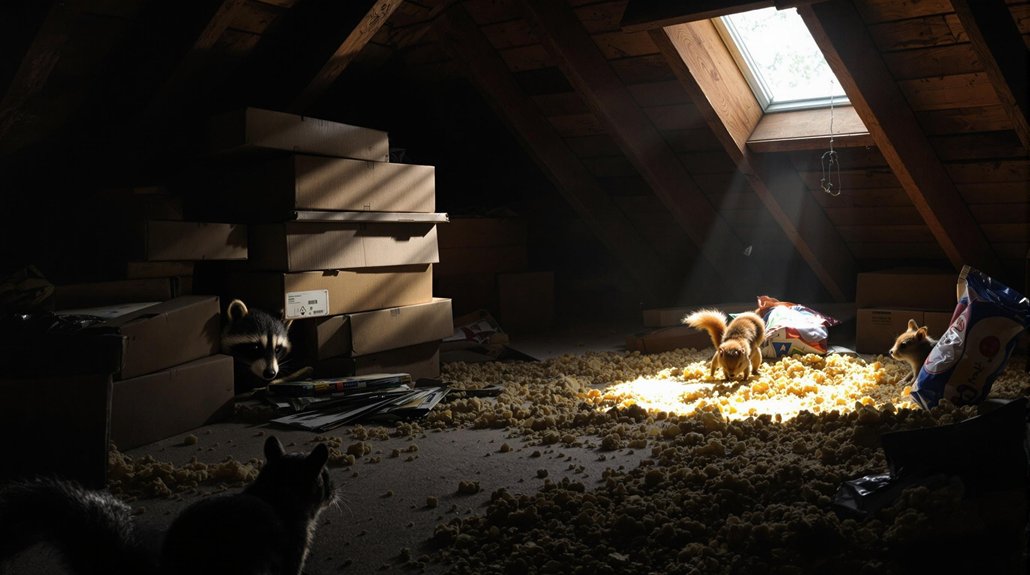
    Squirrel infestations can pose significant problems for homeowners. Understanding squirrel behavior is crucial to identify and address these issues effectively. Squirrels are known for their agility and tendency to invade attics, where they can create nests and cause damage. Homeowners should be aware of common infestation signs. Noises in the attic, especially during dawn and dusk, often indicate squirrel activity. Scratching or scurrying sounds can suggest that squirrels are present.

    Another sign of an infestation is visible damage to insulation or wiring. Squirrels may chew on materials to create nesting materials or to sharpen their teeth. Additionally, droppings and urine may be found in areas where squirrels frequent, marking another indicator of their presence.

    It is important to act quickly if signs of a squirrel infestation are noticed. Ignoring these signs can lead to more significant problems, such as structural damage or attracting other pests. Understanding these behaviors and signs allows homeowners to take proactive steps in managing infestations effectively. By recognizing the issues early, homeowners can protect their property and guarantee a safe living environment.

    Factors Influencing Removal Costs

    Identifying a squirrel infestation is just the first step in addressing the problem. Several factors influence the cost of removing squirrels from your attic. One key factor is squirrel behavior. Squirrels are known for their agility and ability to enter tight spaces. Their nesting habits can make removal more complex and time-consuming. Understanding these behaviors helps professionals determine the best removal techniques to use.

    Another important factor is the size of the infestation. A larger group of squirrels may require more extensive work, leading to higher costs. The location of the infestation also plays a role. If squirrels have nested in hard-to-reach areas, specialized equipment or additional labor may be needed, increasing expenses.

    The type of removal techniques used will further impact costs. Humane traps, exclusion methods, and repairs to prevent future infestations vary in price and effectiveness. Finally, local regulations and permits might influence the overall cost of the process. By considering these factors, homeowners can better understand what influences removal costs and make informed decisions regarding squirrel control.

    Average Cost of Squirrel Removal

    Understanding the average cost of squirrel removal can help homeowners budget for this necessary service. The price for professional squirrel removal can vary based on different factors. Homeowners should expect to pay between $200 and $600 for complete services. This range includes the application of various squirrel removal techniques, such as trapping and exclusion methods.

    Factors that can influence the cost include:

    • The extent of the infestation
    • Accessibility of the attic or entry points
    • Required repairs after removal
    • Location and local service rates

    Average extermination prices may also vary depending on the company and region. Some companies may charge a flat fee, while others may offer hourly rates. Additionally, follow-up visits may be needed, which could incur extra costs.

    It is important to get quotes from multiple pest control services. This allows homeowners to compare prices and choose the most suitable option. Investing in professional squirrel removal can save homeowners from costly damages and health risks associated with squirrel infestations.

    DIY vs. Professional Services

    When considering squirrel removal, homeowners often face the choice between DIY methods and hiring professional services. DIY solutions can be more affordable but may lack effectiveness compared to professional options. Understanding the costs and success rates of both approaches is essential for making an informed decision.

    Cost of DIY Methods

    Squirrel removal can be approached through various methods, with DIY solutions often appealing to homeowners looking to save money. The cost of DIY methods typically includes materials, tools, and time invested. Understanding squirrel behavior is vital for effective removal, as it informs the choice of traps and techniques.

    When considering DIY methods, here are some common costs to keep in mind:

    • DIY traps: Prices can range from $20 to $100, depending on the type and quality.
    • Exclusion materials: Sealing entry points may require costs for materials like hardware cloth or caulk, usually around $10 to $50.
    • Safety gear: Gloves and masks can add another $10 to $30 to your budget.
    • Time investment: Consider the hours spent researching and implementing your plan, which has an indirect cost.

    While DIY options can be cost-effective, they require knowledge and commitment. Some homeowners find that understanding squirrel behavior is essential for placing traps effectively. Ultimately, the choice between DIY and professional services will depend on your comfort level with these tasks and the extent of the squirrel problem.

    Professional Service Pricing

    Professional pest control services offer a different approach to squirrel removal compared to DIY methods. These services involve trained experts who understand squirrel behavior and can effectively manage infestations. The cost of hiring professionals varies widely based on several factors, including the severity of the infestation, the location of the property, and the specific services required.

    On average, homeowners may expect to pay between $200 to $800 for professional pest control services. This price often includes inspection, trapping, and exclusion measures to prevent future access. The investment in professional services can be higher than DIY methods, but it often results in quicker and more effective solutions.

    Professionals have access to specialized tools and techniques that the average homeowner may not possess. They also adhere to safety guidelines and regulations that are vital for effective pest control. Furthermore, they can provide valuable advice on how to deter squirrels from returning, which is an important part of managing squirrel behavior.

    Effectiveness Comparison

    Choosing between DIY methods and professional services for squirrel removal involves evaluating the effectiveness of each approach. Understanding squirrel behavior and their habitat preferences is essential in determining how well these methods work.

    DIY methods can be tempting due to their lower cost. However, they often lack effectiveness. Homeowners may not fully understand how to identify entry points or how to effectively deter squirrels. On the other hand, professional services provide expertise and tools that can lead to more successful outcomes. They can assess the situation accurately and implement long-term solutions.

    Here are some points to evaluate:

    • Knowledge: Professionals understand squirrel behavior and habits.
    • Tools: Experts have specialized equipment for removal.
    • Safety: Professionals manage risks associated with wildlife removal.
    • Long-term solutions: They can prevent future infestations effectively.

    Inspection and Assessment Fees

    When dealing with a rodent issue in your attic, the first step is often an inspection to assess the situation. This inspection process is vital to understanding the extent of the squirrel problem. During this visit, a professional will examine your attic for signs of squirrels. They will look for droppings, nesting materials, and entry points.

    Assessment criteria also play a significant role in this evaluation. The technician will determine how many squirrels are present and whether they are causing damage. Additionally, they will assess the safety risks associated with the infestation.

    The fees for this inspection can vary based on several factors. Some companies charge a flat fee, while others base their costs on the size of your home or the severity of the infestation. On average, you can expect to pay between $75 and $150 for a thorough inspection.

    This upfront cost is indispensable, as it provides a clear understanding of the problem. Knowing the scope of the issue allows for better planning of the next steps in squirrel removal and potential repair work.

    Methods of Squirrel Removal

    When dealing with squirrels in the attic, there are several effective methods for removal. These include trapping techniques, exclusion methods, and hiring professional services. Understanding these options can help homeowners choose the best approach for their situation.

    Trapping Techniques Overview

    Implementing effective trapping techniques is crucial for successful squirrel removal from attics. Using humane traps guarantees that squirrels are captured without harm, allowing for safe relocation. These traps come in various designs and sizes, tailored to the specific needs of the situation.

    Here are some key trapping techniques to contemplate:

    • Live Traps: These traps catch squirrels without injuring them. They allow for safe release once the animal is captured.
    • Bait Selection: Effective bait can attract squirrels easily. Options like peanut butter, nuts, or sunflower seeds work well.
    • Placement: Position traps near entry points or areas where squirrel activity is evident. This increases the chances of a successful capture.
    • Monitoring: Check traps frequently to guarantee captured squirrels do not suffer from stress or injury.

    Employing these trapping techniques can enhance the effectiveness of your squirrel removal efforts. It is crucial to follow local regulations regarding wildlife capture and relocation. By using humane traps and these practical strategies, you can successfully manage squirrel populations in your attic while guaranteeing their well-being.

    Exclusion Methods Explained

    Exclusion methods are essential for preventing squirrels from invading attics and other spaces. These techniques focus on creating barriers and sealing entryways to guarantee a squirrel-free environment. By implementing proper exclusion methods, homeowners can considerably reduce the risk of future infestations.

    Method Description
    Exclusion Barriers Install physical barriers to block access points.
    Sealing Entryways Use materials like steel mesh and caulk to seal gaps.
    Inspection and Maintenance Regularly check for new openings and maintain barriers.

    Exclusion barriers are imperative for deterring squirrels from entering your home. These can include hardware cloth, metal flashing, and other sturdy materials. Sealing entryways is equally important, as it prevents squirrels from finding small gaps to exploit. After sealing, it is essential to inspect your property regularly. This helps identify any new potential entry points that may arise over time. By combining these strategies, homeowners can create a secure barrier against squirrels and protect their living spaces effectively.

    Professional Services Costs

    After securing your home with effective exclusion methods, you may still need to deliberate professional services for squirrel removal. Understanding the costs involved can help you plan accordingly. Professional services often vary in price depending on several factors, including the complexity of the job and the extent of attic damage.

    Here are some key points to reflect on:

    • Initial Inspection: Many companies offer a free or low-cost inspection to assess squirrel behavior and identify entry points.
    • Removal Fees: The cost for removal can range from $150 to $500, depending on the number of squirrels and the difficulty of access.
    • Repair Costs: Expect to pay for repairing any attic damage caused by squirrels, which can add another $200 to $1,500 to your total bill.
    • Ongoing Maintenance: Some services offer warranties or follow-up visits, which can increase your overall investment.

    Additional Costs to Consider

    When considering the costs associated with removing squirrels from the attic, several additional expenses may arise. These costs can vary based on the specific situation. One of the most common additional fees is for inspections. A thorough inspection is often necessary to assess the extent of the squirrel problem. This can help identify hidden expenses related to damage caused by the squirrels.

    Another potential cost is for repairs. Once squirrels are removed, it may be vital to fix any damage to the attic or the home's structure. This can include sealing holes or replacing insulation. If you need to hire a contractor for these repairs, it can add to your total expenses.

    Additionally, there may be costs for preventive measures. After the squirrels are removed, making sure they do not return is important. This could involve installing barriers or other solutions.

    Lastly, always ask for a detailed estimate before hiring a service. This can help you avoid unexpected or hidden expenses. By being aware of these additional costs, you can better plan your budget for squirrel removal and guarantee a more effective solution.

    Preventative Measures and Costs

    Preventative measures are essential for ensuring that squirrels do not return to your attic after removal. Implementing effective strategies can save you time and money in the long run. Here are some key methods:

    • Seal entry points: Inspect your home for holes or gaps. Use materials like steel mesh or caulk to seal these openings.
    • Squirrel proofing homes: Install one-way doors that allow squirrels to exit but prevent them from re-entering.
    • Natural repellents: Consider using natural repellents such as peppermint oil or cayenne pepper. These substances can deter squirrels from returning.
    • Trim trees and shrubs: Keep trees and shrubs trimmed, especially those near your roof. This reduces access points to your attic.

    The costs associated with these preventative measures can vary. Sealing entry points may cost between $100 and $500, depending on the extent of the work needed. Installing one-way doors can range from $200 to $600. Natural repellents are often inexpensive but may require regular reapplication. Overall, investing in these measures can greatly reduce the risk of future infestations, making them a wise choice for homeowners.

    Long-Term Financial Implications

    Long-term financial implications of squirrel infestations can be significant for homeowners. Squirrels can cause extensive damage to insulation, wiring, and structural elements of a home. This damage can lead to costly repairs if not addressed promptly. Over time, the cumulative cost of repairs can exceed the initial expense of removing the squirrels.

    When considering the financial impact, it is essential to factor in potential long-term savings. Addressing a squirrel problem early can prevent further damage and reduce repair costs. Investing in prevention measures, such as sealing entry points and maintaining a clean yard, can also yield savings.

    Homeowners should be aware that squirrel damage can lead to increased energy bills. Damaged insulation can make heating and cooling systems less efficient. This inefficiency can add up over time, leading to higher monthly costs.

    Finding the Right Exterminator

    Finding the right exterminator is essential for effective squirrel removal. Start by researching local exterminators and comparing their service quotes. Additionally, verify that the exterminators you consider are properly licensed and insured for your peace of mind.

    Research Local Exterminators

    When dealing with a squirrel infestation in your attic, researching local exterminators is crucial. Finding the right professional can make a significant difference in resolving the issue effectively. Start by gathering local exterminator reviews. This feedback can help you understand the quality of service provided by different companies.

    Consider the following when researching exterminators:

    • Experience: Look for companies with a proven track record in handling squirrel infestations.
    • Certifications: Verify the exterminator is licensed and follows local regulations.
    • Techniques Used: Ask about the methods they employ for squirrel removal and prevention.
    • Pest Control Recommendations: Seek advice from friends, family, or online forums. Personal recommendations can lead you to reliable services.

    Compare Service Quotes

    Gathering service quotes from multiple exterminators is essential for making an informed decision. This process allows you to conduct a thorough cost comparison, which can help you understand the market rates for squirrel removal. Start by contacting at least three local exterminators. Request detailed quotes that outline their services, pricing, and any additional fees.

    When comparing quotes, pay attention to the scope of services offered. Some exterminators may include inspections, trapping, and exclusion work, while others may charge separately for each service. It is vital to evaluate what you get for your money.

    In addition to cost, consider reviewing customer feedback and service reviews. Online reviews can provide valuable insights into the exterminator's effectiveness, reliability, and customer service. Look for patterns in the reviews, such as satisfaction with the removal process or response time.

    Check Licensing and Insurance

    Ascertaining that your chosen exterminator is properly licensed and insured is essential for a successful squirrel removal process. This step protects you from potential liabilities and guarantees the work is performed professionally. An unlicensed exterminator may not have the knowledge of squirrel behavior, which is critical for effective removal.

    When selecting an exterminator, consider these key points:

    • Licensing: Verify if the exterminator holds the necessary state licenses.
    • Insurance: Confirm they have liability insurance to cover any damages.
    • Experience: Look for a professional with a solid track record in attic safety and wildlife removal.
    • References: Ask for customer reviews or testimonials to gauge their reliability.

    Frequently Asked Questions

    How Do I Know if I Have Squirrels in My Attic?

    To determine if squirrels inhabit your attic, observe for signs of squirrel behavior, such as scratching noises, chewed wires, or droppings. Additionally, look for entry points or nesting materials indicating their presence in your attic.

    Are Squirrels Dangerous to My Home and Family?

    Squirrels in your home can be like uninvited guests, causing significant squirrel damage. They may chew wires or insulation, leading to costly repairs. Additionally, they pose health risks by carrying diseases, endangering your family's well-being.

    What Time of Year Are Squirrels Most Active?

    Squirrels are most active during spring, as they emerge from winter habits to search for food and establish nests. This period sees increased movement and foraging, making it essential to monitor their activities closely.

    Can Squirrels Return After Removal?

    Imagine a squirrel renaissance—returning from exile after removal! Indeed, squirrels can return, especially if previous entry points remain open. Effective removal methods must guarantee all access routes are sealed to prevent their mischievous comeback.

    Do I Need a Permit to Remove Squirrels?

    In many regions, squirrel removal regulations require wildlife control permits before capturing or relocating squirrels. It is essential to consult local laws and regulations to guarantee compliance and avoid potential legal issues during the removal process.

  • Will Bats Leave Attic if Light Is On?

    Will Bats Leave Attic if Light Is On?

    Bats are unlikely to leave an attic simply because a light is turned on. These nocturnal creatures prefer dark environments for roosting. While bright lights can disrupt their natural habits, they do not guarantee that bats will exit. In fact, high light intensity can cause confusion and increased stress. Bats often seek safety in their chosen habitat, regardless of light exposure. Effective removal methods involve humane traps and exclusion techniques, which focus on sealing entry points. To learn about other strategies for dealing with bats in your attic, consider exploring more effective solutions.

    Key Article Highlights

    • Bats are nocturnal and prefer dark environments, making bright lights disruptive to their roosting habits.
    • High light intensity can hinder bats' vision, causing confusion and stress.
    • Increased stress from bright lights may lead bats to seek alternative roosting locations.
    • However, simply turning on a light may not guarantee that bats will leave immediately.
    • Professional intervention may be necessary to effectively remove bats if they persist in the attic despite the light.

    Understanding Bat Behavior

    Bats are fascinating creatures with unique behaviors that influence their living environments. One important aspect of bat behavior is their method of communication. Bats use a variety of sounds to communicate with each other. These sounds can indicate location, food sources, and social interactions. Understanding bat communication is essential for researchers studying their social structures and behaviors.

    Additionally, bats have specific habitat preferences. They often choose roosting sites that offer protection and access to food. Common habitats include caves, trees, and buildings like attics. Bats select these environments based on factors such as temperature, humidity, and safety from predators. Their preferences can impact local ecosystems, as they help control insect populations through their feeding habits.

    The Impact of Light

    Light can considerably influence bat behavior, particularly their roosting habits. Bats are nocturnal creatures, which means they are active during the night and prefer dark environments. The presence of light can disrupt their natural routines and may drive them away from their roosts. The intensity of the light plays a significant role in this behavior. High light intensity can be more off-putting to bats than low light levels.

    Bats rely on their vision, which is adapted for low-light conditions. Their eyes are designed to detect movement and navigate in darkness. Bright lights can hinder their ability to see clearly and may confuse them. This disruption can lead to increased stress levels and may push them to seek alternative roosting locations.

    Alternative Removal Methods

    When considering the removal of bats from an attic, various alternative methods can be effective. Two popular approaches include humane traps and exclusion techniques. Humane traps allow for the safe capture of bats without harm. After capture, the bats can be relocated to a suitable environment. Exclusion techniques focus on preventing bats from re-entering the attic. This method often involves sealing entry points and creating one-way exits.

    Here is a summary of these methods:

    Method Description Benefits
    Humane Traps Capture bats safely for relocation Non-lethal, ethical solution
    Exclusion Seal entry points and install one-way exits Long-term prevention of re-entry
    Combination Use both traps and exclusion techniques Maximizes success in removal

    Both methods are effective and can be employed based on the specific situation. It is important to choose a method that aligns with humane practices. Always verify that any removal process complies with local regulations regarding bat conservation. By using humane traps and exclusion techniques, homeowners can achieve successful bat removal while promoting safety for the animals.

    Safety Considerations for Homeowners

    Homeowners must prioritize safety when dealing with bats in their attics. Bats can be carriers of diseases, such as rabies. Consequently, it is essential to take proper homeowner precautions when addressing a bat issue. First, avoid direct contact with bats. If a bat is in your living space, do not attempt to catch it yourself. Instead, contain the area by closing doors and windows to prevent its escape.

    Ensure that any children or pets are kept away from the area where bats are present. It is also wise to wear protective gear if you need to enter the attic. This may include gloves, a mask, and long sleeves to minimize exposure to any potential health risks.

    Consider using a flashlight instead of turning on the attic lights, as sudden brightness can startle bats. Remember that bats are nocturnal, so they may be more active at night. Always check for any gaps or holes in the attic that could allow bats entry. Seal these openings securely after ensuring all bats have left. Practicing these bat safety measures will help protect your home and family while managing any bat-related concerns effectively.

    When to Seek Professional Help

    Evaluating the situation is essential for homeowners dealing with bats in their attic. Bats can cause damage and pose health risks. If you notice signs of bats, such as droppings or noises, it is vital to assess the severity of the problem. If you find only one or two bats, some simple methods may work. However, if you discover a large colony or if the problem persists, it is time to seek professional help.

    Professional pest control services have experience in bat exclusion techniques. They can safely and effectively identify entry points and remove bats without harming them. Humane removal is important, as bats are protected species in many areas. Professionals use strategies that encourage bats to exit the attic while preventing their return.

    It is wise to act quickly. Waiting too long can lead to more serious issues, such as structural damage or health concerns from bat guano. If you are unsure about your ability to handle the situation, contacting experts is the best course of action. They will guarantee a safe and efficient resolution to your bat problem, allowing you to reclaim your attic space.

    Frequently Asked Questions

    Do Bats Prefer Dark or Light Environments for Roosting?

    Bats exhibit intriguing roosting habits, demonstrating a strong preference for dark environments. Their light sensitivity often drives them to seek shelter in shadowy spaces, where they can rest undisturbed, avoiding potential threats illuminated by bright light.

    Can Bats Be Harmed by Artificial Light Exposure?

    Artificial light can adversely affect bat behavior, disrupting their natural activities. Exposure to bright lights may hinder their foraging, navigation, and roosting patterns, potentially leading to stress and decreased survival rates in affected populations.

    What Time of Year Are Bats Most Likely to Enter Attics?

    Bats are most likely to enter attics during late spring and early fall. This aligns with their migration patterns and seasonal behaviors, as they seek warm, sheltered places for roosting and raising their young.

    How Long Can Bats Remain in an Attic Undisturbed?

    Bats, like shadows in twilight, can thrive in undisturbed attics for weeks to months. Their behavior is influenced by attic conditions, including temperature and humidity, which provide a sanctuary for roosting during their resting periods.

    Will Sealing Entry Points Deter Bats From Returning?

    Sealing entry points can be effective for bat entry prevention. Proper attic sealing reduces the likelihood of bats returning, as it eliminates access routes. Ascertain all gaps are securely closed to enhance overall effectiveness against re-entry.

  • How Many Squirrels Are Usually in an Attic?

    Squirrels in an attic typically number between one and three, though this can vary by species and environmental factors. The Eastern Gray Squirrel is the most common, often found in urban areas. These creatures may share nesting spaces, especially in spring, when mothers may bring their young. If food and shelter are abundant, they might be more inclined to gather in small groups. It's important to be aware of signs of infestation, such as scratching noises or chewed materials. Understanding more about squirrel behavior can help in managing any potential issues in your attic.

    Key Article Highlights

    • The number of squirrels in an attic typically ranges from 1 to 3, depending on the species and available resources.
    • Eastern Gray Squirrels often form small groups of 1-3, while Red Squirrels usually stay solitary or in pairs.
    • Seasonal behaviors, such as mating, may temporarily increase the number of squirrels in an attic.
    • Infestations can lead to multiple squirrels taking refuge, especially if a nesting site is established.
    • Signs of infestation include noises, scratching, and nest indicators, suggesting the presence of squirrels in the attic.

    Common Squirrel Species in Attics

    Numerous squirrel species can invade attics, with the most common being the Eastern Gray Squirrel, the Fox Squirrel, and the Red Squirrel. The Eastern Gray Squirrel is prevalent in urban and suburban areas. It is known for its adaptability and ability to thrive in various environments. These squirrels often use attics as nesting sites, creating disturbances with their movements and vocalizations.

    The Fox Squirrel, larger than the Eastern Gray, prefers open woodlands and parks. Its distinctive bushy tail and reddish coloration make it easy to identify. While it is less common in attics compared to the Eastern Gray, it can still cause significant damage if it gains access.

    The Red Squirrel is smaller and more aggressive. It typically resides in coniferous forests but can invade attics in search of food and shelter. Finally, the Flying Squirrel, nocturnal and often overlooked, can also find its way into attics. Though they are not as common as the other species, their presence can create unique challenges for homeowners. Understanding these species is essential for effective prevention and control measures.

    Typical Group Size of Squirrels

    Squirrels typically live in small groups, which can vary in size based on several factors. Their nesting habits and the availability of food and shelter greatly influence these group sizes. Understanding these dynamics can help in managing squirrel populations in attics.

    Nesting Habits and Behavior

    The typical group size of squirrels can vary greatly depending on the species and environmental conditions. Squirrels are generally solitary animals, but they may form small groups during certain times of the year, particularly during squirrel mating season. During this period, males may gather around females to compete for mating opportunities, which can lead to temporary increases in group size.

    Nesting preferences also play a role in group dynamics. Squirrels often choose locations that provide safety and food access. A single nest may house a mother and her young, but adult squirrels tend to be more independent once the young mature.

    Here is a table summarizing typical group sizes of different squirrel species:

    Species Typical Group Size
    Eastern Gray 1-3
    Red Squirrel 1-2
    Fox Squirrel 1-4
    Chipmunk 1-5
    Flying Squirrel 1-3

    Understanding these nesting habits and behaviors is essential for effective management and control of squirrels in residential areas.

    Factors Influencing Group Size

    Understanding the various factors that influence group size among squirrels can shed light on their social dynamics. Squirrel socialization plays a critical role in determining how many individuals may occupy a given space, such as an attic. Typically, squirrels are solitary creatures; however, they may form small groups for various reasons, such as resource availability and safety.

    Environmental factors greatly impact group size. For instance, the abundance of food sources can attract more squirrels to an area, leading to larger groups. During winter months, when food is scarce, squirrels may gather in smaller numbers to conserve energy and share resources. Additionally, the presence of predators can also influence how squirrels group together. When threatened, they may band together for protection, increasing their chances of survival.

    Moreover, the specific species of squirrels can affect group sizes. Some species naturally tend to be more social than others. As a result, the conditions of their environment and their social behaviors can lead to variations in the number of squirrels that may take refuge in an attic, resulting in a dynamic and varied group size.

    Signs of Squirrel Infestation

    Signs of a squirrel infestation can often be identified by certain behaviors and damage. Homeowners may hear noises and scratching sounds coming from the attic, indicating activity. Additionally, chewed wires and insulation are clear indicators that squirrels have taken up residence.

    Noises and Scratching Sounds

    When you hear strange noises or scratching sounds coming from your attic, it may indicate the presence of squirrels. Squirrels are known for their active behavior, especially during dawn and dusk. Their communication often involves a series of chattering and chirping sounds, which can echo in the confined space of your attic. This is due to attic acoustics, which can amplify even the slightest noise.

    The scratching sounds are typically caused by squirrels moving around as they search for nesting materials or food. These noises can vary in intensity, often making it seem as though multiple animals are present. It is important to differentiate between the sounds made by squirrels and those made by other animals.

    If you consistently hear these noises, it is essential to investigate further. Ignoring these signs could lead to more significant issues, such as damage to your home or an increased population of squirrels. Taking action promptly can help mitigate potential problems. Always consider consulting a professional to assess the situation accurately and address any squirrel infestation effectively.

    Chewed Wires and Insulation

    Chewed wires and insulation are clear indicators of a squirrel infestation in your attic. Squirrels have a natural instinct to gnaw on materials to keep their teeth trimmed. This behavior can lead to significant damage, particularly to electrical wires and insulation.

    Detecting these signs early is vital to prevent severe issues. Chewed insulation not only compromises your home's energy efficiency but also poses a risk of electrical hazards. Exposed wires can lead to short circuits or even fires, making it essential to address the problem promptly.

    Signs of Squirrel Infestation Potential Risks
    Chewed Wires Electrical Hazards
    Chewed Insulation Energy Loss
    Nests Made from Insulation Structural Damage

    If you notice any of these signs, it is advisable to consult a professional pest control service. They can assess the situation and recommend appropriate measures to remove the squirrels and repair the damage. Ignoring these indicators can lead to escalating problems, both financially and regarding safety. Taking action soon is the best way to protect your home.

    Seasonal Squirrel Behavior

    Seasonal changes evoke distinct behaviors in squirrels, influencing their activities and routines throughout the year. In spring, squirrels engage in mating rituals. During this time, male squirrels become more active as they search for females. This period is vital for their reproduction, as it lays the foundation for future generations.

    As summer arrives, squirrels focus on gathering food. They collect nuts, seeds, and fruits, preparing for the winter months ahead. This foraging behavior is essential for their winter survival. Squirrels store food in various locations, creating caches that they can rely on when resources become scarce.

    In autumn, the urgency to gather food increases. Squirrels become busier as they seek to maximize their food reserves. They are known to bury nuts, which helps them survive the cold months. During this time, their social structures may shift, as they often come together to compete for food sources.

    Once winter sets in, squirrels adapt their behavior to conserve energy. They rely heavily on their food caches and may spend more time in their nests. This seasonal shift in behavior is a significant aspect of their survival strategy.

    Risks of Squirrels in Your Attic

    The presence of squirrels in your attic can lead to significant risks for both your home and health. These small animals can cause property damage, as they chew on wires, insulation, and wood. This behavior can lead to costly repairs and potential fire hazards.

    Moreover, squirrels are carriers of various diseases that can be transmitted to humans and pets. Understanding the risks associated with squirrels in your attic is essential for maintaining a safe living environment.

    Risk Description
    Property Damage Chewing wires, insulation, and structures.
    Squirrel Diseases Potential transmission of diseases like leptospirosis and tularemia.

    In addition to the physical damage, the presence of squirrels can create an unsanitary environment. Their droppings can attract pests and contribute to health issues. Regular inspections and timely action can help mitigate these risks. Addressing the problem promptly can protect your property and safeguard your health from potential squirrel-related threats.

    Safe Removal Strategies

    Addressing the issue of squirrels in your attic requires careful planning and execution. The first step in safe removal is to assess the situation. Identify how many squirrels are present and if they are nesting. Once you have this information, consider using humane traps. These traps can safely capture squirrels without harming them, allowing for their release in a suitable location.

    When setting traps, place them in areas where you have seen squirrel activity. Make certain they are baited with appealing food, such as nuts or seeds, to increase the chances of capture. Check the traps regularly to avoid distress to the trapped animals.

    If you are uncomfortable with trapping or handling squirrels, professional removal services can provide assistance. These experts have the knowledge and experience to remove squirrels safely and humanely. They can also help with identifying entry points and recommend solutions to prevent future infestations.

    It is essential to handle the situation promptly. Squirrels can cause significant damage in an attic, leading to costly repairs. By employing humane traps or seeking professional removal, you can resolve the issue responsibly and effectively.

    Preventing Future Infestations

    How can homeowners effectively prevent future squirrel infestations in their attics? Implementing effective squirrel proofing techniques and making habitat modifications can greatly reduce the risk of squirrels entering your home.

    Homeowners should focus on sealing entry points, such as holes in roofs or walls. Regularly inspecting and maintaining these areas can help keep squirrels out. Additionally, trimming tree branches close to the house can prevent squirrels from accessing rooftops.

    Here is a simple overview of effective strategies:

    Strategy Description Benefits
    Seal Entry Points Use hardware cloth or metal flashing to block holes Reduces access to your attic
    Maintain Landscaping Keep tree branches trimmed and vegetation clear Limits squirrel pathways
    Remove Food Sources Store food securely and clean up outdoor areas Reduces attraction to the home
    Install Mesh Barriers Place mesh screens over vents and chimneys Prevents entry without blocking airflow

    Frequently Asked Questions

    Can Squirrels Cause Damage to My Attic Insulation?

    Squirrels can indeed cause significant damage to attic insulation due to their nesting and foraging behaviors. Prompt insulation repair is essential to prevent further damage and maintain energy efficiency in your home.

    What Time of Year Are Squirrels Most Active in Attics?

    As nature awakens, squirrels become lively during late winter and spring, driven by their mating rituals. This seasonal behavior peaks in March through May, leading to increased attic activity as they seek nesting sites.

    How Do I Know if Squirrels Are Nesting in My Attic?

    To determine if squirrels are nesting in your attic, look for squirrel nesting signs such as droppings, chewed insulation, and nesting materials. Conduct thorough attic inspection tips, checking for noises and entry points during daytime.

    Are There Specific Scents That Repel Squirrels From Attics?

    In the domain of pest control, scent deterrents can effectively repel squirrels. Natural repellents such as peppermint oil, cayenne pepper, and vinegar may discourage nesting, providing a non-toxic solution for maintaining a squirrel-free attic environment.

    Can I Legally Remove Squirrels From My Attic Myself?

    You may be able to legally remove squirrels from your attic yourself, but it's essential to understand local laws regarding wildlife and squirrel removal. Consult regulations to guarantee compliance and consider humane methods for effective management.

  • How Do You Get Rid of Bats in Your Attic?

    How Do You Get Rid of Bats in Your Attic?

    To get rid of bats in your attic, first identify the species and check for signs of infestation, such as droppings or entry points. It is crucial to follow local laws, as many bats are protected. Use humane traps for removal and seal any openings to prevent their return. Installing one-way doors allows bats to exit while keeping them out. Additionally, maintain your attic and reduce attractants like insects. For persistent issues, consider consulting a professional. Understanding more about bat ecology and safe removal methods can help guarantee a successful resolution.

    Key Article Highlights

    • Identify signs of infestation, such as guano or entry points, to confirm bat presence in your attic.
    • Use humane traps to capture bats safely for relocation, ensuring no harm comes to them.
    • Seal all entry points after bats have been removed to prevent future infestations.
    • Consider installing one-way doors to allow bats to exit while preventing their return.
    • Maintain a clean attic and modify outdoor habitats to reduce insect attraction, deterring bats from roosting.

    Understanding the Bat Problem

    Bats in your attic can pose several problems for homeowners. Understanding bat ecology is essential to grasp the challenges they present. Bats are nocturnal creatures, meaning they are active at night. They typically seek dark, sheltered areas to roost, which often includes attics. This can lead to several issues, including noise disturbances during the night and the accumulation of bat droppings, known as guano.

    Guano can cause structural damage and create health risks due to its potential to harbor harmful pathogens. Additionally, bats play an important role in the ecosystem, helping control insect populations. Consequently, removing them requires careful consideration.

    It is important to note that bats are protected species in many areas, which means that homeowners must comply with local laws when addressing infestations. Understanding their nocturnal habits can inform homeowners about the best times and methods for exclusion. This knowledge can also aid in preventing future infestations by making attics less appealing to bats. By recognizing the importance of bat ecology, homeowners can take responsible actions to manage any bat problems effectively while respecting the natural role these creatures play in our environment.

    Identifying Bat Species

    Identifying bat species is essential for effective removal. Different species have unique physical traits and behaviors that can help in their identification. Understanding these characteristics will aid in determining the best approach to manage the situation in your attic.

    Common Bat Species

    When trying to pinpoint which bat species may be roosting in your attic, it is vital to recognize the common types found in North America. Understanding bat diversity is essential for proper species identification. Here are some of the most frequently encountered bat species:

    • Little Brown Bat: Small and common, known for its brown fur.
    • Big Brown Bat: Larger than the little brown bat, with a robust body.
    • Eastern Red Bat: Recognizable by its reddish fur, often roosting in trees.
    • Hoary Bat: A large bat with frosted fur, typically found in forests.
    • Mexican Free-tailed Bat: Known for its long tail and fast flight, often roosting in colonies.

    Identifying the specific species can help you understand their behavior and needs. Each species has unique traits that can aid in recognizing them when they enter your home. By learning about these common bat species, you can take informed steps to manage their presence in your attic effectively.

    Physical Characteristics to Observe

    Recognizing the physical characteristics of bats is a key step in identifying the species that may be roosting in your attic. Understanding bat anatomy can help you differentiate between various types. One of the most noticeable features is their wings, which are made of a thin membrane stretched over elongated fingers. This unique structure allows bats to fly efficiently.

    Another important characteristic to observe is the fur texture. Bats can have different types of fur, ranging from short and fine to long and coarse. The color of their fur can also vary widely, with some species displaying shades of brown, gray, or even black. This variation can help in identification.

    Additionally, the size of the bat plays a vital role in distinguishing species. Bats can range from small, with a wingspan of just a few inches, to larger species with wingspans exceeding a foot. Pay attention to the shape of their ears and noses as well, as these features can also assist in identifying specific species.

    Behavior Patterns and Habitats

    Understanding the behavior patterns and habitats of bats is essential for effective identification and management. Different bat species exhibit unique bat behavior and have specific habitat preferences, making it important to recognize these traits. Bats are social creatures, often roosting together in large groups, especially during the breeding season.

    Key behavior patterns and habitat preferences include:

    • Roosting Locations: Bats prefer dark, sheltered areas like attics, caves, and tree hollows.
    • Feeding Habits: Most bats are nocturnal and feed on insects, fruit, or nectar, depending on the species.
    • Migration: Some bats migrate seasonally to find food and suitable roosting sites.
    • Communication: Bats use echolocation to navigate and locate food, emitting high-frequency sounds.
    • Breeding: Many species have specific breeding seasons and often return to the same roosting sites year after year.

    Signs of Bat Infestation

    Bats can often go unnoticed in attics, but certain signs can indicate their presence. One of the most common indicators is bat droppings identification. These droppings, known as guano, are dark and crumbly and may accumulate beneath entry points. If you notice a buildup of these droppings, it is a clear sign of a bat infestation.

    Another sign to watch for is the presence of echolocation sounds. Bats use these high-frequency sounds for navigation and hunting. If you hear faint clicking or squeaking noises, especially at dusk or dawn, it may be a signal that bats are roosting nearby.

    Additionally, look for signs of entry points. Bats can squeeze through very small openings, so check for holes or gaps in your roof, eaves, or walls. You may also find grease marks or stains near these entry points, caused by the oils on their fur.

    If you suspect a bat infestation, it is vital to act promptly. Identifying these signs early can help prevent further issues and guarantee a safe and effective removal process.

    Legal Considerations

    Maneuvering the legal landscape surrounding bat removal is vital for homeowners. Bats are often protected under various legal regulations due to their role in the ecosystem. Understanding these laws is important to avoid fines and legal issues.

    Homeowners should be aware of the following key points:

    • Local wildlife protection laws: Many regions have specific laws that protect bats, making it illegal to harm or kill them.
    • Seasonal restrictions: Certain times of the year, such as breeding seasons, may restrict removal activities to protect young bats.
    • Permitting requirements: Some areas may require permits for bat removal, necessitating consultation with local authorities.
    • Professional assistance: Hiring licensed wildlife removal experts can guarantee compliance with all legal regulations while safely addressing the issue.
    • Reporting guidelines: If bats are found in your home, there may be specific protocols to report the situation, especially if they are endangered species.

    Safe Removal Techniques

    Frequently, homeowners face the challenge of safely removing bats from their attics without causing harm to the animals or violating legal protections. Employing safe removal techniques is crucial for both the bats and the environment.

    One effective method is to use humane traps. These traps allow for the safe capture of bats without injury. After capturing the bats, it is essential to release them at a suitable distance from the home to prevent their return.

    Another option is to utilize natural repellents. These substances can deter bats from roosting in the attic without causing them harm. Here's a comparison of these two techniques:

    Technique Description
    Humane Traps Capture bats safely for relocation
    Natural Repellents Create an environment unfavorable to bats

    Exclusion Methods

    Exclusion methods are essential for preventing bats from returning to your attic. This involves sealing entry points, installing bat houses to provide alternative roosting, and using one-way doors that allow bats to exit but not re-enter. Implementing these strategies can help guarantee that your attic remains bat-free.

    Seal Entry Points

    To effectively eliminate bats from your attic, sealing entry points is crucial. This process involves identifying all possible access areas where bats may enter. Proper entry point identification is the first step in bat proofing measures. Once identified, these points must be sealed to prevent further access.

    Here are key steps to seal entry points effectively:

    • Inspect the Roof: Check for gaps or holes in shingles or vents.
    • Seal Gaps: Use caulk or foam to fill small openings around windows and doors.
    • Install Screens: Fit screens over vents and chimneys to block entry.
    • Repair Cracks: Fill any cracks in walls or foundations with appropriate materials.
    • Check Utility Lines: Verify there are no gaps around pipes or wires entering your home.

    Install Bat Houses

    After sealing entry points, installing bat houses can provide a humane solution for managing bat populations. Bat houses serve as alternative roosting sites, encouraging bats to leave your attic. Proper bat house placement is essential; ideally, they should be located at least 12-15 feet high on a south-facing wall. This positioning guarantees they receive ample sunlight, which is important for warming the interior.

    When choosing bat house materials, opt for untreated wood, as it provides insulation and durability. Avoid metal and painted surfaces, as these can overheat and be harmful to the bats.

    Here is a simple guide on bat house placement and materials:

    Aspect Recommendation
    Height 12-15 feet off the ground
    Orientation South-facing for maximum sunlight
    Materials Untreated wood for insulation

    Use One-Way Doors

    Utilizing one-way doors can effectively help manage bat populations in your attic. One-way doors allow bats to exit your home while preventing their return. This method is part of effective exclusion methods and can be a humane solution to bat infestations.

    To successfully implement one-way door installation, consider the following steps:

    • Choose the right location: Install the door near bat entry points for maximum effectiveness.
    • Select quality materials: Use durable materials that withstand weather conditions and prevent damage.
    • Seal other entry points: Confirm all other potential openings are sealed to avoid future infestations.
    • Monitor the situation: Check regularly to confirm that bats are no longer using the entry point.
    • Remove the door: Once you are confident that the bats have exited, remove the one-way door to prevent other animals from using it.

    One-way doors serve as a temporary measure that, when combined with other exclusion methods, can lead to a successful bat removal strategy. Proper installation and monitoring are essential to confirm the effectiveness of this approach in keeping your attic bat-free.

    Preventing Future Infestations

    While eliminating existing bats is essential, it is equally important to implement measures that prevent future infestations. One of the key steps in this process is bat proofing measures. This includes sealing any gaps, cracks, or openings in your attic or home. Bats can squeeze through surprisingly small spaces, so a thorough inspection is imperative.

    Additionally, habitat modification plays an important role in discouraging bats from returning. This might involve removing potential food sources, such as insects, near your home. Keeping outdoor lights on at night can attract insects, which in turn draw bats.

    You should also make sure that your attic and other areas of your home are not inviting to bats. This can be achieved by reducing clutter and maintaining a clean environment. Limiting access to dark, warm spaces can make your home less appealing to these animals.

    Finally, consider installing screens or mesh over vents and chimneys to block entry points. By combining bat proofing measures with effective habitat modification, you can greatly reduce the likelihood of future bat infestations in your attic. Taking these proactive steps will help maintain a bat-free environment.

    When to Call Professionals

    Even with thorough prevention strategies in place, situations may arise where professional assistance is necessary. If you find yourself facing a bat infestation, it is vital to recognize when to call in expert help for effective bat removal. Professional services can guarantee safe and humane handling of the situation.

    You should consider contacting professionals in the following scenarios:

    • You are unsure of the extent of the infestation.
    • Bats are roosting in hard-to-reach places.
    • You have concerns for your safety or health.
    • It is breeding season, increasing the likelihood of young bats.
    • You have tried DIY methods without success.

    Professional bat removal services possess the knowledge and tools to handle bats safely. They can assess the situation, implement effective removal techniques, and provide guidance on preventing future infestations. Attempting to manage a bat problem on your own can lead to complications and risks. Consequently, enlisting the help of professionals not only guarantees a thorough approach but also protects both you and the bats involved. Remember, the goal is to remove bats humanely while securing your home from future invasions.

    Health Risks Associated With Bats

    Bats can pose several health risks to humans, primarily due to the diseases they may carry. One of the main concerns is the presence of bat droppings, which can lead to serious health issues. Bat droppings, also known as guano, can harbor harmful pathogens. When these droppings dry and become airborne, they can be inhaled, increasing the risk of respiratory diseases.

    One significant threat associated with bat droppings is histoplasmosis. This fungal infection can develop when spores from contaminated droppings are inhaled. Symptoms can range from mild flu-like signs to severe respiratory problems, particularly in individuals with weakened immune systems. Consequently, understanding the histoplasmosis risk is critical.

    Additionally, bats can carry rabies, a viral disease that affects the brain and is often fatal without treatment. If a person is bitten or scratched by a bat, immediate medical attention is necessary.

    To protect yourself and your family, it is essential to manage bat infestations promptly and safely. Removing bats and their droppings should be done with care to minimize health risks.

    Frequently Asked Questions

    Can I Use Homemade Repellents to Deter Bats From My Attic?

    Homemade repellents using natural ingredients may offer some deterrence for bats. However, combining these with ultrasonic devices could enhance effectiveness, as bats are sensitive to sound. Always guarantee safety and compliance with local wildlife regulations.

    What Time of Year Is Best for Bat Removal?

    The best time for bat removal is late summer to early fall. Seasonal considerations are vital, as this period aligns with natural migration patterns, ensuring effective removal while adhering to best removal practices for bat conservation.

    How Long Does a Bat Infestation Typically Last?

    A bat infestation typically lasts several weeks to months, depending on bat behavior and environmental factors. Prompt action is essential, as prolonged infestations can lead to increased health risks and property damage.

    Will Bats Return After I've Removed Them?

    Once bats are removed, they may return if proper exclusion methods are not implemented. Understanding bat behavior is essential; sealing entry points can prevent re-infestation, ensuring a bat-free environment for the long term.

    Can Pets Help in Keeping Bats Away?

    Pets can influence bat behavior through their presence and sounds, potentially serving as informal bat deterrents. However, relying solely on animals for this purpose may not guarantee effective control of bat populations in your vicinity.

  • What Time of Day Do Squirrels Leave the Attic?

    Squirrels usually leave the attic early in the morning and late in the afternoon. During these times, they are most active as they search for food. In the morning, they emerge at dawn to forage and gather resources for the day. In the late afternoon, their activity levels increase again as twilight approaches. Midday, however, is often quieter, as they may hide from predators or seek shelter from harsh weather. If you suspect squirrel activity in your attic, being alert during these peak times can reveal important signs of their presence and habits.

    Key Article Highlights

    • Squirrels typically leave the attic early in the morning and late in the afternoon.
    • Dawn is a peak time for squirrels as they begin foraging for food.
    • Evening activity increases during twilight, leading to more movement and foraging.
    • Seasonal changes can affect the timing of squirrel activity in and out of the attic.
    • Monitoring noise disturbances in the morning and late afternoon can indicate when squirrels are active.

    Squirrel Activity Patterns

    Squirrels are most active during the early morning and late afternoon, periods often referred to as their peak activity times. These times are vital for their daily routines, which include foraging for food, socializing, and engaging in mating behaviors. Understanding these activity patterns is essential for homeowners dealing with squirrels in their attics.

    During the mating season, which typically occurs in late winter and early spring, male squirrels become particularly active as they search for females. This heightened activity can lead to increased noise and movement within attics. Female squirrels exhibit unique nesting habits, often building nests in secluded areas to raise their young. These nests, called dreys, are made from leaves, twigs, and other materials, providing insulation and safety for the offspring.

    As squirrels prepare for nesting, they often spend more time gathering nesting materials and securing their territory. This behavior can also contribute to their presence in residential areas. Recognizing these patterns helps homeowners anticipate and manage squirrel activity, reducing the likelihood of disturbances in their living spaces. Understanding squirrel activity patterns can lead to more effective prevention and control strategies.

    Morning Departure Times

    During the early morning hours, a significant number of squirrels begin to leave their nests, marking the start of their daily activities. This morning departure is vital for their survival and is closely aligned with their morning routines. Squirrels are known for their early foraging behavior, which allows them to gather food and prepare for the day ahead.

    Typically, squirrels venture out at dawn, taking advantage of the cooler temperatures and reduced human activity. This timing also helps them evade potential predators. Observing these departure times can provide insights into their behavior and habits. Key factors influencing their morning routines include:

    • Temperature: Squirrels prefer cooler mornings for comfort.
    • Light Levels: They are more active as dawn breaks.
    • Food Availability: Abundant food sources prompt earlier departures.
    • Predator Activity: Reduced threats encourage squirrels to forage sooner.
    • Social Interactions: Squirrels may leave in groups for safety.

    Understanding these patterns can help homeowners manage squirrel populations effectively. Early morning observations are essential for anyone looking to minimize squirrel disturbances in their attics.

    Midday Behavior Insights

    During midday, squirrels exhibit distinct activity patterns that are essential for understanding their behavior. This time often sees peak foraging activities as they search for food to replenish their energy. Observing these patterns can provide valuable insights into their habits and needs.

    Squirrel Activity Patterns

    Understanding the behavior of squirrels in the attic can reveal intriguing insights, particularly regarding their activity patterns during midday. Squirrels are known for their adaptable nature, which influences their socialization patterns and habitat preferences. During midday, their behavior tends to shift, making certain activities more prominent.

    Key insights into squirrel activity during this time include:

    • Resting Periods: Squirrels often take breaks from foraging and exploring, utilizing this time for rest.
    • Social Interactions: Midday can be an active time for socialization among squirrels, as they communicate and establish hierarchy.
    • Temperature Regulation: They may seek cooler areas to escape the midday heat, affecting their location choices.
    • Nesting Behavior: Some squirrels may choose to stay in the attic longer to maintain their nests or care for young.
    • Predator Awareness: During this time, they are more cautious, becoming vigilant against potential threats.

    Peak Foraging Times

    Squirrels exhibit distinct peak foraging times, which are influenced by various environmental factors and their biological rhythms. Typically, their foraging behavior is most active during early morning and late afternoon. During these times, squirrels are more likely to leave their nests in search of food sources, as temperatures are cooler and the risk of predation is lower.

    Midday foraging may occur but is generally less intense. As the sun rises higher, temperatures can increase, making it less comfortable for squirrels to be active. Additionally, food sources may be less available during these hours, as many plants and nuts might be hidden under foliage or otherwise inaccessible. This behavior reflects their adaptability to environmental conditions.

    Understanding these patterns is vital for homeowners dealing with squirrel infestations. By recognizing when squirrels are likely to be active, preventative measures can be more effectively implemented. Monitoring these peak times can also help in evaluating the best strategies for deterring squirrels from entering attics or other areas of the home. Overall, a keen awareness of squirrel foraging behavior is essential for managing interactions with these agile creatures.

    Evening Activity Levels

    As twilight descends, the activity levels of squirrels in attics often increase considerably. This surge in movement is primarily driven by their instinctual need for evening foraging. During this time, squirrels exhibit heightened nocturnal behaviors, preparing for the night ahead. Understanding these patterns can help homeowners address potential issues related to squirrel infestations.

    Key characteristics of evening activity levels in squirrels include:

    • Increased Noise: Squirrels may create sounds as they move around, including scratching and scurrying.
    • Foraging Ventures: They actively seek food sources, often scavenging for nuts or seeds stored during the day.
    • Nesting Preparations: Squirrels may rearrange nesting materials as they prepare for nighttime rest.
    • Social Interactions: Evening can be a time for squirrels to engage with each other, which may lead to increased vocalizations.
    • Escape Routes: They often check their escape routes, ensuring they can quickly flee if threatened.

    Recognizing these behaviors can assist homeowners in determining the extent of squirrel activity and the necessary steps for effective management. Understanding when and why squirrels become active is essential for maintaining a peaceful living environment.

    Seasonal Variations in Activity

    Seasonal changes greatly influence the activity levels of squirrels in attics. As the seasons shift, so do the behaviors and movements of these animals. In spring and summer, squirrels are often more active, driven by the need to gather food and prepare nests for their young. This increased activity can lead to more frequent excursions from attics as they seek resources.

    Conversely, during fall and winter, squirrels may exhibit different patterns due to seasonal migration and the impacts of colder weather. As temperatures drop, they tend to spend more time in their nests, reducing their movements outside. This hibernation-like behavior means that squirrels may leave the attic less frequently, as they conserve energy during harsh weather conditions.

    Weather impacts play a significant role as well. Rain and snow can deter squirrels from venturing out, leading to longer stays in attics. Additionally, during periods of extreme heat, squirrels may seek refuge in shaded, cooler areas, including attics, making them less likely to leave. Understanding these seasonal variations is essential for homeowners looking to manage squirrel activity effectively.

    Environmental Factors Affecting Movement

    Various environmental factors considerably influence the movement patterns of squirrels. These factors affect their nesting behaviors and food availability, ultimately determining when they leave their attic spaces for foraging and other activities. Understanding these influences can provide insight into the best times to observe squirrel activity.

    Key environmental factors include:

    • Seasonal Changes: Different seasons impact food sources and nesting opportunities.
    • Weather Conditions: Rain, snow, and temperature can affect squirrel mobility and comfort.
    • Predation Risks: The presence of predators may cause squirrels to alter their movement patterns for safety.
    • Human Activity: Urban environments with higher human traffic may deter squirrels from venturing out.
    • Habitat Quality: Availability of trees and vegetation influences nesting sites and food sources.

    Signs of Squirrel Presence

    Identifying signs of squirrel presence is essential for homeowners suspecting an attic invasion. The first indication of a squirrel problem often comes from noise disturbances. These sounds can include scratching, scurrying, or chirping, typically heard during early mornings or late afternoons when squirrels are most active.

    Another key indicator is the presence of nesting materials. Squirrels often gather leaves, twigs, and other debris to create nests in hidden areas within the attic. If you notice shredded materials or small piles of debris in your attic, it may signal squirrel nesting behavior.

    Additionally, look for droppings, which resemble small, dark pellets. These droppings can often be found near entry points or nesting sites. Another sign includes gnaw marks on wood beams, insulation, or electrical wires, as squirrels need to chew to keep their teeth from growing too long.

    Lastly, observe for entry points. Squirrels can squeeze through surprisingly small openings, so check for any gaps or holes in the exterior of your home. Recognizing these signs early can help prevent further issues associated with squirrel infestations.

    Best Times for Inspection

    The ideal times for inspecting your attic for squirrel activity are typically early morning and late afternoon. During these periods, squirrels are most active as they search for food and prepare for their day. To employ the best inspection techniques, consider the following tips:

    • Observe Entry Points: Look for openings or gaps in your attic where squirrels may enter.
    • Listen Carefully: Pay attention to any noises, such as scratching or scurrying, that indicate squirrel presence.
    • Check for Droppings: Squirrel droppings can be a clear sign of an infestation.
    • Inspect Nesting Materials: Look for signs of nesting, such as twigs, leaves, or other debris that may have been brought inside.
    • Monitor Activity Patterns: Note the times when you observe the most activity, as this can help inform your inspection schedule.

    Using prime inspection timing enhances your chances of catching squirrels in action. By being diligent during these key times, you can effectively assess the situation and take necessary actions to address any squirrel issues in your attic.

    Prevention Strategies

    To keep squirrels out of your attic, it is important to implement effective prevention strategies. Start by sealing any entry points that might allow them access. Additionally, consider using repellent methods and trimming tree branches that are too close to your home.

    Seal Entry Points

    Effective prevention strategies are essential for maintaining a pest-free home, particularly when it comes to keeping squirrels out of the attic. The first step in this process is entry point identification. Squirrels can exploit even the smallest gaps, so it's important to inspect your home thoroughly. Look for signs such as droppings, gnawed wood, or nesting materials.

    Once you have identified potential entry points, you can implement various sealing techniques. Here are some effective methods to take into account:

    • Wire mesh: Use hardware cloth or wire mesh to cover larger openings.
    • Sealant: Apply high-quality caulk or expanding foam to seal smaller cracks and gaps.
    • Steel wool: Insert steel wool into holes, as it is difficult for squirrels to chew through.
    • Wooden boards: Use sturdy boards to close off larger access points, ensuring they are securely fastened.
    • Door sweeps: Install door sweeps on exterior doors to prevent squirrel entry.

    Use Repellent Methods

    Regularly employing repellent methods can greatly enhance your efforts to deter squirrels from invading your attic. These methods can effectively discourage these nimble creatures from making your home their nest. One option is the use of natural repellents. These include substances like cayenne pepper, vinegar, or essential oils such as peppermint. Sprinkling these around entry points or in the attic can create an unwelcoming environment for squirrels.

    Another effective strategy involves ultrasonic devices. These devices emit high-frequency sounds that are inaudible to humans but irritating to squirrels and other pests. Placing these devices in your attic can help create a discomfort zone, prompting squirrels to seek refuge elsewhere.

    It is important to combine these repellent methods with other preventive measures, such as sealing entry points and ensuring that food sources are not accessible. By integrating both natural repellents and ultrasonic devices into your strategy, you can create a thorough approach that enhances your chances of successfully keeping squirrels out of your attic. Regularly monitoring and updating these methods will further improve your results, ensuring a peaceful coexistence with nature outside your home.

    Trim Tree Branches

    Maintaining a squirrel-free attic involves more than just repellent methods; it also includes proactive measures like trimming tree branches. Trees that overhang your roof can provide squirrels with easy access to your attic. Implementing effective tree trimming and guaranteeing branch clearance can greatly reduce the risk of squirrel invasions.

    Here are key steps to take into account for effective branch clearance:

    • Identify Overhanging Branches: Look for branches that are close to your roofline.
    • Schedule Regular Trimming: Aim to trim branches at least twice a year, ideally in early spring and late fall.
    • Maintain a Safe Distance: Ensure branches are at least 10-15 feet away from your roof.
    • Remove Dead or Weak Limbs: These can easily break and fall, allowing squirrels better access.
    • Consult a Professional: If the job is extensive, hiring a tree service may be beneficial.

    When to Call Professionals

    Identifying the right moment to call professionals for squirrel removal is essential for effective resolution of the issue. If you suspect squirrels are living in your attic, it is critical to act quickly. Signs such as scratching noises, nesting materials, or droppings indicate a potential problem that requires immediate attention.

    When the situation escalates, or if you are unsure about the extent of the infestation, a professional assessment is imperative. Trained experts can evaluate your property and determine the best course of action. This is especially important if you notice any damage to insulation, wiring, or structural elements, as these can pose safety risks.

    Additionally, if you attempt to remove squirrels on your own and the situation becomes dangerous or complicated, it is time to call in professionals. They have the tools and expertise needed to handle wildlife safely and humanely. Remember, squirrels can carry diseases, and improper handling can lead to complications.

    Frequently Asked Questions

    Do Squirrels Prefer Certain Types of Attics Over Others?

    Squirrels exhibit specific nesting habits influenced by attic accessibility factors. They tend to prefer attics that offer easy entry points, protection from predators, and proximity to food sources, ensuring a safe environment for raising their young.

    How Can I Tell if Squirrels Are Nesting?

    To determine if squirrels are nesting, observe signs of squirrel behavior such as chewing sounds, droppings, or nesting materials like leaves and twigs. Regular activity and entry points can also indicate the presence of a nest.

    What Sounds Indicate Squirrel Activity in the Attic?

    "Where there's smoke, there's fire." In the context of squirrel behavior, listen for scratching, scurrying, or chatter in the attic. These attic noises often indicate the presence of nesting squirrels, signaling potential infestation.

    Can Squirrels Return to the Attic After Removal?

    Squirrels can return to the attic after removal if proper attic prevention measures are not implemented. Understanding squirrel behavior is essential to sealing entry points and preventing future infestations effectively, ensuring a long-term solution.

    What Diseases Can Squirrels Carry That Affect Humans?

    Squirrel diseases, such as leptospirosis, can be transmitted to humans via contaminated water or surfaces. For instance, a case in Ohio highlighted how exposure led to severe illness, emphasizing the importance of preventive measures in urban areas.

  • How Long Will Raccoons Stay in Your Attic?

    Raccoons can remain in your attic for an indefinite period, influenced by factors such as food availability and their breeding practices. They prefer warm, sheltered spaces, making attics an attractive option. Female raccoons, in particular, may stay longer to care for their young during spring. If they find consistent food sources, such as garbage or pet food, their presence can be prolonged. Seasonal changes also play a role, with colder weather prompting them to seek warmth indoors. Understanding these patterns can aid in effective management and prevention of raccoon infestations. There is more to contemplate regarding their behavior and removal methods.

    Key Article Highlights

    • Raccoons often stay in attics until food sources or shelter conditions become unfavorable, which can vary by season.
    • Breeding females may remain longer in spring to care for their young, extending their stay.
    • If access to garbage or pet food is available, raccoons may prolong their presence in your attic.
    • Seasonal changes, like cold weather or food scarcity, can influence how long raccoons inhabit an attic.
    • Once established, raccoons may remain indefinitely if entry points aren't sealed and conditions remain favorable.

    Signs of Raccoon Infestation

    Recognizing the signs of a raccoon infestation early can help prevent further damage to your home. Raccoons are nocturnal animals, which means they are most active at night. One of the first signs of an infestation is the sound of scratching or scurrying in your attic during the evening hours. This behavior indicates that raccoons are present and may be nesting.

    Another sign to look for is droppings, which are typically dark and cylindrical. Raccoon feces can pose health risks, so it's important to identify their presence. Additionally, raccoons often leave behind tracks or paw prints, especially near entry points into your home.

    Physical damage is another indicator of an infestation. Raccoons have strong claws and can easily tear through roofing materials or insulation. A thorough damage assessment can reveal areas where they may have entered or caused harm. Look for holes or broken vents, which raccoons can exploit.

    Factors Influencing Duration

    Several factors can influence the duration of a raccoon infestation in your attic. Understanding these factors is essential for effective management and removal. One primary consideration is the habitat preferences of raccoons. They typically seek out warm, sheltered areas to thrive, making attics an attractive option. Once they establish a presence, they may remain for an extended period if their needs are met.

    Breeding habits also play a significant role in the duration of an infestation. Raccoons tend to breed once a year, usually in the spring. If a female raccoon sets up a den in your attic, she may stay longer to care for her young. The presence of baby raccoons can prolong the infestation, as the mother will be less inclined to leave until the young are capable of independent survival.

    Additionally, food availability near your home can influence how long raccoons stay. Access to garbage, pet food, or bird feeders can encourage them to linger. By addressing these factors, homeowners can better understand and manage the potential duration of a raccoon infestation in their attic.

    Seasonal Behavior Patterns

    Understanding seasonal behavior patterns of raccoons is essential for homeowners dealing with infestations. These patterns greatly influence how long raccoons may stay in your attic. Raccoons are primarily nocturnal and their behavior varies with the seasons, particularly during their breeding season and in relation to food availability.

    1. Breeding Season: Raccoons typically breed in late winter to early spring. During this time, female raccoons may seek sheltered areas, such as attics, to give birth and rear their young. This can result in longer stays.
    2. Food Availability: Raccoons are opportunistic feeders and their presence in an attic can increase if food is scarce in their natural habitat. They may venture into attics in search of food, especially during late summer and early fall.
    3. Cold Weather: As temperatures drop in winter, raccoons may seek warmth and shelter. An attic can provide a comfortable environment, prolonging their stay.

    Understanding these patterns helps homeowners anticipate raccoon behavior and take necessary actions to prevent infestations.

    Risks of Prolonged Stay

    The prolonged presence of raccoons in your attic can lead to significant risks for both your home and health. These animals can cause considerable property damage as they search for food and nesting materials. Their strong claws can tear through insulation, wiring, and wooden beams, leading to costly repairs. Additionally, they often leave feces and urine behind, which can further damage your home.

    Health hazards are another serious concern. Raccoons are known carriers of diseases such as rabies, leptospirosis, and raccoon roundworm. Exposure to their droppings can pose risks of infection and respiratory issues. The presence of these pests in your attic not only threatens your physical space but also your well-being.

    Moreover, the noise and disruption caused by raccoons can affect your quality of life. Sleep disturbances and constant worry about potential damage can lead to stress and anxiety. Consequently, it is essential to address a raccoon infestation promptly. Ignoring the situation may result in escalating property damage and increased health risks, making it imperative to act quickly to mitigate these dangers.

    How to Evict Raccoons

    Evicting raccoons from your attic requires a strategic approach to assure their safe removal and prevent future infestations. Here are three steps to effectively manage raccoon removal:

    1. Identify Entry Points: Carefully inspect your attic and the exterior of your home to find any openings raccoons may use to enter. Common entry points include gaps in vents, chimneys, and damaged roof areas.
    2. Set Humane Traps: Once entry points are identified, place humane traps near these areas. Assure that the traps are baited with appealing food, such as cat food or marshmallows. Check traps frequently to assure the well-being of the captured raccoons.
    3. Seal Entry Points: After successfully trapping the raccoons, seal all identified entry points with sturdy materials. This will help prevent future infestations. Make sure to also trim tree branches that might provide easy access to your roof.

    Frequently Asked Questions

    Can Raccoons Cause Damage to My Attic?

    Raccoons can cause significant damage to your attic due to their behavior. They may tear insulation, create entry points, and disrupt attic safety. Prompt removal is essential to prevent further destruction and maintain a secure environment.

    Do Raccoons Carry Diseases That Can Affect Humans?

    Raccoons can carry several diseases, including rabies and leptospirosis, which may affect humans. These raccoon diseases can be transmitted through zoonotic transmission, posing health risks, especially if contact with raccoon feces or saliva occurs.

    What Time of Year Are Raccoons Most Active?

    Raccoons are most active during their breeding season, which occurs in late winter to early spring. Their nighttime activities peak at this time, as they search for food and mate, increasing their visibility.

    How Can I Prevent Raccoons From Entering My Attic?

    To prevent raccoons from entering your attic, focus on raccoon proofing measures. Seal all potential entry points, such as gaps and holes, using sturdy materials. Regular inspections will help maintain a secure environment against these animals.

    What Should I Do if I Hear Raccoon Noises at Night?

    Hearing raccoon noises at night suggests their nocturnal behavior. To address this, promptly contact wildlife control for safe removal and prevention strategies, ensuring your attic remains secure against further intrusions by these clever creatures.

  • What Types Of Wild Animals Go Into Michigan Attics?

    What Types Of Wild Animals Go Into Michigan Attics?

    In Michigan, various wild animals often find their way into attics. Raccoons and squirrels are common, seeking shelter during colder months and causing potential damage. Bats prefer dark spaces for roosting as well. Opossums, chipmunks, and birds may also invade attics for nesting, bringing noise and potential health risks. Mice and groundhogs might enter as well, chewing through materials and leaving droppings. Each of these animals poses unique challenges to homeowners. Understanding their behaviors and impacts can help in managing these unwelcome guests effectively. Further insights on prevention and control methods can be quite useful.

    Key Article Highlights

    • Raccoons frequently invade attics for shelter, causing damage through chewing and nesting behaviors.
    • Squirrels also seek attic spaces, constructing nests that can lead to insulation and wiring damage.
    • Bats prefer dark, secluded areas in attics for nesting, playing essential roles in ecosystems.
    • Opossums may enter attics as opportunistic feeders, providing pest control despite their misunderstood nature.
    • Birds often nest in attics, creating noise and potential health risks from droppings and nesting debris.

    Raccoons in Attics

    Raccoons in attics can create significant problems for homeowners. These animals are known for their cleverness and adaptability. Raccoon behavior often leads them to seek shelter in attics, especially during colder months. They are nocturnal, so homeowners may not notice their presence until damage occurs. Raccoons can chew wires, tear insulation, and create a mess with their droppings.

    When raccoons invade an attic, prompt raccoon removal is vital. Ignoring the problem can lead to more severe issues, such as structural damage or health risks from diseases like raccoon roundworm. Homeowners should first identify entry points. Raccoons can enter through small openings, so sealing these gaps is essential.

    Professional raccoon removal services can help safely and effectively eliminate these animals. They have the tools and knowledge to handle the situation while minimizing harm to the raccoons and the home. Once the raccoons are removed, it is important to clean the area thoroughly to prevent odors and further infestations. By understanding raccoon behavior and taking proactive steps, homeowners can protect their property from these troublesome invaders.

    Squirrels Seeking Shelter

    Squirrels often seek shelter in attics during colder months. Their nesting behavior can lead to significant damage to insulation and wiring. Understanding prevention and control methods is essential for homeowners to protect their property.

    Nesting Behavior of Squirrels

    Nesting behavior among squirrels reveals their instinctual drive to find safe and secure locations for shelter. Squirrels typically seek out areas that provide protection from predators and harsh weather. One common choice for squirrel nesting is attics, where they can create a warm environment away from dangers. This behavior is part of their natural instinct to thrive in varying conditions.

    Squirrel behavior during nesting involves the construction of nests using twigs, leaves, and other materials. These nests, often referred to as dreys, are built high in trees or in secluded areas. When squirrels invade attics, they may also use insulation and other home materials to create comfortable nests. This adaptation showcases their resourcefulness in urban settings.

    Squirrel nesting is most often observed in late winter or early spring when females prepare for their young. The warmth and security of an attic can be very appealing during this time. Understanding squirrel behavior is essential for homeowners to manage and prevent unwanted nesting. Recognizing the signs of squirrel nesting can help in taking appropriate measures to protect one's home.

    Damage Caused by Squirrels

    Often unnoticed until significant damage occurs, squirrels seeking shelter in attics can lead to various problems for homeowners. These agile creatures often enter homes through small openings, causing attic infestations that can result in extensive issues. Once inside, squirrels can cause considerable squirrel damage by chewing through wires, insulation, and wooden beams.

    The act of nesting creates additional problems. Squirrels often gather debris, which may block ventilation systems and lead to moisture buildup. This moisture can result in mold growth, further complicating the situation for homeowners. Squirrel urine and droppings can also accumulate, posing health risks for residents.

    Moreover, the sounds of squirrels moving about can disrupt the peace within a home, leading to increased stress for those living there. The damage caused by these animals is not only physical but can also affect the overall comfort of the home.

    Addressing squirrel infestations promptly is essential to prevent escalating damage. Homeowners should remain vigilant for signs of these critters, including noises in the attic or visible damage to insulation and structure. Taking action early can help mitigate the problems associated with squirrel damage in attics.

    Prevention and Control Methods

    Preventing squirrel infestations requires a proactive approach to home maintenance. Homeowners should prioritize wildlife exclusion to keep squirrels out of attics. This process involves sealing all potential entry points. Look for gaps around vents, chimneys, and eaves. These small openings can be an invitation for squirrels seeking shelter.

    Regular attic inspections are essential in this prevention strategy. During these inspections, check for signs of squirrel activity, such as droppings or nesting materials. If evidence is found, it is important to act quickly. Removing food sources, such as bird feeders or unsecured trash, can also help deter squirrels.

    Installing barriers, such as mesh screens or metal flashing, can further reinforce your home. These materials can block access to vulnerable areas. Additionally, trimming tree branches that overhang the roof will reduce the likelihood of squirrels jumping onto the roof.

    Bats and Their Habitats

    Bats are common in Michigan and play an important role in the ecosystem. They often choose attics and other dark spaces for nesting and roosting. Understanding the species that inhabit these areas can help homeowners manage their presence effectively.

    Common Bat Species

    The presence of various bat species in Michigan plays a significant role in the ecosystem. Bats are essential for controlling insect populations and pollinating plants. Understanding common bat species can help homeowners recognize their behavior and habitats.

    Here are four common bat species found in Michigan:

    1. Little Brown Bat: Known for its small size, this species is a major insect eater.
    2. Big Brown Bat: Larger than the little brown bat, it is also a voracious predator of pests.
    3. Eastern Red Bat: This species prefers trees and is known for its striking reddish fur.
    4. Hoary Bat: Recognized by its large size and long fur, this bat is often found in wooded areas.

    These bat species exhibit unique bat behavior, such as roosting in colonies and foraging for food at night. They are essential for maintaining the balance in the ecosystem. Understanding their habits is important, especially when they venture into attics. By recognizing these common species, homeowners can take informed steps to manage their presence effectively.

    Preferred Nesting Locations

    Understanding the preferred nesting locations of bats is essential for homeowners dealing with these animals. Bats often seek out spaces that provide shelter, warmth, and safety. Their preferred environments include attics, eaves, and wall voids in buildings. These areas allow bats to roost safely away from predators.

    Bats typically choose nesting sites that are dark and secluded. They look for places with sufficient space to hang and rest. Common nesting materials used by bats include leaves, fur, and other organic matter. These materials help create a comfortable environment for raising their young.

    In Michigan, bats may also be found in trees, caves, and abandoned structures. Each of these locations offers different benefits. Trees provide natural shelter and protection from the elements, while caves maintain a stable temperature. Abandoned buildings can serve as unexpected roosting spots.

    Homeowners should be aware of these preferred nesting locations. Understanding where bats are likely to nest can help in preventing unwanted infestations. By securing potential entry points and providing alternative habitats, homeowners can manage bat populations effectively while respecting their role in the ecosystem.

    Opossums in Urban Areas

    In urban areas of Michigan, opossums have become increasingly common inhabitants. Their presence is often a result of successful urban adaptation. Opossums display unique behaviors that allow them to thrive in city environments, such as scavenging for food and finding shelter in attics or basements.

    Here are some notable aspects of opossum behavior in urban settings:

    1. Scavenging Skills: Opossums are opportunistic feeders, consuming waste and leftover food from human activities.
    2. Nocturnal Lifestyle: They are primarily active at night, which helps them avoid human interaction and predators.
    3. Denning Habits: Opossums often seek out attics, garages, or crawl spaces for safe nesting sites.
    4. Low Aggression: When threatened, opossums display a unique behavior of "playing dead," which can deter potential predators.

    Understanding opossum behavior is vital for managing their presence in urban areas. While they can be a nuisance, their role in controlling pests and cleaning up waste makes them beneficial. It is essential to take into account humane solutions for coexistence, as these creatures are often misunderstood.

    Chipmunks and Their Behavior

    While chipmunks are small and often overlooked, their behavior plays a significant role in the ecosystem of Michigan. These creatures are known for their quick movements and lively demeanor. They are primarily active during the day, foraging for food and interacting with their environment.

    Chipmunk behavior is characterized by their tendency to collect and store food. They have a unique method of gathering seeds, nuts, and fruits, which they often carry in their cheek pouches. This behavior is essential for their survival, especially in winter months when food is scarce.

    Chipmunks have specific food preferences, favoring acorns, berries, and seeds. They are opportunistic feeders and will adapt their diet based on availability. This flexibility in food choice helps them thrive in various habitats.

    In addition to foraging, chipmunks are also territorial. They mark their territory with scents and may engage in vocalizations to communicate with others. Their active nature and food storage habits contribute to seed dispersal, aiding plant growth in their surroundings. Understanding chipmunk behavior offers insight into their ecological impact in Michigan.

    Birds Nesting in Spaces

    Birds often seek out sheltered spaces for nesting, and attics can provide an ideal environment. Various bird species may find their way into these quiet areas, using what they can find to create a cozy home. Common nesting materials include twigs, leaves, and sometimes even bits of fabric.

    The presence of birds nesting in your attic can lead to several concerns:

    1. Noise: Chirping and flapping can disturb your peace.
    2. Damage: Nesting materials can clog vents or damage insulation.
    3. Health Risks: Bird droppings can harbor diseases.
    4. Legal Issues: Some birds are protected by law, complicating removal efforts.

    If you notice birds entering your attic, it is vital to identify the species and understand their nesting habits. Knowing this can help in creating a plan for removal if necessary. Always consider humane options to encourage them to leave. Securing entry points and removing attractants can prevent future nesting. Understanding the behaviors of local bird species is essential for maintaining a safe and healthy living environment. Be proactive to avoid the complications that come with birds nesting in your attic.

    Mice and Their Intrusions

    Many homeowners may not realize that attics can become a haven for mice seeking shelter. Mice are small, agile creatures that often invade homes, especially during colder months. Their behavior includes nesting in secluded areas, such as attics, where they can find warmth and safety. Mice can squeeze through tiny gaps, making it easy for them to enter homes unnoticed.

    Once inside, they can cause damage by chewing on insulation, wires, and wood. Additionally, they leave droppings that can pose health risks to humans. As a result, understanding mouse behavior is essential for effective management.

    Mouse prevention should begin with identifying and sealing entry points. Homeowners should inspect their attics and surrounding areas for holes or cracks. Keeping food stored in airtight containers can also help deter mice from entering the home. Maintaining a clean environment and removing clutter from attics limits hiding spots for these pests.

    Groundhogs and Their Impact

    Groundhogs, also known as woodchucks, can pose significant challenges for homeowners, particularly when they take up residence in attics. Their presence can lead to various issues due to their specific groundhog behavior and habitat preferences. Groundhogs prefer areas with easy access to food, such as gardens and shrubs. When they invade attics, they can cause damage and health risks.

    Here are some common impacts of groundhogs in attics:

    1. Structural Damage: Groundhogs can chew through wood, insulation, and electrical wiring, leading to costly repairs.
    2. Health Risks: Their droppings can harbor diseases, posing health risks to residents.
    3. Noise Disturbance: Groundhogs can create noise as they move and nest, disrupting the peace of your home.
    4. Pest Attraction: Their presence can attract other pests, further complicating the issue.

    Understanding groundhog behavior is essential for prevention and control. Homeowners should take steps to eliminate entry points and manage the surrounding environment to deter these animals. Addressing their habitat preferences can help keep groundhogs away, ensuring a safer and more comfortable living space.

    Frequently Asked Questions

    How Can I Prevent Wildlife From Entering My Attic?

    To prevent wildlife from entering your attic, consider effective wildlife proofing techniques. Implement exclusion methods such as sealing entry points, installing screens, and maintaining clean surroundings to deter animals from seeking shelter in your home.

    What Signs Indicate an Animal Is Living in My Attic?

    "Where there's smoke, there's fire." Signs of animals in your attic include unusual noises, droppings, and damage. Regular attic inspections can help identify animal behavior patterns, ensuring prompt action to prevent further infestations.

    Are There Legal Restrictions on Removing Wild Animals in Michigan?

    In Michigan, wildlife laws protect various species, imposing restrictions on the removal of wild animals. Adhering to these regulations is essential, as they reflect animal rights and guarantee humane treatment of wildlife throughout the state.

    How Can I Safely Remove Animals From My Attic?

    To safely remove animals from your attic, utilize humane traps to capture them without harm. Following removal, implement animal deterrents to prevent future intrusions, ensuring a secure and peaceful living environment. Regular inspections can also help.

    What Damage Can Animals Cause in My Attic?

    Imagine a silent storm brewing in your attic. Rodent behavior can lead to significant insulation damage, compromising energy efficiency and creating health hazards. Prompt action is essential to prevent escalating problems and costly repairs.

We've Merged With Plunkett's / Varment Guard! Learn More

X
Call Now Button