Best Way Animal Removal

Category: Bats

  • How Much Does It Cost to Remove Bat Poop From Attic?

    How Much Does It Cost to Remove Bat Poop From Attic?

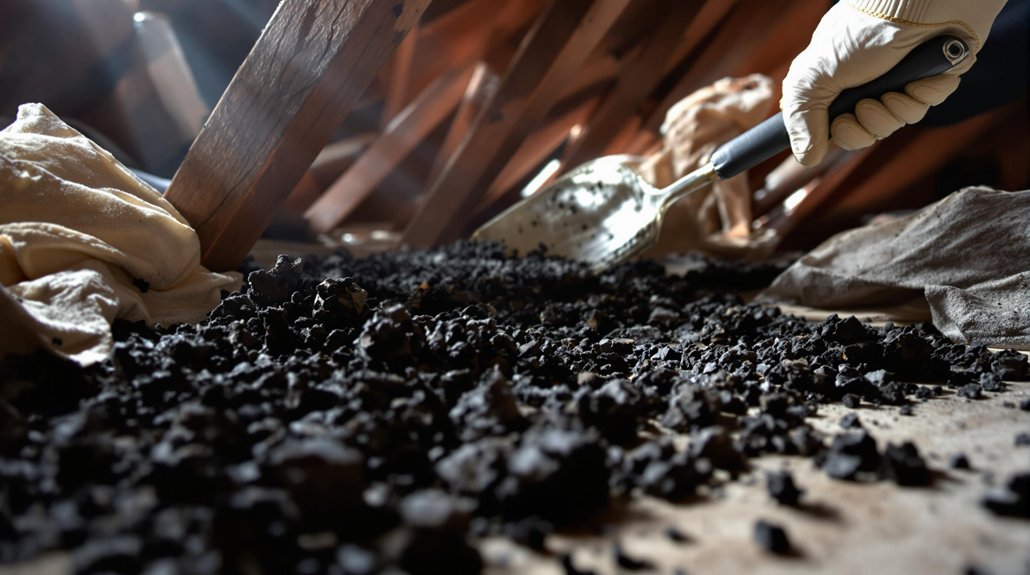
    The cost to remove bat poop from an attic usually falls between $500 and $2,000. This price can vary based on several factors, including the extent of the infestation and the methods used for removal. If the area is difficult to access, additional charges may apply. In addition, cleanup may involve extra tasks, such as replacing contaminated insulation or disinfecting surfaces, which can add to the overall cost. Professional services are recommended for safe disposal. Understanding these costs and factors is important for homeowners dealing with bat guano issues, and more details can provide more guidance on this topic.

    Key Article Highlights

    • The average cost for bat poop removal ranges from $500 to $2,000, depending on the extent of the contamination.
    • Additional cleanup and repairs, such as insulation replacement and surface disinfection, may add $200 to $800 to the total cost.
    • Removal techniques and the accessibility of the attic can significantly influence the overall cost of removal services.
    • Geographic location and local service availability can affect pricing for bat guano removal.
    • Hiring professional services ensures safe disposal and thorough cleanup, which may increase total expenses.

    Understanding Bat Guano Hazards

    Although bat guano may seem harmless at first glance, it poses significant health risks if not managed properly. Bat guano is the feces of bats and can be found in attics and other areas where bats roost. The primary health concern associated with bat guano is the potential for histoplasmosis, a serious respiratory disease caused by a fungus that thrives in bat droppings. When disturbed, the spores can become airborne, leading to inhalation and infection.

    In addition to histoplasmosis, bat guano can also attract other pests, such as insects and rodents, which can introduce further health risks. Prolonged exposure to bat guano can lead to respiratory issues and exacerbate pre-existing conditions such as asthma.

    It is vital to recognize these health concerns when dealing with bat guano. Proper removal and cleanup are essential to minimize exposure and guarantee a safe living environment. Homeowners should consider hiring professionals who understand the risks and procedures involved in safely removing bat guano. By addressing these hazards promptly, individuals can protect their health and maintain a safe home.

    Factors Affecting Removal Costs

    When considering the cost of removing bat guano from an attic, several key factors come into play. Understanding these factors can help in achieving an accurate cost estimation.

    The type of removal techniques used is essential. Professional services may employ specialized methods, which can influence the overall cost. Additionally, the extent of the infestation affects pricing. A larger area with more accumulated guano will typically require more labor and materials for removal.

    Another factor is the accessibility of the attic. If the space is hard to reach, additional charges may apply. Finally, local regulations and necessary permits can also impact costs.

    Here is a summary of the main factors:

    Factor Description
    Removal Techniques Methods used for safe and effective removal
    Extent of Infestation Size and volume of bat guano present
    Accessibility Difficulty of reaching the affected area
    Regulations Local laws that may require permits

    Average Cost of Bat Poop Removal

    The average cost of bat poop removal from an attic typically ranges from $500 to $2,000. This price can vary based on several factors, including the amount of guano present, the attic's accessibility, and local service rates. Understanding these costs is vital for homeowners facing this issue.

    When considering bat poop removal, here are a few key points to keep in mind:

    • Extent of Contamination: The more guano that needs disposal, the higher the average removal cost.
    • Professional Services: Hiring experts guarantees safe and effective guano disposal, which may add to the overall cost.
    • Location: Prices can differ considerably based on your geographical area and the availability of specialized services.

    Additional Cleanup and Repairs

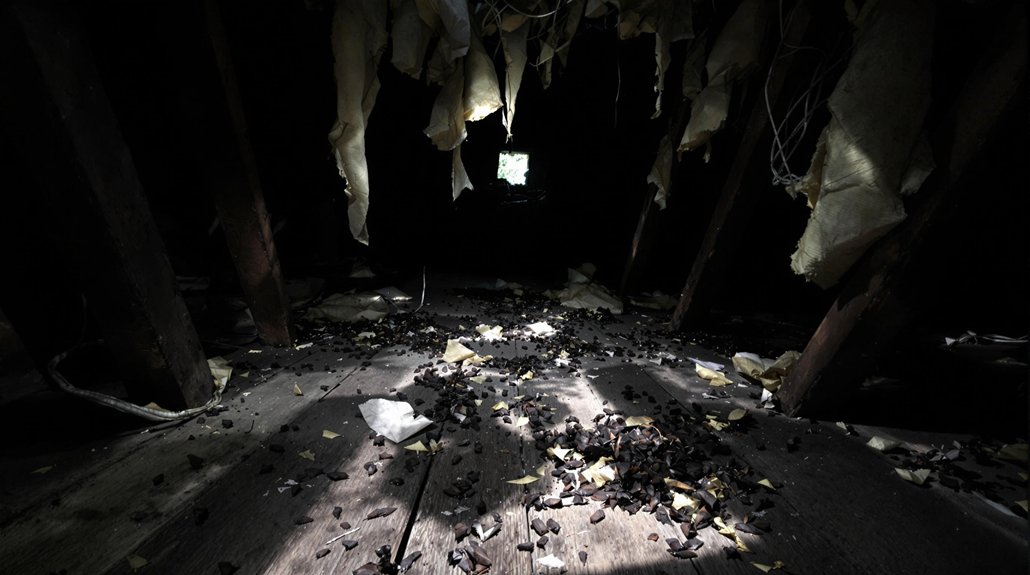
    After addressing the removal of bat poop, it is vital to take into account additional cleanup and repairs that may be necessary. The cleanup procedures often extend beyond just removing the droppings. Contaminated insulation and damaged materials may require replacement, and proper sanitation is essential to guarantee a safe environment.

    The following table outlines common cleanup procedures and their associated costs:

    Cleanup Procedure Estimated Cost
    Insulation Replacement $1.00 – $3.00 per sq. ft.
    Surface Disinfection $200 – $500
    Drywall Repair $300 – $800
    Air Duct Cleaning $300 – $500
    Odor Removal Treatment $100 – $300

    Repair costs can vary widely based on the extent of the damage and the materials involved. It's important to get a detailed inspection to assess the full scope of cleanup and repairs needed. Addressing these issues promptly helps maintain the integrity of your home and guarantees a healthy living environment.

    Professional vs. DIY Removal

    Removing bat poop from an attic can be a challenging task, leading homeowners to ponder whether to hire professionals or tackle the job themselves. Each option has its advantages and disadvantages that should be carefully evaluated.

    DIY techniques can be appealing for those looking to save money. Homeowners may use basic cleaning supplies, gloves, and masks to safely remove droppings. However, this approach requires time, effort, and a willingness to follow safety precautions.

    On the other hand, professional services offer expertise and efficiency. Trained specialists have the right equipment and experience to handle the cleanup safely. This option may cost more upfront but can save time and guarantee thorough removal.

    Here are some factors to weigh when deciding between DIY and professional removal:

    • Cost: DIY might save money but can lead to hidden expenses.
    • Safety: Professionals are trained to handle hazardous materials safely.
    • Effectiveness: Experts may provide a more thorough cleanup and prevention strategies.

    Ultimately, the choice between DIY techniques and professional services will depend on your comfort level, budget, and the severity of the situation.

    Health Risks of Bat Droppings

    Exposure to bat droppings, commonly known as guano, can pose significant health risks to humans. One of the primary concerns is the potential for disease transmission. Bat guano can harbor harmful pathogens, including fungi and bacteria, which can lead to serious health effects. When guano dries, it can become airborne, making it easy to inhale.

    Histoplasmosis is one of the most notable diseases associated with bat droppings. This respiratory illness occurs when spores from a fungus found in guano are inhaled. Symptoms may include fever, cough, and fatigue, and in severe cases, it can cause long-term lung damage. Other health effects may arise from direct contact with guano, leading to skin irritation or other infections.

    Additionally, guano can attract pests, further increasing health risks. Rodents and insects that thrive in droppings may carry their own diseases, compounding the problem for homeowners. Consequently, understanding the health risks associated with bat droppings is vital for anyone dealing with an infestation. Proper removal and cleanup are essential to minimize exposure and safeguard health.

    Preventing Future Infestations

    To prevent future infestations of bats in your attic, it is essential to identify and eliminate potential entry points. Bats can enter through small gaps, so thorough inspections are necessary. Using effective bat exclusion methods will help guarantee that they cannot re-enter your home once they have been removed.

    Here are some key strategies to take into account:

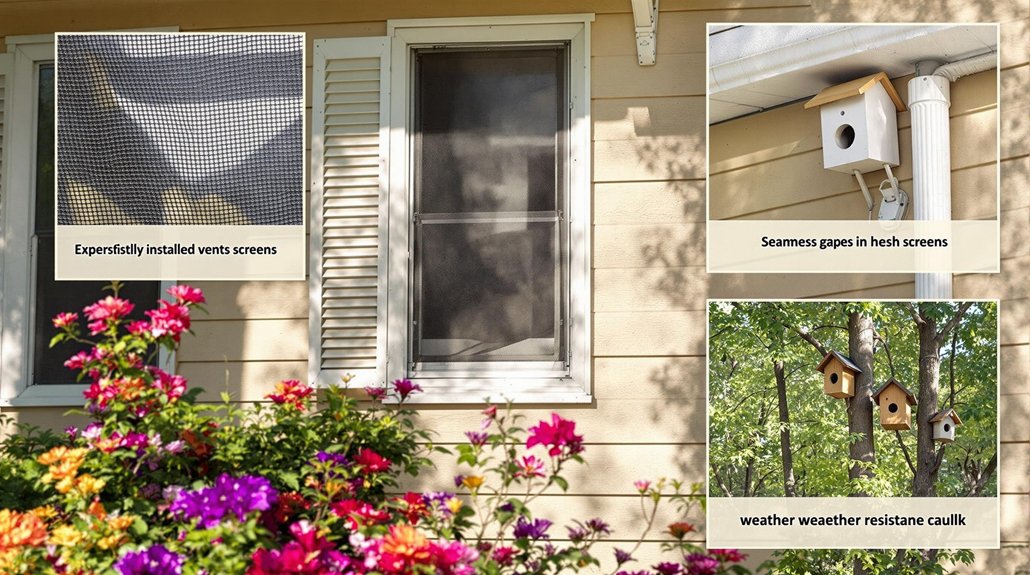
    • Seal Gaps and Cracks: Inspect your home for openings, particularly around vents, chimneys, and eaves. Use caulk or mesh to seal these areas.
    • Install Bat Houses: By providing a designated area for bats, you can encourage them to roost outside rather than in your attic.
    • Regular Maintenance: Conduct preventative maintenance to keep your home bat-proof. This includes regular inspections and repairs to the exterior of your home.

    Frequently Asked Questions

    How Long Does the Bat Poop Removal Process Take?

    The bat guano cleanup process typically takes several hours to a few days, depending on the extent of the infestation. Proper attic restoration is essential to guarantee a safe and clean environment post-removal.

    Will Insurance Cover Bat Poop Removal Costs?

    Insurance policies may cover bat poop removal, but coverage limits vary by provider. Homeowners should review their specific policy and consult with their insurance agent to understand potential coverage for wildlife-related damages and cleanup costs.

    What Equipment Is Needed for DIY Removal?

    For DIY removal of bat droppings, essential equipment includes protective gear, such as gloves and masks, along with proper disposal methods using sealed bags. Ensuring safety and following local regulations is vital throughout the process.

    Can I Sell My House With Bat Guano Present?

    Selling a house with a bat infestation can greatly lower property value. For instance, a homeowner faced a 20% decrease in offers due to guano presence, highlighting the importance of addressing such issues before listing.

    Are There Seasonal Considerations for Bat Removal?

    Yes, seasonal considerations for bat removal are essential. Understanding bat migration and their seasonal behavior aids in determining the best time for removal, ensuring compliance with local regulations and minimizing disturbance to the bats.
  • Is It Safe to Vacuum Bat Droppings?

    Is It Safe to Vacuum Bat Droppings?

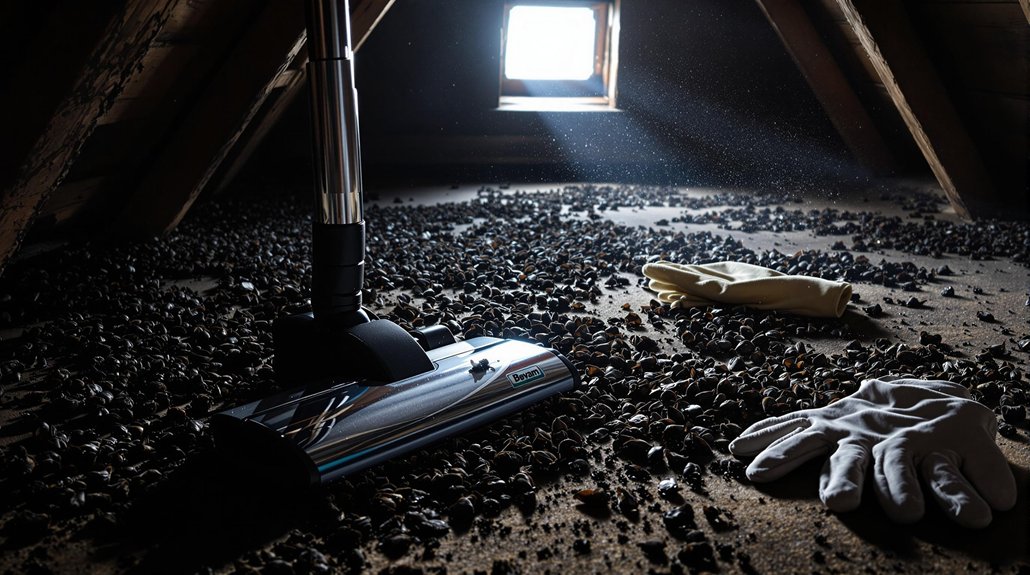
    No, it is not safe to vacuum bat droppings. Vacuuming can stir up harmful particles, increasing the risk of inhaling pathogens. These pathogens, such as the Histoplasma fungus, can cause serious respiratory issues. Standard vacuums do not effectively filter these harmful substances. Instead, safe cleanup methods include using damp cloths to minimize dust and wearing personal protective equipment, like gloves and masks. Proper disposal in sealed bags is essential. For safer and more effective removal, consider professional cleanup services with specialized equipment. To understand the precautions needed and other important details, further information is available.

    Key Article Highlights

    • Vacuuming bat droppings can aerosolize harmful particles, increasing the risk of respiratory diseases like histoplasmosis.
    • Standard vacuum cleaners lack effective filtration for pathogens found in bat guano, making them unsafe for cleanup.
    • Disturbing guano releases spores, which can lead to serious health issues upon inhalation.
    • Wet cleanup methods are recommended to minimize dust and airborne contaminants during removal.
    • Professional cleanup services are advised for safe handling and disposal of bat droppings.

    Understanding Bat Droppings

    Understanding bat droppings, commonly known as guano, is essential for both health and safety. Bat behavior plays a significant role in the production of guano. Bats are nocturnal animals that roost in dark places, such as caves and attics. During their active hours, they consume insects and fruit, which contributes to the unique composition of their droppings.

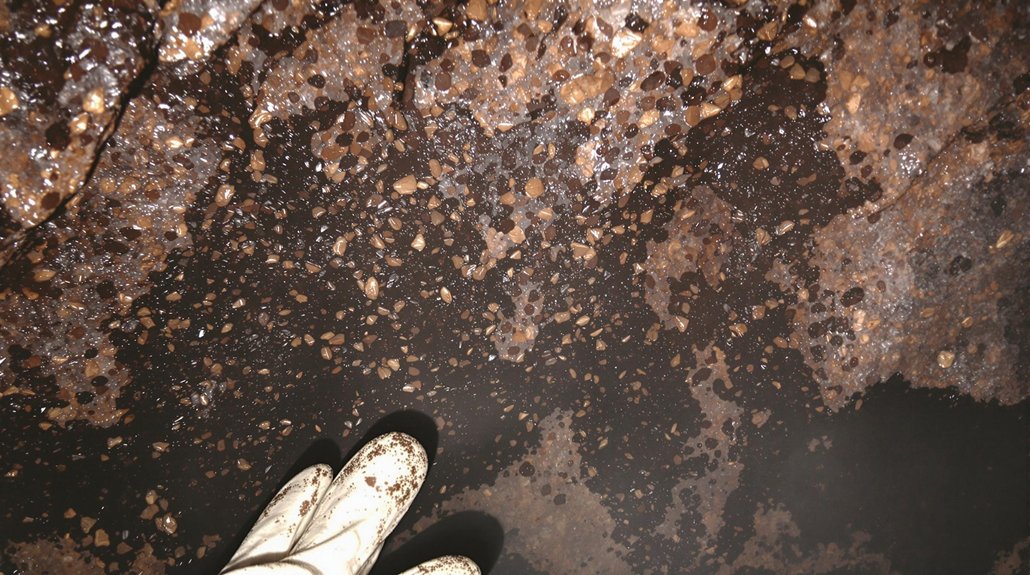
    The guano composition varies depending on the bat species, diet, and environment. Typically, bat droppings are small, dark, and crumbly, with a texture similar to that of mouse droppings. They contain nutrients like nitrogen, phosphorus, and potassium, making them a valuable fertilizer. However, this composition also means that guano can be a breeding ground for pathogens.

    It is important to recognize that the presence of guano often indicates a bat roost nearby. Understanding the behavior and habits of bats can help in managing and preventing infestations. Proper identification and knowledge of guano are critical in ensuring safe handling and removal. Overall, awareness of bat behavior and guano composition lays the foundation for effective strategies in dealing with bat droppings.

    Health Risks of Bat Guano

    Bat guano poses several significant health risks due to its potential to harbor harmful pathogens. The guano composition includes various organic materials, which can foster the growth of bacteria and fungi. One of the primary concerns is the presence of Histoplasma capsulatum, a fungus that can cause respiratory issues when its spores are inhaled. Additionally, guano can contain parasites that lead to disease transmission among humans.

    When disturbed, bat droppings can release these harmful spores into the air. Individuals who breathe in contaminated particles may experience symptoms ranging from mild flu-like signs to severe respiratory problems. Moreover, direct contact with guano can lead to skin irritations or infections.

    It is essential to recognize that most health risks associated with bat guano are linked to improper handling. Untrained individuals may unknowingly expose themselves to these dangers, making it important to approach bat guano with caution. Proper safety protocols, such as wearing protective gear and understanding safe removal practices, are critical in minimizing health risks. Awareness of the potential dangers of bat guano can help in making informed decisions about its management.

    Why Vacuuming Is Problematic

    Vacuuming bat droppings can pose serious health risks. The fine particles in guano can become airborne, leading to potential contamination of the surrounding area. This spread of harmful pathogens raises concerns about the safety of this cleaning method.

    Health Risks Involved

    The presence of bat droppings, known as guano, poses significant health risks that make vacuuming a problematic choice for cleanup. Bat guano toxicity is a serious concern, as it can harbor harmful pathogens. When disturbed, guano can release spores into the air, which may lead to respiratory issues in humans. This airborne exposure can result in conditions such as histoplasmosis, a fungal infection that affects the lungs.

    Moreover, bat droppings can be a source of zoonotic diseases, which are illnesses transmitted from animals to humans. Bats are known carriers of various viruses, including rabies. While rabies is primarily transmitted through bites, the presence of guano can indicate the potential for other harmful interactions.

    Vacuuming can inadvertently aerosolize these pathogens, increasing the risk of inhalation and infection. Additionally, household vacuum cleaners are not designed to filter out these tiny particles effectively, further elevating the danger. For these reasons, professional cleanup methods are recommended over vacuuming to guarantee safety when handling bat droppings. Proper protective equipment and techniques are essential to mitigate health risks associated with bat guano.

    Contamination Spread Concerns

    Handling bat droppings requires careful consideration due to the potential for contamination spread. Vacuuming bat droppings may seem like a quick solution, but it poses significant risks. When disturbed, the droppings can release harmful particles into the air. This increases the chance of inhaling these particles, which may contain pathogens.

    Moreover, standard vacuum cleaners are not designed to contain these hazardous materials. As a result, they can leak contaminants back into the environment, defeating the purpose of cleaning. This improper handling can lead to serious health issues, highlighting the need for effective contamination prevention methods.

    Instead of vacuuming, it is advisable to use damp cleaning methods. This technique helps to minimize the spread risks associated with airborne particles. Protective gear, such as masks and gloves, should always be worn during the cleanup process.

    Recommended Cleanup Methods

    When dealing with bat droppings, it is crucial to choose appropriate cleanup methods to guarantee safety. The presence of bat guano can pose health risks, so implementing effective cleanup techniques is important. Here are some recommended methods to guarantee safe practices during cleanup:

    Cleanup Method Description
    Wet Cleanup Dampen droppings with water to minimize dust.
    Use of Disposable Tools Utilize gloves, masks, and disposable bags.
    Sealing Contaminated Areas Seal off the area to restrict access during cleanup.
    Proper Disposal Place droppings in a sealed bag for disposal.

    Before starting the cleanup, prepare the area by confirming proper ventilation. Always avoid sweeping or vacuuming dry droppings, as this can release harmful spores into the air. Instead, use the wet cleanup method to keep particles controlled. After completing the cleanup, disinfect the area thoroughly to eliminate any remaining pathogens. By following these recommended cleanup methods, you can effectively manage bat droppings while prioritizing safety and health.

    Safety Gear for Cleanup

    For effective cleanup of bat droppings, using the right safety gear is essential. Bat droppings can carry harmful pathogens, making it vital to protect yourself during the cleanup process. The first piece of safety equipment you should wear is a mask or respirator. This will help prevent inhalation of dust and spores that may be present in the droppings.

    Additionally, gloves are necessary to shield your hands from direct contact with the waste. Choose disposable gloves made from latex or nitrile. Wearing long sleeves and pants can further protect your skin from contamination. It is also wise to wear goggles to safeguard your eyes from any particles that may become airborne during the cleanup.

    Following proper cleanup protocols is equally important. Confirm that you ventilate the area before beginning the cleanup. This reduces the concentration of any hazardous materials in the air. Always clean up bat droppings while wearing your safety equipment, and remember to wash your hands thoroughly after the process. By adhering to these safety measures, you can greatly minimize health risks associated with bat droppings and confirm a safer environment for yourself and others.

    Proper Disposal Techniques

    Proper disposal of bat droppings is essential for safety and health. It involves using personal protective equipment and choosing the right disposal method. Following specific clean-up procedures guarantees that the area is safe and free from contamination.

    Personal Protective Equipment

    Securing safety during the cleanup of bat droppings requires the use of appropriate personal protective equipment (PPE). This equipment is vital to protect oneself from potential health risks associated with bat guano, which can carry harmful pathogens.

    First, wearing protective gloves is essential. These gloves create a barrier between your skin and the droppings, reducing the risk of direct contact with any harmful substances. Choose gloves made from durable materials, such as latex or nitrile, to guarantee maximum protection.

    In addition to gloves, safety goggles should also be worn. These goggles protect your eyes from dust and debris that can be released during the cleanup process. Bat droppings can dry and become airborne, which poses a risk to your vision and overall health.

    It is important to select PPE that fits well and is comfortable to wear. This guarantees that you will not be distracted while cleaning, allowing for a more thorough and safe process. By using protective gloves and safety goggles, you can greatly minimize the risks associated with bat droppings, making the cleanup safer for you and those around you.

    Disposal Method Options

    Effective disposal of bat droppings is vital to prevent potential health hazards. Bats can carry diseases, so it is important to use safe techniques for disposal. Various disposal methods can be utilized to guarantee safety and compliance with local regulations.

    • Seal in a Plastic Bag: Place droppings in a sealed plastic bag to contain any pathogens.
    • Contact Local Authorities: Check with local waste management for guidelines on disposal.
    • Use a Dedicated Container: Store droppings in a clearly marked, secure container until disposal.
    • Avoid Open Composting: Do not compost bat droppings, as this can spread diseases.
    • Hire a Professional: Consider hiring a pest control expert for safe removal and disposal.

    Clean-Up Procedures

    When cleaning up bat droppings, it is essential to follow specific procedures to minimize health risks. First, gather the necessary cleanup tools. Wear protective gear, including gloves, a mask, and goggles. This will help shield you from harmful particles and pathogens that may be present in the droppings.

    Next, avoid using a vacuum, as it can aerosolize the droppings, spreading contaminants into the air. Instead, consider vacuum alternatives, such as a damp cloth or a disposable scoop. Lightly mist the droppings with a disinfectant solution before removal to reduce airborne particles.

    Use the damp cloth or scoop to collect the droppings carefully. Place the waste in a sealed plastic bag. Make certain that the bag is securely closed to prevent leakage. After collecting all droppings, dispose of the bag in accordance with local regulations.

    Finally, clean the area thoroughly with a disinfectant to eliminate any remaining bacteria or viruses. After completing the cleanup, wash your hands thoroughly with soap and water, even if you wore gloves. Following these steps will help guarantee a safe and effective cleanup process.

    Signs of Bat Infestation

    Bats are often elusive creatures, making it essential to recognize the signs of their presence. Understanding bat behavior is critical for identifying an infestation early. When bats invade a structure, they can leave various indicators that homeowners should look for.

    Here are some common infestation signs:

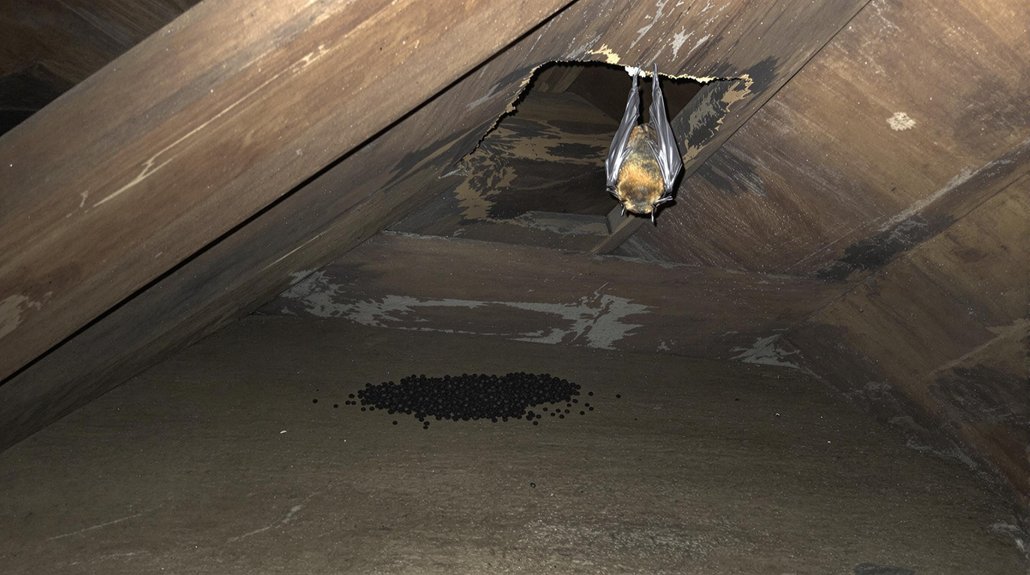
    • Droppings: Dark, small, and pellet-like droppings found near entry points or nesting areas.
    • Noise: Scratching, squeaking, or fluttering sounds, especially in the attic or walls during nighttime.
    • Odor: A strong, ammonia-like smell from accumulated droppings and urine.
    • Entry Points: Visual signs such as small holes or gaps in roofs, eaves, or walls where bats can enter.
    • Stains: Dark streaks on walls or surfaces, indicating oil from bat bodies as they exit their roosting areas.

    Professional Cleanup Services

    Professional cleanup services are essential for safely removing bat droppings. These services use specialized equipment to guarantee thorough and effective cleanup. Additionally, they help mitigate health risks associated with bat waste, providing peace of mind for property owners.

    Specialized Equipment Utilization

    Effective cleanup of bat droppings requires specialized equipment and techniques that go beyond standard household tools. To guarantee a thorough and safe removal, it is vital to use the right specialized tools. These tools not only enhance efficiency but also help minimize health risks during the cleanup process.

    Here are essential equipment recommendations for professional cleanup services:

    • HEPA Vacuum: Captures small particles and prevents dust from spreading.
    • Personal Protective Equipment (PPE): Includes gloves, masks, and goggles to protect the user.
    • Disinfectant Sprays: Effective in killing harmful pathogens found in droppings.
    • Scrapers: Useful for removing hardened droppings from surfaces.
    • Waste Disposal Bags: Heavy-duty bags that can securely contain contaminated materials.

    Using the right specialized tools is key to a successful cleanup. Professionals trained in bat droppings removal are equipped with these necessary items, guaranteeing that the job is done correctly and safely. As a result, when dealing with bat droppings, it is advisable to consult or hire specialists who utilize these recommended tools for effective and safe cleanup.

    Health Risks Mitigation

    Proper management of health risks associated with bat droppings is vital during cleanup operations. When handling bat waste, a thorough health risk assessment is the first step. This assessment helps identify potential hazards, including the risk of diseases such as histoplasmosis, which can result from airborne spores in dried droppings.

    Professional cleanup services follow strict cleanup protocols to minimize exposure and guarantee safety. These protocols typically include wearing protective gear, such as masks, gloves, and goggles, to safeguard against inhalation or skin contact with harmful particles. The use of specialized equipment, like HEPA vacuums and air filtration systems, is essential in reducing dust and airborne contaminants during the cleanup process.

    Additionally, trained professionals are knowledgeable about safe disposal methods for bat droppings. They confirm that waste is handled according to local regulations and guidelines, further mitigating health risks. By employing expert services, homeowners can confidently address the challenges posed by bat droppings, protecting both their health and property. It is always advisable to seek professional help rather than attempting to clean up bat droppings independently.

    Preventing Future Infestations

    Preventing future infestations of bats requires a proactive approach to home maintenance. Implementing effective exclusion techniques and making necessary habitat modifications are essential steps. By addressing potential entry points and altering the environment, homeowners can greatly reduce the chance of bats returning.

    Consider the following strategies:

    • Seal entry points: Inspect your home for gaps, cracks, or holes, especially around windows, doors, and eaves, and seal them.
    • Install bat houses: Provide an alternative roosting option by setting up bat houses away from your home.
    • Trim trees and shrubs: Keep vegetation away from your home to limit hiding spots for bats.
    • Reduce outdoor lighting: Bats are attracted to insects, so minimizing outdoor lights can help decrease their presence.
    • Maintain cleanliness: Regularly clean your property to avoid attracting insects that may lure bats.

    Legal Considerations With Bats

    Legal considerations regarding bats are important for homeowners and property managers alike. Various bat conservation laws and wildlife protection regulations exist to protect these animals due to their ecological significance. In many regions, bats are classified as protected species, meaning it is illegal to harm or disturb them during certain times of the year, particularly during breeding and hibernation seasons.

    Before taking any action to remove bats from a property, it is vital to understand the local laws. Homeowners must often obtain permits before any removal or exclusion efforts. Failure to comply with these regulations can result in significant fines and legal consequences.

    Additionally, it is important to hire professionals who are knowledgeable about bat conservation laws. These experts can guarantee that any removal process is conducted humanely and legally. They can also provide guidance on how to prevent future infestations while respecting wildlife protection regulations.

    Frequently Asked Questions

    Can Vacuuming Bat Droppings Spread Diseases?

    Vacuuming bat droppings can spread diseases like a gust of wind carries pollen. To mitigate disease transmission, it is essential to follow health precautions, including wearing protective gear and using proper cleaning techniques to minimize exposure.

    How Can I Identify Bat Droppings?

    To identify bat droppings, observe their characteristics: bat guano is typically small, dark, and shiny, resembling mouse droppings but with a crumbly texture. Distinguishing bat feces involves noting these unique features and their location.

    Are There Any Natural Methods to Clean Bat Guano?

    Natural cleaning methods for guano removal include using a mixture of water and vinegar or baking soda. These solutions effectively break down the material, ensuring a safer and environmentally friendly approach to managing bat droppings in your space.

    What Should I Do if I Accidentally Inhale Bat Droppings?

    If you accidentally inhale bat droppings, it is essential to seek immediate medical attention due to potential health risks. Follow emergency response protocols, including informing healthcare professionals about the exposure for proper assessment and treatment.

    How Do I Know if Bats Are in My Attic?

    If your attic becomes a cozy haven for nocturnal visitors, look for signs of bat behavior. Droppings, odor, squeaks, or fluttering sounds can indicate their presence, signaling the need for further investigation and potential action.

  • Are Bat Feces Harmful to Humans?

    Are Bat Feces Harmful to Humans?

    Bat feces can pose health risks to humans due to the potential for disease transmission. Pathogens in bat guano can cause infections such as histoplasmosis and cryptococcosis, leading to respiratory issues, fever, and fatigue. Transmission occurs through inhalation or direct contact with the droppings. People with weakened immune systems are particularly vulnerable. Safe cleanup practices, such as wearing protective gear and properly disinfecting areas, are essential to minimize these risks. Understanding the dangers and taking preventive measures is vital for those living near bat habitats. There is more to learn about how to stay safe and healthy in these environments.

    Key Article Highlights

    • Bat feces can harbor pathogens that lead to infections like histoplasmosis, which can cause severe respiratory issues.
    • Direct contact or inhalation of bat droppings increases the risk of diseases such as salmonella and leptospirosis.
    • Individuals with weakened immune systems are particularly susceptible to health complications from exposure to bat feces.
    • Proper cleanup procedures, including using protective gear, are essential to minimize health risks associated with bat guano.
    • Early medical attention is crucial for symptoms like persistent cough, fever, or unusual fatigue after exposure to bat droppings.

    Understanding Bat Guano

    Bat guano, the feces of bats, is an important substance in both ecological and health contexts. It plays a significant role in the ecosystems where bats live, or their bat habitats. Guano is rich in nutrients, including nitrogen, phosphorus, and potassium. These elements make it an excellent natural fertilizer, promoting soil health and plant growth.

    The composition of guano varies depending on the diet of the bats and their environment. Insect-eating bats produce guano that is high in protein, while fruit-eating bats contribute to a different nutrient profile. This variation can influence local agriculture, as farmers may utilize bat guano to enhance crop yields.

    In addition to its ecological benefits, guano has been studied for its potential health implications. Understanding the composition of bat guano is essential for evaluating its impact on human health and the environment. Proper management of guano is critical to balance its benefits in soil enrichment while mitigating any risks associated with its accumulation in human-inhabited areas. Therefore, understanding bat guano is fundamental for both ecological sustainability and health safety.

    Common Diseases From Bat Feces

    Bat feces can pose several health risks to humans. Inhalation or contact with bat guano may lead to infections such as histoplasmosis and cryptococcosis. Additionally, there is a potential for rabies transmission if a person is bitten by an infected bat.

    Histoplasmosis Infection Risks

    Histoplasmosis is a significant health concern associated with exposure to bat feces, particularly in areas where bats roost in large numbers. The fungus that causes histoplasmosis, Histoplasma capsulatum, thrives in environments rich in bat droppings. When the feces dry and become airborne, individuals can inhale the spores, leading to infection.

    Histoplasmosis symptoms can vary but typically include fever, cough, and fatigue. In severe cases, it can affect the lungs and even spread to other parts of the body. While many people may not experience symptoms, those with weakened immune systems are at higher risk for serious illness.

    Histoplasmosis prevention is essential for those who work or live near bat habitats. Avoiding direct contact with bat feces and minimizing disturbance of areas where bats roost can reduce the risk of exposure. Wearing masks and protective gear during potential exposure situations is also recommended. Regular cleaning of areas where bats may roost can help control the accumulation of feces and reduce the likelihood of infection. Understanding these risks and taking appropriate precautions can help safeguard health against histoplasmosis.

    Rabies Transmission Potential

    Exposure to bat feces can pose risks beyond histoplasmosis, particularly concerning rabies transmission. While rabies is primarily spread through bites from infected bats, indirect transmission may occur when handling bat feces or being in close proximity to infected bats. Understanding bat behavior is essential, as many bats are nocturnal and may exhibit aggressive tendencies when threatened. This behavior can increase the risk of encounters with humans.

    Key points to examine regarding rabies transmission include:

    • Rabies Symptoms: Early symptoms may include fever, headache, and fatigue, followed by more severe symptoms such as confusion, paralysis, and hydrophobia.
    • Transmission Routes: Though rare, rabies can potentially be transmitted through contact with infected saliva found in feces.
    • At-Risk Groups: Individuals who work with bats or clean bat habitats may face increased exposure.
    • Preventive Measures: Avoid contact with bats and their droppings, and seek medical advice if bitten or exposed to bat feces.

    Cryptococcosis Exposure Concerns

    The presence of bat feces can lead to serious health concerns, particularly through the risk of cryptococcosis. This disease is caused by the fungus Cryptococcus, which thrives in environments contaminated with bat droppings. When inhaled, the spores can cause infections, primarily in individuals with weakened immune systems.

    Cryptococcosis symptoms may include cough, shortness of breath, fever, and headache. In some cases, the infection can spread to the central nervous system, leading to more severe symptoms such as confusion and neck stiffness. Early identification of these symptoms is vital for effective management.

    Cryptococcosis treatment typically involves antifungal medications. The choice of treatment depends on the severity of the infection. For mild cases, oral medications may suffice, while more serious infections may require intravenous therapy. It is essential for individuals exposed to bat feces to monitor their health closely and seek medical attention if symptoms arise.

    Transmission Methods of Pathogens

    Pathogens can spread from bat feces through direct contact or airborne transmission. Direct contact occurs when people handle contaminated materials or come into contact with infected surfaces. Airborne transmission happens when particles become airborne, posing a risk to those nearby.

    Direct Contact Risks

    When humans come into direct contact with bat feces, various health risks can arise due to the potential transmission of harmful pathogens. These pathogens can lead to serious illnesses, making it essential to follow appropriate health precautions when dealing with bat droppings.

    The risks associated with direct contact include:

    • Histoplasmosis: A respiratory disease caused by inhaling spores from bat droppings, which can lead to severe lung complications.
    • Salmonella: A bacterial infection that may occur through handling feces, leading to gastrointestinal issues.
    • Leptospirosis: A bacterial infection that can be contracted through skin contact with contaminated feces, resulting in flu-like symptoms.
    • Rabies: While less common, direct contact with infected bats can lead to rabies transmission, a life-threatening condition.

    To mitigate these risks, individuals should adhere to strict health precautions. This includes wearing protective gear, such as gloves and masks, when cleaning areas with bat feces. Additionally, proper disposal of waste and thorough handwashing after potential exposure are essential steps to safeguard health. Understanding these direct contact risks is critical for anyone interacting with bat habitats.

    Airborne Pathogen Transmission

    Direct contact with bat feces is not the only way humans can be exposed to harmful pathogens. Airborne pathogens can arise from bat droppings, particularly when they dry and become dust particles. These particles can become suspended in the air, leading to potential inhalation by humans. When this occurs, the air quality in the surrounding area can deteriorate, posing health risks.

    Bats are known carriers of various pathogens, including viruses and fungi. When their feces are disturbed, these pathogens can act as disease vectors, spreading illnesses to humans. For instance, the inhalation of spores from bat feces can lead to respiratory diseases, such as histoplasmosis.

    It is important for individuals who handle bat droppings or work in bat-infested areas to take precautions. Wearing masks and protective equipment can help reduce the risk of inhaling harmful particles. Additionally, ensuring proper ventilation can improve air quality and minimize airborne transmission. Awareness of these risks is essential for safeguarding health in environments where bats are present. Understanding airborne pathogen transmission is critical for reducing potential exposure and maintaining a safe space for humans.

    Symptoms of Bat-Related Illnesses

    Bat-related illnesses can manifest through a range of symptoms that vary in severity. Exposure to bat droppings, or guano, can lead to several health issues for humans. The symptoms associated with bat droppings can affect both respiratory and neurological systems, depending on the pathogen involved. Recognizing these symptoms is vital for early intervention and treatment.

    Common bat droppings symptoms include:

    • Respiratory issues, such as coughing or wheezing
    • Fever and chills that may signal an infection
    • Fatigue or weakness, indicating systemic effects
    • Neurological symptoms, including headaches or confusion

    These symptoms reflect the potential human health impacts associated with exposure to bat feces and the pathogens they may harbor. It is important to be vigilant and seek medical attention if any of these symptoms arise following exposure to bat droppings. Early diagnosis can markedly improve outcomes and reduce the risk of more severe complications. Understanding these symptoms is essential for those who may come into contact with bat habitats or droppings, as awareness can lead to better prevention and management of related illnesses.

    Risk Factors for Exposure

    Exposure to bat feces can pose significant health risks, especially for individuals in certain situations or environments. One major risk factor is proximity to bat habitats, such as caves, attics, or abandoned buildings. In these locations, bat guano accumulates, creating a higher likelihood of exposure. The guano composition includes harmful pathogens and spores, which can become airborne when disturbed. This can lead to respiratory issues for those nearby.

    Additionally, individuals who engage in activities like cleaning or renovating these areas are at greater risk. The environmental impact of bat feces should not be underestimated, as the accumulation can affect air quality and attract pests. Certain occupations, such as pest control or wildlife management, may also increase exposure to guano and its harmful effects.

    Moreover, individuals with weakened immune systems or pre-existing respiratory conditions might be more susceptible to illnesses related to bat feces. Understanding these risk factors is essential for minimizing exposure and protecting health. Being aware of environments where bats roost and taking necessary precautions can reduce the likelihood of encountering harmful bat guano.

    Safe Cleanup Procedures

    Effective cleanup procedures are indispensable for safely managing bat feces and minimizing health risks. The presence of bat droppings can pose significant health threats if not handled properly. Consequently, following specific steps can guarantee a safe cleanup process.

    First, it is imperative to wear appropriate protective gear. This includes gloves, masks, and goggles to prevent exposure to harmful pathogens. In addition, avoid disturbing the droppings as much as possible. This minimizes the release of spores and particles into the air.

    When ready to clean, use a damp cloth or a vacuum with a HEPA filter to collect the waste. Additionally, proper waste disposal is essential. Ascertain that the collected feces are sealed in a plastic bag and disposed of according to local regulations. Finally, thoroughly disinfect the area where the droppings were found to eliminate any remaining pathogens.

    Here are key points to remember during cleanup:

    • Wear protective gear, such as gloves and masks.
    • Minimize disturbance of droppings.
    • Use a damp cloth or HEPA vacuum for collection.
    • Dispose of waste according to local guidelines.

    Prevention Tips for Homeowners

    Maintaining a safe home environment is essential for preventing issues related to bat feces. Homeowners can take several proactive steps to reduce the risk of bat infestation and protect their health. Implementing exclusion measures is vital. This involves sealing entry points, such as gaps in roofs, walls, and chimneys, to prevent bats from entering.

    Additionally, habitat modifications can make your property less inviting to bats. This includes trimming trees and removing potential roosting sites like old sheds or attics. Below is a table summarizing these prevention tips:

    Prevention Tip Description
    Seal Entry Points Close gaps and holes in structures.
    Trim Vegetation Cut back trees and shrubs near the home.
    Remove Roosting Sites Clear out old structures that may attract bats.
    Install Bat Houses Provide alternative roosting locations away from the home.
    Monitor for Activity Regularly check for signs of bat presence.

    When to Seek Medical Help

    Recognizing the signs of potential health issues related to bat feces is essential for timely medical intervention. Awareness of symptoms can aid in determining when to seek urgent care. Bat droppings can harbor harmful pathogens, and understanding the risks is critical for your health.

    If you experience any of the following symptoms, it is advisable to consult a healthcare professional promptly:

    • Persistent cough or difficulty breathing
    • Unexplained fever or chills
    • Severe headaches or dizziness
    • Unusual fatigue or weakness

    These symptoms may indicate a more serious health concern linked to bat feces exposure. Early diagnosis and treatment can greatly improve outcomes, especially in cases of infections like histoplasmosis or rabies.

    Frequently Asked Questions

    Can Bat Feces Contaminate Water Sources?

    Bat feces can lead to water contamination and facilitate disease transmission. The presence of bat droppings near water sources raises concerns regarding potential pathogens, underscoring the need for monitoring and safeguarding public health in affected areas.

    How Long Do Pathogens in Bat Guano Remain Infectious?

    Pathogen lifespan in bat guano can vary substantially, with some pathogens remaining infectious for weeks to months under suitable conditions. This persistence poses infection risks to humans, particularly in contaminated environments or through direct exposure.

    Are There Specific Bat Species More Harmful Than Others?

    Certain bat species, such as those known for high guano toxicity, can pose increased risks. Species like the fruit bat and vampire bat are often considered more dangerous due to their potential to carry harmful pathogens.

    What Protective Gear Is Recommended for Cleanup?

    When tackling cleanup, one must don protective clothing and safety equipment as if preparing for a hazardous expedition. Essential gear includes gloves, masks, goggles, and disposable coveralls to guarantee maximum protection during the process.

    Is It Safe to Have Bats Living Near My Home?

    Having bats near your home can be safe if proper precautions are taken. However, bat habitats may pose risks for disease transmission. It's crucial to monitor their presence and maintain a clean environment to minimize potential health hazards.

  • Is It Safe to Sleep in a House With Bats?

    Is It Safe to Sleep in a House With Bats?

    Sleeping in a house with bats can be unsafe due to health risks. Bats can carry diseases like rabies and transmit allergens through their droppings. Additionally, guano can lead to respiratory issues for residents. It is important to identify signs of bats, such as droppings and noises. Taking preventive measures, like sealing entry points and maintaining your home, can help keep bats out. If bats are present, professional removal services are recommended for safe handling. Understanding these risks and precautions is essential for maintaining a healthy living environment. More insights can enhance your knowledge about managing bat-related issues.

    Key Article Highlights

    • Sleeping in a house with bats can pose health risks due to potential transmission of diseases like rabies and histoplasmosis.
    • Bat droppings can lead to respiratory issues and allergic reactions, making it unsafe to remain in infested areas.
    • Bats are nocturnal and may create noise disturbances at night, affecting sleep quality and comfort.
    • Immediate action should be taken to identify and seal entry points to prevent further access to the home.
    • Professional removal and cleanup are recommended to ensure safety and minimize health risks associated with bat infestations.

    Understanding Bat Behavior

    Bats are fascinating creatures that play significant roles in our ecosystems. They are primarily nocturnal animals, which means they are active at night. This behavior allows them to avoid many predators and take advantage of the dark for hunting. Bats use echolocation as their primary means of navigation and hunting. This sophisticated form of bat communication involves emitting high-frequency sounds that bounce off objects, helping them locate prey and avoid obstacles.

    Bats typically feed on insects, fruits, and nectar, depending on the species. Their nocturnal habits also contribute to the control of insect populations, benefiting agricultural practices and human health. Bats can consume thousands of insects in a single night, making them valuable allies in pest management.

    Understanding bat communication is essential for appreciating their role in nature. Through a series of sounds, bats communicate with one another to find mates, establish territories, and maintain social structures. Their unique behaviors and adaptations not only highlight their ecological importance but also emphasize the need for conservation. Recognizing these aspects of bat behavior can help mitigate misunderstandings and foster coexistence with these crucial creatures.

    Health Risks of Bat Infestations

    Health risks associated with bat infestations can be significant and varied. Understanding these risks is vital for maintaining a safe living environment. Bats can carry diseases that may affect humans, and their droppings can pose additional health concerns.

    Here are three key health risks to take into account:

    1. Zoonotic Diseases: Bats can transmit diseases like rabies and histoplasmosis. Rabies is particularly dangerous and can be fatal if not treated promptly.
    2. Bat Droppings Health: Bat droppings, known as guano, can harbor fungi that lead to respiratory issues when inhaled. Histoplasmosis is a lung infection caused by inhaling spores from the fungus found in bat droppings.
    3. Allergic Reactions: Some people may develop allergies due to exposure to bat droppings or urine. Symptoms can include sneezing, coughing, and skin irritation.

    Taking precautions is essential when dealing with bat infestations. It is wise to seek professional help for safe removal and cleanup. Understanding these health risks helps guarantee a safer living space for you and your family.

    Identifying Signs of Bats

    When it comes to identifying signs of bats in your home, there are several key indicators to watch for. One of the most noticeable signs is bat droppings identification. Bat droppings, also known as guano, are small, dark, and crumbly. They can often be found near their roosting areas. If you see this type of droppings, it is a strong sign that bats are present.

    Another important indicator is the presence of a strong, musky odor. This smell can come from both bat droppings and urine. It may be more pronounced in areas where bats roost. Additionally, look for any unusual noises, especially at dusk or dawn. Bats can make squeaking or rustling sounds as they move.

    Finally, check for bat entry points. Bats can enter homes through small openings. Look for gaps around windows, doors, eaves, or vents. If you notice any of these signs, it is essential to take action. Bats can pose health risks, so identifying their presence early is important for ensuring safety.

    Preventing Bat Access to Your Home

    To effectively prevent bats from accessing your home, it is essential to seal potential entry points. Bats can enter through small openings, so proper home maintenance is key. Implementing strong bat proofing strategies will help protect your living space.

    Here are three effective strategies to contemplate:

    1. Inspect and Repair: Regularly check your home for gaps and cracks. Pay attention to areas around windows, doors, and the roof. Seal any openings with caulk or foam.
    2. Install Screens: Use fine mesh screens on vents and chimneys. This will block bats from entering while allowing ventilation.
    3. Maintain Trees: Trim back tree branches that are close to your home. Bats often roost in trees, and reducing their access can deter them from approaching your property.

    Safe Removal and Relocation Options

    After taking steps to prevent bats from entering your home, it may still be necessary to address any existing bat presence. Safe removal and relocation are vital for both the bats and your household. Using humane traps is one effective method. These traps allow for the safe capture of bats without causing them harm. Once captured, the bats can be relocated to a more suitable environment.

    It is important to choose the right time for removal. Bats are often protected by law, especially during breeding season. Consequently, understanding local regulations and guidelines is indispensable before proceeding.

    While some homeowners may attempt to remove bats themselves, it is often best to seek professional services. Experts in bat removal can guarantee the process is carried out efficiently and humanely. They have the necessary tools, knowledge, and experience to handle the situation safely.

    Frequently Asked Questions

    Do Bats Pose a Threat to Pets in the House?

    Imagine a curious cat encountering a fluttering bat. While bat behavior typically poses minimal direct threat to pets, they can transmit diseases, making it essential to prioritize pet safety and monitor interactions carefully.

    Can I Use Essential Oils to Repel Bats?

    Using essential oils as bat repellents lacks scientific support for effectiveness. While some oils may deter bats, their safety for humans and pets should always be considered. Further research on alternative bat control methods is advisable.

    What Time of Year Do Bats Typically Enter Homes?

    Bats typically enter homes during late spring and early fall, coinciding with their migration patterns and seasonal behavior. These times mark their search for roosting sites before winter hibernation and after emerging in warmer months.

    Are All Species of Bats Harmful to Humans?

    Not all bat species are harmful to humans; however, some can pose risks due to disease transmission. Understanding the specific characteristics of various bat species is essential for evaluating potential health concerns effectively.

    How Do I Know if Bats Are Roosting in My Attic?

    To determine if bats are roosting in your attic, look for signs of infestation such as unusual noises, bat droppings identification, or greasy stains on surfaces. These indicators can confirm their presence and assist in management.

  • Is It Safe to Live in a House With Bats in the Attic?

    Is It Safe to Live in a House With Bats in the Attic?

    Living in a house with bats in the attic is not safe due to health risks. Bats can transmit diseases like rabies and histoplasmosis, which can affect humans and pets. Their droppings can cause respiratory issues, especially when disturbed. It is vital to identify signs of an infestation and assess its severity. Bats are protected by law, so removal should follow local regulations. Proper cleaning and safe removal strategies are necessary to minimize health risks. For those looking to understand more about managing a bat situation effectively, additional insights can provide essential guidance.

    Key Article Highlights

    • Bats can transmit zoonotic diseases, including rabies and histoplasmosis, posing health risks to residents and pets.
    • Bat droppings can lead to respiratory issues if not properly managed, necessitating careful cleanup.
    • Bats are protected by laws, so professional assistance is essential for safe removal and management.
    • Infestations can worsen over time, leading to increased health risks and structural damage to the home.
    • Proper bat-proofing and maintenance can minimize risks and deter future infestations, making living conditions safer.

    Understanding Bat Behavior

    Understanding bat behavior is essential for homeowners concerned about safety and health. Bats are fascinating creatures, often misunderstood due to their nocturnal habits. They are active at night, using echolocation to navigate and hunt for insects. This ability allows them to thrive in the dark, making them significant for controlling pest populations.

    Bat socialization is another key aspect of their behavior. Many bat species live in colonies, which can range from a few individuals to thousands. These social structures help them communicate and find food more efficiently. Bats often roost together, sharing warmth and protection from predators. Understanding these social patterns can help homeowners recognize that bats are generally not aggressive and are more focused on their survival.

    It is important to remember that bats play a crucial role in the ecosystem. They contribute to pollination and seed dispersal, impacting plant growth and agricultural health. By learning more about bat behavior, homeowners can appreciate these animals and make informed decisions regarding their presence in the home. This knowledge can promote coexistence and reduce fear while ensuring safety and health for all.

    Health Risks of Bats

    Bats, while beneficial to the ecosystem, can pose health risks to humans and pets. One of the primary concerns is the transmission of bat diseases, some of which can be severe. Bats are known carriers of viruses and bacteria that may lead to zoonotic transmission, meaning they can spread diseases from animals to humans.

    To better understand the potential health risks associated with bats, consider the following table:

    Disease Symptoms Transmission
    Rabies Fever, headache, confusion Bites, scratches
    Histoplasmosis Cough, fever, chest pain Inhaling spores from droppings
    Nipah virus Flu-like symptoms, seizures Direct contact, saliva
    Hantavirus Pulmonary Syndrome Fatigue, fever, muscle aches Inhalation of aerosolized droppings
    Ebola Fever, vomiting, bleeding Direct contact, bodily fluids

    These diseases can have serious implications for health. Proper precautions must be taken when living near bats to minimize risks associated with zoonotic transmission. Regular inspections and preventive measures are essential in ensuring a safe living environment.

    Identifying Bat Species

    When living in proximity to bats, recognizing the different species is essential for examining potential risks and benefits. Understanding bat identification methods can help you determine which common bat species might inhabit your attic. Here are some key characteristics to evaluate:

    1. Size: Bats vary in size, from small species like the Little Brown Bat (Myotis lucifugus) to larger ones like the Big Brown Bat (Eptesicus fuscus).
    2. Color: Observe the fur color. Some bats have dark brown or gray fur, while others may appear reddish or even yellowish.
    3. Echolocation: Listen for echolocation calls. Some species, like the Pipistrelle Bat (Pipistrellus pipistrellus), produce distinct sounds that can be heard at night.
    4. Habitat Preferences: Different species prefer various habitats. For instance, the Little Brown Bat often roosts in buildings while the Eastern Red Bat (Lasiurus borealis) prefers trees.

    Using these bat identification methods can aid in recognizing the species present. This knowledge is crucial for examining the situation safely and effectively.

    Assessing the Infestation

    Evaluating an infestation of bats in your home requires careful observation and examination. Start by looking for common infestation signs. These signs may include droppings, which resemble small dark pellets, and a strong, musky odor. You might also notice scratches or stains on walls and ceilings where bats come and go. Listening for sounds in the attic, such as squeaking or fluttering at dusk, can also indicate their presence.

    Next, assess the infestation severity. This involves determining how many bats are in your attic and how long they have been there. A small number of bats may pose less risk than a larger colony. Look for entry points, such as gaps in the roof or vents, to understand how they are getting in.

    Consider the potential health risks associated with bats, such as the transmission of diseases like rabies. If the infestation signs are significant and you suspect a large population, it is advisable to seek professional help. Addressing the situation promptly can reduce potential health hazards and prevent further damage to your home.

    Legal Considerations

    Before taking action against a bat infestation, it is fundamental to understand the legal considerations involved. Bats are protected under various laws, and improper handling can lead to serious legal consequences. Knowing the regulations can help you navigate this situation effectively.

    Here are some key points to take into account:

    1. Bat Protection Laws: Many regions have laws that protect bats due to their role in the ecosystem. Killing or harming bats may lead to penalties.
    2. Wildlife Conservation Regulations: These regulations often dictate how to manage wildlife in residential areas, including bats. Familiarize yourself with local guidelines.
    3. Permits Required: In some areas, you may need permits to remove bats or their habitats. Verify you check local regulations before proceeding.
    4. Seasonal Restrictions: Many laws restrict removal activities during certain times of the year, especially during breeding seasons. It is imperative to comply with these timelines.

    Understanding these legal aspects is important to avoid fines and guarantee the humane treatment of bats. Always consult local wildlife authorities before taking any action.

    Safe Removal Techniques

    Addressing a bat infestation requires careful consideration of safe removal techniques that respect both the animals and the law. The use of humane traps is one of the most effective methods for bat removal. These traps allow for the safe capture of bats without causing them harm. It is essential to place these traps in areas where bats are frequently seen or heard, guaranteeing they can be safely relocated.

    In addition to humane traps, exclusion methods are critical to prevent bats from re-entering your home. This involves sealing any cracks or openings that bats may use to gain access. It is important to conduct a thorough inspection of the property to identify these entry points. Once bats have been removed, and the entryways are sealed, it is necessary to verify that the exclusion methods are effective before the bats are removed.

    Working with a professional pest control service can enhance the effectiveness of these techniques. They have the experience and knowledge to handle bat removal safely and legally, ensuring both the bats and residents are protected throughout the process.

    Preventing Future Infestations

    To prevent future bat infestations, it is essential to seal all potential entry points in your home. Regular maintenance and cleaning of the environment can also help deter bats from returning. Taking these steps will create a less inviting space for these animals.

    Seal Entry Points

    Sealing entry points in your home is vital to preventing future bat infestations. An entry point inspection is the first step in identifying how bats may be entering your attic. Common entry points include gaps in roofs, vents, and windows. Once identified, it is important to use appropriate sealing materials to block these openings effectively.

    Here are four steps to verify your home is bat-proofed:

    1. Conduct a thorough inspection: Look for cracks, holes, and gaps around your home, especially in the attic and eaves.
    2. Choose the right sealing materials: Use caulk, expandable foam, or wire mesh to close off entry points securely.
    3. Seal during the right season: Perform sealing work in late summer or early fall to avoid trapping bats inside your home.
    4. Regularly check for new entry points: Conduct routine inspections to catch any new openings early.

    Maintain Clean Environment

    Maintaining a clean environment is essential in preventing future bat infestations. A thorough approach to attic sanitation is imperative for reducing the attraction of your home to bats. Begin with bat droppings cleanup. Bat droppings, or guano, can harbor harmful pathogens. Wearing protective gear, such as gloves and a mask, is critical during the cleanup process. Use a vacuum with a HEPA filter to safely remove droppings, and dispose of waste in sealed bags.

    After removal, disinfect the area with a suitable cleaner to eliminate lingering odors and contaminants. Regularly inspect your attic for signs of droppings or nesting materials, as these can indicate a potential return of bats.

    Additionally, make sure that the attic remains dry and well-ventilated. Moisture can attract insects, which in turn may attract bats seeking food. Implementing proper attic sanitation methods, such as maintaining insulation and sealing any leaks, will help keep the space inhospitable for bats.

    Benefits of Bats

    Although many people may view bats with fear or suspicion, they actually provide several significant benefits to the environment. Understanding these advantages can help shift perspectives on these often-misunderstood creatures. Bats play an essential role in bat ecology and contribute to natural pest control. Here are four key benefits of bats:

    1. Insect Control: Bats consume large quantities of insects, including mosquitoes and agricultural pests, reducing the need for chemical pesticides.
    2. Pollination: Some bat species are critical pollinators for plants, including many fruits and flowers. This aids in maintaining biodiversity.
    3. Seed Dispersal: Bats help disperse seeds, which promotes forest growth and regeneration. This is important for healthy ecosystems.
    4. Fertilization: Bat guano, or droppings, is rich in nutrients and acts as a natural fertilizer for the soil, enhancing plant growth.

    When to Seek Professional Help

    If you notice signs of a bat infestation in your home, it is important to seek professional help. Bats can pose health risks, including the spread of diseases. Effective removal strategies are best handled by experts to guarantee safety for both you and the animals.

    Signs of Infestation

    When it comes to identifying a bat infestation, certain signs can indicate that professional help is needed. Recognizing these signs early is essential for effective management. Here are four key indicators to look for:

    1. Nocturnal Activity Patterns: If you hear unusual noises at night, such as scratching or squeaking, this may indicate bats are present in your attic.
    2. Bat Droppings Identification: Look for small, dark droppings in areas where bats might roost. Bat droppings resemble mouse droppings but have a more powdery texture and can crumble easily.
    3. Entry Points: Inspect your home for small openings, cracks, or gaps where bats could enter. These entry points are often found near the roofline or eaves.
    4. Odor: A strong, musty smell in the attic or around entry points can signal a bat presence due to accumulated waste.

    If you notice any of these signs, it is wise to seek professional help. Bats can be difficult to remove without expertise, and timely action can prevent further complications.

    Health Risks Involved

    Bats frequently pose health risks that homeowners should not ignore. One of the primary concerns involves bat droppings, also known as guano. These droppings can accumulate in attics and other areas, leading to potential health hazards. When bat droppings dry out, they can become airborne and inhaled, which may cause respiratory issues.

    Additionally, bats are known carriers of zoonotic diseases, which are diseases that can be transmitted from animals to humans. Rabies is the most well-known zoonotic disease associated with bats. While not all bats carry rabies, the risk is significant enough to warrant concern if a bat is found in a living space. Other diseases, such as histoplasmosis, can arise from exposure to bat droppings.

    If you suspect a bat infestation or have been in contact with bats, it is essential to seek professional help. This is especially important if you notice symptoms like fever, fatigue, or respiratory problems. Taking prompt action can help protect your health and prevent further complications associated with living in close proximity to bats.

    Effective Removal Strategies

    A significant number of homeowners may find themselves facing a bat infestation, making it essential to understand effective removal strategies. While some methods can be undertaken personally, there are key situations when seeking professional help is advisable.

    1. Large Infestations: If you have a significant number of bats, humane traps may not be sufficient. Professionals can effectively handle larger populations.
    2. Safety Concerns: Bats can pose health risks. If you feel unsafe or unsure about handling the situation, it is best to call experts.
    3. Timing Issues: Bats are protected species in many areas. Professionals understand local laws and can use exclusion methods that comply with regulations, ensuring humane treatment.
    4. Structural Damage: If bats have caused damage to your home, professionals can assess and repair any structural issues while safely removing the bats.

    Frequently Asked Questions

    Can Bats Damage the Structure of My House?

    Bats can potentially damage a house's structure due to bat droppings hazards, which can lead to moisture issues and weaken materials. Regular inspection and removal are essential to maintain the structural integrity of the property.

    Will Bats Return if I Remove Them Myself?

    Bats often return after DIY bat removal attempts if not executed properly. Effective exclusion requires sealing entry points and ensuring no bats remain. Professional assistance is recommended for thorough and lasting results in preventing future infestations.

    How Do I Know if There Are Baby Bats?

    To identify baby bats, look for signs such as small droppings, high-pitched sounds, or a strong odor. Bat nursery identification can also be confirmed by observing adult bats entering or exiting a specific area.

    What Time of Year Are Bats Most Active?

    In a hypothetical scenario, a homeowner notices increased bat activity in late spring. Bats exhibit seasonal behavior, becoming most active from May to August, primarily for mating and foraging, emphasizing the importance of understanding their patterns.

    Can I Legally Kill Bats if They Invade My Home?

    Legally, killing bats is often prohibited under bat conservation laws. Instead, consider humane removal methods to safely relocate them. Always consult local regulations and wildlife professionals for guidance on handling bat invasions effectively and responsibly.

  • How to Recognize a Bat Infestation

    How to Recognize a Bat Infestation

    To recognize a bat infestation, look for specific signs. Bat droppings, or guano, are a clear indicator, often found near entry points or roosting areas. You may notice a strong musty odor from accumulated droppings. Additionally, listen for scratching or chirping noises, especially at night, which suggests bat activity. Inspect for small openings in roofs, walls, or eaves that allow entry. Stains on walls from bat oils can also signal their presence. If these signs persist, exploring further will provide deeper insights and may guide you toward effective solutions.

    Key Article Highlights

    • Look for guano (bat droppings) near entry points, which are small, dark, and pellet-like in shape.
    • Detect a musty odor from accumulated droppings, indicating a potential bat roost nearby.
    • Notice scratching or movement noises in walls or ceilings, especially during the night when bats are active.
    • Check for small entry points around roofs, vents, and eaves that allow bats to enter your property.
    • Observe bats flying in and out of your property during dusk or dawn, peak times for their activity.

    Common Signs of Infestation

    Recognizing a bat infestation can be essential for maintaining a safe and healthy environment. Bats can cause damage to property and pose health risks through their droppings and potential disease transmission. Understanding common signs of bat presence is vital for effective infestation prevention.

    One clear indicator of bat behavior is the presence of guano, or bat droppings. These droppings are often found near entry points or roosting areas. Another sign is the presence of a strong, musty odor that can result from large accumulations of guano. Additionally, you may notice stains or marks on walls or ceilings, which can be caused by oils from the bats' fur.

    Look for small openings around roofs, vents, and eaves. Bats can squeeze through surprisingly small spaces. If you observe bats flying in and out during dusk or dawn, this behavior often indicates a nearby roosting site. Addressing these signs promptly can help prevent a full-blown infestation. By recognizing these common signs early, homeowners can take proactive steps to mitigate the risks associated with bats and maintain a healthy living environment.

    Noises Indicating Bat Activity

    One way to recognize bat activity is by listening for specific noises. Scratching sounds in walls, high-pitched echolocation calls, and frequent fluttering at dusk are all indicators that bats may be present. Paying attention to these sounds can help determine if an infestation is occurring.

    Scratching Sounds in Walls

    The faint scratching sounds echoing from within your walls can be a telltale sign of a bat infestation. These noises often indicate the presence of bats engaging in their typical behaviors, such as nesting or moving around. Over time, these activities can lead to significant wall damage. Understanding the nature of these sounds is vital for addressing the issue promptly.

    Here are four key indicators of bat behavior associated with scratching sounds:

    1. Time of Day: Bats are nocturnal creatures. If you hear scratching noises primarily at night, it is likely they are active.
    2. Location: Pay attention to where the sounds are coming from. Bats often prefer dark, confined spaces like attics, walls, or eaves.
    3. Consistency: Scratching sounds that occur regularly suggest an established presence rather than a one-time visitor.
    4. Accompanying Noises: If you hear chirping or squeaking along with scratching, this may indicate a larger colony is present.

    If you observe these signs, it is essential to consult a professional to assess the situation and prevent further damage.

    High-Pitched Echolocation Noises

    Hearing high-pitched echolocation noises can be a clear indicator of bat activity in your home. Bats use these sounds for navigation and communication. The noises are typically beyond the range of human hearing, often falling in the sound frequency of 20 kHz to 100 kHz. This means that humans may not perceive these sounds, but specialized devices can detect them.

    Echolocation is an integral part of bat communication. Bats emit high-frequency sounds that bounce off objects, helping them locate prey and avoid obstacles. If you hear these high-pitched noises, especially during dusk or nighttime, it may suggest that bats are present in your attic or walls.

    Understanding these sound patterns is vital for identifying a potential infestation. If you suspect bat activity, consider using a bat detector to confirm the presence of these high-frequency sounds. Additionally, it is wise to consult with a professional wildlife removal service. They can provide advice on safely addressing the issue while respecting the ecological importance of bats. Recognizing the significance of high-pitched echolocation noises is an important step in managing a bat infestation effectively.

    Frequent Fluttering at Dusk

    Frequent fluttering noises at dusk can indicate the presence of bats in your vicinity. This dusk activity is an essential part of bat behavior as they emerge from their roosts to forage for food. Bats are nocturnal creatures, and their activity often peaks during twilight hours. Recognizing the sounds they make can help you identify an infestation.

    Here are some key characteristics of fluttering noises associated with bats:

    1. Location: Listen near eaves, attics, or trees where bats may roost.
    2. Timing: Fluttering is most pronounced at dusk, as bats take flight to hunt.
    3. Volume: The sounds can vary from light flutters to more pronounced wing beats, depending on the species.
    4. Pattern: Look for irregular, rapid changes in sound, which reflect the bats' agile flight.

    Understanding these aspects of bat behavior can assist you in determining if you have a bat infestation. If you hear frequent fluttering at dusk, it is advisable to investigate further to assess the situation and consider appropriate measures.

    Visual Evidence of Bats

    Recognizing visual evidence of bats is essential for identifying an infestation early. Observing bats in their natural habitat can provide vital insights. Look for specific bat coloration patterns, which can vary widely among species. Some bats have dark brown or black fur, while others may display lighter shades or even reddish tones.

    Additionally, pay attention to bat wing shapes. Bats typically have elongated wings that enable them to maneuver swiftly through the air. These wings can appear narrow or broad, depending on the species. For instance, the large brown bat has wide wings, while the little brown bat features more slender wings.

    When observing bats, their flight behavior can also be indicative. They often fly in erratic patterns, swooping and diving to catch insects. This behavior, along with their distinctive wing shapes, helps distinguish them from birds.

    If you notice signs of bats entering or exiting a structure, take note of the time and location. Early identification through visual evidence can help in managing a potential infestation effectively. Always consult with a professional if you suspect bats in your vicinity.

    Understanding Bat Droppings

    Bat droppings, commonly known as guano, serve as a key indicator of an infestation. Understanding droppings identification is essential for recognizing the presence of bats in a space. Different bat species produce droppings that vary in size, shape, and appearance. Recognizing these differences can help determine the type of bats present and the extent of the infestation.

    Here are four key characteristics to evaluate when identifying bat droppings:

    1. Size: Bat droppings are typically small, ranging from 1/8 to 1/2 inch in length. Some species produce larger droppings.
    2. Shape: Most bat droppings are elongated and cylindrical, resembling small pellets or rice grains.
    3. Color: Fresh droppings appear dark brown or black and may have a shiny sheen. As they dry, they become lighter and more crumbly.
    4. Texture: Fresh guano is soft and moist, while older droppings become hard and brittle.

    Being aware of these characteristics can aid in the effective identification of bat droppings, helping property owners take appropriate action against infestations.

    Entry Points and Access Areas

    Entry points and access areas are critical factors in identifying a bat infestation within a structure. Bats typically enter buildings through small openings. These can include gaps in roofs, cracks in walls, and spaces around windows and doors. Identifying these entry points is essential to understand the extent of an infestation.

    Common access areas for bats are often found in attics, basements, and eaves. Bats prefer locations that provide shelter and protection, making attics prime targets. Inspecting these areas thoroughly can reveal signs of entry, such as droppings or bat urine stains. Additionally, look for chewed or damaged areas around potential entry points, as bats can create openings larger than initially observed.

    It is important to conduct inspections during dusk or dawn when bats are most active. This can help pinpoint their roosting locations and preferred access areas. By understanding where bats are entering, property owners can take necessary steps to seal these points effectively. Proper identification of these entry points is the first step in controlling and preventing bat infestations, ensuring a safer living environment.

    Health Risks Associated With Bats

    The presence of bats in a building can pose significant health risks to occupants. These risks are primarily linked to disease transmission and allergic reactions. Bats are known carriers of various pathogens that can affect human health. Understanding these risks is essential for maintaining a safe environment.

    1. Rabies: Bats can transmit rabies, a viral disease that affects the nervous system and is often fatal if untreated.
    2. Histoplasmosis: This fungal infection arises from bat droppings, or guano, and can cause respiratory issues when spores become airborne.
    3. Allergic Reactions: Exposure to bat droppings and urine can trigger allergic reactions in sensitive individuals, leading to symptoms like sneezing, coughing, and skin irritation.
    4. Candidiasis: This yeast infection can occur due to an overgrowth of fungi found in bat habitats, affecting the respiratory system.

    Immediate action is necessary to address these health concerns. Regular inspections and prompt removal of bats and their droppings can help reduce the risks associated with bat infestations. Being aware of these health risks guarantees the well-being of all building occupants.

    When to Call Professionals

    In situations where a bat infestation is suspected, it is vital to know when to seek professional assistance. Bats can pose serious health risks, and handling them without proper training can be dangerous. If you notice signs of bats, such as droppings or sounds in your attic, do not attempt to remove them yourself. Professional bat removal services are equipped with the right tools and expertise.

    You should call professionals if you see bats entering or exiting your home, find a dead bat, or hear scratching noises. Additionally, if you have been exposed to bats or suspect rabies, immediate action is necessary. A professional inspection can help determine the extent of the infestation and identify entry points. This inspection is important for effective removal and prevention of future issues.

    Attempting to manage a bat problem without expertise can lead to further complications and health risks. Professionals not only guarantee safe removal but also provide valuable advice on how to secure your property against bats. Remember, when in doubt, it is always best to rely on trained experts to handle bat infestations.

    Frequently Asked Questions

    Can Bats Infest Residential Areas During Winter Months?

    Like a quiet storm, bat activity can shift during winter months. While many bats hibernate, some species may seek shelter in residential areas, displaying unusual winter behavior that could indicate potential infestations.

    How Can Bats Be Removed Humanely From My Property?

    To guarantee humane removal of bats from your property, employ bat exclusion techniques. This involves sealing entry points and using one-way doors, allowing bats to exit while preventing re-entry, thereby promoting safe coexistence with wildlife.

    What Are the Best Prevention Methods for Bat Infestations?

    An ounce of prevention is worth a pound of cure. Effective bat-proofing techniques include sealing entry points and employing exclusion methods, such as installing one-way doors, to guarantee bats cannot re-enter your property after removal.

    Are Certain Bat Species More Prone to Infestations?

    Certain common bat species, such as the little brown bat, are more likely to adapt to urban environments. Their behavior in cities often leads to increased interactions with humans, sometimes resulting in infestations.

    How Do I Distinguish Between Bats and Other Wildlife?

    To distinguish bats from other wildlife, observe bat behavior, such as their unique flying patterns and nocturnal activity. Additionally, consider wildlife similarities like size and habitat, but note bats' distinct echolocation and roosting habits.

  • Damages Caused by Bats in The Attic

    Damages Caused by Bats in The Attic

    Bats in the attic can lead to extensive damages. They can cause structural issues by eroding wooden beams and supports, weakening the home's integrity. Accumulation of bat droppings, or guano, can damage insulation and create health risks like histoplasmosis due to airborne pathogens. Bats may chew electrical wires, increasing fire hazards and potential outages. Additionally, their droppings attract pests, further complicating the problem. The presence of bats can also decrease property value due to health concerns. Understanding these impacts can help you take effective measures to protect your property and well-being.

    Key Article Highlights

    • Bats can cause structural damage by creating gaps in roofs and walls, leading to weakened integrity of the building.
    • Accumulation of guano adds weight and moisture, compromising insulation and causing wood rot in beams and supports.
    • Bat droppings pose health risks, harboring pathogens that can lead to diseases like histoplasmosis and rabies.
    • Chewing on electrical wires increases fire hazards and may result in electrical outages or appliance malfunctions.
    • Bat droppings attract pests, creating breeding grounds for insects and rodents, which further complicates infestations.

    Structural Damage Risks

    When bats take up residence in an attic, the potential for structural damage becomes a significant concern. Their entry points can lead to various issues affecting the structural integrity of the building. Bats typically find gaps in roofs, walls, or eaves, allowing them to enter and establish a colony. Once inside, their presence can cause wear and tear on the structure.

    Bats can damage insulation and wood, leading to rotting and weakening of beams. Their droppings, known as guano, can accumulate over time, adding weight and moisture. This accumulation may compromise the overall stability of the attic and surrounding areas. Additionally, guano can attract pests, which further threatens the structural integrity of the home.

    It is crucial to address bat entry promptly. Ignoring the problem may result in costly repairs and extensive damage. Homeowners should regularly inspect their attics for signs of bat activity and seal any potential entry points. Taking proactive measures guarantees that the structural integrity of the building remains intact, protecting both the property and its occupants from long-term consequences.

    Insulation Contamination Issues

    Contamination of insulation poses a serious concern for homeowners dealing with bat infestations. Bats can leave behind droppings and urine that compromise the integrity of insulation materials. This contamination can lead to several problems that affect both health and property value.

    To mitigate these issues, homeowners should consider the following:

    • Insulation Replacement Options: In some cases, the only solution is to replace contaminated insulation. This guarantees that all harmful materials are removed and replaced with clean, safe insulation.
    • Contamination Prevention Strategies: Implementing strategies such as sealing entry points and installing bat houses can help prevent future infestations. Proper ventilation and regular inspection can also minimize contamination risks.
    • Professional Assessment: Hiring a professional can provide a thorough evaluation of insulation condition and contamination severity. This expert advice is vital for making informed decisions about repair and replacement.

    Addressing insulation contamination promptly is essential for maintaining a healthy home environment. Homeowners should prioritize both cleanup and preventive measures to avoid recurring issues from bat infestations.

    Health Hazards From Droppings

    Bats in the attic can pose serious health risks due to their droppings, commonly known as guano. These droppings can harbor diseases that may be transmitted to humans, as well as trigger allergic reactions in sensitive individuals. It is important to understand these health hazards to guarantee safety and proper removal of bat waste.

    Disease Transmission Risks

    Living with bats in the attic can pose serious health risks due to the hazardous droppings they leave behind. Bat droppings, known as guano, can be a breeding ground for various pathogens. These droppings can dry out and become airborne, leading to potential inhalation of harmful particles. This exposure may result in various zoonotic diseases, which are diseases that can be transmitted from animals to humans.

    The following are key disease transmission risks associated with bat droppings:

    • Histoplasmosis: A respiratory disease caused by inhaling spores from a fungus that grows in bat guano.
    • Rabies: While transmission typically occurs through bites, bats can be disease vectors that carry rabies, posing risks to humans.
    • Cryptococcosis: A fungal infection that can affect the lungs and central nervous system, often linked to exposure to bird and bat droppings.

    Due to these risks, it is essential to manage bat infestations in attics effectively. Ensuring proper cleanup and sanitation can help reduce the risk of disease transmission and maintain a healthy living environment.

    Allergic Reactions Potential

    Exposure to bat droppings can also lead to various allergic reactions in individuals. These droppings, known as guano, contain proteins that may trigger allergy symptoms. Common reactions include sneezing, nasal congestion, and itchy eyes. In some cases, individuals may experience more severe respiratory issues, particularly those with pre-existing conditions like asthma.

    When bat droppings accumulate in an attic, they can become a source of allergens. Disturbing these droppings can release particles into the air, increasing the likelihood of inhalation. This exposure can exacerbate existing allergies or lead to new sensitivities in some people.

    It is crucial for homeowners to address bat infestations promptly. Not only do bats pose risks of disease transmission, but their droppings can also introduce health hazards through allergic reactions. Proper removal and cleanup of guano should be conducted by professionals who understand the risks involved. They can minimize exposure and guarantee that the area is safe for occupants.

    Fire Hazards and Electrical Risks

    Bats in the attic can pose significant fire hazards and electrical risks. Their nesting materials may damage wiring, increasing the chance of electrical fires. Additionally, bat guano can corrode insulation, further heightening these dangers.

    Wiring Damage From Bats

    When an attic becomes home to bats, the risk of wiring damage increases considerably. Bats can chew on electrical wires, leading to potential fire hazards and costly repairs. Damaged wiring may not only disrupt your electrical system but also pose serious safety risks.

    Consider the following potential effects of bat-related wiring damage:

    • Fire Risks: Exposed wires can spark and ignite nearby materials.
    • Increased Costs: Wiring replacement costs can escalate quickly, depending on the extent of the damage.
    • System Failures: Damaged wiring may cause electrical outages or malfunctioning appliances.

    To prevent these issues, it is essential to implement effective bat exclusion methods. These methods involve sealing entry points and using deterrents to encourage bats to leave your attic. Regular inspections can also help identify wiring issues early on, minimizing the risk of extensive damage. By addressing wiring concerns promptly, homeowners can protect their property and guarantee a safe living environment. Taking proactive steps not only preserves the integrity of your electrical system but also reduces the likelihood of costly repairs in the future.

    Insulation Fire Risks

    Compromised insulation in an attic can greatly increase fire risks, especially when bats are present. Bats can damage insulation materials, making them less effective. Certain insulation types, like cellulose, are particularly vulnerable to moisture and droppings from bats. This can lead to the insulation becoming a breeding ground for mold and increasing the likelihood of a fire hazard.

    When insulation is damaged, it can also affect the way heat and electricity are managed in the attic. Poor insulation can lead to overheating of electrical components, which further raises the risk of fire. To mitigate these risks, homeowners should regularly inspect their insulation and address any signs of bat infestation immediately.

    Fire prevention is essential in maintaining a safe living environment. Properly installed, well-maintained insulation can help reduce fire risks considerably. If bats are discovered in an attic, it is vital to engage professionals for removal. They can also assess the insulation and recommend necessary repairs. By prioritizing insulation integrity, homeowners can greatly enhance their safety against fire hazards linked to bat damage.

    Bat Guano Corrosion Effects

    Although often overlooked, bat guano can pose significant corrosion risks to both structural elements and electrical systems in an attic. The acidic nature of bat droppings can lead to deterioration, which may result in costly repairs and potential hazards.

    To understand these risks better, consider the following points:

    • Structural Damage: Guano can erode wooden beams and supports, weakening the overall integrity of the building.
    • Electrical Hazards: Corrosion from guano can compromise electrical wiring, increasing the risk of short circuits or fires.
    • Health Risks: Handling guano without proper protection can expose individuals to harmful pathogens.

    Implementing effective guano disposal methods is essential to mitigate these risks. Regular cleanups and professional removal services can help maintain a safe environment. Additionally, employing corrosion prevention techniques, such as using protective coatings on structural elements, can further reduce damage.

    Pest Infestation Attractors

    Attracting unwanted pests often stems from common household conditions that create inviting environments. One significant attractor is the presence of bats in the attic. Bat behavior, particularly their droppings and nesting materials, can lead to infestations of pests such as insects and rodents. These pests thrive in the organic matter left behind, which can quickly multiply if not addressed.

    Furthermore, structural issues in the home can exacerbate the problem. Gaps and cracks in walls or roofs allow for easy entry of pests seeking shelter. Moisture and food sources, often overlooked, are additional factors. Stagnant water and improperly stored food can create a hospitable environment for unwanted guests.

    Effective pest control begins with identifying these attractors. Homeowners should conduct regular inspections of their property, paying close attention to areas where bats may roost. Sealing entry points and removing potential food sources are essential steps in preventing infestations. By understanding the relationship between bat behavior and pest attraction, individuals can take proactive measures to maintain a pest-free environment. Addressing these conditions not only protects the home but also guarantees a healthier living space.

    Decreased Property Value

    One key consequence of having bats in the attic is the potential decrease in property value. Homeowners may face challenges when seeking to sell their property or during property assessments. The presence of bats can lead to negative perceptions among potential buyers and neighbors, ultimately affecting the overall marketability of the home.

    Several factors contribute to decreased property value:

    • Health Concerns: Bats can carry diseases, raising health alarms for buyers.
    • Structural Damage: Bat droppings, or guano, can cause significant damage to insulation and wood, resulting in costly repairs.
    • Neighborhood Perceptions: Neighbors may view a bat-infested property as a nuisance, impacting the desirability of the area.

    These factors can create a ripple effect on property values. Homes in neighborhoods with known bat infestations may see a decline in demand. This situation underscores the importance of addressing pest issues promptly to maintain property value and guarantee a positive perception within the community. Homeowners should take proactive measures to resolve bat infestations to protect their investment and uphold the integrity of their neighborhood.

    Frequently Asked Questions

    How Can I Prevent Bats From Entering My Attic?

    To prevent bats from entering your attic, employ effective bat proofing techniques. Regular home maintenance, including sealing gaps, installing screens, and ensuring proper ventilation, can help create a secure environment that deters bat intrusion.

    What Are the Signs of a Bat Infestation?

    Have you ever wondered if your home harbors unwanted guests? Signs of a bat infestation include bat droppings identification, which resemble dark pellets, and noise disturbances detection, often heard at night during their active hours.

    Are Bats Protected by Law in My Area?

    To determine if bats are protected by law in your area, consult local wildlife regulations and bat conservation laws. These regulations often aim to preserve bat populations due to their ecological importance and declining numbers.

    Can I Remove Bats Myself or Should I Hire a Professional?

    While DIY bat removal may seem appealing, employing professional services is advisable. Professionals utilize effective bat removal techniques, ensuring safety and compliance with local regulations, as improper handling can lead to legal issues and potential health risks.

    What Time of Year Are Bats Most Active in Attics?

    Bats demonstrate increased activity during warmer months, typically from spring to early fall. Understanding bat behavior and their seasonal activity is vital for effective management and removal strategies, ensuring minimal disruption to these beneficial creatures.

  • What Is Bat-Proofing and How Does It Benefit Your Home?

    What Is Bat-Proofing and How Does It Benefit Your Home?

    Bat-proofing is an important process that protects homes from bats entering unwanted areas like attics or walls. Bats may bring health risks due to their droppings and can cause property damage. By sealing entry points and removing potential roosting spots, bat-proofing guarantees a safe and clean living environment. This service helps maintain property value and may appeal to future buyers. Additionally, it supports local bat populations, which are crucial for pest control. Understanding the steps involved can further enhance your home's protection against these creatures and keep your living space healthy and safe.

    Key Article Highlights

    • Bat-proofing prevents unwanted bat infestations, protecting your home from potential damage and health risks associated with bat droppings and urine.
    • It involves sealing entry points to eliminate access for bats, ensuring a safe living environment for homeowners.
    • Bat-proofing supports healthy bat populations, aiding in natural pest control and preserving ecological balance.
    • Professional services provide expert assessments, humane removal, and long-term prevention strategies tailored to your home's needs.
    • Implementing bat-proofing can enhance property value by eliminating pest issues, making homes more appealing to potential buyers.

    Understanding Bat-Proofing

    Understanding bat-proofing involves recognizing the importance of safeguarding your home from unwanted bat infestations. Bats can become a problem if they find suitable places to roost. Knowing bat behaviors is key to preventing this issue. Bats are nocturnal, meaning they sleep during the day and are active at night. They seek dark, quiet areas to rest, which often includes attics, basements, or wall cavities.

    Bats have specific habitat preferences, usually favoring spaces that offer protection from the elements and predators. They often enter through small openings, which may be hard to detect. Understanding these habits helps homeowners identify potential entry points and take action.

    Common Signs of Bat Infestation

    Bats can be a problem for homeowners, and it is important to recognize the signs of an infestation. Common signs include hearing noises at night, finding droppings or stains, and noticing potential entry points like gaps or holes. Identifying these signs early can help prevent more serious issues later on.

    Nocturnal Noises at Night

    When the sun sets and the world grows quiet, the presence of nocturnal noises can signal an unwanted guest in your home. Bats are common nocturnal animals that can create unsettling nighttime disturbances. Their sounds can range from high-pitched squeaks to rustling noises as they move around. Recognizing these signs can help you address a potential infestation early.

    Here are four common nocturnal noises that may indicate bats in your home:

    1. High-pitched squeaking: This sound often comes from bats communicating with each other.
    2. Flapping wings: The sound of wings can be heard when bats are flying inside your attic or walls.
    3. Rustling: Bats may stir as they settle into their roosting spots, creating rustling noises.
    4. Chirping: Bats may produce short chirps, especially during active periods at dusk and dawn.

    If you hear any of these sounds, it is crucial to investigate further. Not only can bats disrupt your peace, but they can also pose health risks. Early detection will help you take the necessary steps to protect your home.

    Droppings and Stains

    Nocturnal noises can often lead to the discovery of more visible signs of a bat infestation, such as droppings and stains. Bat droppings, known as guano, can be found in areas where bats roost. These droppings are small, dark, and often look like mouse droppings. They can accumulate quickly and create health risks due to potential diseases.

    Stains are another common sign of bat activity. These stains can occur from the oils on a bat's fur or from urine. They often appear as dark streaks on walls, ceilings, or floors near bat entry points. Identifying these stains early is important for effective treatment and prevention.

    When dealing with droppings and stains, proper cleaning is vital. Droppings cleaning should be done carefully to avoid inhaling harmful particles. It is best to wear protective gear and use appropriate cleaning products. For stain removal, simple solutions like vinegar or specialized cleaners can help. However, it is critical to ascertain that the area is safe and free of bats before starting any cleaning process. Addressing droppings and stains promptly can protect your home and maintain a healthy living environment.

    Entry Points Observed

    Signs of entry points are significant indicators of a bat infestation in your home. Understanding these signs can help you address bat behavior and implement effective entry strategies. Bats are known to enter through small openings, so being vigilant is essential. Here are some common signs to look for:

    1. Small Holes: Look for gaps or holes in your roof, eaves, or walls. Bats can squeeze through openings as small as 1/2 inch.
    2. Scratches or Noises: Listen for scratching sounds, especially at dusk or dawn. These sounds may indicate bats moving around in your walls or attic.
    3. Greasy Stains: Bats often leave behind greasy marks around their entry points. Check for dark streaks on walls or entry surfaces.
    4. Dead Bats: Finding dead bats near your home can signal a larger infestation. This is a serious issue that needs immediate attention.

    Identifying these entry points is critical for effective bat-proofing. Early detection helps prevent more significant damage and health risks associated with bat infestations. If you suspect bats, consult a professional for assistance.

    Benefits of Bat-Proofing Your Home

    Bat-proofing your home offers several significant benefits that can enhance both your living environment and property value. First, it helps protect your home from potential damage caused by bats. Bats can create unsanitary conditions, leading to costly repairs if droppings or urine seep into structures. By preventing bats from entering, you maintain a clean and safe space.

    Additionally, bat-proofing supports bat health. Healthy bat populations are essential for controlling insect populations and pollinating plants. By ensuring bats have safe, natural habitats away from human dwellings, you contribute to their ecological impact. This balance is vital for maintaining biodiversity in your area.

    Moreover, bat-proofing can increase your property value. Homebuyers often seek properties that are free from pest issues, and taking this proactive step shows you care for your home. It also reduces the risk of future infestations, making your property more appealing.

    How Bat-Proofing Works

    Bat-proofing involves several key steps to protect your home from bats. First, an inspection is done to find where bats may enter. Then, entry points are sealed, and humane methods are used to encourage bats to leave without harm.

    Inspection and Assessment Process

    Before undertaking any bat-proofing measures, a detailed inspection and assessment of your home are essential. This process helps identify potential entry points and areas where bats may roost. Using proper inspection techniques and assessment criteria guarantees an effective bat-proofing strategy.

    Here are four key steps in the inspection and assessment process:

    1. Visual Inspection: Examine the exterior and interior of your home for signs of bat activity, such as droppings or stained areas. Look for cracks, gaps, or holes that could serve as entry points.
    2. Use of Technology: Employ tools like thermal imaging cameras or bat detectors to locate hidden roosting sites and monitor bat activity during different times of the day.
    3. Documentation: Record your findings carefully. Take notes and photographs to create a clear picture of the situation. This documentation aids in developing a targeted action plan.
    4. Consulting Professionals: If you are unsure about your findings, consider hiring wildlife control experts. They have the experience and tools necessary for a thorough assessment.

    Sealing Entry Points

    Once the inspection and assessment process is complete, the next step involves sealing entry points to prevent bats from accessing your home. This process begins with entry point identification, where potential openings are located. Common entry points include gaps around windows, doors, eaves, and vents. Identifying these areas is essential for effective bat-proofing.

    Once the entry points are identified, the next task is to choose appropriate sealing materials. Common materials include caulk, foam insulation, and wire mesh. These materials are used to close off the openings securely. It is important to use high-quality sealing materials that can withstand outdoor elements and provide a long-lasting solution.

    Proper sealing not only prevents bats from entering but also protects your home from other pests and environmental damage. Sealing entry points is a significant step in bat-proofing, ensuring that your living space remains safe and secure. By taking these measures, you can enjoy peace of mind knowing that your home is protected from unwanted wildlife. To sum up, sealing entry points is a practical and effective strategy in the bat-proofing process.

    Humane Exclusion Methods

    There are several humane exclusion methods available to effectively bat-proof your home. These methods focus on safely removing bats without harming them. This approach not only protects your home but also respects the bats and their role in the environment. Here are four common humane exclusion methods:

    1. Humane Traps: These traps capture bats without injury, allowing for safe relocation to a suitable habitat.
    2. Exclusion Devices: These devices let bats exit your home but prevent their return. They are often installed at entry points.
    3. Seal Entry Points: Once bats are excluded, sealing off any holes or cracks is essential to prevent re-entry. This can include using mesh or caulk.
    4. Professional Help: Hiring a wildlife control expert can guarantee proper application of humane methods and adherence to local laws.

    Steps to Bat-Proof Your Home

    Bat-proofing your home is an essential task for maintaining a safe and healthy living environment. Understanding bat behavior is key to developing effective prevention strategies. Here are some steps to help you bat-proof your home.

    1. Inspect Your Home: Check for cracks and openings in walls, roofs, and eaves. Bats can enter through small spaces.
    2. Seal Entry Points: Use caulk or steel mesh to seal any openings you find. This will deter bats from entering.
    3. Install Screens: Place screens on windows and vents to block access.
    4. Remove Attractants: Clear away food sources, such as insects, and eliminate standing water near your home.

    Below is a table to illustrate the emotional impact of bat-proofing:

    Benefit Emotion Evoked
    Peace of Mind Relief
    Health Safety Security
    Home Value Pride
    Preservation of Nature Connection to Life

    Professional Bat-Proofing Services

    For homeowners seeking a thorough solution to bat-related issues, professional bat-proofing services offer expertise and efficiency. These services guarantee safe bat removal while focusing on wildlife control to prevent future infestations. Trained professionals assess your property, identify entry points, and implement effective strategies to keep bats out.

    Here are four key benefits of using professional bat-proofing services:

    1. Expert Assessment: Professionals conduct a detailed inspection of your home to find all potential entry points for bats.
    2. Safe Removal: They use humane methods for bat removal, ensuring that the animals are relocated without harm.
    3. Prevention Strategies: Experts seal entry points and recommend changes to reduce attractants, making your home less inviting for bats.
    4. Ongoing Support: Many services provide follow-up inspections and maintenance to guarantee long-term protection against bats.

    DIY Bat-Proofing Methods

    Homeowners can take proactive steps to prevent bats from entering their living spaces by implementing several DIY bat-proofing methods. One effective approach is to install a bat house in your yard. This provides bats a safe space away from your home, encouraging them to roost there instead of in your attic or eaves.

    Another method is sealing entry points. Carefully inspect your home for gaps, cracks, and holes, especially around windows, doors, and vents. Use caulk or mesh to close these openings.

    Natural repellents can also help deter bats. Strong scents like peppermint oil or eucalyptus can be effective. Mix these oils with water in a spray bottle and apply it around potential entry points.

    Additionally, keeping outdoor lights on at night can discourage bats, as they prefer dark spaces for roosting. Installing a bright light near potential entry areas makes your home less inviting for them.

    Maintaining a Bat-Proof Home

    Keeping your home bat-proof requires regular maintenance and vigilance. To guarantee your home remains free of bats, you must commit to specific actions. Bat proof maintenance is not a one-time task but an ongoing effort that includes regular inspections and assessments of your home.

    Here are four key steps to maintain a bat-proof home:

    1. Conduct Regular Inspections: Check your home's exterior at least twice a year. Look for gaps, cracks, or holes where bats might enter.
    2. Seal Entry Points: Use caulk or appropriate materials to seal any identified gaps. Pay special attention to areas around windows, doors, and vents.
    3. Maintain Clean Surroundings: Keep your yard tidy. Bats are attracted to insects, so reducing their food source can help deter bats from your property.
    4. Consult Professionals: If you notice signs of bats or suspect an infestation, contact a pest control expert. They can provide guidance and guarantee safe removal if needed.

    Frequently Asked Questions

    Are Bats Protected by Law in My Area?

    Bats are often protected by law due to their importance in bat conservation. Local regulations vary, so it is essential to check with your area's wildlife agency to understand specific protections and guidelines regarding bats.

    How Much Does Bat-Proofing Typically Cost?

    The cost of bat-proofing typically varies based on factors such as property size, location, and the extent of infestation. DIY options can reduce expenses, but professional services guarantee thorough and effective solutions for long-term protection.

    Can Bat-Proofing Eliminate Existing Bat Populations?

    Can bat-proofing truly eradicate existing bat populations? While

    What Time of Year Is Best for Bat-Proofing?

    The best time for bat-proofing is during spring and fall. These seasons align with bats' natural migration and breeding patterns, making it easier to prevent entry without disturbing existing populations, ensuring effective seasonal considerations.

    Will Bat-Proofing Affect My Home's Ventilation?

    Bat-proofing should not negatively impact your home's ventilation systems. Properly executed, it can enhance air circulation, ensuring that airflow remains unobstructed while effectively preventing bats from entering. Regular maintenance will further support ideal ventilation.

  • Health Risks Associated With Bat Guano

    Health Risks Associated With Bat Guano

    Bat guano can pose significant health risks, primarily through respiratory problems and infections. Inhaling dust from guano can lead to issues such as coughing, wheezing, and shortness of breath. It may carry pathogens that cause diseases like histoplasmosis, which presents pneumonia-like symptoms. Other risks include fungal infections such as cryptococcal disease and candidiasis, particularly in individuals with weakened immune systems. Environments with bat colonies are often contaminated, raising the danger level. Safe handling practices, including protective gear, are essential to minimize exposure. Understanding these hazards is vital for safety, and further details are available on effective precautions and symptoms to watch for.

    Key Article Highlights

    • Exposure to bat guano can lead to respiratory issues, including coughing, wheezing, and shortness of breath from inhaling dust particles.
    • Histoplasmosis, a serious respiratory disease, can develop from inhaling spores from the bat guano-associated fungus, causing pneumonia-like symptoms.
    • Long-term exposure to bat guano may result in severe health problems, including flu-like symptoms such as fever, chills, and body aches.
    • Fungal infections like cryptococcal infection and candidiasis can arise in environments contaminated with bat guano, particularly affecting individuals with weakened immune systems.
    • Safe handling practices, including PPE use and proper ventilation, are essential to mitigate health risks associated with bat guano exposure.

    Overview of Bat Guano

    Bat guano, the excrement of bats, is a natural fertilizer that contains high levels of nitrogen, phosphorus, and potassium. These essential nutrients make bat guano a valuable resource for agricultural and gardening practices. The benefits of bat guano extend beyond basic fertilization; it also improves soil structure and enhances microbial activity. This results in healthier plants and increased crop yields.

    Bat guano is often used in various forms, such as granules, powders, or liquid extracts. Gardeners and farmers may apply it directly to the soil or mix it into compost. It can also be used as a foliar spray, providing a quick nutrient boost to plants. The slow-release nature of bat guano guarantees that nutrients are available over an extended period, reducing the need for frequent applications.

    Additionally, bat guano benefits organic farming since it is a natural product, free from synthetic chemicals. It supports sustainable practices by promoting soil health and ecosystem balance. Overall, bat guano serves as an effective, eco-friendly fertilizer option for those seeking to enhance their gardening or farming efforts.

    Common Health Risks

    Bat guano poses several health risks due to the pathogens it may contain. People exposed to bat guano can experience respiratory issues, particularly when inhaling dust particles that carry harmful spores. Understanding these common health risks is essential for safe handling and management of bat guano.

    Pathogen Transmission Risks

    While many may appreciate the ecological roles that bats play, exposure to bat guano can pose significant health risks due to pathogen transmission. Bat guano can harbor various pathogens, including bacteria, viruses, and fungi. These pathogen types can lead to serious health issues if inhaled, ingested, or come into contact with broken skin.

    Transmission methods for these pathogens often occur through dust particles in the air, which can become aerosolized when guano is disturbed. People working in areas with bat colonies or cleaning up guano are at higher risk. Additionally, direct contact with guano or surfaces contaminated by it can facilitate the transfer of harmful microorganisms.

    Diseases such as histoplasmosis, leptospirosis, and rabies are linked to bat guano exposure. Histoplasmosis, for example, results from inhaling spores of a fungus that thrives in decaying organic matter, including bat droppings. Leptospirosis can occur through contact with contaminated water, while rabies poses a risk primarily through bites from infected bats.

    Understanding these risks is essential for individuals who may encounter bat guano in their work or living environments. Proper safety measures and awareness can help mitigate these health risks effectively.

    #

    Respiratory Issues

    Impact

    Exposure to bat guano can lead to significant respiratory issues, particularly for individuals who frequently come into contact with contaminated environments. The droppings of bats can harbor various pathogens, which, when disturbed, become airborne. Inhalation of these particles may result in acute and chronic respiratory symptoms.

    Individuals exposed to bat guano may experience coughing, wheezing, and shortness of breath. These respiratory symptoms can escalate, leading to more severe health problems, including lung infections. One notable infection linked to bat guano is histoplasmosis, a fungal disease that can cause serious respiratory distress.

    People with pre-existing respiratory conditions, such as asthma or chronic obstructive pulmonary disease (COPD), are particularly vulnerable. Even healthy individuals can develop complications if they are exposed to high levels of guano over time.

    Preventative measures are essential to minimize risk. This includes wearing protective gear, ensuring proper ventilation, and avoiding direct contact with bat guano. Awareness of the potential respiratory issues associated with bat guano can help protect both individual health and overall community well-being.

    Histoplasmosis Explained

    Histoplasmosis is a fungal infection caused by the inhalation of spores from the Histoplasma capsulatum fungus, which can thrive in environments contaminated with bat guano. This disease primarily affects the lungs but can also spread to other parts of the body.

    Histoplasmosis Overview

    Aspect Details
    Histoplasmosis Symptoms Common symptoms include fever, cough, fatigue, and shortness of breath. In severe cases, night sweats and weight loss may occur.
    Histoplasmosis Treatment Mild cases often resolve without treatment. Severe cases may require antifungal medications such as itraconazole or amphotericin B.

    Individuals at higher risk include those with weakened immune systems and chronic lung diseases. Prompt diagnosis is essential for effective treatment. Diagnostic methods include chest X-rays, blood tests, and cultures of respiratory secretions. Awareness of potential exposure to bat guano, especially in caves or old buildings, is significant in preventing infection. If symptoms arise after exposure, seeking medical attention is necessary to mitigate complications. Understanding histoplasmosis can help individuals protect their health in environments where bat guano is present.

    Other Fungal Infections

    Fungal infections are a significant health concern, particularly in environments where certain fungi thrive. Bat guano can create such environments, increasing the risk of several fungal diseases. One notable concern is cryptococcal infection, which is caused by the fungus Cryptococcus neoformans. This pathogen can be found in bird droppings, including bat guano. When inhaled, it can lead to severe respiratory issues, meningitis, and other systemic complications, especially in immunocompromised individuals.

    Another relevant infection is candidiasis, which is linked to the fungus Candida. While not directly associated with bat guano, the environmental conditions created by bat colonies can promote the growth of Candida. This creates candidiasis risks for those who have weakened immune systems or underlying health conditions. Candidiasis can manifest in various forms, including oral thrush and invasive candidiasis, which can be life-threatening.

    Awareness of these fungal infections is essential for individuals who work or spend time in areas where bat guano is present. Proper protective measures, including masks and gloves, can help reduce exposure and the associated health risks.

    ## Respiratory Issues

    Airborne particles from bat guano can lead to significant respiratory issues for those who come into contact with it. The droppings of bats contain various pathogens and allergens that can be harmful when inhaled. Common respiratory symptoms include coughing, wheezing, and shortness of breath. In some cases, individuals may develop more severe conditions, such as histoplasmosis, which can result in pneumonia-like symptoms.

    Effective symptom management is vital for those exposed to bat guano. Individuals experiencing respiratory distress should seek medical advice to determine appropriate treatments. This may include the use of inhalers or other medications to alleviate symptoms.

    To prevent these health risks, it is important to adopt prevention strategies. Avoiding areas where bat guano is present is essential. If removal of guano is necessary, proper protective gear, such as masks and gloves, should be worn to minimize exposure. Regular cleaning and maintenance of spaces where bats roost can also reduce the risk of airborne particles. By implementing these strategies, individuals can safeguard their respiratory health against the dangers posed by bat guano.

    Contaminated Environments

    Contaminated environments pose serious health risks associated with bat guano accumulation. When bat guano collects in large quantities, it can create contaminated habitats that are dangerous to human health. Guano contains harmful pathogens, bacteria, and fungi that can spread through the air or direct contact.

    Areas such as caves, attics, and buildings where bats roost often become hotspots for guano exposure. The droppings can release spores and other particles into the air, leading to respiratory problems for anyone nearby. In addition, the presence of guano can attract pests, such as rodents and insects, which can further complicate health risks.

    People who enter contaminated habitats without proper precautions may be at risk for infections and other illnesses. Histoplasmosis, a respiratory disease caused by a fungus found in bat droppings, is one of the most common health concerns linked to guano exposure.

    Thus, understanding the risks associated with contaminated environments is vital. Addressing these environments promptly and effectively can help mitigate health hazards and protect public health. Awareness and education about guano-related risks are essential for anyone involved in bat habitat management.

    Safe Handling Practices

    Proper handling of bat guano is vital to minimize health risks associated with exposure. Adhering to safe handling practices can greatly reduce the likelihood of contracting illnesses related to this substance. First and foremost, individuals should always use personal protective equipment (PPE) when dealing with bat guano. This includes gloves, masks, and protective clothing to shield the skin and respiratory system from potential contaminants.

    It is also important to establish exposure limits during cleanup and handling activities. Limiting the duration and frequency of exposure helps mitigate health risks. Following are recommended practices for safe handling:

    Practice Description
    Use PPE Always wear gloves, masks, and protective clothing.
    Limit Exposure Time Reduce time spent in contaminated areas.
    Guarantee Ventilation Work in well-ventilated spaces to minimize inhalation.
    Dispose Properly Use sealed containers for disposal of contaminated waste.
    Wash Hands After Use Always wash hands thoroughly after handling guano.

    When to Seek Medical Help

    It is essential for individuals who have been exposed to bat guano to be aware of the signs and symptoms that may indicate a need for medical attention. Common symptoms of exposure include respiratory problems such as coughing, wheezing, and shortness of breath. Additionally, flu-like symptoms, including fever, chills, and body aches, may arise. Skin irritation or rashes can also occur from direct contact with guano.

    Symptom recognition is critical for timely intervention. If any of these symptoms develop after exposure, it is advisable to seek medical help promptly. In more severe cases, individuals may experience confusion, severe headaches, or persistent vomiting. These can indicate serious health risks that require immediate medical evaluation.

    Emergency procedures should include avoiding further exposure and contacting a healthcare professional or local poison control center. It is important to provide detailed information about the exposure, including duration and any symptoms experienced. Early treatment can greatly improve outcomes and reduce the risk of long-term health issues. Remember, when in doubt, it is always better to err on the side of caution and seek professional medical advice.

    Frequently Asked Questions

    Can Bat Guano Be Used as Fertilizer Safely?

    Bat guano can be used as an organic fertilizer, but bat guano safety must be considered. Proper handling and application reduce risks, ensuring beneficial nutrients are utilized effectively while minimizing potential hazards to human health.

    How Can I Identify Bat Guano in My Home?

    Approximately 1,000 bat species exist globally. For effective guano identification techniques, observe bat droppings characteristics: they are usually dark, shiny, and crumbly, resembling coffee grounds or small pellets, often found near entry points or nesting areas.

    What Animals Are Most at Risk From Bat Guano?

    Bird species and rodent populations are most at risk from bat guano. These animals may be exposed to harmful pathogens and parasites present in the guano, which can negatively impact their health and survival.

    Are There Any Benefits to Bat Guano Exposure?

    Bat guano, nature's hidden treasure, offers significant benefits. Guano exposure effects include enhanced soil fertility and improved crop yields, as it is rich in nutrients like nitrogen, phosphorus, and potassium, essential for agricultural success and ecological balance.

    How Long Does Bat Guano Remain Hazardous?

    Bat guano remains hazardous for several months due to its guano decomposition timeline. To minimize health risks, individuals should follow appropriate guano health precautions during cleanup and handling, ensuring proper ventilation and protective gear are utilized.

  • Benefits of Bat Colonies for Southwest Michigan’s Ecosystem

    Benefits of Bat Colonies for Southwest Michigan’s Ecosystem

    Bat colonies in Southwest Michigan play an essential role in maintaining a healthy ecosystem. They provide natural pest control, consuming thousands of insects nightly, which reduces the need for chemical pesticides. This promotes healthier crop yields and supports sustainable farming practices. Bats also aid in pollination and seed dispersal, contributing to plant diversity and soil health. Their guano enriches the soil with critical nutrients, fostering a balanced environment. Additionally, bat colonies enhance local biodiversity and offer economic benefits to farmers. Understanding these key roles reveals the importance of conservation efforts for bat populations and their habitats.

    Key Article Highlights

    • Bat colonies in Southwest Michigan provide natural pest control, reducing the need for chemical pesticides and enhancing crop yields for local farmers.
    • Bats contribute to biodiversity by regulating insect populations, supporting a balanced ecosystem that fosters plant and animal diversity.
    • The nutrient-rich guano from bats improves soil health, enhancing microbial activity and nutrient availability for agricultural practices.
    • Bats serve as nocturnal pollinators for local flora, aiding in the reproduction of night-blooming plants and supporting regional agriculture.
    • Community education initiatives about bats promote conservation awareness and encourage sustainable practices that benefit local ecosystems.

    Natural Pest Control

    Bats are often seen as mysterious creatures of the night, but they play an essential role in maintaining the balance of our ecosystems. One of their most significant contributions is natural pest control. Bat behavior during their nocturnal activity involves hunting down insects, particularly those that can damage crops and spread diseases. A single bat can consume thousands of insects in one night, making them highly effective in reducing pest populations.

    This natural pest control service is especially crucial in agricultural areas where farmers face challenges from insect pests. Instead of relying solely on chemical pesticides, which can have harmful side effects on the environment, farmers can benefit from the presence of bat colonies. By encouraging these creatures to thrive, they can help minimize pest damage more sustainably.

    Additionally, bats' unique echolocation abilities allow them to detect and capture prey efficiently in the dark. This efficient hunting behavior not only keeps pest numbers in check but also contributes to overall biodiversity in the ecosystem. To conclude, bats are indispensable allies in the fight against pests, demonstrating their importance to our environment and agriculture.

    Crop Protection Benefits

    Enhancing crop protection is another critical benefit provided by bat colonies. The presence of bats in agricultural areas considerably aids in reducing pest populations that threaten crops. Through their natural behavior, bats actively consume a variety of insects, which directly contributes to healthier crop yields. This behavior aligns well with sustainable agricultural practices, minimizing the need for chemical pesticides.

    The crop protection benefits of bats can be summarized as follows:

    1. Natural Pest Control: Bats consume large quantities of insect pests, including moths and beetles, which are harmful to crops.
    2. Cost Reduction: With fewer pests, farmers can reduce expenses related to chemical pest management, leading to more economically viable agricultural practices.
    3. Ecosystem Balance: Bats help maintain a balanced ecosystem by controlling pest populations, allowing beneficial insects and pollinators to thrive alongside crops.

    Role in Pollination

    Often overlooked, the role of bat colonies in pollination is essential to many ecosystems and agricultural practices. Bats, particularly species such as the Mexican free-tailed bat, exhibit specific bat behaviors that make them effective pollinators. They are attracted to flowers that bloom at night, utilizing their keen senses to locate nectar-rich plants. This nocturnal activity aligns with the pollination patterns of many plants that depend on night-time pollinators.

    As bats feed on nectar, they inadvertently transfer pollen from flower to flower, facilitating the reproduction of various plant species. This process is critical for the production of fruits, nuts, and seeds, which in turn supports local wildlife and agricultural yields. In Southwest Michigan, where agriculture is essential, the presence of bat colonies can enhance crop production by promoting the pollination of key crops.

    Moreover, the benefits extend beyond agriculture; many wild plants rely on bat pollination for their life cycles. Understanding the intricate relationship between bat behavior and pollination patterns helps us appreciate the ecological significance of these mammals. Protecting bat habitats is consequently imperative for sustaining both natural ecosystems and human food resources.

    Seed Dispersal Contributions

    The role of bat colonies extends beyond pollination to include significant contributions to seed dispersal. Bats play a crucial role in the regeneration of forests and other ecosystems by consuming fruits and then excreting seeds at various locations. This behavior encourages seed germination and promotes habitat connectivity, allowing diverse plant species to thrive across a wider area.

    1. Seed Distribution: As bats fly long distances, they transport seeds far from the parent plant, ensuring that new growth occurs in diverse locations.
    2. Nutrient-Rich Droppings: Bat guano is rich in nutrients, providing an ideal environment for seeds to germinate and establish roots.
    3. Ecosystem Stability: Increased plant diversity leads to stronger ecosystems, as various species contribute to soil health and wildlife habitats.

    Through their foraging habits, bats help maintain and enhance the ecological balance. Their unique role in seed dispersal not only supports the growth of individual plants but also fosters a resilient landscape, ensuring that habitats remain interconnected. This connectivity is essential for wildlife survival and the overall health of Southwest Michigan's ecosystem.

    Biodiversity Enhancement

    Bats dramatically contribute to biodiversity enhancement within ecosystems. Their presence supports a variety of species interactions that are crucial for maintaining a healthy environment. Bats are known for their role in pest control, consuming vast quantities of insects. This natural predation helps regulate insect populations, allowing for a more balanced ecosystem where other species can thrive.

    In addition, bats contribute to habitat diversity by pollinating plants and dispersing seeds. These activities encourage the growth of various plant species, which in turn provide food and shelter for numerous animals. The increased plant diversity fosters a more complex habitat that supports a wider range of wildlife, promoting overall ecological stability.

    The interactions between bats and other species are essential for ecosystem resilience. For instance, the presence of bats can enhance agricultural productivity by controlling pest populations, ultimately benefiting farmers and local economies. Moreover, a diverse habitat supports a myriad of species, leading to robust ecosystems that can better withstand environmental changes.

    Soil Health Improvement

    Bat colonies play a crucial role in improving soil health through their nutrient recycling process. As bats consume insects, they produce waste that enriches the soil, providing essential nutrients for plant growth. Additionally, this waste enhances microbial activity, further supporting a healthy and balanced ecosystem.

    Nutrient Recycling Process

    Although often overlooked, the nutrient recycling process facilitated by bat colonies plays an indispensable role in enhancing soil health. Bats are natural composters, contributing to nutrient cycling by excreting guano, which is rich in essential minerals. This waste not only enriches the soil but also promotes ecological balance in the surrounding environment. The benefits of bat guano can be summarized in three key aspects:

    1. Nutrient Density: Bat droppings are high in nitrogen, phosphorus, and potassium, pivotal elements for plant growth.
    2. Soil Structure: The addition of guano improves soil aeration and water retention, which are fundamental for root health.
    3. pH Regulation: Bat guano can help in stabilizing the soil pH, making it more conducive for various plant species.

    The presence of bat colonies consequently contributes greatly to nutrient cycling, enhancing the overall health of the ecosystem. By enriching the soil, bats help sustain diverse plant life, which in turn supports various animal species. In this way, bat colonies act as essential players in maintaining ecological balance within Southwest Michigan's ecosystems.

    Enhanced Microbial Activity

    The nutrient recycling process facilitated by bat colonies not only enriches the soil but also fosters enhanced microbial activity, which is vital for soil health. Bat guano, rich in nitrogen and other nutrients, serves as an organic fertilizer that stimulates the growth of beneficial microorganisms. These microbes play an important role in the ecosystem, forming microbial symbiosis with plant roots. This relationship improves nutrient uptake, leading to healthier plants and more robust ecosystems.

    Enhanced microbial activity also contributes to ecosystem resilience. A diverse microbial community helps the soil adapt to various environmental stresses, such as drought or disease. This resilience is essential for maintaining plant health and supporting the broader ecosystem. As bat colonies thrive, they promote a thriving microbial environment, which in turn supports diverse plant and animal life.

    Economic Value to Farmers

    Bat colonies provide significant economic benefits to farmers by offering natural pest control. By reducing the need for chemical pesticides, bats help to increase crop yields while lowering farming costs. This cost-effective solution not only supports sustainable agriculture but also enhances the overall productivity of farms.

    Natural Pest Control

    Farmers can greatly benefit from the presence of bat colonies on their land, as these creatures play an essential role in natural pest control. Bats are known for their impressive ability to consume large quantities of insects, which helps maintain the balance within local ecosystems. Understanding bat behavior reveals how these mammals contribute notably to agricultural health and sustainability.

    The economic value of bats can be illustrated through three key impacts:

    1. Insect Reduction: Bats can eat thousands of insects in a single night, targeting harmful pests that damage crops.
    2. Cost Savings: By reducing the need for chemical pesticides, farmers save money and promote healthier soil and water.
    3. Ecosystem Balance: Bats help regulate pest populations, supporting ecosystem dynamics that benefit other wildlife and plant life.

    Increased Crop Yields

    Bats play a significant role in increasing crop yields, further enhancing their economic value to agricultural producers. Through bat foraging, these creatures consume vast quantities of insects that can damage crops. This natural pest control not only protects the plants but also allows them to thrive, resulting in higher yields. Farmers benefit directly from the presence of bat colonies, as their activities reduce the need for chemical pesticides, which can be costly and harmful to the environment.

    In addition to improving crop health, bats contribute to agricultural sustainability. By maintaining the balance of pest populations, bats help create a healthier ecosystem that supports diverse plant life. This biodiversity is essential for resilient agriculture, allowing farmers to produce crops more efficiently and effectively.

    Moreover, studies have shown that regions with active bat colonies report better crop yields compared to those without. This boost in productivity translates into increased income for farmers, making the conservation of bat populations not only an ecological concern but also an economic opportunity. By fostering bat habitats, agricultural producers can guarantee long-term sustainability and profitability, benefiting both their livelihoods and the wider environment.

    Cost-Effective Solutions

    Cost-effectiveness is a crucial factor in modern agriculture, and the presence of bat colonies offers a practical solution to many challenges faced by farmers. By providing natural pest control, bats contribute to significant cost savings and promote sustainable practices.

    Farmers can experience the economic value of bat colonies through:

    1. Reduced pesticide expenses: Bats consume vast quantities of insects, including destructive pests. This decreases the need for chemical pesticides, resulting in lower costs for farmers.
    2. Improved crop health: With fewer pests attacking crops, farmers can achieve better yields without relying heavily on chemical interventions. Healthier crops lead to increased profits.
    3. Enhanced biodiversity: Bat colonies support a balanced ecosystem, which can further protect crops from pests. This natural synergy fosters a sustainable farming environment.

    Incorporating bat colonies into agricultural strategies not only leads to immediate cost savings but also promotes long-term ecological health. By recognizing the economic value that bats bring, farmers can adopt practices that align with both profitability and environmental stewardship, ensuring a resilient agricultural future.

    Educational Opportunities

    Educational opportunities related to bat colonies offer significant benefits for both students and researchers. These opportunities enhance understanding of ecology and the critical roles bats play in ecosystems. Educational workshops provide hands-on experiences, allowing participants to engage directly with the subject matter. Through these workshops, students learn about bat biology, behavior, and their contributions to pest control and pollination.

    Additionally, interactive exhibits can foster curiosity and a deeper appreciation for these often-misunderstood creatures. By using engaging displays and activities, these exhibits can effectively communicate the importance of bats in maintaining ecological balance. Students can explore various aspects of bat habitats, migration patterns, and conservation challenges.

    These educational initiatives also encourage collaboration between schools, universities, and conservation organizations. Such partnerships can lead to research opportunities, internships, and community involvement, enriching the learning experience. By empowering students and researchers with knowledge about bat colonies, we can inspire the next generation of environmental stewards. Ultimately, these educational opportunities not only build awareness but also cultivate a sense of responsibility towards protecting these essential species and their habitats in Southwest Michigan.

    Bat Conservation Efforts

    Bat conservation efforts are essential for protecting these important creatures and their habitats. Initiatives focused on habitat protection aim to preserve the natural environments where bat colonies thrive. Additionally, community awareness programs play a key role in educating the public about the benefits of bats and the need for their conservation.

    Habitat Protection Initiatives

    Recognizing the fundamental role bats play in maintaining healthy ecosystems, various habitat protection initiatives have emerged to support their conservation. These efforts focus on habitat preservation to guarantee that bats can thrive, thereby contributing to ecological balance.

    Key initiatives include:

    1. Preservation of Roosting Sites: Protecting natural habitats and man-made structures where bats roost is imperative. This includes making sure that old trees and buildings remain intact, providing safe spaces for bat colonies.
    2. Creation of Protected Areas: Establishing designated wildlife areas helps safeguard important habitats from development and pollution. These protected lands allow bat populations to flourish, maintaining their ecological functions.
    3. Research and Monitoring Programs: Ongoing studies and surveys of bat populations help track their health and habitat needs. This data is essential for developing effective management strategies and policies to enhance their environments.

    Through these initiatives, we can greatly impact bat conservation efforts, supporting their role in pest control, pollination, and seed dispersal. Protecting bat habitats is not just beneficial for these species, but also necessary for the overall health of the ecosystem in Southwest Michigan.

    Community Awareness Programs

    A growing number of community awareness programs are fundamental for promoting bat conservation efforts. These initiatives aim to enhance community education about the essential role bats play in our ecosystem. By informing residents about the benefits of bat colonies, such as natural pest control and pollination, these programs foster a greater appreciation for these often-misunderstood creatures.

    Public engagement is a key component of these awareness programs. Local workshops, educational events, and outreach campaigns encourage community members to participate actively in conservation efforts. By involving residents, these programs create a sense of ownership and responsibility toward local wildlife.

    Moreover, partnerships with schools, environmental organizations, and local governments help amplify the message of bat conservation. Through hands-on activities like bat house building or guided night walks, participants gain firsthand experience with bats, deepening their understanding of their importance.

    Ultimately, community awareness programs serve as a bridge between bats and people. By promoting knowledge and appreciation, these efforts contribute to the protection of bat populations in Southwest Michigan, ensuring a balanced ecosystem for future generations.

    Community Involvement and Awareness

    Engaging communities in the preservation of bat colonies fosters a greater understanding of their ecological importance. Community involvement and awareness are essential for the success of conservation efforts. Effective awareness campaigns can educate the public about the benefits bats provide to the environment, emphasizing the need for active participation.

    Here are three key ways communities can engage in bat conservation:

    1. Organizing Educational Workshops: Hosting workshops can provide valuable information on bat species, their habitats, and their role in pest control and pollination.
    2. Participating in Citizen Science Projects: Encouraging residents to contribute to data collection helps monitor bat populations. This hands-on involvement increases investment in their welfare.
    3. Promoting Bat-Friendly Practices: Communities can implement initiatives that support bat habitats, such as installing bat houses and protecting natural roosting sites.

    Frequently Asked Questions

    Do Bats Pose Any Health Risks to Humans or Pets?

    Bats can pose health concerns due to zoonotic diseases, such as rabies, which can be transmitted to humans and pets. Proper precautions, including avoiding direct contact, can mitigate these risks effectively.

    How Can I Attract Bats to My Property?

    To attract bats to your property, install bat houses in sheltered locations, ensuring they are at least 12-15 feet high. Preserve natural habitats nearby, such as trees and water sources, to enhance their appeal.

    What Types of Bats Are Found in Southwest Michigan?

    Southwest Michigan hosts several bat species, including the little brown bat, big brown bat, and Northern long-eared bat. These species thrive in diverse local habitats, such as forests, wetlands, and urban areas, facilitating their survival and reproduction.

    How Can I Tell if Bats Are Living in My Attic?

    To determine if bats inhabit your attic, conduct a thorough attic inspection for droppings, urine stains, or signs of bat behavior, such as squeaking sounds or fluttering wings, especially during dusk or dawn when they are active.

    What Should I Do if I Find an Injured Bat?

    An injured bat, much like a fallen leaf, requires immediate care. Contact a licensed wildlife rehabilitation expert, who can provide appropriate injured bat care and guarantee the bat receives the necessary treatment for recovery and survival.

We've Merged With Plunkett's / Varment Guard! Learn More

X
Call Now Button